
anxiety
US /æŋˈzaɪɪti/
UK /æŋ'zaɪətɪ/
- Uncountable Noun
- A feeling of worry, nervousness, or unease about something that might happen, especially when the outcome is uncertain.
B1Moreat least
US /æt list/
UK /æt li:st/
- Adverb
- As a minimum
- Not less than
- Phrase
- No less than; at the minimum
- Used to indicate that something is positive in a bad situation.
C2Moreat the end of the day
US
UK
- Phrase
- Ultimately; when everything else is considered.
- After a day's work or activities.
A1Moreavoid
US /əˈvɔɪd/
UK /ə'vɔɪd/
- Transitive Verb
- To prevent from happening
- To stay away from
A2TOEICMorebreak from
US
UK
- Phrasal Verb
- To separate oneself from an association or way of life, typically due to disagreement or disillusionment.
A1Morebrunch
US /brʌntʃ/
UK /brʌntʃ/
- Noun
- Mixture of breakfast and lunch eaten late morning
C1Morecalendar
US /ˈkæləndɚ/
UK /ˈkælɪndə(r)/
- Noun (Countable/Uncountable)
- A table showing the days, months and years
- A system for organizing days, weeks, months, and years.
B1Morecare of
US /kɛr ʌv/
UK /kɛə ɔv/
- Preposition
- Used in an address to indicate the person who will receive the mail for someone else.
A2Morecommit
US /kəˈmɪt/
UK /kə'mɪt/
- Transitive Verb
- To do something bad, usually a crime
- To promise your permanent love or loyalty (to)
A2TOEICMoreconsistent
US /kənˈsɪstənt/
UK /kənˈsɪstənt/
- Adjective
- Agreeing with or being similar to another part
- In agreement; reliable
A2Moredependency
US /dɪˈpendənsi/
UK /dɪˈpendənsi/
- Uncountable Noun
- Relying on person/thing financially or emotionally
B1Moredepression
US /dɪˈprɛʃən/
UK /dɪ'preʃn/
- Noun (Countable/Uncountable)
- Medical condition of a lack of vitality
- Period of unemployment and low economic activity
B2Moredisconnect
US /ˌdɪskəˈnɛkt/
UK /ˌdɪskəˈnekt/
- Transitive Verb
- To separate something from something else
- Noun
- State of being separated from something else
B2Moreease
US /iz/
UK /i:z/
- Verb (Transitive/Intransitive)
- To make something less difficult, tight, stressed
- To move slowly and purposely to get in small space
- Uncountable Noun
- State of being comfortable or relaxed
A2Moreestablish
US /ɪˈstæblɪʃ/
UK /ɪˈstæblɪʃ/
- Transitive Verb
- To set or create something to last for a long time
- To use facts, evidence to show truth or clarity
A2TOEICMorefeel like
US
UK
- Intransitive Verb
- To have a desire or inclination for something.
- To have a particular quality or sensation; resemble.
A1Morefluency
US /ˈfluːənsi/
UK /ˈflu:ənsi/
- Uncountable Noun
- Ability to do something well and with ease
- Ability to speak or write a language easily
B1TOEICMorefor example
US
UK
- Phrase
- As an illustration or instance.
for now
US /fɔr naʊ/
UK /fɔ: nau/
- Phrase
- Temporarily; for the present time.
- In the short term; for the immediate future.
A1Morefor short
US /fɔr ʃɔrt/
UK /fɔ: ʃɔ:t/
- Phrase
- As a shortened form of a name or phrase.
A1Moreglue
US /ɡlu/
UK /ɡlu:/
- Noun (Countable/Uncountable)
- Sticky substance used for joining things together
- Transitive Verb
- To join or affix things with glue or paste
B1Morehave to
US /hæv tu/
UK /ˈhæv tə/
- Auxiliary Verb
- Must do
A1Morehike
US /haɪk/
UK /haɪk/
- Noun
- Large and unexpected increase in price, level etc.
- A long walk in mountains, etc. for exercise
- Intransitive Verb
- To make a large and unexpected increase in a price
- To take a long walk in mountains etc. for exercise
B1Morehop
US /hɑp/
UK /hɒp/
- Noun
- Dance party
- Small jump, often on one foot
- Intransitive Verb
- To move from one place to another
- To make small jump, as from one foot to the other
B2Morein particular
US /ɪn pɚˈtɪkjəlɚ/
UK /in pəˈtikjulə/
- Phrase
- Specifically; especially.
- Detailed or precise.
A1Moreintimidate
US /ɪnˈtɪmɪˌdet/
UK /ɪnˈtɪmɪdeɪt/
- Transitive Verb
- To make someone feel afraid
B2Moremental
US /ˈmɛntl/
UK /ˈmentl/
- Adjective
- Concerning the mind
A2TOEICMoremimic
US /ˈmɪmɪk/
UK /'mɪmɪk/
- Countable Noun
- Someone who tries to act like another person
- Transitive Verb
- To copy a person's words/actions to amuse people
B2Moreno matter
US
UK
- Conjunction
- Regardless of; it does not matter.
- Adverb
- Regardless of; it is not important
A1Morephone in
US /foʊn ɪn/
UK /fəʊn ɪn/
- other
- Call someone by phone, often to report or notify remotely.
B2Moreplug
US /plʌɡ/
UK /plʌg/
- Noun
- Wood, rubber or metal used to block a hole
- Thing on a wire to connect to electricity supply
- Transitive Verb
- To use an object to block a hole
- To promote or advertise a product
B1TOEICMorepractical
US /ˈpræktɪkəl/
UK /ˈpræktɪkl/
- Adjective
- Relating to what is sensible, real or useful
- Relating to experience, action, or practice; not theoretical or ideal.
- Noun
- A practical exam or lesson.
- A person concerned chiefly with the practice of something; a person with practical skills.
A2TOEICMorepractice
US /ˈpræktɪs/
UK /'præktɪs/
- Noun
- The office and place for legal or medical work
- Doing something many times to become better at it
- Verb (Transitive/Intransitive)
- To work as a doctor or lawyer
- To live according to the teachings of a religion
A2TOEICMorerecharge
US /riˈtʃɑrdʒ/
UK /ˌri:'tʃɑ:dʒ/
- Transitive Verb
- To refill a battery, etc. with electricity
- Verb (Transitive/Intransitive)
- To re-energize yourself through rest or eating
B2Morereduce
US /rɪˈdus, -ˈdjus/
UK /rɪ'dju:s/
- Verb (Transitive/Intransitive)
- To try to decrease, e.g. your weight if overweight
- To boil a liquid until it has decreased in amount
A2TOEICMoreregularly
US /ˈregjələrli/
UK /ˈregjələli/
- Adverb
- At the usual time each day, week, or month
- In a normal or customary way.
B1TOEICMorerely on
US /rɪˈlaɪ ɑn/
UK /riˈlai ɔn/
- Phrasal Verb
- To depend on someone or something
A2Moreresearch
US /rɪˈsɚtʃ, ˈriˌsɚtʃ/
UK /rɪ'sɜ:tʃ/
- Verb (Transitive/Intransitive)
- To study in order to discover new ideas and facts
- To study the market relating to marketing products and services.
- Noun (Countable/Uncountable)
- Study done to discover new ideas and facts
- A particular area or topic of study.
A2TOEICMorereset
US /riˈsɛt/
UK /ˌri:'set/
- Transitive Verb
- To return to the original start or formation
- Verb (Transitive/Intransitive)
- To return to the original start or formation
C1Moreroutine
US /ruˈtin/
UK /ru:ˈti:n/
- Adjective
- Happening or done regularly or habitually
- Always the same; boring through lack of variety
- Noun (Countable/Uncountable)
- Regular or habitual way of behaving or doing
- Series of actions that make up a performance
A2TOEICMorescript
US /skrɪpt/
UK /skrɪpt/
- Noun (Countable/Uncountable)
- Written text of a book, play, film, or speech
- Set of letters or characters of a written language
- Transitive Verb
- To write a text for a movie, play or speech
B1Moresession
US /ˈsɛʃən/
UK /ˈseʃn/
- Noun (Countable/Uncountable)
- Period of time used for a specific activity
- Series of meetings for e.g. a court, legislature
A2TOEICMoresignificant
US /sɪɡˈnɪfɪkənt/
UK /sɪgˈnɪfɪkənt/
- Adjective
- Large enough to be noticed or have an effect
- Having meaning; important; noticeable
A2TOEICMorestress
US / strɛs/
UK /stres/
- Transitive Verb
- To emphasize one or more parts of a word, sentence
- To put pressure on something or someone
- Noun (Countable/Uncountable)
- Emphasis on part of a word or sentence
- Pressure on something or someone
A2TOEICMoreto do with
US
UK
- Phrasal Verb
- To be about something; concern
A1Moretopic
US /ˈtɑpɪk/
UK /'tɒpɪk/
- Noun (Countable/Uncountable)
- Subject or issue people talk or write about
A2TOEICMoreturn off
US
UK
- Phrasal Verb
- To make someone feel negatively about something
A1Moreunnecessary
US /ʌnˈnesəseri/
UK /ʌnˈnesəsəri/
- Adjective
- Being more than needed or not needed
B1TOEICMoreunplug
US /ʌnˈplʌɡ/
UK /ˌʌnˈplʌg/
- Transitive Verb
- To pull out the plug of (electrical appliances)
B1More
Vocabulary
- break from: To separate oneself from an association or way of life, typically due to disagreement or disillusionment.
- feel like: To have a desire or inclination for something.
- no matter: Regardless of; it does not matter.
- to do with: To be about something; concern
- for short: As a shortened form of a name or phrase.
- turn off
- for example: As an illustration or instance.
- at least: As a minimum
- in particular: Specifically; especially.
- phone in: Call someone by phone, often to report or notify remotely.
- at the end of the day: Ultimately; when everything else is considered.
- care of: Used in an address to indicate the person who will receive the mail for someone else.
- rely on: To depend on someone or something
- have to: Must do
- for now: Temporarily; for the present time.
- anxiety: A feeling of worry, nervousness, or unease about something that might happen, especially when the outcome is uncertain.
- significant: Large enough to be noticed or have an effect
- mental: Concerning the mind
- depression: Medical condition of a lack of vitality
- routine: Happening or done regularly or habitually
- practice: The office and place for legal or medical work
- practical: Relating to what is sensible, real or useful
- consistent: Agreeing with or being similar to another part
- fear: Unpleasant feeling caused by being aware of danger
- script: Written text of a book, play, film, or speech
- stress: To emphasize one or more parts of a word, sentence
- commit: To do something bad, usually a crime
- research: To study in order to discover new ideas and facts
- mimic: Someone who tries to act like another person
- intimidate: To make someone feel afraid
- establish: To set or create something to last for a long time
- avoid: To prevent from happening
- brain: To strike someone forcefully on the head
- ease: To make something less difficult, tight, stressed
- session: Period of time used for a specific activity
- fluency: Ability to do something well and with ease
- create: To make, cause, or bring into existence
- break: To create a new record e.g. running the 100m dash
- topic: Subject or issue people talk or write about
- reduce: To try to decrease, e.g. your weight if overweight
- mind: To be bothered or upset by something
- leave: To go away from; depart
- suggest: To mention something that could be done; propose
- social: Involving activity with people, e.g. in free time
- plug: Wood, rubber or metal used to block a hole
- calendar: A table showing the days, months and years
- digital: Using electronic signals or computers
- regularly: At the usual time each day, week, or month
- totally: In a complete way; completely; absolutely
- manage: To survive hardships and difficulties; to cope
- learn: To get knowledge or skills by study or experience
- build: Your physical shape; physique
- hop: Dance party
- chance: The way something happens without planning
- daily: Happening every day
- recharge: To refill a battery, etc. with electricity
- glue: Sticky substance used for joining things together
- unplug: To pull out the plug of (electrical appliances)
- unnecessary: Being more than needed or not needed
- hike: Large and unexpected increase in price, level etc.
- disconnect: To separate something from something else
- dependency: Relying on person/thing financially or emotionally
- reset: To return to the original start or formation
- brunch: Mixture of breakfast and lunch eaten late morning
Get the full experience in the app
Learn anywhere with detailed sentence and usage analysis
01:03
She took a brave step forward, leaving behind her comfort zone to chase her dreams.
Vocabulary
- brave
adj. Having courage
- comfort zone
phr. A familiar situation where one feels safe
Explanation
a brave step is a noun phrase, where brave is an adjective modifying the noun step, meaning "a courageous step".
forward is an adverb modifying step, meaning "ahead".
The whole phrase serves as the object, answering the "what" of took (verb) — she took a brave step forward.
Get the full experience in the app
Look up words anytime with pronunciation, part of speech, and usage
brave
US/brev/
UK/breɪv/
adj.Brave
v.t.To bravely face
A2 Elementary
Get the full experience in the app
Practice speaking anytime and get instant pronunciation feedback
Try this speaking exercise.
Try practicing with this sentence.
80
Cách luyện nói tiếng Anh bằng phương pháp Shadowing | Bài 5
0
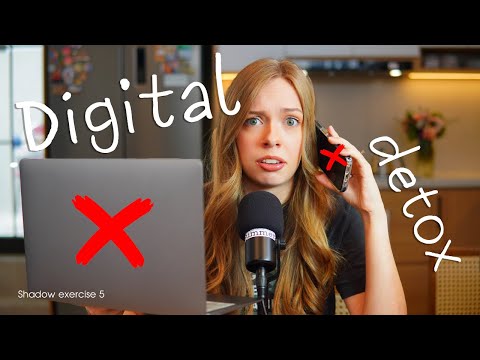
Văn Hưng posted on 2025/03/11Want to boost your English speaking skills while also reclaiming your time? This video dives into the super effective 'shadowing' technique, perfect for language learners, and shares practical tips for a digital detox to help you unplug and relax. You'll pick up useful phrases and learn how to integrate mindfulness into your daily routine!
Learn this video on the APP!
The VoiceTube App has more in-depth practice for videos!