
all over the place
US
UK
- Phrase
- In a state of disorder; scattered everywhere.
- In many different locations; widely distributed.
- Adjective
- Mentally or emotionally disorganized; confused or erratic.
A1Moreartwork
US /ˈɑrtˌwɚk/
UK /ˈɑ:twə:k/
- Noun (Countable/Uncountable)
- the pieces of art, such as drawings and photographs, that are used in books, newspapers, and magazines
C1Moreassemble
US /əˈsɛmbəl/
UK /əˈsembl/
- Transitive Verb
- To put parts together to make a complete unit
- Verb (Transitive/Intransitive)
- To gather together in one place
B1TOEICMoreat some point
US /æt sʌm pɔɪnt/
UK /æt sʌm pɔint/
- Phrase
- At an unspecified time, usually in the future.
A1Moreattend
US /əˈtɛnd/
UK /əˈtend/
- Transitive Verb
- To take care of someone in need
- Verb (Transitive/Intransitive)
- To listen or watch carefully; to concentrate
- To be present at an event
B1TOEICMoreattend to
US /əˈtɛnd tu/
UK /əˈtend tu:/
- Phrasal Verb
- To deal with; take care of; pay attention to.
- Verb (Transitive/Intransitive)
- Deal with
A1Moreattentive
US /əˈtɛntɪv/
UK /əˈtentɪv/
- Adjective
- Thoughtful and considerate
- Paying attention to; concentrating on
B2TOEICMoreattentive to
US
UK
- Adjective
- Paying close attention to someone or something.
- Considerate and helpful; making sure that people have what they need.
A1Morebaffle
US /ˈbæfəl/
UK /'bæfl/
- Transitive Verb
- To puzzle; to confuse
B2Moreblue collar
US /blu ˈkɑlɚ/
UK /blu: ˈkɔlə/
- Adjective
- Relating to manual work or workers, especially in industry.
A1Moreburial
US /ˈbɛriəl/
UK /ˈberiəl/
- Noun
- Act or ceremony of burying, e.g. of the dead
- A place where a dead body is buried; a grave or tomb.
B1Morebustle
US /ˈbʌsəl/
UK /ˈbʌsl/
- Intransitive Verb
- To move energetically or busily
B2Morecarpenter
US /'kɑ:rpəntər/
UK /'kɑ:pəntə(r)/
- Countable Noun
- Person that makes, repairs objects made of wood
- Proper Noun
- Person's name
B2Morecast
US /kæst/
UK /kɑ:st/
- Noun (Countable/Uncountable)
- People who appear in a play or movie
- Small amount of a particular color
- Transitive Verb
- To give specific roles to actors in a movie, play
- To describe someone's personality or character
A2Morecombine
US /kəmˈbaɪn/
UK /kəmˈbaɪn/
- Verb (Transitive/Intransitive)
- To mix several things together to form one thing
- To harvest by means of a combine.
- Noun (Countable/Uncountable)
- A harvesting machine for cutting, threshing, and cleaning grain.
- A mixture of different things.
A2Moreconundrum
US /kəˈnʌndrəm/
UK /kəˈnʌndrəm/
- Countable Noun
- A problem that is puzzling
C1TOEICMoredeal with
US /dil wɪð/
UK /di:l wið/
- Verb (Transitive/Intransitive)
- To buy or sell goods or services.
- Phrasal Verb
- To take action to solve a problem or manage a situation.
- To be about; concern.
A1Moredeath
US /dɛθ/
UK /deθ/
- Noun (Countable/Uncountable)
- When someone dies; the end of life
- The cause or manner of someone dying.
A2Morededuce
US /dɪˈdu:s/
UK /dɪˈdju:s/
- Transitive Verb
- To use logic or reason to reach a conclusion
B2TOEICMoredeeply
US /ˈdiplɪ/
UK /ˈdi:pli/
- Adverb
- To a significant degree
- To a great, intense or extreme extent
A2Moredisadvantage
US /ˌdɪsədˈvæntɪdʒ/
UK /ˌdɪsədˈvɑ:ntɪdʒ/
- Noun (Countable/Uncountable)
- A negative point; a downside; difficulty
- A factor that places someone in a less favorable position.
B1Moreemerge
US /ɪˈmɚdʒ/
UK /ɪ'mɜ:dʒ/
- Intransitive Verb
- To rise or appear out of some background
- To become known or apparent.
A2TOEICMoreenvision
US
UK
- Transitive Verb
- To imagine or picture in your mind
C2TOEICMorefill in
US /fɪl ɪn/
UK /fil in/
- Phrasal Verb
- To put earth in e.g. a hole
- To explain the context so that someone understands
- Verb (Transitive/Intransitive)
- To write or type information in a blank space.
- To temporarily do someone else's job.
A1Morefulfil
US
UK
- Transitive Verb
- To finish or provide something successfully
- To make real, to bring into effect
B1Morefurniture
US /ˈfɚnɪtʃɚ/
UK /ˈfɜ:nɪtʃə(r)/
- Uncountable Noun
- Items such as tables, chairs, beds or closets
A2TOEICMoregoing on
US /ˈɡoɪŋ ɑn/
UK /ˈgəʊɪŋ ɔn/
- Phrasal Verb
- To continue doing something
- To happen (usually negative)
A1Moregospel
US /ˈgɑ:spl/
UK /ˈgɒspl/
- Noun
- Book of the New Testament in Christian teaching
B1Morehave to
US /hæv tu/
UK /ˈhæv tə/
- Auxiliary Verb
- Must do
A1Morehometown
US /ˈhomˈtaʊn/
UK /'həʊmtaʊn/
- Noun
- Town (or city) where you grew up or where you live
B2Morehypothesize
US /haɪˈpɑθɪˌsaɪz/
UK /haɪ'pɒθəsaɪz/
- Verb (Transitive/Intransitive)
- To come up with a theory to explain something
B2Moreimply
US /ɪmˈplaɪ/
UK /ɪmˈplaɪ/
- Transitive Verb
- To suggest something, without saying it directly
- To involve or indicate by inference, association, or necessary consequence rather than by direct statement
A2TOEICMorein particular
US /ɪn pɚˈtɪkjəlɚ/
UK /in pəˈtikjulə/
- Phrase
- Specifically; especially.
- Detailed or precise.
A1Moreinsignificant
US /ˌɪnsɪɡˈnɪfɪkənt/
UK /ˌɪnsɪgˈnɪfɪkənt/
- Adjective
- Being very small or unimportant
B1Morekingdom
US /ˈkɪŋdəm/
UK /'kɪŋdəm/
- Noun
- Category of the natural world
- Country e.g. United Kingdom
A2Morelay
US /le/
UK /leɪ/
- Adjective
- Amateur; not being a trained priest
- Transitive Verb
- To place a bet on a game outcome
- (Of a bird, etc.) to produce eggs from its body
A2Morelimestone
US /ˈlaɪmstoʊn/
UK /ˈlaɪmstəʊn/
- Uncountable Noun
- Sedimentary rock consisting mainly of calcium
B2Moremark
US /mɑrk/
UK /mɑ:k/
- Proper Noun
- Person's name
- Transitive Verb
- To put a dirty spot or line on something
- To give a grade for homework
A2TOEICMoremosaic
US /moʊˈzeɪɪk/
UK /məʊˈzeɪɪk/
- Noun (Countable/Uncountable)
- A mixture of various elements
- Pattern made of pieces of colored stone or glass
B2Moreof course
US /ʌv kɔː(r)s/
UK /ɔv kɔː(r)s/
- Adverb
- Sure ; Certainly
- Phrase
- For sure; certainly
A2Moreon earth
US /ɑn ɚθ/
UK /ɔn ə:θ/
- Phrase
- Used to emphasize a question expressing surprise or anger.
- Used to emphasize that something is not possible or will not happen.
A1Moreon tour
US /ɑn tʊr/
UK /ɔn tuə/
- Noun
- Time a soldier is away from home for work
A2Moreoppress
US /əˈprɛs/
UK /ə'pres/
- Transitive Verb
- To rule in a cruel way
B2TOEICMoreoppression
US /əˈprɛʃən/
UK /ə'preʃn/
- Uncountable Noun
- Treatment of people to limit their freedom
- A sense of being heavily burdened, mentally or physically.
B2Moreparallel
US /ˈpærəˌlɛl/
UK /'pærəlel/
- Verb (Transitive/Intransitive)
- To be equal to, or like, something else
- To compare
- Noun (Countable/Uncountable)
- A line on a map a set distance from the equator
- A similarity; a comparison.
B1Moreportrait
US /ˈpɔrtrɪt,-ˌtret,ˈpor-/
UK /ˈpɔ:trit/
- Noun
- Picture of a person's head and shoulders
- Detailed representation of someone in film, etc.
- Adjective
- A format in which the height is greater than the width.
- Relating to a photograph, painting, drawing, or engraving of a person.
B1Morepreach
US /pritʃ/
UK /pri:tʃ/
- Verb (Transitive/Intransitive)
- To write or speak about so as to persuade people
B1Moreregion
US /ˈridʒən/
UK /'ri:dʒən/
- Noun (Countable/Uncountable)
- Part of a country, of the world, area, etc.
- A part of the body
A2TOEICMorereligious
US /rɪˈlɪdʒəs/
UK /rɪˈlɪdʒəs/
- Adjective
- Following the rules and beliefs of a faith
- Relating to or manifesting faithful devotion to an acknowledged ultimate reality or deity.
B1Moreresponsible
US / rɪˈspɑnsəbəl/
UK /rɪ'spɒnsəbl/
- Adjective
- Being the cause of something that has occurred
- Having the duty of dealing with something
A2TOEICMoresalt
US /sɔlt/
UK /sɔ:lt/
- Uncountable Noun
- Natural white crystal used to flavor food
- Transitive Verb
- To add salt to food in order to improve its taste
- To add salt to ice in order to melt it
A2Morescandalous
US /ˈskændləs/
UK /ˈskændələs/
- Adjective
- Shocked because of something unacceptable
B1Morescripture
US /ˈskrɪptʃɚ/
UK /ˈskrɪptʃə(r)/
- Noun (Countable/Uncountable)
- Holy books of a particular religion
B2Moreshun
US /ʃʌn/
UK /ʃʌn/
- Transitive Verb
- To avoid using/accepting, e.g. to show disapproval
B2TOEICMorespeculate
US /ˈspɛkjəˌlet/
UK /ˈspekjuleɪt/
- Intransitive Verb
- To take risks that might lead to big profits
- Verb (Transitive/Intransitive)
- To predict or guess what is possible or likely
B2Morestatus
US /ˈstetəs, ˈstætəs/
UK /'steɪtəs/
- Uncountable Noun
- Position or rank relative to others in a society
- Legal position of a person or thing
A2TOEICMoresteady
US /ˈstɛdi/
UK /'stedɪ/
- Adjective
- Happening or developing at a regular rate
- Continuing without stopping or changing over time
- Transitive Verb
- To make constant, unchanging or staying the same
- To hold something/someone so they stop moving
B2Moresynagogue
US /ˈsɪnəˌɡɑɡ,-ˌɡɔɡ/
UK /'sɪnəɡɒɡ/
- Countable Noun
- Place of worship in the Jewish religion
C1Moretake over
US /tek ˈovɚ/
UK /teik ˈəuvə/
- Phrasal Verb
- To gain control of (a company) from someone else
- To assume control or possession of something.
A1Moretestament
US /ˈtɛstəmənt/
UK /ˈtestəmənt/
- Noun
- Evidence or proof (usually of something good)
- A person's will, especially regarding the disposal of their property.
B1Morethe disadvantaged
US
UK
- Noun (plural)
- People who lack the resources or opportunities that others have.
A1Moretypically
US /ˈtɪpɪklɪ/
UK /ˈtɪpɪkli/
- Adverb
- In a normal or usual way
B1Morevacuum
US /ˈvækjuəm, -jum, -jəm/
UK /'vækjʊəm/
- Noun (Countable/Uncountable)
- Space with absolutely no air in it
- Cleaning machine with engine that sucks up dirt
- Transitive Verb
- To clean (a floor) using a sucking machine
- To seal something in a vacuum.
B1Morewild
US /waɪld/
UK /waɪld/
- Adverb
- In a manner which lacks control
- Adjective
- Living in nature; not tame
- (Of land) not developed by people
A2Morework in
US /wɚk ɪn/
UK /wə:k in/
- Phrasal Verb
- To make an opening for something in your schedule
- To fit person/thing into a schedule or sequence
A1More
Vocabulary
- work in: To make an opening for something in your schedule
- fill in: To put earth in e.g. a hole
- in particular: Specifically; especially.
- going on: To continue doing something
- blue collar: Relating to manual work or workers, especially in industry.
- on earth: Used to emphasize a question expressing surprise or anger.
- attend to: To deal with; take care of; pay attention to.
- deal with
- at some point: At an unspecified time, usually in the future.
- attentive to: Paying close attention to someone or something.
- have to: Must do
- on tour: Time a soldier is away from home for work
- all over the place: In a state of disorder; scattered everywhere.
- take over: To gain control of (a company) from someone else
- of course: Sure ; Certainly
- the disadvantaged: People who lack the resources or opportunities that others have.
- evidence: Factual proof that helps to establish the truth
- experience: Thing a person has done or that happened to them
- typically: In a normal or usual way
- status: Position or rank relative to others in a society
- deal: To cope with something - usually troubles
- portrait: Picture of a person's head and shoulders
- emerge: To rise or appear out of some background
- region: Part of a country, of the world, area, etc.
- cast: People who appear in a play or movie
- parallel: To be equal to, or like, something else
- steady: Happening or developing at a regular rate
- responsible: Being the cause of something that has occurred
- religious: Following the rules and beliefs of a faith
- fair: Neither very good nor very bad; average
- envision: To imagine or picture in your mind
- furniture: Items such as tables, chairs, beds or closets
- conundrum: A problem that is puzzling
- vacuum: Space with absolutely no air in it
- carpenter: Person that makes, repairs objects made of wood
- appear: To be seen, become visible; come into sight
- speculate: To take risks that might lead to big profits
- combine: To mix several things together to form one thing
- wild: In a manner which lacks control
- assemble: To put parts together to make a complete unit
- lot: What happens to a person in life from chance; fate
- place: To put someone in a particular type of situation
- imply: To suggest something, without saying it directly
- build: Your physical shape; physique
- insignificant: Being very small or unimportant
- oppression: Treatment of people to limit their freedom
- great: Very good; better than before
- attentive: Thoughtful and considerate
- lay: Amateur; not being a trained priest
- attend: To take care of someone in need
- grow: To get bigger and more mature; make plants do this
- business: A company formed for making profit
- area: Amount of measured space
- world: All the humans, events, activities on the earth
- disappear: To no longer see because it's not there any more
- preach: To write or speak about so as to persuade people
- life: All the living things e.g. animals, plants, humans
- deeply: To a significant degree
- testament: Evidence or proof (usually of something good)
- kingdom: Category of the natural world
- disadvantage: A negative point; a downside; difficulty
- bustle: To move energetically or busily
- deduce: To use logic or reason to reach a conclusion
- death: When someone dies; the end of life
- burial: Act or ceremony of burying, e.g. of the dead
- mark: Person's name
- salt: Natural white crystal used to flavor food
- gospel: Book of the New Testament in Christian teaching
- scandalous: Shocked because of something unacceptable
- limestone: Sedimentary rock consisting mainly of calcium
- baffle: To puzzle; to confuse
- hypothesize: To come up with a theory to explain something
- shun: To avoid using/accepting, e.g. to show disapproval
- scripture: Holy books of a particular religion
- mosaic: A mixture of various elements
- oppress: To rule in a cruel way
- artwork: the pieces of art, such as drawings and photographs, that are used in books, newspapers, and magazines
- fulfil: To finish or provide something successfully
- synagogue: Place of worship in the Jewish religion
- hometown: Town (or city) where you grew up or where you live
Get the full experience in the app
Learn anywhere with detailed sentence and usage analysis
01:03
She took a brave step forward, leaving behind her comfort zone to chase her dreams.
Vocabulary
- brave
adj. Having courage
- comfort zone
phr. A familiar situation where one feels safe
Explanation
a brave step is a noun phrase, where brave is an adjective modifying the noun step, meaning "a courageous step".
forward is an adverb modifying step, meaning "ahead".
The whole phrase serves as the object, answering the "what" of took (verb) — she took a brave step forward.
Get the full experience in the app
Look up words anytime with pronunciation, part of speech, and usage
brave
US/brev/
UK/breɪv/
adj.Brave
v.t.To bravely face
A2 Elementary
Get the full experience in the app
Practice speaking anytime and get instant pronunciation feedback
Try this speaking exercise.
Try practicing with this sentence.
80
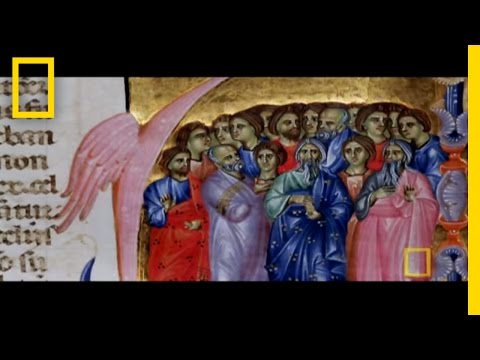
The Missing Years of Jesus | National Geographic
0
Fendy Wu posted on 2025/03/07Ever wondered what Jesus was up to during his 'missing years'? This National Geographic video dives into historical evidence and archaeology to explore his life as a carpenter in Galilee, offering a fascinating look at the time! You'll pick up advanced vocabulary and get a deeper cultural understanding, all while exploring complex sentence structures.
Learn this video on the APP!
The VoiceTube App has more in-depth practice for videos!