
around the world
US /əˈraʊnd ði wɜrld/
UK /əˈraund ðə wɜː(r)ld/
- Phrase
- In or to many countries.
- In various places throughout the world.
A2Moreat least
US /æt list/
UK /æt li:st/
- Adverb
- As a minimum
- Not less than
- Phrase
- No less than; at the minimum
- Used to indicate that something is positive in a bad situation.
C2Morebird flu
US /bɚd flu/
UK /bə:d flu:/
- Noun
- A highly contagious viral disease affecting birds, which can sometimes spread to humans.
B1Morebleed
US /blid/
UK /bli:d/
- Verb (Transitive/Intransitive)
- To allow a liquid or gas to escape
- To flow out of something
- Transitive Verb
- To drain something such as water from a source
- To take money from someone a little at a time
A2Morebreaks down
US
UK
- Phrasal Verb
- To forcibly break, destroy or make collapse
- (Machine) to stop working or become weaker
A1Morecheck out
US /tʃɛk aʊt/
UK /tʃek aut/
- Phrase
- Phrasal Verb
- To find out information about something
- To take books out of a library
A1Morecome from
US /kʌm frʌm/
UK /kʌm frɔm/
- Phrasal Verb
- To have as your native country or city
A1Morecome into contact
US
UK
- Verb (Transitive/Intransitive)
- To physically touch something.
- To communicate or meet with someone.
A1Moredamage
US /ˈdæmɪdʒ/
UK /ˈdæmɪdʒ/
- Noun (Countable/Uncountable)
- Physical harm that is done to something
- Transitive Verb
- To harm physically; to hurt or break something
- To harm the reputation of someone.
A2TOEICMoredeadly
US /ˈdɛdli/
UK /ˈdedli/
- Adjective
- Causing or capable of causing death
- Being very accurate
- Adverb
- Extremely; intensely.
A2Moredisease
US /dɪˈziz/
UK /dɪˈzi:z/
- Noun (Countable/Uncountable)
- Illness that affects a person, animal, or plant
- A disorder of structure or function in a plant, especially one caused by a pathogen.
- Transitive Verb
- To affect with disease; to corrupt or sicken.
A2TOEICMorefor long
US
UK
- Phrase
- For a considerable period of time.
- For a significant duration in the future.
A1Morefreak out
US /frik aʊt/
UK /fri:k aut/
- Phrasal Verb
- To react or behave in a wild or irrational way
- To become very anxious, upset, or afraid; to panic.
- Intransitive Verb
- To experience or display extreme emotions, such as fear or panic.
- To have a very disturbing and frightening experience caused by taking drugs.
B2Morehave to
US /hæv tu/
UK /ˈhæv tə/
- Auxiliary Verb
- Must do
A1Morehide out
US /haɪd aʊt/
UK /haid aut/
- Phrasal Verb
- To conceal oneself, especially to avoid detection or capture.
A1Morein the air
US
UK
- Phrase
- Present or circulating in the atmosphere.
- Felt or sensed by many people; circulating as a rumor or feeling.
- Adjective
- Being broadcast on radio or television.
A1Morein the middle of
US
UK
- Phrase
- In the central part or point of something.
- Engaged or occupied with something.
A2Moreinfection
US /ɪnˈfɛkʃən/
UK /ɪnˈfekʃn/
- Noun
- (Computers) Having a computer virus
- Making or becoming sick with a bacteria/virus
A2Moreknow about
US /noʊ əˈbaʊt/
UK /nəʊ əˈbaut/
- Phrasal Verb
- To have information or understanding of a subject or situation.
make out with
US
UK
- Phrasal Verb
- To kiss someone passionately.
out of nowhere
US
UK
- Phrase
- Suddenly and unexpectedly; from an unknown place or source.
outbreak
US /ˈaʊtˌbrek/
UK /ˈaʊtbreɪk/
- Noun (Countable/Uncountable)
- Sudden occurrence of illness, discontent etc.
- A sudden occurrence of something unwelcome, such as war or disease.
B2Moreover to
US
UK
- Preposition
- Used to hand over to someone else to speak
- The responsibility is now yours
panic
US /ˈpænɪk/
UK /'pænɪk/
- Uncountable Noun
- Overwhelming feeling of fear and anxiety
- Intransitive Verb
- To feel sudden anxiety and fear and cannot think
B1Morepop up
US /pɑp ʌp/
UK /pɔp ʌp/
- Intransitive Verb
- To appear suddenly.
- Phrasal Verb
- To appear suddenly and unexpectedly.
- To appear on a computer screen.
A1Morescience
US /ˈsaɪəns/
UK /'saɪəns/
- Uncountable Noun
- Study of the physical world, based on facts
A2TOEICMoreset off
US /sɛt ɔf/
UK /set ɒf/
- Phrasal Verb
- To start a journey
- To cause something to explode or start working.
- Transitive Verb
- To cause to explode.
A1Moreshow up
US /ʃo ʌp/
UK /ʃəu ʌp/
- Phrasal Verb
- To arrive or be seen at a place, e.g. a party
- To be noticeably better than (someone else)
A1Morespill over
US
UK
- Phrasal Verb
- To flow over the edge of a container.
- To spread or extend into other areas or situations, especially undesirable things.
B1Morespread
US /sprɛd/
UK /spred/
- Noun (Countable/Uncountable)
- A big meal, often laid out as a buffet
- The distance between two things
- Verb (Transitive/Intransitive)
- To place over a large area; to cover a large area
- (Of ideas, gossip) to pass to and affect others
A2TOEICMorevirus
US /ˈvaɪrəs/
UK /'vaɪrəs/
- Noun
- File secretly put on computers to cause harm
- Living organism that causes disease or sickness
B1Morewalk down
US /wɔk daʊn/
UK /wɔ:k daun/
- Phrasal Verb
- To walk along or down something.
- To proceed along an aisle, especially at a wedding.
A1More
Vocabulary
- know about: To have information or understanding of a subject or situation.
- come from: To have as your native country or city
- check out
- around the world: In or to many countries.
- freak out: To react or behave in a wild or irrational way
- breaks down: To forcibly break, destroy or make collapse
- out of nowhere: Suddenly and unexpectedly; from an unknown place or source.
- pop up: To appear suddenly.
- have to: Must do
- bird flu: A highly contagious viral disease affecting birds, which can sometimes spread to humans.
- come into contact: To physically touch something.
- hide out: To conceal oneself, especially to avoid detection or capture.
- at least: As a minimum
- spill over: To flow over the edge of a container.
- over to: Used to hand over to someone else to speak
- set off: To start a journey
- walk down: To walk along or down something.
- show up: To arrive or be seen at a place, e.g. a party
- make out with: To kiss someone passionately.
- for long: For a considerable period of time.
- in the air: Present or circulating in the atmosphere.
- in the middle of: In the central part or point of something.
- people: Persons sharing culture, country, background, etc.
- treat: To pay for the food or enjoyment of someone else
- disease: Illness that affects a person, animal, or plant
- panic: Overwhelming feeling of fear and anxiety
- spread: A big meal, often laid out as a buffet
- describe: To tell the appearance, sound, smell of something
- science: Study of the physical world, based on facts
- public: Owned by the government
- infection: (Computers) Having a computer virus
- outbreak: Sudden occurrence of illness, discontent etc.
- virus: File secretly put on computers to cause harm
- damage: Physical harm that is done to something
- health: (Person, company) being in a good condition; well
- deadly: Causing or capable of causing death
- bleed: To allow a liquid or gas to escape
Get the full experience in the app
Learn anywhere with detailed sentence and usage analysis
01:03
She took a brave step forward, leaving behind her comfort zone to chase her dreams.
Vocabulary
- brave
adj. Having courage
- comfort zone
phr. A familiar situation where one feels safe
Explanation
a brave step is a noun phrase, where brave is an adjective modifying the noun step, meaning "a courageous step".
forward is an adverb modifying step, meaning "ahead".
The whole phrase serves as the object, answering the "what" of took (verb) — she took a brave step forward.
Get the full experience in the app
Look up words anytime with pronunciation, part of speech, and usage
brave
US/brev/
UK/breɪv/
adj.Brave
v.t.To bravely face
A2 Elementary
Get the full experience in the app
Practice speaking anytime and get instant pronunciation feedback
Try this speaking exercise.
Try practicing with this sentence.
80
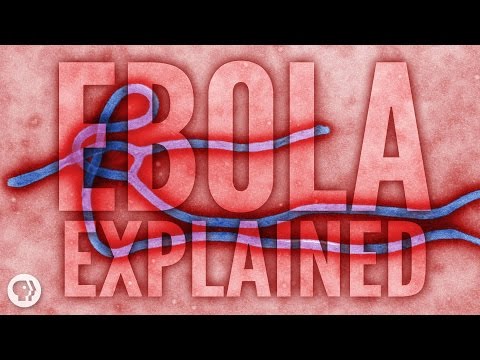
Ebola: The Full Story
0
Eating posted on 2014/11/04Ever wondered about the real story behind Ebola and how outbreaks happen? This video dives deep into the science, covering everything from zoonosis to the crucial work of healthcare heroes in West Africa. You'll pick up some advanced vocabulary and gain a fascinating understanding of global health challenges!
Learn this video on the APP!
The VoiceTube App has more in-depth practice for videos!