
aid
US /ed/
UK /eɪd/
- Transitive Verb
- To help others and provide things
- Noun (Countable/Uncountable)
- Action of giving help to others
- Money or help given to those who need it
A2TOEICMorearmor
US /ˈɑrmɚ/
UK /'ɑ:mə/
- Noun
- Defensive (e.g. metal) covering for bodies, things
- Transitive Verb
- To cover something in metal to protect it
C1Moreattack
US /əˈtæk/
UK /ə'tæk/
- Transitive Verb
- To try to destroy, beat, or injure
- Noun
- Act intended to hurt someone physically, mentally
A2Moreaxiom
US /ˈæksiəm/
UK /ˈæksiəm/
- Noun (Countable/Uncountable)
- A generally accepted rule or statement generally
C1TOEICMorebacteria
US /bækˈtɪriə/
UK /bæk'tɪərɪə/
- Noun (plural)
- The very small creatures that can cause disease
B2Morebetter understanding
US
UK
- Uncountable Noun
- An improved level of comprehension or knowledge.
B2Moreblood
US /blʌd/
UK /blʌd/
- Uncountable Noun
- Red liquid in the bodies of people and animals
- Related by birth; family
- Transitive Verb
- To be initiated into something, e.g. a secret club
A2Morebloodstream
US /ˈblʌdˌstrim/
UK /ˈblʌdstri:m/
- Uncountable Noun
- Blood flowing through the circulatory system
C2Morebreathe
US /brið/
UK /bri:ð/
- Verb (Transitive/Intransitive)
- To move air into and out of your lungs
- To say something very softly
A2Morebreathe in
US /brið ɪn/
UK /bri:ð in/
- Phrasal Verb
- To inhale; to take air into the lungs.
B1Morecell
US /sɛl/
UK /sel/
- Countable Noun
- Smallest unit of living things in biology
- Group of people - often from a secret organization
A2Moredefend
US /dɪˈfɛnd/
UK /dɪ'fend/
- Transitive Verb
- To protect and explain your position in court
- To protect against an attack
B1TOEICMoredefense
US /dɪˈfɛns/
UK /dɪ'fens/
- Noun (Countable/Uncountable)
- Argument in support of something
- The process of protecting something from attack
B1TOEICMoredestroy
US /dɪˈstrɔɪ/
UK /dɪ'strɔɪ/
- Transitive Verb
- To damage so badly that something no longer exists
- To defeat someone or something easily
A2TOEICMoreelectron
US /ɪˈlektrɑ:n/
UK /ɪˈlektrɒn/
- Countable Noun
- A negatively charged particle
B2Morefascinating
US /ˈfæsəˌnetɪŋ/
UK /ˈfæsɪneɪtɪŋ/
- Transitive Verb
- To attract or interest greatly
- To hold someone captive with a gaze or other means.
- Adjective
- Having your attention fixated as though by a spell
B1Morefight back
US /faɪt bæk/
UK /fait bæk/
- Phrasal Verb
- To make your point more strongly against opponent
A1Moreflu
US /flu/
UK /flu:/
- Noun (Countable/Uncountable)
- Illness causing headache, fever etc.
- A specific instance or bout of influenza.
B2Morefluid
US /ˈfluɪd/
UK /'flu:ɪd/
- Noun (Countable/Uncountable)
- A material that can easily flow, e.g. water
- Liquid that flows smoothly, such as water
- Adjective
- Able to move smoothly or gracefully
- Liable to change; unstable.
B2Moreget past
US /ɡɛt pæst/
UK /ɡet pɑːst/
- Phrasal Verb
- To overcome an obstacle or difficulty.
- To move beyond someone or something that is blocking your way.
A1Moreget trapped in
US
UK
- Phrasal Verb
- To become confined in a place and unable to escape.
- To become involved in a situation from which it is difficult to escape.
B2Moregoodness
US /ˈɡʊdnɪs/
UK /ˈgʊdnəs/
- Interjection
- (Used to express slight surprise)
- Uncountable Noun
- Nourishment; good food value
A2Moreimmune
US /ɪˈmjoon/
UK /ɪˈmju:n/
- Adjective
- Having a special protection from, e.g. the law
- Protected against a particular disease or condition because of antibodies or vaccination.
B1Moreinfect
US /ɪnˈfɛkt/
UK /ɪn'fekt/
- Transitive Verb
- To introduce a computer virus to
- To give a disease, bacteria or virus to
B1Moreinfluenza
US /ˌɪnflʊ'enzə/
UK /ˌɪnfluˈenzə/
- Noun
- Full name for the 'flu'
B2Morelayer
US /ˈleɚ/
UK /ˈleiə/
- Noun (Countable/Uncountable)
- One of several sheets of a material or object
- A covering of something spread over a surface.
- Transitive Verb
- To put things one on top of another
B1TOEICMorelook at
US /lʊk æt/
UK /luk æt/
- Phrasal Verb
- To use your eyes to focus on something
- To focus your eyes on something carefully
A1Moremicroscope
US /ˈmaɪkrəskoʊp/
UK /ˈmaɪkrəskəʊp/
- Noun
- Scientific device making small things look bigger
B1Morereach
US /ritʃ/
UK /ri:tʃ/
- Verb (Transitive/Intransitive)
- To come to or arrive at a goal or destination
- To be long enough to get to a certain place
- Uncountable Noun
- Power or control someone has over something
A2TOEICMoreregular
US /ˈrɛɡjəlɚ/
UK /ˈregjələ(r)/
- Adjective
- Having an equal amount of space or time in between
- Occurring or being done frequently
- Noun (Countable/Uncountable)
- Customers who frequently visit a place
- Soldier who has a permanent job in the army
A2TOEICMorescientist
US /ˈsaɪəntɪst/
UK /ˈsaɪəntɪst/
- Countable Noun
- Person who is trained in a science
A2Morescrape
US /skrep/
UK /skreɪp/
- Verb (Transitive/Intransitive)
- To take something off a surface with a sharp tool
- To move roughly across the surface of something
- Noun
- Bad or unpleasant incident
- Sound of something moving roughly across a surface
B1Moreshrink
US /ʃrɪŋk/
UK /ʃrɪŋk/
- Intransitive Verb
- To become smaller
- Noun
- A rude name for a psychiatrist
B1Moreshrink down
US
UK
- Phrasal Verb
- To become smaller in size, amount, or extent.
B2Moreslimy
US /ˈslaɪmi/
UK /ˈslaɪmi/
- Adjective
- With or resembling slime; disgustingly thick
B2Morestomach
US /ˈstʌmək/
UK /'stʌmək/
- Noun
- Place in the body where food is processed
- Verb (Transitive/Intransitive)
- to be able to accept something unpleasant
A2Moreswallow
US /ˈswɑː.loʊ/
UK /'swɒləʊ/
- Transitive Verb
- To believe (something that is not true)
- To make food go from your mouth to your stomach
- Countable Noun
- Small northern bird with downward-pointing wings
A2Morethanks to
US /θæŋks tu/
UK /θæŋks tu:/
- Preposition
- Because of; as a result of.
A1Morethroat
US /θroʊt/
UK /θrəʊt/
- Noun
- Part of the neck that is below the chin
- The passage in the neck through which food and air pass.
- Verb (Transitive/Intransitive)
- To utter or express with the throat; to sing.
A2Moretiny
US /ˈtaɪni/
UK /'taɪnɪ/
- Adjective
- Very, very small
A2Moretrap
US /træp/
UK /træp/
- Countable Noun
- Device used for catching animals
- Vehicle pulled by a single horse
- Transitive Verb
- To use a device to catch animals or people
- To hold, e.g. a nerve, so that it cannot move
A2Morevirus
US /ˈvaɪrəs/
UK /'vaɪrəs/
- Noun
- File secretly put on computers to cause harm
- Living organism that causes disease or sickness
B1More
Vocabulary
- look at: To use your eyes to focus on something
- get trapped in: To become confined in a place and unable to escape.
- better understanding: An improved level of comprehension or knowledge.
- shrink down: To become smaller in size, amount, or extent.
- breathe in: To inhale; to take air into the lungs.
- get past: To overcome an obstacle or difficulty.
- fight back: To make your point more strongly against opponent
- thanks to: Because of; as a result of.
- immune: Having a special protection from, e.g. the law
- fascinating: To attract or interest greatly
- common: Area in a city or town that is open to everyone
- bacteria: The very small creatures that can cause disease
- fluid: A material that can easily flow, e.g. water
- shrink: To become smaller
- regular: Having an equal amount of space or time in between
- reach: To come to or arrive at a goal or destination
- tiny: Very, very small
- trap: Device used for catching animals
- aid: To help others and provide things
- swallow: To believe (something that is not true)
- mucus: Thick liquid substance made in certain parts of the human body, such as the nose
- layer: One of several sheets of a material or object
- destroy: To damage so badly that something no longer exists
- stomach: Place in the body where food is processed
- defense: Argument in support of something
- bloodstream: Blood flowing through the circulatory system
- system: Set of organized, planned ideas that work together
- breathe: To move air into and out of your lungs
- defend: To protect and explain your position in court
- suit: To be appropriate for a given situation
- throat: Part of the neck that is below the chin
- armor: Defensive (e.g. metal) covering for bodies, things
- scrape: To take something off a surface with a sharp tool
- virus: File secretly put on computers to cause harm
- find: To become aware of something that is happening
- cell: Smallest unit of living things in biology
- slimy: With or resembling slime; disgustingly thick
- scientist: Person who is trained in a science
- attack: To try to destroy, beat, or injure
- understand: To know the meaning of language, what someone says
- healthy: In good condition physically, or financially; well
- blood: Red liquid in the bodies of people and animals
- know: To be familiar with a person or place, thing
- human: A person; a man, woman or child
- goodness: (Used to express slight surprise)
- fight: To argue or quarrel with someone about something
- time: Speed at which music is played; tempo
- influenza: Full name for the 'flu'
- live: To be alive
- stay: To keep trying without giving up
- view: Opinion, belief, or idea about something
- people: Persons sharing culture, country, background, etc.
- infect: To introduce a computer virus to
- flu: Illness causing headache, fever etc.
- microscope: Scientific device making small things look bigger
- electron: A negatively charged particle
- axiom: A generally accepted rule or statement generally
Get the full experience in the app
Learn anywhere with detailed sentence and usage analysis
01:03
She took a brave step forward, leaving behind her comfort zone to chase her dreams.
Vocabulary
- brave
adj. Having courage
- comfort zone
phr. A familiar situation where one feels safe
Explanation
a brave step is a noun phrase, where brave is an adjective modifying the noun step, meaning "a courageous step".
forward is an adverb modifying step, meaning "ahead".
The whole phrase serves as the object, answering the "what" of took (verb) — she took a brave step forward.
Get the full experience in the app
Look up words anytime with pronunciation, part of speech, and usage
brave
US/brev/
UK/breɪv/
adj.Brave
v.t.To bravely face
A2 Elementary
Get the full experience in the app
Practice speaking anytime and get instant pronunciation feedback
Try this speaking exercise.
Try practicing with this sentence.
80
OD4 U11 Understand Viruses
0
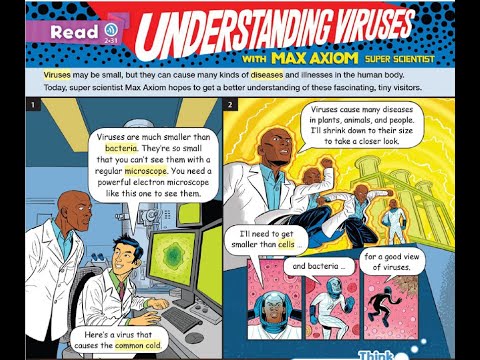
Cindy Lin posted on 2025/02/16Ever wondered what viruses actually look like and how they sneak into our bodies? This fun, comic-style video takes you on a microscopic journey to explore viruses and your immune system, perfect for picking up some cool science vocabulary! You'll learn how these tiny invaders work and how your body fights back, all explained with simple sentences.
Learn this video on the APP!
The VoiceTube App has more in-depth practice for videos!