
accurate
US /ˈækjərɪt/
UK /ˈækjərət/
- Adjective
- With no mistake or error; Correct
A2Moreanalyze
US /ˈænəˌlaɪz/
UK /'ænəlaɪz/
- Transitive Verb
- To study carefully to find out the meaning of
B1TOEICMoreappearance
US /əˈpɪrəns/
UK /əˈpɪərəns/
- Noun
- The way a person looks to others
- The way that something looks
A2TOEICMoreavoid
US /əˈvɔɪd/
UK /ə'vɔɪd/
- Transitive Verb
- To prevent from happening
- To stay away from
A2TOEICMorebased on
US
UK
- Phrasal Verb
- To use something as the foundation or starting point for something else.
- Preposition
- Using something as the main idea or foundation.
- Relying on something as evidence or justification.
A1Morebeneficial
US /ˌbɛnəˈfɪʃəl/
UK /ˌbenɪˈfɪʃl/
- Adjective
- Giving an advantage, having a helpful effect
- Promoting or contributing to physical or mental well-being.
B1TOEICMoreby day
US /baɪ de/
UK /bai dei/
- Phrase
- During the daytime; not at night.
A2Morechromosome
US /ˈkroʊməsoʊm/
UK /ˈkrəʊməsəʊm/
- Noun
- Cell structures that carry the genetic material
C2Morecontribute
US /kənˈtrɪbjut/
UK /kən'trɪbju:t/
- Verb (Transitive/Intransitive)
- To be a factor in causing something to happen
- To donate, give (money) or help to something
A2Moredetermine
US /dɪˈtɚmɪn/
UK /dɪ'tɜ:mɪn/
- Transitive Verb
- To control exactly how something will be or act
- To establish the facts about; discover
A2TOEICMoredna
US
UK
- Noun (Countable/Uncountable)
- Chemical in living cells with genetic information
B2Moreembryo
US /ˈɛmbriˌo/
UK /ˈembriəʊ/
- Noun
- Tiny plant stored inside a seed
- Early form of an unborn human or animal
B2Moreentire
US /ɛnˈtaɪr/
UK /ɪn'taɪə(r)/
- Adjective
- Complete or full; with no part left out; whole
- Undivided; not shared or distributed.
A2TOEICMorefacility
US /fəˈsɪlɪti/
UK /fəˈsɪləti/
- Noun (Countable/Uncountable)
- Piece of equipment or buildings with a special use
- Skill to do something with ease
A2TOEICMoregenetic
US /dʒəˈnɛtɪk/
UK /dʒəˈnetɪk/
- Adjective
- Of, relating to, or controlled by genes
- Relating to genes or heredity.
B1Moregenetically
US /dʒə'netɪklɪ/
UK /dʒə'netɪklɪ/
- Adverb
- Caused or controlled, or by genes
- By means of genes or genetic engineering.
B1Moregrow into
US /ɡro ˈɪntu/
UK /ɡrəu ˈɪntuː/
- Phrasal Verb
- To be able to wear clothes that were too big
- To adjust to over time, e.g. a new job
A1Moreguarantee
US /ˌɡærənˈti/
UK /ˌɡærən'ti:/
- Transitive Verb
- To promise to repair a broken product
- To promise that something will happen or be done
- Countable Noun
- A promise to repair a broken product
- Promise that something will be done as expected
A2TOEICMorehave to
US /hæv tu/
UK /ˈhæv tə/
- Auxiliary Verb
- Must do
A1Moreidentify
US /aɪˈdɛntəˌfaɪ/
UK /aɪ'dentɪfaɪ/
- Transitive Verb
- To indicate who or what someone or something is
- To say exactly what something is
B1TOEICMorein order to
US /ɪn ˈɔrdɚ tu/
UK /in ˈɔ:də tu:/
- Preposition
- For the purpose of; with the aim of.
- Phrase
- In a specific sequence or arrangement.
- With the aim of; for the purpose of.
C1Morein part
US /ɪn pɑrt/
UK /in pɑ:t/
- Adverb
- To some extent; partially.
A1Morein the past
US
UK
- Phrase
- During a former period of time; previously.
A1Moreindividual
US /ˌɪndəˈvɪdʒuəl/
UK /ˌɪndɪˈvɪdʒuəl/
- Countable Noun
- Single person, looked at separately from others
- A single thing or item, especially when part of a set or group.
- Adjective
- Made for use by one single person
- Having a distinct manner different from others
A2Moreinfant
US /'ɪnfənt/
UK /'ɪnfənt/
- Countable Noun
- Child in the beginning stage of life; a baby
- The early stage of development of something.
B1TOEICMoreinherit
US /ɪnˈhɛrɪt/
UK /ɪn'herɪt/
- Transitive Verb
- To have a quality or feature passed down at birth
- To receive property or money after someone dies
B1Moremake up
US /mek ʌp/
UK /meik ʌp/
- Phrasal Verb
- To invent or create a story
- To add up to
- Verb (Transitive/Intransitive)
- To invent a story, excuse, etc.
- To compensate for something lost, missed, or deficient.
A1Moremakeup
US /ˈmekˌʌp/
UK /'meɪkʌp/
- Uncountable Noun
- Substance put on the face to make you look pretty
- The way in which something is formed or composed.
- Transitive Verb
- To invent or fabricate something.
- To compensate for something.
B2Morematerial
US /məˈtɪriəl/
UK /məˈtɪəriəl/
- Noun (Countable/Uncountable)
- Cloth; fabric
- Supplies or data needed to do a certain thing
- Adjective
- Relevant; (of evidence) important or significant
- Belonging to the world of physical things
A2Moremeet with
US /mit wɪð/
UK /mi:t wið/
- Phrasal Verb
- To have a meeting with someone in order to discuss something.
- To encounter or experience something, often something negative.
morphology
US /mɔ:rˈfɑ:lədʒi/
UK /mɔ:ˈfɒlədʒi/
- Uncountable Noun
- Study of the forms and structures of things
B2Moremultiple
US /ˈmʌltəpəl/
UK /ˈmʌltɪpl/
- Adjective
- Having or involving more than one of something
- Having or involving several parts, elements, or members.
- Countable Noun
- Number produced by multiplying a smaller number
- A number of identical circuit elements connected in parallel or series.
B1Moreovarian
US /oˈvɛriən/
UK /əʊ'veərɪən/
- Adjective
- Concerning or involving the ovaries
C1Morepast it
US
UK
- Adjective
- No longer capable or effective due to age or declining condition.
- Beyond the point of being useful or functional.
A1Moreplacenta
US /pləˈsɛntə/
UK /pləˈsentə/
- Noun
- Organ that supplies nutrients to fetus in the womb
C1Morepotentially
US /pəˈtɛnʃəlɪ/
UK /pə'tenʃəlɪ/
- Adverb
- That could happen or become reality
B1Morepre
US
UK
- Prefix
- A prefix meaning 'before'
B2Morepregnancy
US /ˈprɛɡnənsi/
UK /ˈpregnənsi/
- Uncountable Noun
- When a woman carries her unborn baby inside her
- A specific instance or period of being pregnant.
B1Morepregnant
US /ˈprɛɡnənt/
UK /ˈpregnənt/
- Adjective
- Carrying your unborn baby inside you
- Full of meaning or significance; suggestive.
B1Moreprevent
US /prɪˈvɛnt/
UK /prɪ'vent/
- Transitive Verb
- To stop something from happening or existing
A2TOEICMorequality
US /ˈkwɑlɪti/
UK /'kwɒlətɪ/
- Noun (Countable/Uncountable)
- Feature associated with someone or something
- High level of worth or excellence
- Adjective
- Of a high standard
A2TOEICMorerare
US /rɛr/
UK /reə(r)/
- Adjective
- (Of meat) cooked, but still red and juicy
- Unusual or out of the ordinary; not common
A2Morerecommend
US /ˌrɛkəˈmɛnd/
UK /ˌrekə'mend/
- Transitive Verb
- To advise or suggest that someone do something
- To endorse or support something publicly.
A2TOEICMoreresult in
US /rɪˈzʌlt ɪn/
UK /riˈzʌlt in/
- Phrasal Verb
- To cause or produce as a consequence.
sperm
US /spə:m/
UK /spɜ:m/
- Noun (Countable/Uncountable)
- Cell produced by men and needed for reproduction
C2Morestimulation
US /ˌstɪmjʊ'leɪʃn/
UK /ˌstɪmjʊ'leɪʃn/
- Uncountable Noun
- Arousal of interest or emotions
B1Moresubjective
US /səbˈdʒɛktɪv/
UK /səbˈdʒektɪv/
- Adjective
- Using personal feelings and opinions not facts
C1Moreterminology
US /ˌtɜ:rməˈnɑ:lədʒi/
UK /ˌtɜ:mɪˈnɒlədʒi/
- Uncountable Noun
- Specific words and expressions used in a field
B2TOEICMorethink of
US /θɪŋk ʌv/
UK /θiŋk ɔv/
- Phrasal Verb
- To look on as (being something specific); consider
- To consider or remember something.
- Verb (Transitive/Intransitive)
- To imagine or call something to mind
A1Moretraditionally
US /trə'dɪʃənəlɪ/
UK /trə'dɪʃənəlɪ/
- Adverb
- Something done in a customary, traditional manner
B2Moretypically
US /ˈtɪpɪklɪ/
UK /ˈtɪpɪkli/
- Adverb
- In a normal or usual way
B1Moreundergo
US /ˌʌndərˈgoʊ/
UK /ˌʌndəˈgəʊ/
- Verb (Transitive/Intransitive)
- To experience or endure something (bad)
- To experience a change or transformation.
B1Moreunique
US /juˈnik/
UK /jʊ'ni:k/
- Adjective
- Unlike other things; being the only one like it
- Remarkably special or unusual.
A2TOEICMoreupwards of
US
UK
- Preposition
- More than; at least.
- Phrase
- Approximately; around.
A1Moreuterus
US /ˈjutərəs/
UK /ˈju:tərəs/
- Noun
- Inside part of female animals where young develop
C1Morevaluable
US /ˈvæljuəbəl, ˈvæljə-/
UK /ˈvæljuəbl/
- Adjective
- Being useful or important
- Being worth a lot of money
B1TOEICMore
Vocabulary
- result in: To cause or produce as a consequence.
- grow into: To be able to wear clothes that were too big
- in order to: For the purpose of; with the aim of.
- think of: To look on as (being something specific); consider
- make up: To invent or create a story
- based on: To use something as the foundation or starting point for something else.
- in part: To some extent; partially.
- have to: Must do
- in the past: During a former period of time; previously.
- past it: No longer capable or effective due to age or declining condition.
- by day: During the daytime; not at night.
- upwards of: More than; at least.
- meet with: To have a meeting with someone in order to discuss something.
- entire: Complete or full; with no part left out; whole
- individual: Single person, looked at separately from others
- material: Cloth; fabric
- multiple: Having or involving more than one of something
- recommend: To advise or suggest that someone do something
- guarantee: To promise to repair a broken product
- term: Conditions applying to an agreement, contract
- determine: To control exactly how something will be or act
- potentially: That could happen or become reality
- typically: In a normal or usual way
- accurate: With no mistake or error; Correct
- common: Area in a city or town that is open to everyone
- identify: To indicate who or what someone or something is
- unique: Unlike other things; being the only one like it
- contribute: To be a factor in causing something to happen
- failure: When things go wrong; lack of function
- increase: To make or become larger in size or amount
- prevent: To stop something from happening or existing
- quality: Feature associated with someone or something
- avoid: To prevent from happening
- rare: (Of meat) cooked, but still red and juicy
- pregnant: Carrying your unborn baby inside you
- genetic: Of, relating to, or controlled by genes
- appearance: The way a person looks to others
- valuable: Being useful or important
- perform: To carry out an action well or successfully
- facility: Piece of equipment or buildings with a special use
- create: To make, cause, or bring into existence
- equal: Same in shape, size, or number
- provide: To make available; to supply for use
- infant: Child in the beginning stage of life; a baby
- analyze: To study carefully to find out the meaning of
- produce: Fresh foods such as fruits and vegetables
- pregnancy: When a woman carries her unborn baby inside her
- organize: To arrange and plan things, e.g. a party
- stage: To organize an event to gain public interest
- normal: Standard or regular way of doing something
- beneficial: Giving an advantage, having a helpful effect
- genetically: Caused or controlled, or by genes
- sperm: Cell produced by men and needed for reproduction
- modern: Of the present time; up to date; contemporary
- chance: The way something happens without planning
- subjective: Using personal feelings and opinions not facts
- undergo: To experience or endure something (bad)
- stimulation: Arousal of interest or emotions
- embryo: Tiny plant stored inside a seed
- pick: Sharp tool used for breaking the ground
- inherit: To have a quality or feature passed down at birth
- uterus: Inside part of female animals where young develop
- chromosome: Cell structures that carry the genetic material
- terminology: Specific words and expressions used in a field
- makeup: Substance put on the face to make you look pretty
- ovarian: Concerning or involving the ovaries
- placenta: Organ that supplies nutrients to fetus in the womb
- traditionally: Something done in a customary, traditional manner
- pre: A prefix meaning 'before'
- morphology: Study of the forms and structures of things
- dna: Chemical in living cells with genetic information
Get the full experience in the app
Learn anywhere with detailed sentence and usage analysis
01:03
She took a brave step forward, leaving behind her comfort zone to chase her dreams.
Vocabulary
- brave
adj. Having courage
- comfort zone
phr. A familiar situation where one feels safe
Explanation
a brave step is a noun phrase, where brave is an adjective modifying the noun step, meaning "a courageous step".
forward is an adverb modifying step, meaning "ahead".
The whole phrase serves as the object, answering the "what" of took (verb) — she took a brave step forward.
Get the full experience in the app
Look up words anytime with pronunciation, part of speech, and usage
brave
US/brev/
UK/breɪv/
adj.Brave
v.t.To bravely face
A2 Elementary
Get the full experience in the app
Practice speaking anytime and get instant pronunciation feedback
Try this speaking exercise.
Try practicing with this sentence.
80
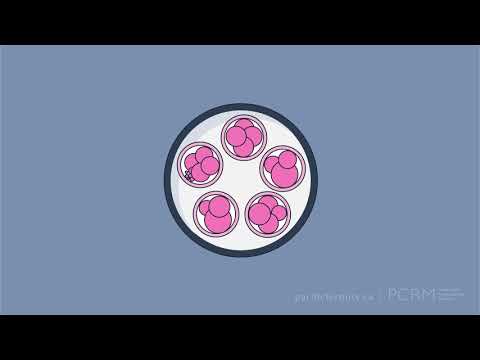
What is Preimplantation Genetic Testing? - PCRM Fertility Clinic
0
Jacqueline posted on 2025/02/15Ever wondered about Preimplantation Genetic Testing (PGT) and how it works with IVF? This video from PCRM Fertility Clinic breaks down complex topics like aneuploidy and embryo selection, giving you a fantastic chance to boost your vocabulary with specialized terms!
Learn this video on the APP!
The VoiceTube App has more in-depth practice for videos!