
alive
US /əˈlaɪv/
UK /ə'laɪv/
- Adjective
- Living; not dead
- Active; energetic; full of life.
A2TOEICMoreamazing
US /ə'meɪzɪŋ/
UK /ə'meɪzɪŋ/
- Adjective
- Surprising in a pleasing way
- Transitive Verb
- To cause wonder; to surprise completely
A2Moreancient
US /ˈenʃənt/
UK /'eɪnʃənt/
- Adjective
- Very old; having lived a very long time ago
- Relating to a period in history, especially in the distant past.
- Noun
- A person who lived in ancient times.
A2Morearound the world
US /əˈraʊnd ði wɜrld/
UK /əˈraund ðə wɜː(r)ld/
- Phrase
- In or to many countries.
- In various places throughout the world.
A2Morearrow
US /ˈæroʊ/
UK /ˈærəʊ/
- Noun
- Symbol used on road signs to show direction
- A long pointed piece of wood shot from a bow
B1Moreas soon as
US /æz sun æz/
UK /æz su:n æz/
- Phrase
- In a short time after (something happens)
- Without any delay; immediately
- Conjunction
- At the moment that, or immediately after.
A1Moreat least
US /æt list/
UK /æt li:st/
- Adverb
- As a minimum
- Not less than
- Phrase
- No less than; at the minimum
- Used to indicate that something is positive in a bad situation.
C2Moreat the same time
US
UK
- Phrase
- Simultaneously; at the identical moment.
- Nevertheless; however; used to introduce a contrasting or qualifying statement.
A1Moreback then
US
UK
- Phrase
- At that time in the past.
A1Morebased on
US
UK
- Phrasal Verb
- To use something as the foundation or starting point for something else.
- Preposition
- Using something as the main idea or foundation.
- Relying on something as evidence or justification.
A1Morebasically
US /ˈbesɪkəli,-kli/
UK /ˈbeɪsɪkli/
- Adverb
- Used before you explain something simply, clearly
- In essence; when you consider the most important aspects of something.
A2Moreblack and white
US /blæk ənd hwaɪt/
UK /blæk ænd hwait/
- Phrase
- Adjective
- Showing images only in black, grey, and white, not in colour.
A1Morebone out
US /boʊn aʊt/
UK /bəʊn aʊt/
- other
- To leave hurriedly or escape from a place.
C2Morebony
US /ˈboni/
UK /'bəʊnɪ/
- Adjective
- With the bones showing; skinny
C1Morechip away
US /tʃɪp əˈwe/
UK /tʃip əˈwei/
- Phrasal Verb
- To gradually make something weaker or smaller.
- To remove small pieces of something by hitting it with a tool.
A2Morecommon ancestor
US
UK
- Noun
- An ancestor that two or more species have in common and from which they both evolved.
B1Moredepending on
US
UK
- Phrasal Verb
- To rely on for support (financial or emotional)
- Influenced or determined by.
- Preposition
- Subject to; contingent on
- Relying on someone or something for support or assistance.
A2Moredig
US /dɪɡ/
UK /dɪg/
- Verb (Transitive/Intransitive)
- To move material to create a hole
- To search or investigate thoroughly.
A2Moredinosaur
US /ˈdaɪnəˌsɔr/
UK /'daɪnəsɔ:(r)/
- Noun
- Reptile that lived millions of years ago
- A person who is outdated or resistant to change.
B2Moreenormous
US /ɪˈnɔrməs/
UK /iˈnɔ:məs/
- Adjective
- Huge; very big; very important
- Very great in size, amount, or degree.
A2Moreexcept that
US /ɪkˈsɛpt ðæt/
UK /ikˈsept ðæt/
- Conjunction
- But; with the exception that.
A2Moreextinction
US /ɪkˈstɪŋkʃən/
UK /ɪkˈstɪŋkʃn/
- Noun (Countable/Uncountable)
- When every example of animal, plant is dead
- The process of something ceasing to exist or be active.
B1Morefeather
US /ˈfɛðɚ/
UK /ˈfeðə(r)/
- Noun (Countable/Uncountable)
- One of the many light soft things on a bird's body
- Intransitive Verb
- To grow feathers
B1Morefeel like
US
UK
- Intransitive Verb
- To have a desire or inclination for something.
- To have a particular quality or sensation; resemble.
A1Morefor example
US
UK
- Phrase
- As an illustration or instance.
fossil
US /ˈfɑsəl/
UK /'fɒsl/
- Noun (Countable/Uncountable)
- Plant or animal that became rock after many years
- A person or thing that is outdated or no longer useful.
- Adjective
- Relating to or resembling a fossil.
- Relating to or denoting energy generated from fossil fuels.
B1Morefossilize
US /ˈfɑ:səlaɪz/
UK /ˈfɒsəlaɪz/
- Verb (Transitive/Intransitive)
- To change into a state from which it won't change
- To become rigid or fixed in a particular pattern, habit, or belief.
B1Morego ahead
US /ɡo əˈhɛd/
UK /ɡəu əˈhed/
- Phrasal Verb
- To start an activity; start doing, working etc.
- To give permission to do something
- Intransitive Verb
- To start or proceed with something
- To proceed despite potential obstacles or doubts.
A1Morego out
US /ɡo aʊt/
UK /ɡəu aut/
- Phrase
- To leave a building (e.g. a house)
- Phrasal Verb
- (Of a fire) to burn out; be extinguished
- Go out of fashion to stop being fashionable
A1Morego to ground
US /goʊ tə graʊnd/
UK /gəu tə graund/
- other
- Hide or disappear to avoid capture or trouble.
C2Moregot to
US /ɡɑt tu/
UK /gɔt tu:/
- Verb (Transitive/Intransitive)
- To arrive at some place
- To have the opportunity or permission to do something
- Phrasal Verb
- To appeal to the emotions of; move
- To finally begin to start something after a delay
A1Morehang on
US /hæŋ ɑn/
UK /hæŋ ɔn/
- Phrasal Verb
- To wait for the person you phoned to answer
- To persevere or persist, especially in a difficult situation.
A2Moreheal
US /hi:l/
UK /hi:l/
- Verb (Transitive/Intransitive)
- To recover from or forget a bad experience
- To make or become healthy or well again
B1Moreherd
US /hɜ:rd/
UK /hɜ:d/
- Noun (Countable/Uncountable)
- Group of the same animal that eat, live together
- Group of people who are easily influenced
- Transitive Verb
- To gather animals together to move them
B2Morehuge
US /hjudʒ/
UK /hju:dʒ/
- Adjective
- Very very large
A2Morein a minute
US
UK
- Phrase
- Very soon; in a short amount of time.
- Within the duration of one minute.
A1Morein charge
US /ɪn tʃɑrdʒ/
UK /in tʃɑ:dʒ/
- Adverb
- To be responsible for
A1Morein color
US
UK
- Phrase
- Displayed or produced using all colors; not black and white.
- Adjective
- Full of vivid colors; bright and vibrant.
A1Morein comparison
US /ɪn kəmˈpærɪsən/
UK /in kəmˈpærisən/
- Adverb
- When compared to something else.
- Phrase
- When compared to something else.
- When considering the differences between two or more things.
A1Morein fact
US /ɪn fækt/
UK /in fækt/
- Adverb
- Used to emphasize the truth of a statement, especially one that contrasts with or contradicts something else.
- Used to introduce a more detailed or surprising piece of information.
- Phrase
- Used to emphasize the truth of a statement, especially one that is surprising or contrary to what might be expected.
C1Morein general
US /ɪn ˈdʒɛnərəl/
UK /in ˈdʒenərəl/
- Phrase
- Typically; usually; on the whole.
- Not specific or detailed; broadly.
- Adjective
- Not detailed or specific; overall.
C2Morein particular
US /ɪn pɚˈtɪkjəlɚ/
UK /in pəˈtikjulə/
- Phrase
- Specifically; especially.
- Detailed or precise.
A1Morein real life
US /ɪn ˈriəl laɪf/
UK /in riəl laif/
- Phrase
- In the physical world; not online or in a fictional setting.
- Actually; genuinely; not made up or fictional.
A2Morein the future
US /ɪn ði ˈfjutʃɚ/
UK /in ðə ˈfju:tʃə/
- Phrase
- At a later time; in times to come.
A1Morein the world
US /ɪn ði wɜrld/
UK /in ðə wɜː(r)ld/
- Phrase
- Used to emphasize a question expressing surprise, confusion, disbelief
- Used to indicate the extent or degree of something, often in a superlative sense
A1Moreintact
US /ɪn'tækt/
UK /ɪn'tækt/
- Adjective
- Being complete, without damaged or missing parts
B1Morekangaroo
US /ˌkæŋɡəˈru/
UK /ˌkæŋgəˈru:/
- Noun (Countable/Uncountable)
- Large Australian animal which hops
B2Morelab
US /læb/
UK /læb/
- Noun (Countable/Uncountable)
- Short for 'laboratory'
B1Morelean
US /lin/
UK /li:n/
- Verb (Transitive/Intransitive)
- To balance against or on something for support
- To have a tendency to do something; favor
- Adjective
- Having a low fat content
- Efficient; well-designed with no waste
A2Morelive through
US /liv θru/
UK /liv θru:/
- Phrasal Verb
- To experience something difficult or painful and survive it.
A2Morelook at
US /lʊk æt/
UK /luk æt/
- Phrasal Verb
- To use your eyes to focus on something
- To focus your eyes on something carefully
A1Morelook for
US /lʊk fɔr/
UK /luk fɔ:/
- Phrasal Verb
- To try to find a thing or person that is lost
- To expect or anticipate something.
A1Moremeteor
US /ˈmitiɚ, -ˌɔr/
UK /ˈmi:tiə(r)/
- Noun
- Rock from space that enters the Earth's atmosphere
B2Moremuscle
US /ˈmʌsəl/
UK /'mʌsl/
- Uncountable Noun
- Physical power
- Power or influence, especially of an economic or political kind.
- Transitive Verb
- To use or muscles of force to get what you want
A2Moreomelet
US /ˈɑməlɪt, ˈɑmlɪt/
UK /'ɒmlɪt/
- Countable Noun
- An egg mixture cooked until just set
B1Moreon average
US /ɑn ˈævərɪdʒ/
UK /ɔn ˈævəridʒ/
- Phrase
- Typically; usually; based on an average calculation.
B1Moreon the back of
US /ɑn ðə bæk əv/
UK /ɒn ðə bæk əv/
- other
- As a result of or following something.
B2Moreon the ground
US
UK
- Phrase
- Located on the surface of the earth.
- Present and available in a particular place, especially to deal with a situation.
on the surface
US /ɑn ði ˈsɚfəs/
UK /ɔn ðə ˈsə:fis/
- Phrase
- Appearing to be true or real until examined more closely.
- Located on the outer part or uppermost layer of something.
B2Moreonward
US /'ɒnwəd/
UK /'ɒnwəd/
- Adverb
- Moving toward a future (often better) time/place
B2Moreoutside of
US /aʊtˈsaɪd ʌv/
UK /ˌautˈsaid ɔv/
- Preposition
- Located or situated beyond the boundaries or confines of something.
- Beyond the scope, range, or limits of something.
A1Moreplanet
US /ˈplænɪt/
UK /'plænɪt/
- Noun (Countable/Uncountable)
- One of the bodies that orbit the sun
- A different world or sphere of existence.
- Proper Noun
- The earth.
A2Morepotentially
US /pəˈtɛnʃəlɪ/
UK /pə'tenʃəlɪ/
- Adverb
- That could happen or become reality
B1Morepredator
US /ˈprɛdətɚ, -ˌtɔr/
UK /'predətə(r)/
- Countable Noun
- An animal that hunts and kills other animals
- Person preying on the weak to gain advantage
B1Morepreserve
US /prɪˈzɜ:rv/
UK /prɪˈzɜ:v/
- Transitive Verb
- To cook food so it can be kept for long periods
- To protect something from harm, loss or damage
- Noun (Countable/Uncountable)
- Sweet fruit spread; jam
- Protected area of land with plants and animals
B1TOEICMoreput together
US /pʊt təˈɡɛðɚ/
UK /put təˈɡeðə/
- Phrasal Verb
- To build or assemble something small, e.g. a toy
- To organize or arrange something.
A1Morepuzzle
US /ˈpʌzəl/
UK /'pʌzl/
- Transitive Verb
- To be a challenge to understand; confuse
- Noun (Countable/Uncountable)
- Something challenging to explain or understand
- Game requiring the player to find an answer
A2TOEICMorerib
US /rɪb/
UK /rɪb/
- Countable Noun
- One of the curved bones protecting the chest/heart
- Verb (Transitive/Intransitive)
- To tease; joke about something with someone
B2Morerule
US /ruːl/
UK /ruːl/
- Noun (Countable/Uncountable)
- Something that is normal and usually happens
- Governmental control or power over a region
- Verb (Transitive/Intransitive)
- To decide legally, especially in court
- To have control or influence
A2TOEICMoresame time
US
UK
- Phrase
- Occurring simultaneously or at the same point in time.
- At the identical time as before; recurring at a fixed hour.
- Noun
- An equal duration or period.
A1Morescan
US /skæn/
UK /skæn/
- Transitive Verb
- To look inside of the body with a special machine
- To look at something very quickly for information
- Noun
- A look inside the body with a special machine
B1TOEICMorescience
US /ˈsaɪəns/
UK /'saɪəns/
- Uncountable Noun
- Study of the physical world, based on facts
A2TOEICMoreshepherd
US /ˈʃɛpəd/
UK /'ʃepəd/
- Proper Noun
- Person's name
- Countable Noun
- Person who looks after sheep as their job
B2Moresight
US /saɪt/
UK /saɪt/
- Transitive Verb
- To aim (a gun) at something to get your range
- To see something rare or unusual
- Noun (Countable/Uncountable)
- Things or people that one can see
- Range or distance that someone can see
A2TOEICMoreskeleton
US /ˈskɛlɪtn/
UK /ˈskelɪtn/
- Noun (Countable/Uncountable)
- Structure of bones that supports the body
- Frame that provides support for e.g. a building
- Adjective
- Outline of the basic of main part of something
B1Moreskull
US /skʌl/
UK /skʌl/
- Noun
- Structure of bones forming the face and head
B2Morespread out
US /sprɛd aʊt/
UK /spred aut/
- Phrasal Verb
- To extend or stretch over a large area.
- To arrange things so that they cover a large area.
B2Moretake for example
US
UK
- Phrase
- To use as an instance or illustration.
A1Morethanks to
US /θæŋks tu/
UK /θæŋks tu:/
- Preposition
- Because of; as a result of.
A1Morethink of
US /θɪŋk ʌv/
UK /θiŋk ɔv/
- Phrasal Verb
- To look on as (being something specific); consider
- To consider or remember something.
- Verb (Transitive/Intransitive)
- To imagine or call something to mind
A1Moreto let
US /tu lɛt/
UK /tu let/
- Preposition
- Indicates that a property is available for rent.
A2Moreto the bone
US /tu ði bon/
UK /tu: ðə bəun/
- Phrase
- Thoroughly; completely; to the innermost part.
- Extremely; utterly; to a great degree.
truth
US /truθ/
UK /tru:θ/
- Uncountable Noun
- Real facts about something
A2Moreupright
US /ˈʌpˌraɪt/
UK /ˈʌpraɪt/
- Adjective
- Having good moral standards; of good character
- Positioned to be straight up; vertical
- Adverb
- Straight up; not leaning or falling over
B1More
Vocabulary
- look at: To use your eyes to focus on something
- at the same time: Simultaneously; at the identical moment.
- same time: Occurring simultaneously or at the same point in time.
- based on: To use something as the foundation or starting point for something else.
- got to: To arrive at some place
- around the world: In or to many countries.
- think of: To look on as (being something specific); consider
- in fact: Used to emphasize the truth of a statement, especially one that contrasts with or contradicts something else.
- black and white
- at least: As a minimum
- go out: To leave a building (e.g. a house)
- on average: Typically; usually; based on an average calculation.
- in charge: To be responsible for
- in the world: Used to emphasize a question expressing surprise, confusion, disbelief
- go ahead: To start an activity; start doing, working etc.
- on the back of: As a result of or following something.
- put together: To build or assemble something small, e.g. a toy
- in real life: In the physical world; not online or in a fictional setting.
- in a minute: Very soon; in a short amount of time.
- in comparison: When compared to something else.
- spread out: To extend or stretch over a large area.
- to let: Indicates that a property is available for rent.
- look for: To try to find a thing or person that is lost
- go to ground: Hide or disappear to avoid capture or trouble.
- thanks to: Because of; as a result of.
- as soon as: In a short time after (something happens)
- to the bone: Thoroughly; completely; to the innermost part.
- take for example: To use as an instance or illustration.
- for example: As an illustration or instance.
- on the ground: Located on the surface of the earth.
- outside of: Located or situated beyond the boundaries or confines of something.
- chip away: To gradually make something weaker or smaller.
- bone out: To leave hurriedly or escape from a place.
- common ancestor: An ancestor that two or more species have in common and from which they both evolved.
- depending on: To rely on for support (financial or emotional)
- back then: At that time in the past.
- hang on: To wait for the person you phoned to answer
- feel like: To have a desire or inclination for something.
- in particular: Specifically; especially.
- in general: Typically; usually; on the whole.
- in color: Displayed or produced using all colors; not black and white.
- except that: But; with the exception that.
- on the surface: Appearing to be true or real until examined more closely.
- live through: To experience something difficult or painful and survive it.
- in the future: At a later time; in times to come.
- enormous: Huge; very big; very important
- basically: Used before you explain something simply, clearly
- realize: To become aware of or understand mentally
- ancient: Very old; having lived a very long time ago
- potentially: That could happen or become reality
- treat: To pay for the food or enjoyment of someone else
- imagine: To think creatively about; form mental picture of
- lean: To balance against or on something for support
- predator: An animal that hunts and kills other animals
- intact: Being complete, without damaged or missing parts
- preserve: To cook food so it can be kept for long periods
- huge: Very very large
- compare: To consider how similar and different things are
- planet: One of the bodies that orbit the sun
- pretty: Being attractive to the eye in a simple way
- reason: To think and make conclusions in a logical manner
- rest: Time when one relaxes, sleeps, or is inactive
- ground: To break (coffee, etc.) into tiny bits with machine
- extinction: When every example of animal, plant is dead
- heal: To recover from or forget a bad experience
- skull: Structure of bones forming the face and head
- fossil: Plant or animal that became rock after many years
- lot: What happens to a person in life from chance; fate
- puzzle: To be a challenge to understand; confuse
- science: Study of the physical world, based on facts
- sight: To aim (a gun) at something to get your range
- kind: In a caring and helpful manner
- hit: To have a negative impact on a person/place/thing
- fact: Something that is known or proved to be true
- skeleton: Structure of bones that supports the body
- modern: Of the present time; up to date; contemporary
- amazing: Surprising in a pleasing way
- upright: Having good moral standards; of good character
- dig: To move material to create a hole
- alive: Living; not dead
- great: Very good; better than before
- change: To exchange one set of clothes for another
- rule: Something that is normal and usually happens
- herd: Group of the same animal that eat, live together
- truth: Real facts about something
- scan: To look inside of the body with a special machine
- muscle: Physical power
- arrow: Symbol used on road signs to show direction
- feather: One of the many light soft things on a bird's body
- shepherd: Person's name
- rib: One of the curved bones protecting the chest/heart
- lab: Short for 'laboratory'
- dinosaur: Reptile that lived millions of years ago
- meteor: Rock from space that enters the Earth's atmosphere
- onward: Moving toward a future (often better) time/place
- omelet: An egg mixture cooked until just set
- kangaroo: Large Australian animal which hops
- bony: With the bones showing; skinny
- fossilize: To change into a state from which it won't change
Get the full experience in the app
Learn anywhere with detailed sentence and usage analysis
01:03
She took a brave step forward, leaving behind her comfort zone to chase her dreams.
Vocabulary
- brave
adj. Having courage
- comfort zone
phr. A familiar situation where one feels safe
Explanation
a brave step is a noun phrase, where brave is an adjective modifying the noun step, meaning "a courageous step".
forward is an adverb modifying step, meaning "ahead".
The whole phrase serves as the object, answering the "what" of took (verb) — she took a brave step forward.
Get the full experience in the app
Look up words anytime with pronunciation, part of speech, and usage
brave
US/brev/
UK/breɪv/
adj.Brave
v.t.To bravely face
A2 Elementary
Get the full experience in the app
Practice speaking anytime and get instant pronunciation feedback
Try this speaking exercise.
Try practicing with this sentence.
80
0
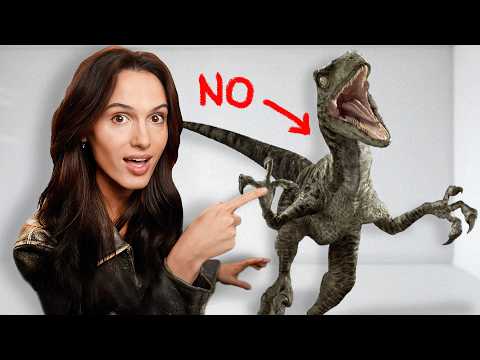
ft388738 posted on 2025/02/11Think you know dinosaurs? Think again! This video dives into the latest discoveries that are changing everything we thought we knew about these amazing creatures, from their true size and appearance to how they lived. You'll get a behind-the-scenes look at active dig sites and learn fascinating vocabulary about paleontology along the way!
Learn this video on the APP!
The VoiceTube App has more in-depth practice for videos!