
algorithm
US /ˈælɡəˌrɪðəm/
UK /'ælɡərɪðəm/
- Noun
- A step-by-step problem-solving feature
B2Moreamplify
US /ˈæmpləˌfaɪ/
UK /'æmplɪfaɪ/
- Transitive Verb
- To increase the effect of something
- To add more details to a story or something said
B2Moreanime
US /ˈænəˌme/
UK /ˈænɪmeɪ/
- Noun
- A form of Japanese animation
C2Moreapproach
US /əˈprəʊtʃ/
UK /ə'prəʊtʃ/
- Verb (Transitive/Intransitive)
- To get close to reaching something or somewhere
- To request someone to do something specific
- Noun (Countable/Uncountable)
- Means of reaching a place, often a road or path
- Request of someone with a specific goal in mind
A2TOEICMoreas opposed to
US
UK
- Preposition
- In contrast to; rather than.
- Instead of; in place of.
A1Morebias
US /ˈbaɪəs/
UK /'baɪəs/
- Noun (Countable/Uncountable)
- Preference to believe things even if incorrect
- A systematic error in a statistical result
- Transitive Verb
- To unfairly favor one view over another
- To cause someone to have prejudice
B1TOEICMoreceo
US
UK
- Abbreviation
- CEO for Chief Operating Officer
C2Morecontent
US /ˈkɑnˌtɛnt/
UK /'kɒntent/
- Adjective
- Being happy or satisfied
- In a state of peaceful happiness.
- Noun (Countable/Uncountable)
- Information in something, e.g. book or computer
- The subject matter of a book, speech, etc.
A2Morecritical
US /ˈkrɪtɪkəl/
UK /ˈkrɪtɪkl/
- Adjective
- Making a negative judgment of something
- Being important or serious; vital; dangerous
A2Morecrucial
US /ˈkruʃəl/
UK /'kru:ʃl/
- Adjective
- Extremely important or necessary
- Of great importance to the success of something.
B1Morecurrent
US /ˈkɚrənt, ˈkʌr-/
UK /'kʌrənt/
- Uncountable Noun
- Electricity flowing through wires
- Movement of water in a river, or air in the sky
- Adjective
- Happening or being in the present time
- In general use or accepted by most people.
A2Moredatum
US /ˈdetəm, ˈdætəm, ˈdɑtəm/
UK /ˈdeɪtəm/
- Noun
- Item of factual information
B1Moredefault
US /dɪˈfɔlt/
UK /dɪ'fɔ:lt/
- Noun (Countable/Uncountable)
- Automatic setting when no indicated preference
- Failure to meet an agreement or make a payment
- Verb (Transitive/Intransitive)
- To fail to meet as agreed; failure to pay
- To return to a previously determined state
B2TOEICMoredescription
US /dɪˈskrɪpʃən/
UK /dɪˈskrɪpʃn/
- Noun
- Explanation of what something is like, looks like
- The type or nature of someone or something.
A2TOEICMorediverse
US /dɪˈvɚs, daɪ-, ˈdaɪˌvɚs/
UK /daɪˈvɜ:s/
- Adjective
- Being varied or different from each other
- Very different from each other
B1TOEICMorediversity
US /dɪˈvə:sɪti, daɪ-/
UK /daɪ'vɜ:sətɪ/
- Noun (Countable/Uncountable)
- Having a range of different races, ideas etc.
- A range of different things.
B1TOEICMoreeffort
US /ˈɛfət/
UK /ˈefət/
- Uncountable Noun
- Amount of work used trying to do something
- A conscious exertion of power; a try.
A2TOEICMoreequitable
US /ˈɛkwɪtəbəl/
UK /ˈekwɪtəbl/
- Adjective
- Fair for all people involved
B2Moreethnicity
US /ɛθˈnɪsɪti/
UK /eθˈnɪsəti/
- Uncountable Noun
- Ethnic group; shared origins or culture
- The ethnic origin or background of a person or group of people.
B1Moregear
US /ɡɪr/
UK /ɡɪə(r)/
- Verb (Transitive/Intransitive)
- To aim at or prepare yourself for something
- Noun (Countable/Uncountable)
- A speed selector connected to an engine
- Special clothes you use for a purpose
B1Moregeneralize
US /ˈdʒɛnərəˌlaɪz/
UK /'dʒenrəlaɪz/
- Verb (Transitive/Intransitive)
- To apply a particular idea to a large group
B2Moregenerative
US /ˈdʒɛnərətɪv, -əˌre-/
UK /ˈdʒenərətɪv/
- Adjective
- Having the ability to produce or originate
B1Morehone
US /hoʊn/
UK /həʊn/
- Transitive Verb
- To improve or perfect (abilities or skills)
- To sharpen (a blade).
C1TOEICMoreinclusive
US /ɪnˈklusɪv/
UK /ɪnˈklu:sɪv/
- Adjective
- Covering or including everything
B2TOEICMoreincredibly
US /ɪnˈkrɛdəblɪ/
UK /ɪnˈkredəbli/
- Adverb
- To a great degree; very; amazingly
- Extremely; so much so it is hard to believe
A2Moreindexing
US /'ɪndeksɪŋ/
UK /'ɪndeksɪŋ/
- Transitive Verb
- To adjust a value/wages as other things change
- To make a list of things in alphabetical order
B1Morelack
US /læk/
UK /læk/
- Verb (Transitive/Intransitive)
- To not have, or not have enough, of something
- Uncountable Noun
- The state of not having or not having enough of
A2TOEICMorelead to
US /lid tu/
UK /li:d tu:/
- Phrasal Verb
- To result in some action
- Verb (Transitive/Intransitive)
- To have something as a consequence or result.
A1Morenavigate
US /ˈnævɪˌɡet/
UK /'nævɪɡeɪt/
- Verb (Transitive/Intransitive)
- To direct (car, plane etc.) in the right direction
- To deal successfully with something complex
B2Moreoptimistic
US /ˌɑːptɪˈmɪstɪk/
UK /ˌɒptɪˈmɪstɪk/
- Adjective
- Tending to believe the future will be good
- Confident and hopeful about future outcomes.
B2Moreperceive
US /pɚˈsiv/
UK /pə'si:v/
- Transitive Verb
- To notice or become aware of something
- To think of someone or something in a certain way
B1TOEICMorerepetition
US /ˌrɛpɪˈtɪʃən/
UK /ˌrepəˈtɪʃn/
- Noun (Countable/Uncountable)
- When something occurs again
- Saying something again
A2TOEICMorerepresent
US /ˌrɛprɪˈzɛnt/
UK /ˌreprɪ'zent/
- Transitive Verb
- To depict art objects, figures, scenes; to portray
- To show or describe something in a particular way
A2TOEICMoreresearch
US /rɪˈsɚtʃ, ˈriˌsɚtʃ/
UK /rɪ'sɜ:tʃ/
- Verb (Transitive/Intransitive)
- To study in order to discover new ideas and facts
- To study the market relating to marketing products and services.
- Noun (Countable/Uncountable)
- Study done to discover new ideas and facts
- A particular area or topic of study.
A2TOEICMorerunway
US /ˈrʌnˌwe/
UK /ˈrʌnweɪ/
- Noun
- Long road where planes take off and land
- Narrow raised stage extending into the audience
B1Moreshow up
US /ʃo ʌp/
UK /ʃəu ʌp/
- Phrasal Verb
- To arrive or be seen at a place, e.g. a party
- To be noticeably better than (someone else)
A1Moresignificantly
US /sɪɡˈnɪfəkəntlɪ/
UK /sɪgˈnɪfɪkəntli/
- Adverb
- In a way that is important or noticeable
- In a way that is meaningful
A2Morespecific
US /spɪˈsɪfɪk/
UK /spəˈsɪfɪk/
- Adjective
- Precise; particular; just about that thing
- Concerning one particular thing or kind of thing
A2Morestereotypical
US
UK
- Adjective
- In an inaccurate and simplistic manner
B2Moresubset
US /ˈsʌbˌsɛt/
UK /ˈsʌbset/
- Noun
- A small set which is part of a larger set
B1Moresynthetic
US /sɪnˈθɛtɪk/
UK /sɪnˈθetɪk/
- Adjective
- Not natural; made from artificial materials
B2Moretend
US /tɛnd/
UK /tend/
- Intransitive Verb
- To move or act in a certain manner
- Transitive Verb
- To take care of
A2Moretendency
US /ˈtɛndənsi/
UK /'tendənsɪ/
- Noun
- Likelihood to behave in a particular way
A2Moreto do with
US
UK
- Phrasal Verb
- To be about something; concern
A1Moreunconscious
US /ʌnˈkɑnʃəs/
UK /ʌnˈkɒnʃəs/
- Adjective
- Not aware of what is going on around you
- Not being deliberate or on purpose
- Uncountable Noun
- The part of the mind that contains thoughts and feelings that one is not aware of.
B1Moreuncover
US /ʌnˈkʌvɚ/
UK /ʌn'kʌvə(r)/
- Transitive Verb
- To remove what is on top to show something
- (Journalist) to discover some news to be reported
B1More
Vocabulary
- lead to: To result in some action
- show up: To arrive or be seen at a place, e.g. a party
- as opposed to: In contrast to; rather than.
- to do with: To be about something; concern
- specific: Precise; particular; just about that thing
- crucial: Extremely important or necessary
- perceive: To notice or become aware of something
- incredibly: To a great degree; very; amazingly
- approach: To get close to reaching something or somewhere
- content: Being happy or satisfied
- critical: Making a negative judgment of something
- effort: Amount of work used trying to do something
- description: Explanation of what something is like, looks like
- repetition: When something occurs again
- tend: To move or act in a certain manner
- effective: Working efficiently to produce a desired result
- bias: Preference to believe things even if incorrect
- navigate: To direct (car, plane etc.) in the right direction
- unconscious: Not aware of what is going on around you
- represent: To depict art objects, figures, scenes; to portray
- current: Electricity flowing through wires
- default: Automatic setting when no indicated preference
- research: To study in order to discover new ideas and facts
- significantly: In a way that is important or noticeable
- diverse: Being varied or different from each other
- tendency: Likelihood to behave in a particular way
- lack: To not have, or not have enough, of something
- exist: To be present, alive or real
- algorithm: A step-by-step problem-solving feature
- gear: To aim at or prepare yourself for something
- state: Region within a country, with its own government
- diversity: Having a range of different races, ideas etc.
- synthetic: Not natural; made from artificial materials
- form: Sports team or person's current winning record
- optimistic: Tending to believe the future will be good
- create: To make, cause, or bring into existence
- throw: To use your arm to make something fly in the air
- fair: Neither very good nor very bad; average
- lead: Wire for electricity, computer, etc.; cable
- hone: To improve or perfect (abilities or skills)
- produce: Fresh foods such as fruits and vegetables
- social: Involving activity with people, e.g. in free time
- text: To send a message by phone or other device
- notice: To become aware by sight, touch, or hearing
- ethnicity: Ethnic group; shared origins or culture
- amplify: To increase the effect of something
- staff: Employees of a company
- income: Earned money from work, investments or business
- understand: To know the meaning of language, what someone says
- anime: A form of Japanese animation
- stereotypical: In an inaccurate and simplistic manner
- datum: Item of factual information
- inclusive: Covering or including everything
- uncover: To remove what is on top to show something
- runway: Long road where planes take off and land
- equitable: Fair for all people involved
- subset: A small set which is part of a larger set
- generalize: To apply a particular idea to a large group
- generative: Having the ability to produce or originate
- ceo: CEO for Chief Operating Officer
- indexing: To adjust a value/wages as other things change
Get the full experience in the app
Learn anywhere with detailed sentence and usage analysis
01:03
She took a brave step forward, leaving behind her comfort zone to chase her dreams.
Vocabulary
- brave
adj. Having courage
- comfort zone
phr. A familiar situation where one feels safe
Explanation
a brave step is a noun phrase, where brave is an adjective modifying the noun step, meaning "a courageous step".
forward is an adverb modifying step, meaning "ahead".
The whole phrase serves as the object, answering the "what" of took (verb) — she took a brave step forward.
Get the full experience in the app
Look up words anytime with pronunciation, part of speech, and usage
brave
US/brev/
UK/breɪv/
adj.Brave
v.t.To bravely face
A2 Elementary
Get the full experience in the app
Practice speaking anytime and get instant pronunciation feedback
Try this speaking exercise.
Try practicing with this sentence.
80
0
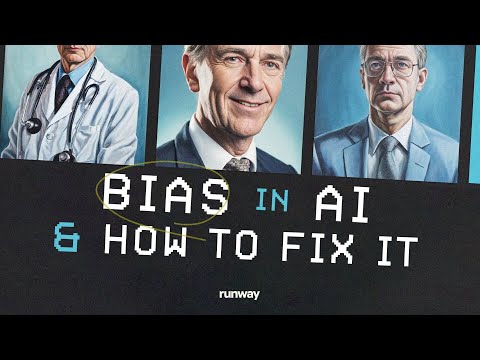
冨田倖生 posted on 2025/02/09Ever wondered how AI can sometimes show bias? This video dives into generative image models and explains 'diversity fine-tuning' to create more inclusive representations. You'll pick up advanced vocabulary related to AI and learn how synthetic datasets can help fix these issues!
Learn this video on the APP!
The VoiceTube App has more in-depth practice for videos!