
anti
US /ˈæntaɪ, -ti/
UK /'æntɪ/
- Adjective
- A prefix meaning 'against' or 'opposed'
B2Moreatheist
US /ˈeθiɪst/
UK /ˈeɪθiɪst/
- Noun
- Person who does not believe in a god or gods
B2Moreban
US /bæn/
UK /bæn/
- Transitive Verb
- To make something illegal or not allowed
- To prohibit someone from participating in a particular online community or game.
- Noun (Countable/Uncountable)
- Official action preventing something happening
- A prohibition from participating in a particular online community or game.
B1Morebigotry
US /ˈbɪɡətri/
UK /ˈbɪgətri/
- Uncountable Noun
- Intolerant and prejudiced acts
C2Morecome from
US /kʌm frʌm/
UK /kʌm frɔm/
- Phrasal Verb
- To have as your native country or city
A1Morecontribute
US /kənˈtrɪbjut/
UK /kən'trɪbju:t/
- Verb (Transitive/Intransitive)
- To be a factor in causing something to happen
- To donate, give (money) or help to something
A2Morecontroversial
US /ˌkɑntrəˈvɚʃəl, -siəl/
UK /ˌkɔntrəˈvə:ʃəl/
- Adjective
- Causing a great deal of argument, or conflict
B1Moredecline
US /dɪˈklaɪn/
UK /dɪ'klaɪn/
- Intransitive Verb
- To bend towards the ground
- To slope downward.
- Verb (Transitive/Intransitive)
- To lessen in quality or value
A2TOEICMorediagnose
US /ˌdaɪəgˈnoʊs/
UK /ˈdaɪəgnəʊz/
- Transitive Verb
- To determine the cause of an illness or problem
B1Moredyslexic
US /dɪs'leksɪk/
UK /dɪs'leksɪk/
- Adjective
- Concerning poor spelling or reading ability
C1Moreextraordinary
US /ɪkˈstrɔ:rdəneri/
UK /ɪkˈstrɔ:dnri/
- Adjective
- Beyond what is ordinary; very unusual; remarkable
- Additional to or different from what is usual or regular.
B1TOEICMorefacet
US /ˈfæsɪt/
UK /'fæsɪt/
- Noun (Countable/Uncountable)
- A part of something; aspect
- Flat surface on an object with many flat surfaces
B2Morefaith
US /feθ/
UK /feɪθ/
- Uncountable Noun
- Belief in a god or gods; religion
- Belief that that something is true without proof
- Proper Noun
- Person's name
A2TOEICMorefiction
US /ˈfɪkʃən/
UK /ˈfɪkʃn/
- Uncountable Noun
- Made-up stories; imagined events
- False statement or account about something
B1Morefigure out
US /ˈfɪɡjɚ aʊt/
UK /ˈfiɡə aut/
- Phrasal Verb
- To understand the behavior of someone
- To think through logically to find a solution
- Verb (Transitive/Intransitive)
- To understand or find an answer to something.
- To find a solution to a problem or understand something.
A1Moregospel
US /ˈgɑ:spl/
UK /ˈgɒspl/
- Noun
- Book of the New Testament in Christian teaching
B1Moregrow up
US /ɡro ʌp/
UK /ɡrəu ʌp/
- Phrasal Verb
- To develop from a child into an adult
A1Morehave to
US /hæv tu/
UK /ˈhæv tə/
- Auxiliary Verb
- Must do
A1Moreignorance
US /ˈɪɡnərəns/
UK /ˈɪgnərəns/
- Uncountable Noun
- Lack of information or knowledge about something
- Deliberate avoidance of knowledge or information.
B1TOEICMoreilliteracy
US /ɪˈlɪtərəsi/
UK /ɪ'lɪtərəsɪ/
- Uncountable Noun
- An inability to read
B1Morein the world
US /ɪn ði wɜrld/
UK /in ðə wɜː(r)ld/
- Phrase
- Used to emphasize a question expressing surprise, confusion, disbelief
- Used to indicate the extent or degree of something, often in a superlative sense
A1Moreindividual
US /ˌɪndəˈvɪdʒuəl/
UK /ˌɪndɪˈvɪdʒuəl/
- Countable Noun
- Single person, looked at separately from others
- A single thing or item, especially when part of a set or group.
- Adjective
- Made for use by one single person
- Having a distinct manner different from others
A2Moreinvestigate
US /ɪnˈvɛstɪˌɡet/
UK /ɪn'vestɪɡeɪt/
- Verb (Transitive/Intransitive)
- To try to find out facts; to carry out research
A2Morejust kind of
US
UK
- Phrase
- Used to express a feeling or state in a vague or hesitant way.
- Used to indicate something is approximately or generally similar to something else.
A2Moreknow about
US /noʊ əˈbaʊt/
UK /nəʊ əˈbaut/
- Phrasal Verb
- To have information or understanding of a subject or situation.
literacy
US /ˈlɪtərəsi/
UK /ˈlɪtərəsi/
- Uncountable Noun
- Fact of having knowledge of a particular subject
- State of being able to read and write
B1Morelook at
US /lʊk æt/
UK /luk æt/
- Phrasal Verb
- To use your eyes to focus on something
- To focus your eyes on something carefully
A1Moremoral
US /ˈmɔrəl, ˈmɑr-/
UK /ˈmɒrəl/
- Adjective
- In a way considered proper and good by most people
- Uncountable Noun
- In a way considered proper and good by most people
A2TOEICMoreout there
US /aʊt ðɛr/
UK /aut ðɛə/
- Adverb
- In or to a place that is far away
- Existing in the universe
- Adjective
- Unconventional; strange; avant-garde
- Existing or available.
A1Moreovercome
US /ˌovɚˈkʌm/
UK /ˌəʊvə'kʌm/
- Transitive Verb
- To succeed in a struggle against; defeat
- Participle
- Past participle of overcome; to have successfully dealt with or controlled a problem or feeling.
A2TOEICMorepersonally
US /ˈpəsənəli/
UK /ˈpɜ:sənəli/
- Adverb
- By a specific person, and not by anyone else
- Knowing someone as a friend, or closely
A2Morephilosophy
US /fɪˈlɑsəfi/
UK /fə'lɒsəfɪ/
- Uncountable Noun
- Study of ideas about the basic nature of life
- Attitude to life that a person has
C1Morepractical
US /ˈpræktɪkəl/
UK /ˈpræktɪkl/
- Adjective
- Relating to what is sensible, real or useful
- Relating to experience, action, or practice; not theoretical or ideal.
- Noun
- A practical exam or lesson.
- A person concerned chiefly with the practice of something; a person with practical skills.
A2TOEICMoreprison
US /ˈprɪzən/
UK /'prɪzn/
- Noun (Countable/Uncountable)
- Place the court puts criminals as punishment; jail
- A state of confinement or captivity.
A2Morepsych
US /saɪk/
UK /saɪk/
- Transitive Verb
- (Of an upcoming event) to cause excitement in
C2Morepsychiatric
US
UK
- Adjective
- Concerning the treatment of the mind
B2Morepsychiatry
US /sɪˈkaɪətri, saɪ-/
UK /saɪˈkaɪətri/
- Uncountable Noun
- Study and treatment of mental illness
B2Moreracism
US /ˈreˌsɪzəm/
UK /ˈreɪsɪzəm/
- Noun (Countable/Uncountable)
- Belief that people of other races are bad/inferior
- Prejudice, discrimination, or antagonism directed against a person or people on the basis of their membership in a particular racial or ethnic group, typically one that is a minority or marginalized.
B2Moreraid
US /red/
UK /reɪd/
- Noun
- Sudden entry by police; surprise attack by army
- A sudden aggressive incursion.
- Transitive Verb
- (Army) to suddenly enter or attack a place
- To suddenly enter or attack, e.g. to steal or harm
B1Morerecognize
US /ˈrek.əɡ.naɪz/
UK /ˈrek.əɡ.naɪz/
- Transitive Verb
- To accept the truth or reality of something
- To consider something as important or special
A2TOEICMorereduction
US /rɪˈdʌkʃən/
UK /rɪ'dʌkʃn/
- Noun
- Act of making something smaller
B1Morerehabilitation
US /ˌrihəˌbɪləˈteʃən/
UK /ˌri:əˌbɪlɪ'teɪʃn/
- Uncountable Noun
- Helping criminals, etc. to return to normal life
- The act of restoring something to its original state.
B2Morereligion
US /rɪˈlɪdʒən/
UK /rɪˈlɪdʒən/
- Countable Noun
- Organized set of beliefs about a god or gods
- Noun (Countable/Uncountable)
- Belief in God or gods that governs people's lives
- A person's particular system of beliefs and worship.
A2Morereligious
US /rɪˈlɪdʒəs/
UK /rɪˈlɪdʒəs/
- Adjective
- Following the rules and beliefs of a faith
- Relating to or manifesting faithful devotion to an acknowledged ultimate reality or deity.
B1Moresecular
US /ˈsɛkjəlɚ/
UK /ˈsekjələ(r)/
- Adjective
- Not connected or controlled by religious beliefs
B2TOEICMoresociety
US /səˈsaɪɪti/
UK /sə'saɪətɪ/
- Noun (Countable/Uncountable)
- A group who meet to share values or interests
- Group of people living together
A2TOEICMorestem
US /stɛm/
UK /stem/
- Noun (Countable/Uncountable)
- Long thin central part of a plant, bearing leaves
- Long thin part supporting something e.g. a light
- Transitive Verb
- To remove the stem of a flower or fruit
- To stop something bad from spreading or developing
B1TOEICMoretherapy
US /ˈθɛrəpi/
UK /'θerəpɪ/
- Noun (Countable/Uncountable)
- Treatment to help cure an illness
- Psychological counseling to help resolve personal or emotional problems.
B2Moretough
US /tʌf/
UK /tʌf/
- Adjective
- (Of food) difficult to chew or bite through
- Very difficult to do or deal with
- Noun
- A rough and aggressive person.
A2Moretrade
US /treid/
UK /treɪd/
- Noun (Countable/Uncountable)
- A specific industry, e.g. shoe making
- Action of buying and selling things in business
- Transitive Verb
- To buy, sell and exchange goods in business
- To give something in return for something else
A2TOEICMorevicious
US /ˈvɪʃəs/
UK /'vɪʃəs/
- Adjective
- Very dangerous, e.g. an animal or dog
- Being very mean or violent
B1Morevolunteer
US /ˌvɑlənˈtɪr/
UK /ˌvɒlən'tɪə(r)/
- Adjective
- Working willingly without pay to help others
- Countable Noun
- Person who helps others without being paid
- A person who enters military service voluntarily.
B2TOEICMorewith it
US /wɪð ɪt/
UK /wið it/
- Adjective
- Intelligent, alert, and up-to-date.
- Understanding and knowledgeable about current trends or information.
A1More
Vocabulary
- look at: To use your eyes to focus on something
- out there: In or to a place that is far away
- in the world: Used to emphasize a question expressing surprise, confusion, disbelief
- come from: To have as your native country or city
- with it: Intelligent, alert, and up-to-date.
- grow up: To develop from a child into an adult
- figure out: To understand the behavior of someone
- just kind of: Used to express a feeling or state in a vague or hesitant way.
- have to: Must do
- know about: To have information or understanding of a subject or situation.
- extraordinary: Beyond what is ordinary; very unusual; remarkable
- individual: Single person, looked at separately from others
- recognize: To accept the truth or reality of something
- tough: (Of food) difficult to chew or bite through
- figure: To appear in a game, play or event
- controversial: Causing a great deal of argument, or conflict
- matter: To be of great importance; to count
- improve: To make, or become, something better
- practical: Relating to what is sensible, real or useful
- therapy: Treatment to help cure an illness
- develop: To explain something in steps and in detail
- philosophy: Study of ideas about the basic nature of life
- decline: To bend towards the ground
- contribute: To be a factor in causing something to happen
- overcome: To succeed in a struggle against; defeat
- draw: To attract attention to someone or something
- society: A group who meet to share values or interests
- moral: In a way considered proper and good by most people
- faith: Belief in a god or gods; religion
- religion: Organized set of beliefs about a god or gods
- apply: To spread a substance or liquid over a surface
- stem: Long thin central part of a plant, bearing leaves
- religious: Following the rules and beliefs of a faith
- fiction: Made-up stories; imagined events
- literacy: Fact of having knowledge of a particular subject
- vicious: Very dangerous, e.g. an animal or dog
- trade: A specific industry, e.g. shoe making
- prison: Place the court puts criminals as punishment; jail
- investigate: To try to find out facts; to carry out research
- racism: Belief that people of other races are bad/inferior
- personally: By a specific person, and not by anyone else
- reduction: Act of making something smaller
- diagnose: To determine the cause of an illness or problem
- rehabilitation: Helping criminals, etc. to return to normal life
- secular: Not connected or controlled by religious beliefs
- learn: To get knowledge or skills by study or experience
- psychiatric: Concerning the treatment of the mind
- volunteer: Working willingly without pay to help others
- raid: Sudden entry by police; surprise attack by army
- ban: To make something illegal or not allowed
- drive: A person's ambition and motivation to do something
- great: Very good; better than before
- business: A company formed for making profit
- ignorance: Lack of information or knowledge about something
- world: All the humans, events, activities on the earth
- wide: Having a great distance from one side to the other
- choice: Decision between two or more possibilities
- bigotry: Intolerant and prejudiced acts
- life: All the living things e.g. animals, plants, humans
- know: To be familiar with a person or place, thing
- anti: A prefix meaning 'against' or 'opposed'
- gospel: Book of the New Testament in Christian teaching
- atheist: Person who does not believe in a god or gods
- psych: (Of an upcoming event) to cause excitement in
- facet: A part of something; aspect
- illiteracy: An inability to read
- psychiatry: Study and treatment of mental illness
- dyslexic: Concerning poor spelling or reading ability
Get the full experience in the app
Learn anywhere with detailed sentence and usage analysis
01:03
She took a brave step forward, leaving behind her comfort zone to chase her dreams.
Vocabulary
- brave
adj. Having courage
- comfort zone
phr. A familiar situation where one feels safe
Explanation
a brave step is a noun phrase, where brave is an adjective modifying the noun step, meaning "a courageous step".
forward is an adverb modifying step, meaning "ahead".
The whole phrase serves as the object, answering the "what" of took (verb) — she took a brave step forward.
Get the full experience in the app
Look up words anytime with pronunciation, part of speech, and usage
brave
US/brev/
UK/breɪv/
adj.Brave
v.t.To bravely face
A2 Elementary
Get the full experience in the app
Practice speaking anytime and get instant pronunciation feedback
Try this speaking exercise.
Try practicing with this sentence.
80
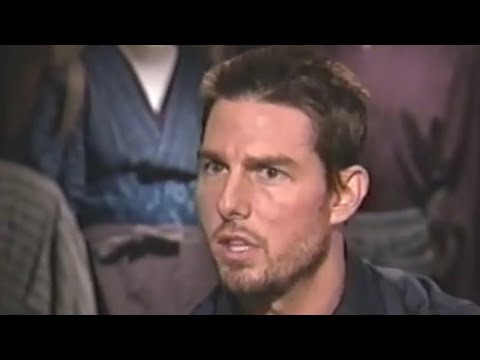
Tom Cruise talks Psychiatry and Scientology on Larry King. #faith
0
周姵均 posted on 2025/02/07Ever wondered about Scientology and its connection to celebrities like Tom Cruise? This fascinating interview dives into psychiatry, L. Ron Hubbard's teachings, and programs like Narconon, offering a unique cultural insight. You'll also pick up some advanced vocabulary and practice understanding situational dialogue!
Learn this video on the APP!
The VoiceTube App has more in-depth practice for videos!