
along with
US /əˈlɔŋ wɪð/
UK /əˈlɔŋ wið/
- Preposition
- In addition to; together with.
- Adverb
- In company or together with someone or something.
- Including; in addition to.
A2Moreanswer to
US
UK
- Phrasal Verb
- To be responsible to someone and have to explain your actions to them.
- To correspond to or match a description or requirement.
A1Moreat home
US /æt hom/
UK /æt həum/
- Phrase
- In one's own residence or country.
- Adjective
- Feeling comfortable and relaxed.
bizarre
US /bɪˈzɑr/
UK /bɪˈzɑ:(r)/
- Adjective
- Odd or strange
B2Morebreathe
US /brið/
UK /bri:ð/
- Verb (Transitive/Intransitive)
- To move air into and out of your lungs
- To say something very softly
A2Morebreathe in
US /brið ɪn/
UK /bri:ð in/
- Phrasal Verb
- To inhale; to take air into the lungs.
B1Morecome back
US /kʌm bæk/
UK /kʌm bæk/
- Phrasal Verb
- To reply to someone, often forcefully
- To be remembered
A1Moredetect
US /dɪˈtɛkt/
UK /dɪˈtekt/
- Transitive Verb
- To discover or identify the presence of something
A2TOEICMoredistinctive
US /dɪˈstɪŋktɪv/
UK /dɪˈstɪŋktɪv/
- Adjective
- Having a quality that is different from others
- Having a quality or characteristic that makes a person or thing different from others; easily distinguishable.
A2TOEICMoreemotion
US /ɪˈmoʃən/
UK /iˈməuʃən/
- Noun (Countable/Uncountable)
- A feeling such as sadness, anger or love
- A mental state that arises spontaneously rather than through conscious effort
A2Moreentangle
US /ɛnˈtæŋɡəl/
UK /ɪnˈtæŋgl/
- Verb (Transitive/Intransitive)
- To involve in troubles that are hard to escape
- (Of rope, string) to be tied in a way hard to undo
B2TOEICMorefeel like
US
UK
- Intransitive Verb
- To have a desire or inclination for something.
- To have a particular quality or sensation; resemble.
A1Morefilter
US /ˈfɪltɚ/
UK /'fɪltə(r)/
- Noun (Countable/Uncountable)
- Device to remove certain types of light, sound
- Device to remove unwanted things from liquid, gas
- Transitive Verb
- To remove certain types of light, sound
- To remove unwanted substances from a liquid or gas
B1Morefor example
US
UK
- Phrase
- As an illustration or instance.
forget about
US /fɚˈɡɛt əˈbaʊt/
UK /fəˈɡet əˈbaut/
- Phrasal Verb
- To stop thinking about something; to ignore something.
A1Moregranddad
US /ˈɡrænˌdæd/
UK /'grændæd/
- Countable Noun
- Your mother or father's father
B2Morein fact
US /ɪn fækt/
UK /in fækt/
- Adverb
- Used to emphasize the truth of a statement, especially one that contrasts with or contradicts something else.
- Used to introduce a more detailed or surprising piece of information.
- Phrase
- Used to emphasize the truth of a statement, especially one that is surprising or contrary to what might be expected.
C1Morein the air
US
UK
- Phrase
- Present or circulating in the atmosphere.
- Felt or sensed by many people; circulating as a rumor or feeling.
- Adjective
- Being broadcast on radio or television.
A1Morejust kind of
US
UK
- Phrase
- Used to express a feeling or state in a vague or hesitant way.
- Used to indicate something is approximately or generally similar to something else.
A2Morekick in
US /kɪk ɪn/
UK /kik in/
- Phrasal Verb
- (Of a medicine, plan, etc.) to start to have an effect; become operative
- To contribute money to a common fund or purpose.
A1Morelikelihood
US /ˈlaɪkliˌhʊd/
UK /ˈlaɪklihʊd/
- Uncountable Noun
- Chance that something might happen
B1TOEICMorelimit
US /ˈlɪmɪt/
UK /'lɪmɪt/
- Noun (Countable/Uncountable)
- Point beyond which it is not possible to go
- A line or edge marking the boundary of an area.
- Transitive Verb
- To stop or prevent an increase past a point
A2TOEICMoremusty
US /ˈmʌsti/
UK /ˈmʌsti/
- Adjective
- Smelling old and damp from lack of fresh air
C1Moreodd
US /ɑd/
UK /ɒd/
- Adjective
- Being unmatched with someone or something
- Being a number not able to be divided by two
A2Moreolfactory
US /ɑ:lˈfæktəri/
UK /ɒlˈfæktəri/
- Adjective
- Concerning the sense of smell
C1Moreon the brain
US
UK
- Idiom
- To be constantly thinking about someone or something; to be obsessed with someone or something.
ordinary
US /ˈɔ:rdneri/
UK /'ɔ:dnrɪ/
- Adjective
- Normal or usual
- Of the rank of ordinary seaman.
- Noun
- An ecclesiastical judge or official having ordinary jurisdiction in a given area.
- Any of several simple and basic geometrical figures.
A2TOEICMoreout of the ordinary
US
UK
- Adjective
- Unusual or remarkable; not typical.
- Exceptional; remarkably better than others of its kind.
- Phrase
- Beyond what is usual, common, or expected.
A1Moreover to
US
UK
- Preposition
- Used to hand over to someone else to speak
- The responsibility is now yours
percentage
US /pərˈsentɪdʒ/
UK /pəˈsentɪdʒ/
- Noun (Countable/Uncountable)
- Part of a whole divided into hundredths
- An advantage or allowance.
B1Moreperfume
US /pərˈfju:m/
UK /ˈpɜ:fju:m/
- Noun (Countable/Uncountable)
- Liquid with a pleasing smell you put on your skin
- Nice, sweet or flowery smell
- Transitive Verb
- To add a pleasing smell to something
B1Morepine
US /paɪn/
UK /paɪn/
- Countable Noun
- Tall pointed evergreen tree with needlelike leaves
- Intransitive Verb
- To feel sad because you miss someone
B1TOEICMorepleasant
US /ˈplɛzənt/
UK /'pleznt/
- Adjective
- Causing a good feeling
- Having an agreeable or attractive personality.
B1Morepopulation
US /ˌpɑpjəˈleʃən/
UK /ˌpɒpjuˈleɪʃn/
- Noun (Countable/Uncountable)
- Number of people who live in a country, area etc.
- A group of individuals of one species living in a particular area.
A2TOEICMorequiz
US /kwɪz/
UK /kwɪz/
- Noun (Countable/Uncountable)
- A game in which players answer questions on topics
- Brief spoken or written test, given to students
- Transitive Verb
- To ask a person many questions about something
B1Moreread along
US /rid əˈlɔŋ/
UK /ri:d əˈlɒŋ/
- other
- To read simultaneously with someone else or follow a text aloud.
A2Morereceptor
US /rɪˈseptər /
UK /rɪˈseptə(r)/
- Noun
- A nerve ending that changes stimuli into impulses
B2Morerecognition
US /ˌrɛkəɡˈnɪʃən/
UK /ˌrekəgˈnɪʃn/
- Uncountable Noun
- Accepting that something is true or that it exists
- Considering something as important or special
B1TOEICMorescent
US /sɛnt/
UK /sent/
- Transitive Verb
- To become aware of the presence of a smell, etc.
- To add smell to something
- Noun
- Pleasant smell, as of flowers or perfume
B1TOEICMorescience
US /ˈsaɪəns/
UK /'saɪəns/
- Uncountable Noun
- Study of the physical world, based on facts
A2TOEICMorescientific
US /ˌsaɪənˈtɪfɪk/
UK /ˌsaɪənˈtɪfɪk/
- Adjective
- Concerning academic study of the physical world
- Systematic and precise, following a methodology.
- Noun
- Relating to or used in science.
A2Moreseparate
US /'sepəreɪt/
UK /'sepəreɪt/
- Adjective
- Being different from or unrelated to another
- Not connected; different.
- Transitive Verb
- To divide two things by being in between them
- To move things away from each other
A2TOEICMoresubstance
US /ˈsʌbstəns/
UK /'sʌbstəns/
- Uncountable Noun
- Essence of; most basic or central qualities
- Particular type of material
A2Morethreat
US /θrɛt/
UK /θret/
- Noun
- Warning of probable trouble
- A warning that you may be harmed
A2TOEICMorethreat to
US
UK
- Phrase
- A person or thing likely to cause damage or danger.
- A statement of an intention to inflict pain, injury, damage, or other hostile action on someone in retribution for or opposition to something done or not done.
B2Morethreaten
US /ˈθrɛtn/
UK /ˈθretn/
- Transitive Verb
- To cause something potential harm, or put at risk
- To say you may harm or hurt someone
A2Moretoast
US /tost/
UK /təʊst/
- Noun (Countable/Uncountable)
- Bread grilled to make it brown and crisp
- An expression of goodwill or honor made by drinking to someone or something.
- Transitive Verb
- To grill bread to make it brown and crisp
- To make pleasantly warm.
B1Moretranscript
US /ˈtrænˌskrɪpt/
UK /ˈtrænskrɪpt/
- Noun (Countable/Uncountable)
- Paper copy of something spoken or recorded
- Official list of a student's grades
B2Moretrip
US /trɪp/
UK /trɪp/
- Verb (Transitive/Intransitive)
- To release an electrical switch
- To fall by catching your foot on something
- Noun
- Act of falling down; falling over an obstacle
- Journey or visit to a place
A2Moretry on
US
UK
- Phrasal Verb
- To wear something briefly to check it fits, etc.
A1Moretypically
US /ˈtɪpɪklɪ/
UK /ˈtɪpɪkli/
- Adverb
- In a normal or usual way
B1Moreunexpected
US /ˌʌnɪkˈspektɪd/
UK /ˌʌnɪkˈspektɪd/
- Adjective
- Surprising because it was not expected
- Noun
- An event or occurrence that was not anticipated.
B2Moreunusual
US /ʌnˈjuʒuəl/
UK /ʌnˈju:ʒuəl/
- Adjective
- Being rare or uncommon; not ordinary; strange
- Remarkable or interesting because different from or better than others.
B1Moreunwanted
US /ʌnˋwɑntɪd/
UK /ˌʌnˈwɒntɪd/
- Adjective
- Not desired
B1Moreused to
US /juzd tu/
UK /ˈju:st tə/
- Adjective
- Did regularly before, but don't do now
- Auxiliary Verb
- Have done before, but do not do now
A1Morevocabulary
US /voˈkæbjəˌlɛri/
UK /və'kæbjələrɪ/
- Uncountable Noun
- Words that have to do with a particular subject
- The words that a person knows
B1TOEICMoreweird
US /wɪrd/
UK /wɪəd/
- Adjective
- Odd or unusual; surprising; strange
- Eerily strange or disturbing.
B1Moreworksheet
US
UK
- Noun
- Piece of paper showing work planned or done
C2More
Vocabulary
- out of the ordinary : Unusual or remarkable; not typical.
- at home: In one's own residence or country.
- along with: In addition to; together with.
- come back: To reply to someone, often forcefully
- for example: As an illustration or instance.
- feel like: To have a desire or inclination for something.
- read along: To read simultaneously with someone else or follow a text aloud.
- over to: Used to hand over to someone else to speak
- in fact: Used to emphasize the truth of a statement, especially one that contrasts with or contradicts something else.
- just kind of: Used to express a feeling or state in a vague or hesitant way.
- used to: Did regularly before, but don't do now
- breathe in: To inhale; to take air into the lungs.
- in the air: Present or circulating in the atmosphere.
- threat to: A person or thing likely to cause damage or danger.
- forget about: To stop thinking about something; to ignore something.
- kick in: (Of a medicine, plan, etc.) to start to have an effect; become operative
- on the brain: To be constantly thinking about someone or something; to be obsessed with someone or something.
- answer to: To be responsible to someone and have to explain your actions to them.
- try on: To wear something briefly to check it fits, etc.
- weird: Odd or unusual; surprising; strange
- vocabulary: Words that have to do with a particular subject
- typically: In a normal or usual way
- common: Area in a city or town that is open to everyone
- bizarre: Odd or strange
- sense: Certain mental feeling or emotion
- describe: To tell the appearance, sound, smell of something
- substance: Essence of; most basic or central qualities
- environment: Natural world in which plants and animals live
- separate: Being different from or unrelated to another
- odd: Being unmatched with someone or something
- brain: To strike someone forcefully on the head
- mean: Average of a set of numbers
- ordinary: Normal or usual
- pleasant: Causing a good feeling
- distinctive: Having a quality that is different from others
- filter: Device to remove certain types of light, sound
- recognition: Accepting that something is true or that it exists
- explain: To make clear or easy to understand by describing
- population: Number of people who live in a country, area etc.
- effect: An advantage, benefit
- threat: Warning of probable trouble
- scientific: Concerning academic study of the physical world
- introduce: To open an essay to set the scene
- reason: To think and make conclusions in a logical manner
- scent: To become aware of the presence of a smell, etc.
- likelihood: Chance that something might happen
- quiz: A game in which players answer questions on topics
- unexpected: Surprising because it was not expected
- strange: Unusual or odd; surprising because unexpected
- detect: To discover or identify the presence of something
- transcript: Paper copy of something spoken or recorded
- notice: To become aware by sight, touch, or hearing
- emotion: A feeling such as sadness, anger or love
- limit: Point beyond which it is not possible to go
- science: Study of the physical world, based on facts
- trip: To release an electrical switch
- learn: To get knowledge or skills by study or experience
- breathe: To move air into and out of your lungs
- prefer: To like something better than something else
- programme: A plan or schedule of events
- threaten: To cause something potential harm, or put at risk
- receptor: A nerve ending that changes stimuli into impulses
- unusual: Being rare or uncommon; not ordinary; strange
- percentage: Part of a whole divided into hundredths
- perfume: Liquid with a pleasing smell you put on your skin
- olfactory: Concerning the sense of smell
- toast: Bread grilled to make it brown and crisp
- worksheet: Piece of paper showing work planned or done
- pine: Tall pointed evergreen tree with needlelike leaves
- unwanted: Not desired
- musty: Smelling old and damp from lack of fresh air
- entangle: To involve in troubles that are hard to escape
- granddad: Your mother or father's father
Get the full experience in the app
Learn anywhere with detailed sentence and usage analysis
01:03
She took a brave step forward, leaving behind her comfort zone to chase her dreams.
Vocabulary
- brave
adj. Having courage
- comfort zone
phr. A familiar situation where one feels safe
Explanation
a brave step is a noun phrase, where brave is an adjective modifying the noun step, meaning "a courageous step".
forward is an adverb modifying step, meaning "ahead".
The whole phrase serves as the object, answering the "what" of took (verb) — she took a brave step forward.
Get the full experience in the app
Look up words anytime with pronunciation, part of speech, and usage
brave
US/brev/
UK/breɪv/
adj.Brave
v.t.To bravely face
A2 Elementary
Get the full experience in the app
Practice speaking anytime and get instant pronunciation feedback
Try this speaking exercise.
Try practicing with this sentence.
80
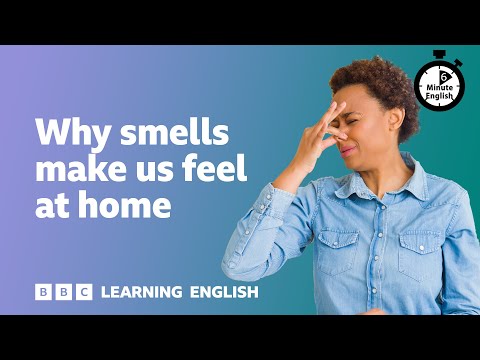
Why smells make us feel at home ⏲️ 6 Minute English
0
VoiceTube posted on 2025/02/06Ever wonder why certain smells instantly transport you back in time and make you feel at home? This fun '6 Minute English' episode explores the fascinating connection between our sense of smell, memory, and nostalgia, perfect for boosting your listening skills and picking up some advanced vocabulary!
Learn this video on the APP!
The VoiceTube App has more in-depth practice for videos!