
administration
US / ædˌmɪnɪˈstreʃən/
UK /ədˌmɪnɪˈstreɪʃn/
- Uncountable Noun
- Act of giving e.g. medicine to a patient
- The work of running something, e.g. a business
B1TOEICMoreaffect
US /əˈfɛkt/
UK /ə'fekt/
- Transitive Verb
- To cause a change in something else
- To pretend to have or feel (something).
- Noun
- (Psychology) Emotion or feeling.
A2TOEICMoreaggressive
US /əˈɡrɛsɪv/
UK /əˈgresɪv/
- Adjective
- Using energy and determination to achieve a goal
- Behaving in a hostile and threatening way
B1Morealuminum
US /ə'lju:minəm/
UK /ə'lju:minəm/
- Uncountable Noun
- Very light silvery-white metal used to make cans
B2Moreannually
US /ˈænjʊəlɪ/
UK /ˈænjuəli/
- Adverb
- Every year; once a year
B1Morearsenal
US /ˈɑrsənəl/
UK /'ɑ:sənl/
- Noun (Countable/Uncountable)
- Place where weapons are stored
- Noun
- (figurative) set of skills, tools, or strategies someone has at their disposal to achieve a goal or overcome a challenge.
C2Moreas a result of
US
UK
- Phrase
- Because of something; owing to.
A1Morebenefit
US /ˈbɛnəfɪt/
UK /'benɪfɪt/
- Noun (Countable/Uncountable)
- Good result or effect, something advantageous
- A payment made by the state or an insurance policy to someone
- Verb (Transitive/Intransitive)
- To have a good effect or be helpful
- To receive an advantage; to be helped
A2TOEICMorebring in
US /brɪŋ ɪn/
UK /briŋ in/
- Phrasal Verb
- To earn a certain amount of money or profits
- To add person into existing group, e.g. phone call
A1Moreby half
US /baɪ hæf/
UK /baɪ hɑ:f/
- other
- Indicates something is at 50% or to a large but incomplete extent.
B2Morecluck
US /klʌk/
UK /klʌk/
- Intransitive Verb
- To make a noise like a chicken
C2Moredecade
US /ˈdɛkˌed, dɛˈked/
UK /ˈdekeɪd/
- Countable Noun
- Period of 10 years
B1TOEICMoredecline
US /dɪˈklaɪn/
UK /dɪ'klaɪn/
- Intransitive Verb
- To bend towards the ground
- To slope downward.
- Verb (Transitive/Intransitive)
- To lessen in quality or value
A2TOEICMoredemand
US /dɪˈmænd/
UK /dɪ'mɑ:nd/
- Noun (Countable/Uncountable)
- Desire customers have to buy product, service
- A strong request for someone to do something
- Transitive Verb
- To strongly request someone to do something
- To need something.
A2TOEICMoredomestic
US /dəˈmɛstɪk/
UK /dəˈmestɪk/
- Noun
- Someone paid to help with housework in your house
- Adjective
- British informal fight between husband and wife
- Concerning your own home or house
A2TOEICMoredown the road
US
UK
- Phrase
- At a future time; in the future.
- Along the street; a short distance away.
A1Moredownstream
US /ˈdaʊnˌstrim/
UK /ˌdaʊn'stri:m/
- Adverb
- In the direction of a stream's current
C1Moredramatically
US /drəˈmætɪkl:ɪ/
UK /drə'mætɪklɪ/
- Adverb
- In a sudden or extreme manner
- In a theatrical or exaggerated manner.
B1Moreeconomic
US /ˌɛkəˈnɑmɪk, ˌikə-/
UK /ˌi:kəˈnɒmɪk/
- Adjective
- Concerning trade, industry, and money
- Financially worthwhile; profitable.
- Noun
- A system relating to economics
- A factor relating to economics
A2Moreexporter
US /ɪkˈsportɚ/
UK /ekˈspɔ:tə(r)/
- Noun (Countable/Uncountable)
- Country, business selling goods to other countries
B1Morefactor in
US /ˈfæktɚ ɪn/
UK /ˈfæktə in/
- Phrasal Verb
- To include something as an important element when making a decision or calculation.
B2Morefor all that
US
UK
- Phrase
- Despite that; even though.
A1Morefor short
US /fɔr ʃɔrt/
UK /fɔ: ʃɔ:t/
- Phrase
- As a shortened form of a name or phrase.
A1Morefor the world
US /fɚ ðə wɝld/
UK /fə ðə wɜ:ld/
- other
- Used to emphasize something would never happen.
B2Moreforeign
US /ˈfɔ:rən/
UK /ˈfɒrən/
- Adjective
- Being of a different place or country
- Strange; different from ones found at home
A2TOEICMoregeopolitical
US /ˌdʒi:oʊpə'lɪtɪkl/
UK /ˌdʒi:əʊpə'lɪtɪkl/
- Adjective
- Concerning geopolitics
C1Moregot to
US /ɡɑt tu/
UK /gɔt tu:/
- Verb (Transitive/Intransitive)
- To arrive at some place
- To have the opportunity or permission to do something
- Phrasal Verb
- To appeal to the emotions of; move
- To finally begin to start something after a delay
A1Moreharmful
US /ˈhɑ:rmfl/
UK /ˈhɑ:mfl/
- Adjective
- Likely to cause damage or injury
A2TOEICMorehave to
US /hæv tu/
UK /ˈhæv tə/
- Auxiliary Verb
- Must do
A1Moreimpose
US /ɪmˈpoʊz/
UK /ɪmˈpəʊz/
- Transitive Verb
- To make someone to do or endure something
A2TOEICMorein the long run
US
UK
- Phrase
- Eventually; over a long period of time.
A1Morein the past
US
UK
- Phrase
- During a former period of time; previously.
A1Morein with
US /ɪn wɪð/
UK /in wið/
- Phrase
- Fashionable or popular at the moment.
- Having influence or favor with someone.
- Phrasal Verb
- To introduce or bring something new into a system or organization.
A1Moreinflate
US /ɪnˈflet/
UK /ɪnˈfleɪt/
- Verb (Transitive/Intransitive)
- To fill/be filled with air and make/become bigger
- To make a thing seem bigger/greater than it is
- Transitive Verb
- To make a thing seem bigger/greater than it is
B1Morelegacy
US /ˈlɛɡəsi/
UK /'leɡəsɪ/
- Noun (Countable/Uncountable)
- Literature, arts etc. from previous generations
- Something left or given by a person who has died
- Adjective
- Relating to old or outdated computer systems or software.
B2TOEICMorelevel out
US /ˈlɛvəl aʊt/
UK /ˈlevl aut/
- Phrasal Verb
- To become flat or even; to make something flat or even.
- To become stable after a period of increase or decrease.
A2Moremaintain
US /menˈten/
UK /meɪn'teɪn/
- Transitive Verb
- To keep saying something a certain way
- To keep (machine) working by checking, repairing
A2TOEICMoremotivate
US /ˈmotəˌvet/
UK /'məʊtɪveɪt/
- Transitive Verb
- To give someone a reason, the will to do something
A2TOEICMoremove out
US /muv aʊt/
UK /mu:v aut/
- Phrasal Verb
- To leave a house or flat permanently.
- To advance from a defensive position.
A2Moremyth
US /mɪθ/
UK /mɪθ/
- Noun (Countable/Uncountable)
- Popular belief that is false, unsupported by fact
- Famous story dealing with origins of a culture
B1Moreof old
US /ʌv oʊld/
UK /əv əuld/
- other
- From a long time ago; in the past.
B2Moreon to
US /ɑn tu/
UK /ɔn tu:/
- Preposition
- Toward something; forward
- Aware of someone's activities.
- Adjective
- Aware of someone's deception or illegal activities.
A1Moreout there
US /aʊt ðɛr/
UK /aut ðɛə/
- Adverb
- In or to a place that is far away
- Existing in the universe
- Adjective
- Unconventional; strange; avant-garde
- Existing or available.
A1Moreper year
US
UK
- Phrase
- For each year; annually.
A2Morepolicy
US /ˈpɑlɪsi/
UK /'pɒləsɪ/
- Noun
- Document stating terms of an insurance agreement
- Course of action proposed by an organization, etc.
A2TOEICMorepresident
US /ˈprɛzɪdənt,-ˌdɛnt/
UK /ˈprezɪdənt/
- Noun
- Person in charge of a country, or organization
- The highest-ranking executive in a corporation or organization.
A2TOEICMoreresilient
US /rɪˈzɪljənt/
UK /rɪ'zɪlɪənt/
- Adjective
- Recovering quickly from something bad
- Able to withstand or recover quickly from difficult conditions.
B2Moreretaliate
US /rɪˈtæliˌet/
UK /rɪ'tælɪeɪt/
- Verb (Transitive/Intransitive)
- To take revenge for something harmful or wrong
B2Moreshift in
US
UK
- Phrasal Verb
- A change or alteration in something.
B2Moreshrink
US /ʃrɪŋk/
UK /ʃrɪŋk/
- Intransitive Verb
- To become smaller
- Noun
- A rude name for a psychiatrist
B1Morestart in
US /stɑrt ɪn/
UK /stɑ:t in/
- Phrasal Verb
- To begin a job or activity.
A1Moresuch as
US /sʌtʃ æz/
UK /sʌtʃ æz/
- Preposition
- For example; like
A1Moresuffer
US / ˈsʌfɚ/
UK /'sʌfə(r)/
- Verb (Transitive/Intransitive)
- To experience pain, illness, or injury
- To allow or permit something, especially something unpleasant.
A2Moretalking about
US
UK
- Phrasal Verb
- To discuss a particular topic.
- To be constantly mentioning or bringing up a subject.
A1Moretariff
US /ˈtærɪf/
UK /'tærɪf/
- Noun (Countable/Uncountable)
- List of fixed prices at hotel
- Tax that a government collects on imported goods
B2Moretrade
US /treid/
UK /treɪd/
- Noun (Countable/Uncountable)
- A specific industry, e.g. shoe making
- Action of buying and selling things in business
- Transitive Verb
- To buy, sell and exchange goods in business
- To give something in return for something else
A2TOEICMoreupstream
US /ˈʌpˈstrim/
UK /ˌʌpˈstri:m/
- Adverb
- In the direction opposite the flow of river/stream
B2Moreused to
US /juzd tu/
UK /ˈju:st tə/
- Adjective
- Did regularly before, but don't do now
- Auxiliary Verb
- Have done before, but do not do now
A1Morewhole point
US
UK
- Phrase
- The main purpose or most important aspect of something.
- The primary reason or objective.
A2More
Vocabulary
- have to: Must do
- on to: Toward something; forward
- by half: Indicates something is at 50% or to a large but incomplete extent.
- in the past: During a former period of time; previously.
- start in: To begin a job or activity.
- got to: To arrive at some place
- whole point: The main purpose or most important aspect of something.
- out there: In or to a place that is far away
- shift in: A change or alteration in something.
- used to: Did regularly before, but don't do now
- level out: To become flat or even; to make something flat or even.
- move out: To leave a house or flat permanently.
- as a result of: Because of something; owing to.
- down the road: At a future time; in the future.
- for short: As a shortened form of a name or phrase.
- of old: From a long time ago; in the past.
- for all that: Despite that; even though.
- for the world: Used to emphasize something would never happen.
- factor in: To include something as an important element when making a decision or calculation.
- per year: For each year; annually.
- bring in: To earn a certain amount of money or profits
- in with: Fashionable or popular at the moment.
- such as: For example; like
- talking about: To discuss a particular topic.
- in the long run: Eventually; over a long period of time.
- sort: To organize things by putting them into groups
- term: Conditions applying to an agreement, contract
- aggressive: Using energy and determination to achieve a goal
- sense: Certain mental feeling or emotion
- resilient: Recovering quickly from something bad
- decline: To bend towards the ground
- demand: Desire customers have to buy product, service
- legacy: Literature, arts etc. from previous generations
- environment: Natural world in which plants and animals live
- domestic: Someone paid to help with housework in your house
- increase: To make or become larger in size or amount
- decade: Period of 10 years
- myth: Popular belief that is false, unsupported by fact
- shrink: To become smaller
- affect: To cause a change in something else
- maintain: To keep saying something a certain way
- suffer: To experience pain, illness, or injury
- dramatically: In a sudden or extreme manner
- behavior: The way a person or thing acts; manner
- benefit: Good result or effect, something advantageous
- administration: Act of giving e.g. medicine to a patient
- create: To make, cause, or bring into existence
- motivate: To give someone a reason, the will to do something
- trade: A specific industry, e.g. shoe making
- economy: Using money, resources in a careful, effective way
- suggest: To mention something that could be done; propose
- foreign: Being of a different place or country
- tariff: List of fixed prices at hotel
- lot: What happens to a person in life from chance; fate
- policy: Document stating terms of an insurance agreement
- harmful: Likely to cause damage or injury
- arsenal: Place where weapons are stored
- impose: To make someone to do or endure something
- president: Person in charge of a country, or organization
- economic: Concerning trade, industry, and money
- government: Group of people and system that rule a nation
- program: To make someone act or think in a certain way
- bring: To take or go with someone to a place
- aluminum: Very light silvery-white metal used to make cans
- inflate: To fill/be filled with air and make/become bigger
- change: To exchange one set of clothes for another
- part: Division of a book
- retaliate: To take revenge for something harmful or wrong
- geopolitical: Concerning geopolitics
- annually: Every year; once a year
- upstream: In the direction opposite the flow of river/stream
- downstream: In the direction of a stream's current
- exporter: Country, business selling goods to other countries
- cluck: To make a noise like a chicken
Get the full experience in the app
Learn anywhere with detailed sentence and usage analysis
01:03
She took a brave step forward, leaving behind her comfort zone to chase her dreams.
Vocabulary
- brave
adj. Having courage
- comfort zone
phr. A familiar situation where one feels safe
Explanation
a brave step is a noun phrase, where brave is an adjective modifying the noun step, meaning "a courageous step".
forward is an adverb modifying step, meaning "ahead".
The whole phrase serves as the object, answering the "what" of took (verb) — she took a brave step forward.
Get the full experience in the app
Look up words anytime with pronunciation, part of speech, and usage
brave
US/brev/
UK/breɪv/
adj.Brave
v.t.To bravely face
A2 Elementary
Get the full experience in the app
Practice speaking anytime and get instant pronunciation feedback
Try this speaking exercise.
Try practicing with this sentence.
80
0
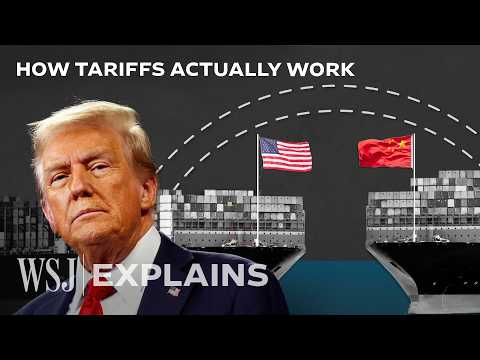
佛斯特 posted on 2025/02/02Ever wondered why economists get so heated about tariffs? This video dives into Donald Trump's tariff plan, exploring its economic impacts and historical context like the 'Chicken War'! You'll pick up advanced vocabulary related to trade policy and gain a deeper understanding of economic nationalism.
Learn this video on the APP!
The VoiceTube App has more in-depth practice for videos!