Vocabulary
- due to: Because of; owing to
- know about: To have information or understanding of a subject or situation.
- outside of: Located or situated beyond the boundaries or confines of something.
- think of: To look on as (being something specific); consider
- split off: To become separated or detached from something.
- at this rate: If things continue as they are now.
- to do with: To be about something; concern
- intense: Very strong, great or extreme in degree
- essentially: Basically; (said when stating the basic facts)
- overwhelmed: To defeat something or someone completely
- ultimate: Basic; original; most significant
- context: Set of facts surrounding a person or event
- access: Way to enter a place, e.g. a station or stadium
- strategy: Careful plan or method for achieving a goal
- experience: Thing a person has done or that happened to them
- split: No longer married or in a relationship
- combination: Series of letters or numbers needed to open a lock
- demand: Desire customers have to buy product, service
- climate: Typical weather conditions in a particular place
- spread: A big meal, often laid out as a buffet
- pressure: Anxiety caused by difficult problems
- blame: To say someone is responsible for something bad
- frustration: Annoyance because things don't go the way you want
- drain: Hole or pipe that water, waste etc. flows into
- lack: To not have, or not have enough, of something
- fuel: To give power to (a mob, anger, etc.); incite
- criticism: Article or essay that judges quality
- deal: To cope with something - usually troubles
- state: Region within a country, with its own government
- spark: Small piece of burning material produced by fire
- tragedy: Play that has a sad ending with many deaths
- mitigate: To make less severe or serious
- distribution: Dividing or spreading out to others
- assign: To give someone a particular job to do
- manage: To survive hardships and difficulties; to cope
- learn: To get knowledge or skills by study or experience
- system: Set of organized, planned ideas that work together
- fill: To make something full
- protect: To defend someone or something from harm or danger
- pump: To make liquid or gas flow in a particular direction
- fast: In a way that is difficult to move or change
- wind: A current of air moving approximately horizontally, especially one strong enough to be felt
- historic: (Of past event) having an effect on future; famous
- understand: To know the meaning of language, what someone says
- carry: To have a child, be pregnant
- reservoir: A lake storing water for use by the community
- post: To send a letter or package using stamps
- trunk: Long nose of an elephant
- happen: To take place or occur
- tank: Container for holding liquid or gas
- misinformation: Information that is incorrect
- give: Degree of flexibility in something, a material
- governor: Person who leads a state or province
- lateral: On the side; moving sideways
- worthless: Being of no value; without positive aspects
- suppression: Act of preventing the display of emotion, feeling
- traditionally: Something done in a customary, traditional manner
- topography: Physical land form, such as mountains and valleys
- bass: Type of fish
- interconnect: To join or be joined together (computers/theories)
- upstream: In the direction opposite the flow of river/stream
- delta: Area where a river spreads and empties into a sea
Get the full experience in the app
Learn anywhere with detailed sentence and usage analysis
01:03
She took a brave step forward, leaving behind her comfort zone to chase her dreams.
Vocabulary
- brave
adj. Having courage
- comfort zone
phr. A familiar situation where one feels safe
Explanation
a brave step is a noun phrase, where brave is an adjective modifying the noun step, meaning "a courageous step".
forward is an adverb modifying step, meaning "ahead".
The whole phrase serves as the object, answering the "what" of took (verb) — she took a brave step forward.
Get the full experience in the app
Look up words anytime with pronunciation, part of speech, and usage
brave
US/brev/
UK/breɪv/
adj.Brave
v.t.To bravely face
A2 Elementary
Get the full experience in the app
Practice speaking anytime and get instant pronunciation feedback
Try this speaking exercise.
Try practicing with this sentence.
80
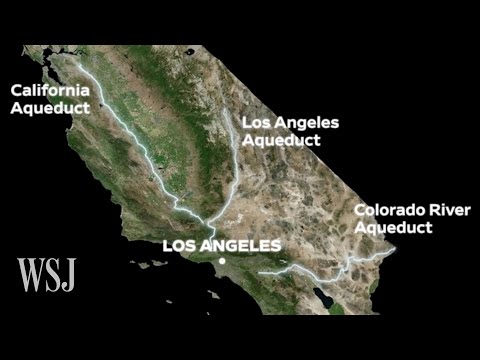
L.A. Fires: Why Did the Fire Hydrants Run Dry? What We Know | WSJ
0
VoiceTube posted on 2025/01/16Ever wondered why fire hydrants might run dry during a wildfire? This video dives deep into the fascinating, and sometimes controversial, reasons behind the L.A. fires, exploring everything from hydrant pressure and water distribution to political misinformation. You'll pick up some advanced vocabulary related to emergency response and infrastructure while getting a clearer picture of complex real-world events!
Learn this video on the APP!
The VoiceTube App has more in-depth practice for videos!