
access
US /ˈæksɛs/
UK /'ækses/
- Noun (Countable/Uncountable)
- Way to enter a place, e.g. a station or stadium
- The opportunity or right to use something or to see someone.
- Transitive Verb
- To be able to use or have permission to use
A2TOEICMoreadvantage
US /ædˈvæntɪdʒ/
UK /əd'vɑ:ntɪdʒ/
- Noun (Countable/Uncountable)
- Thing making the chance of success higher
- A positive point about something
- Transitive Verb
- To make use of something, especially to further one's own position; exploit.
A2TOEICMoreapproach
US /əˈprəʊtʃ/
UK /ə'prəʊtʃ/
- Verb (Transitive/Intransitive)
- To get close to reaching something or somewhere
- To request someone to do something specific
- Noun (Countable/Uncountable)
- Means of reaching a place, often a road or path
- Request of someone with a specific goal in mind
A2TOEICMorearray
US /ə'reɪ/
UK /əˈreɪ/
- Noun
- A regular order or arrangement of things
- Transitive Verb
- To arrange things in a regular order
B2TOEICMoreas long as
US /æz lɔŋ æz/
UK /æz lɔŋ æz/
- Conjunction
- For the period that; provided that.
- For the length of time that
- Preposition
- On the condition that; providing that.
- Having the same length as.
A1Moreas one
US
UK
- Adverb
- Acting or moving together at the same time.
- In complete agreement or unity.
- Phrase
- With a single voice or opinion; unanimously.
- In perfect harmony or unison.
A1Moreassign
US /əˈsaɪn/
UK /ə'saɪn/
- Transitive Verb
- To give someone a particular job to do
- To give someone credit or blame for something
B2TOEICMoreaverage
US /ˈævərɪdʒ, ˈævrɪdʒ/
UK /'ævərɪdʒ/
- Noun (Countable/Uncountable)
- Total of numbers divided by the number of items
- Transitive Verb
- To add numbers then divide by the number of items
A2TOEICMoreaxis
US /ˈæksɪs/
UK /ˈæksɪs/
- Noun
- A line about which a rotating body turns
B1Morebased on
US
UK
- Phrasal Verb
- To use something as the foundation or starting point for something else.
- Preposition
- Using something as the main idea or foundation.
- Relying on something as evidence or justification.
A1Morebasically
US /ˈbesɪkəli,-kli/
UK /ˈbeɪsɪkli/
- Adverb
- Used before you explain something simply, clearly
- In essence; when you consider the most important aspects of something.
A2Morebreak down
US /brek daʊn/
UK /breik daun/
- Phrasal Verb
- To forcibly break, destroy or make collapse
- (Machine) to stop working or become weaker
A1Morecall out
US /kɔl aʊt/
UK /kɔ:l aut/
- Phrasal Verb
- To criticize someone to modify their behavior
- To announce or specify, e.g. in a list
- Transitive Verb
- To summon or request the presence of someone, especially for assistance or service.
- To publicly criticize or denounce someone for their actions or behavior.
A1Morecapacity
US /kəˈpæsɪti/
UK /kə'pæsətɪ/
- Noun (Countable/Uncountable)
- Ability to hold, involve or contain (e.g. liquids)
- Largest amount of something that can be produced
B1Moreconcrete
US /kɑnˈkrit, kɑŋ-, ˈkɑnˌkrit, ˈkɑŋ-/
UK /'kɒŋkri:t/
- Uncountable Noun
- Hard building material made of cement, sand, water
- Transitive Verb
- To cover or make with a hard grey building material
- To lay or cover with concrete.
B1Moreconstant
US /ˈkɑnstənt/
UK /'kɒnstənt/
- Adjective
- Happening frequently or without pause
- Remaining the same over time or not changing.
- Noun
- Thing that happens always or at a regular rate
- A physical quantity that is believed to have a fixed value and is used in calculations.
A2TOEICMoredatum
US /ˈdetəm, ˈdætəm, ˈdɑtəm/
UK /ˈdeɪtəm/
- Noun
- Item of factual information
B1Morededicated
US /ˈdɛdɪˌketɪd/
UK /'dedɪkeɪtɪd/
- Transitive Verb
- To state a person's name in book, song, in respect
- To give your energy, time, etc. completely
- Adjective
- Devoted to a task or purpose; having single-minded loyalty or integrity.
- Designed for or devoted to a specific purpose or task.
B1Moredepiction
US /dɪˈpɪkʃən/
UK /dɪ'pɪkʃn/
- Noun
- Picture or a written description of something
B2Morediscard
US /dɪˈskɑrd/
UK /dɪs'kɑ:d/
- Transitive Verb
- To take a card out of your hand in a card game
- To throw away something unwanted
B1TOEICMoredue to
US /du tu/
UK /dju: tu:/
- Preposition
- Because of; owing to
- Adjective
- Attributable to; caused by.
A1Moreequivalent
US /ɪˈkwɪvələnt/
UK /ɪˈkwɪvələnt/
- Adjective
- Equal to something in value, use or meaning
- Having the same meaning or significance.
- Noun
- Thing like another in quality, quantity or degree
B1TOEICMoreessentially
US /ɪˈsenʃəli/
UK /ɪˈsenʃəli/
- Adverb
- Basically; (said when stating the basic facts)
- Used to emphasize the basic truth or fact of a situation.
A2Morefirst off
US /fɚst ɔf/
UK /fə:st ɔf/
- Phrase
- To begin with; firstly.
- Most importantly; above all else.
A1Morefor example
US
UK
- Phrase
- As an illustration or instance.
go back to
US /ɡo bæk tu/
UK /ɡəu bæk tu:/
- Phrasal Verb
- To return to a starting point
A1Morehave to
US /hæv tu/
UK /ˈhæv tə/
- Auxiliary Verb
- Must do
A1Morehorizontal
US /ˌhɔ:rəˈzɑ:ntl/
UK /ˌhɒrɪˈzɒntl/
- Adjective
- Concerning the horizon
- A level and flat position
- Adverb
- In a horizontal position or direction.
B1Morein order to
US /ɪn ˈɔrdɚ tu/
UK /in ˈɔ:də tu:/
- Preposition
- For the purpose of; with the aim of.
- Phrase
- In a specific sequence or arrangement.
- With the aim of; for the purpose of.
C1Morein reality
US /ɪn riˈælɪti/
UK /in riˈæliti/
- Phrase
- Actually; in fact; truly.
B2Moreindicate
US /ˈɪndɪˌket/
UK /ˈɪndɪkeɪt/
- Transitive Verb
- To show something; direct attention to; point out
- To represent something using a symbol or sign
A2TOEICMoreinstead of
US /ɪnˈstɛd ʌv/
UK /inˈsted ɔv/
- Preposition
- When one thing is replaced by another
- Adverb
- As a substitute or alternative.
A1Moreleverage
US /ˈlɛvərɪdʒ, ˈlivə-/
UK /'li:vərɪdʒ/
- Noun (Countable/Uncountable)
- An advantage which gives you influence or power
- An advantage gained through the use of resources or a strategic position
- Transitive Verb
- To use an advantage which gives you influence
B2TOEICMorelocation
US /loʊˈkeɪʃn/
UK /ləʊˈkeɪʃn/
- Noun (Countable/Uncountable)
- Particular position or area of place, event, etc.
- A place away from a studio where film or television shots are made.
B1TOEICMoremetaphor
US /ˈmɛtəˌfɔr, -fɚ/
UK /ˈmetəfə(r)/
- Noun
- Imaginative use of words to reveal a similarity
B1Moremethod
US /ˈmɛθəd/
UK /'meθəd/
- Noun (Countable/Uncountable)
- (Organized and planned) way of doing something
- Orderliness of thought, arrangement, or behavior.
A2TOEICMorenotion
US /ˈnoʃən/
UK /ˈnəuʃən/
- Noun
- Sudden idea or desire to do something
B1TOEICMoreon average
US /ɑn ˈævərɪdʒ/
UK /ɔn ˈævəridʒ/
- Phrase
- Typically; usually; based on an average calculation.
B1Moreovercome
US /ˌovɚˈkʌm/
UK /ˌəʊvə'kʌm/
- Transitive Verb
- To succeed in a struggle against; defeat
- Participle
- Past participle of overcome; to have successfully dealt with or controlled a problem or feeling.
A2TOEICMorepitch
US /pɪtʃ/
UK /pɪtʃ/
- Transitive Verb
- To suggest a product, idea to make someone buy
- To throw a baseball to a batter
- Noun
- Act of throwing a baseball for someone to hit
- Playing fields in sports, e.g. for soccer
B1TOEICMoreproperty
US /ˈprɑpəti/
UK /'prɒpətɪ/
- Noun (Countable/Uncountable)
- Particular quality that someone or something has
- Buildings or piece of land owned by someone
A2TOEICMoreproxy
US /ˈprɑksi/
UK /'prɒksɪ/
- Noun
- Person authorized to act for another
B2TOEICMorerandom
US /ˈrændəm/
UK /'rændəm/
- Adjective
- Chosen, done without a particular plan or pattern
B1Morerearrange
US /ˌriəˈrendʒ/
UK /ˌri:ə'reɪndʒ/
- Verb (Transitive/Intransitive)
- To rethink a plan, event for a time and place
- To put into a new order for something to happen
B1Morerepresent
US /ˌrɛprɪˈzɛnt/
UK /ˌreprɪ'zent/
- Transitive Verb
- To depict art objects, figures, scenes; to portray
- To show or describe something in a particular way
A2TOEICMorerequire
US /rɪˈkwaɪr/
UK /rɪ'kwaɪə(r)/
- Transitive Verb
- To demand that someone does something
- To need to do something, to make it necessary
A2TOEICMoresame time
US
UK
- Phrase
- Occurring simultaneously or at the same point in time.
- At the identical time as before; recurring at a fixed hour.
- Noun
- An equal duration or period.
A1Moreseparate
US /'sepəreɪt/
UK /'sepəreɪt/
- Adjective
- Being different from or unrelated to another
- Not connected; different.
- Transitive Verb
- To divide two things by being in between them
- To move things away from each other
A2TOEICMoresimultaneously
US /saɪməlˈtenɪəslɪ/
UK /ˌsɪməl'teɪnɪəslɪ/
- Adverb
- At the same time; all together
B2Morestrategy
US /ˈstrætədʒi/
UK /'strætədʒɪ/
- Noun (Countable/Uncountable)
- Careful plan or method for achieving a goal
- Branch of military dealing with command
A2TOEICMorethink about
US /θɪŋk əˈbaʊt/
UK /θiŋk əˈbaut/
- Phrasal Verb
- To consider something carefully.
- To remember or call to mind.
A1Morethink of
US /θɪŋk ʌv/
UK /θiŋk ɔv/
- Phrasal Verb
- To look on as (being something specific); consider
- To consider or remember something.
- Verb (Transitive/Intransitive)
- To imagine or call something to mind
A1Moreto the dot
US /tu ðə dɑt/
UK /tu ðə dɒt/
- other
- Exactly at the specified time, precisely on schedule.
B2Moretriple
US /ˈtrɪpəl/
UK /ˈtrɪpl/
- Noun
- Group or set of three
- A hit in baseball that enables the batter to reach third base.
- Transitive Verb
- To multiply by three; to increase threefold.
B2Moretrivial
US /ˈtrɪviəl/
UK /'trɪvɪəl/
- Adjective
- Small; unimportant; worthless
- Easy and simple
B2TOEICMoreunit
US /ˈjunɪt/
UK /ˈju:nɪt/
- Countable Noun
- One apartment in a building
- Group of people, e.g. soldiers, that work together
B2TOEICMorevertical
US /ˈvɜ:rtɪkl/
UK /ˈvɜ:tɪkl/
- Adjective
- (Of a line, etc.) going up and down; not horizontal
- Extending or operating upward from a base.
- Noun
- A vertical line or plane.
- An upright structural member.
B1Morewalk through
US /wɔk θru/
UK /wɔ:k θru:/
- Phrasal Verb
- To show someone carefully how to do something
A1More
Vocabulary
- have to: Must do
- on average: Typically; usually; based on an average calculation.
- think of: To look on as (being something specific); consider
- for example: As an illustration or instance.
- instead of: When one thing is replaced by another
- first off: To begin with; firstly.
- in reality: Actually; in fact; truly.
- as long as: For the period that; provided that.
- call out: To criticize someone to modify their behavior
- same time: Occurring simultaneously or at the same point in time.
- go back to: To return to a starting point
- due to: Because of; owing to
- in order to: For the purpose of; with the aim of.
- to the dot: Exactly at the specified time, precisely on schedule.
- based on: To use something as the foundation or starting point for something else.
- break down: To forcibly break, destroy or make collapse
- walk through: To show someone carefully how to do something
- as one: Acting or moving together at the same time.
- think about: To consider something carefully.
- sort: To organize things by putting them into groups
- essentially: Basically; (said when stating the basic facts)
- equivalent: Equal to something in value, use or meaning
- approach: To get close to reaching something or somewhere
- dedicated: To state a person's name in book, song, in respect
- access: Way to enter a place, e.g. a station or stadium
- strategy: Careful plan or method for achieving a goal
- constant: Happening frequently or without pause
- simultaneously: At the same time; all together
- basically: Used before you explain something simply, clearly
- average: Total of numbers divided by the number of items
- common: Area in a city or town that is open to everyone
- advantage: Thing making the chance of success higher
- capacity: Ability to hold, involve or contain (e.g. liquids)
- random: Chosen, done without a particular plan or pattern
- represent: To depict art objects, figures, scenes; to portray
- amount: Quantity of something
- metaphor: Imaginative use of words to reveal a similarity
- separate: Being different from or unrelated to another
- property: Particular quality that someone or something has
- method: (Organized and planned) way of doing something
- increase: To make or become larger in size or amount
- trivial: Small; unimportant; worthless
- concrete: Hard building material made of cement, sand, water
- notion: Sudden idea or desire to do something
- overcome: To succeed in a struggle against; defeat
- exist: To be present, alive or real
- leverage: An advantage which gives you influence or power
- pitch: To suggest a product, idea to make someone buy
- require: To demand that someone does something
- indicate: To show something; direct attention to; point out
- complete: To finish or reach the end of doing something
- create: To make, cause, or bring into existence
- equal: Same in shape, size, or number
- notice: To become aware by sight, touch, or hearing
- array: A regular order or arrangement of things
- kind: In a caring and helpful manner
- assign: To give someone a particular job to do
- manage: To survive hardships and difficulties; to cope
- vertical: (Of a line, etc.) going up and down; not horizontal
- staff: Employees of a company
- piece: A counter in a board game
- detail: Small part of something; tiny fact
- point: An item to be discussed
- axis: A line about which a rotating body turns
- proxy: Person authorized to act for another
- horizontal: Concerning the horizon
- discard: To take a card out of your hand in a card game
- location: Particular position or area of place, event, etc.
- unit: One apartment in a building
- datum: Item of factual information
- rearrange: To rethink a plan, event for a time and place
- triple: Group or set of three
- depiction: Picture or a written description of something
Get the full experience in the app
Learn anywhere with detailed sentence and usage analysis
01:03
She took a brave step forward, leaving behind her comfort zone to chase her dreams.
Vocabulary
- brave
adj. Having courage
- comfort zone
phr. A familiar situation where one feels safe
Explanation
a brave step is a noun phrase, where brave is an adjective modifying the noun step, meaning "a courageous step".
forward is an adverb modifying step, meaning "ahead".
The whole phrase serves as the object, answering the "what" of took (verb) — she took a brave step forward.
Get the full experience in the app
Look up words anytime with pronunciation, part of speech, and usage
brave
US/brev/
UK/breɪv/
adj.Brave
v.t.To bravely face
A2 Elementary
Get the full experience in the app
Practice speaking anytime and get instant pronunciation feedback
Try this speaking exercise.
Try practicing with this sentence.
80
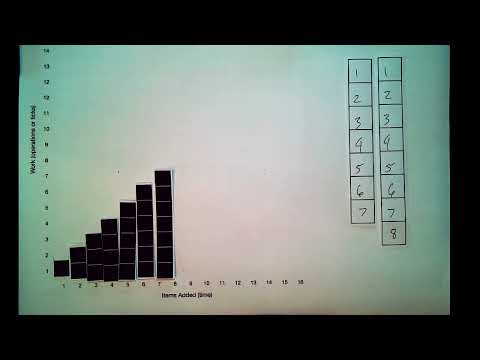
1.1 Data Structures & Algorithms: Array Expansion Strategies
0
zack posted on 2025/01/06Ever wondered how apps handle growing lists of data? This video dives into the fascinating world of dynamic arrays and explains the clever 'doubling strategy' used to resize them efficiently! You'll pick up some awesome technical vocabulary like 'amortized analysis' and understand the magic behind 'random access' in data structures.
Learn this video on the APP!
The VoiceTube App has more in-depth practice for videos!