
ability
US /əˈbɪlɪti/
UK /ə'bɪlətɪ/
- Noun (Countable/Uncountable)
- The power, resources or skill to do something
- A particular skill or talent.
A2TOEICMorealgorithm
US /ˈælɡəˌrɪðəm/
UK /'ælɡərɪðəm/
- Noun
- A step-by-step problem-solving feature
B2Morearray
US /ə'reɪ/
UK /əˈreɪ/
- Noun
- A regular order or arrangement of things
- Transitive Verb
- To arrange things in a regular order
B2TOEICMorecandidate
US /ˈkændɪˌdet, -dɪt/
UK /ˈkændɪdət/
- Noun (Countable/Uncountable)
- Politician who is running for public office
B1Morecode
US /kod/
UK /kəʊd/
- Transitive Verb
- To express information in a series of numbers
- To write a secret message using secret symbols
- Noun
- A password made of a set of letters or numbers
- Set of rules for behavior
A2Morecomparable
US /ˈkɑmpərəbəl/
UK /ˈkɒmpərəbl/
- Adjective
- Being similar in some way
A2Moreconvert
US /kənˈvɚt/
UK /kən'vɜ:t/
- Verb (Transitive/Intransitive)
- To switch from a religion, belief etc. to another
- To change form, character, or function to another
- Countable Noun
- Person switching from one belief system to another
A2Moreentire
US /ɛnˈtaɪr/
UK /ɪn'taɪə(r)/
- Adjective
- Complete or full; with no part left out; whole
- Undivided; not shared or distributed.
A2TOEICMorehave to
US /hæv tu/
UK /ˈhæv tə/
- Auxiliary Verb
- Must do
A1Moreidentify
US /aɪˈdɛntəˌfaɪ/
UK /aɪ'dentɪfaɪ/
- Transitive Verb
- To indicate who or what someone or something is
- To say exactly what something is
B1TOEICMoreindex
US /ˈɪnˌdɛks/
UK /ˈɪndeks/
- Noun (Countable/Uncountable)
- Number showing how prices, wages changed over time
- Written or printed (usually alphabetical) list
- Transitive Verb
- To adjust a value/wages as other things change
- To make a list of things in alphabetical order
A2TOEICMoreindividual
US /ˌɪndəˈvɪdʒuəl/
UK /ˌɪndɪˈvɪdʒuəl/
- Countable Noun
- Single person, looked at separately from others
- A single thing or item, especially when part of a set or group.
- Adjective
- Made for use by one single person
- Having a distinct manner different from others
A2Moreinitial
US /ɪˈnɪʃəl/
UK /ɪ'nɪʃl/
- Noun
- First letter of your given name
- The beginning or commencement of something.
- Transitive Verb
- To authorize something by writing your initials
- To mark or sign with one's initials.
A2TOEICMoreinteger
US /ˈɪntɪdʒɚ/
UK /ˈɪntɪdʒə(r)/
- Countable Noun
- Math a whole number
B2Morelocation
US /loʊˈkeɪʃn/
UK /ləʊˈkeɪʃn/
- Noun (Countable/Uncountable)
- Particular position or area of place, event, etc.
- A place away from a studio where film or television shots are made.
B1TOEICMorelook at
US /lʊk æt/
UK /luk æt/
- Phrasal Verb
- To use your eyes to focus on something
- To focus your eyes on something carefully
A1Moreloop
US /lup/
UK /lu:p/
- Noun (Countable/Uncountable)
- A circle or curved shape, as when you tie a lace
- A circle of rope or string to put around something
- Transitive Verb
- To put a circle of rope around something
B2TOEICMoremethod
US /ˈmɛθəd/
UK /'meθəd/
- Noun (Countable/Uncountable)
- (Organized and planned) way of doing something
- Orderliness of thought, arrangement, or behavior.
A2TOEICMoreminimum
US /ˈmɪnəməm/
UK /ˈmɪnɪməm/
- Noun (Countable/Uncountable)
- Smallest degree or level that is acceptable
- The lowest recorded or expected temperature.
- Adjective
- Smallest or lowest; the least possible.
- Using or requiring the least possible resources.
B1TOEICMoreof course
US /ʌv kɔː(r)s/
UK /ɔv kɔː(r)s/
- Adverb
- Sure ; Certainly
- Phrase
- For sure; certainly
A2Moreof interest
US /əv ˈɪntrɪst/
UK /əv ˈɪntrəst/
- other
- Relevant or important to someone or something.
B2Moreout of line
US /aʊt ʌv laɪn/
UK /aut ɔv lain/
- Adjective
- Not following the rules or accepted standards of behaviour; inappropriate.
- Not in a straight line; not aligned properly.
A1Moreprint out
US /prɪnt aʊt/
UK /print aut/
- Phrasal Verb
- To produce a paper copy of a document from a computer.
A1Moreprocess
US /ˈprɑsˌɛs, ˈproˌsɛs/
UK /prə'ses/
- Transitive Verb
- To organize and use data in a computer
- To deal with official forms in the way required
- Noun (Countable/Uncountable)
- Dealing with official forms in the way required
- Set of changes that occur slowly and naturally
A2TOEICMorerefresher
US /rɪ'freʃə/
UK /rɪ'freʃə/
- Countable Noun
- A refill of a person's glass with a drink
- Something that refreshes your knowledge/memory
B1Morerepresent
US /ˌrɛprɪˈzɛnt/
UK /ˌreprɪ'zent/
- Transitive Verb
- To depict art objects, figures, scenes; to portray
- To show or describe something in a particular way
A2TOEICMoreslightly
US /ˈslaɪtli/
UK /ˈslaɪtli/
- Adverb
- Only a little
B1Morestart off
US /stɑrt ɔf/
UK /stɑ:t ɔf/
- Phrasal Verb
- To begin or commence something.
- To begin a journey.
B2Morestatement
US / ˈstetmənt/
UK /ˈsteɪtmənt/
- Noun (Countable/Uncountable)
- Record of activity in a bank account over time
- Act or process of saying something formally
A2TOEICMorestatic
US /ˈstætɪk/
UK /ˈstætɪk/
- Adjective
- Concerning electricity that collects on a surface
- Being unchangeable or unmovable
- Uncountable Noun
- Unwanted noise that disturbs a radio or TV signal
B2Moreswap
US /swɑp/
UK /swɒp/
- Transitive Verb
- To exchange goods without spending money; trade
- Noun
- A trade or exchange of goods without using money
B2TOEICMoretemporary
US /'tempəreri/
UK /ˈtemprəri/
- Adjective
- Continuing for a limited time; not permanent
- Noun
- A temporary worker.
A2TOEICMoretrack
US /træk/
UK /træk/
- Transitive Verb
- To use marks to follow a wild animal
- To move a certain way/follow a particular course
- Noun
- A circular course for running
- Course or way someone takes, e.g. in education
A2TOEICMoreupdate
US /ʌpˈdet/
UK /ˌʌpˈdeɪt/
- Noun (Countable/Uncountable)
- Addition of a current version of something
- New information or data to make more current
- Transitive Verb
- To download the latest version of software
- To make more current or modern
B1TOEICMoreused to
US /juzd tu/
UK /ˈju:st tə/
- Adjective
- Did regularly before, but don't do now
- Auxiliary Verb
- Have done before, but do not do now
A1Morevariable
US /ˈveriəbl/
UK /ˈveəriəbl/
- Adjective
- Having the ability to change or vary
- Noun (Countable/Uncountable)
- Mathematical quantity with several values
- A keyword used in some programming languages to declare a variable.
A2More
Vocabulary
- have to: Must do
- start off: To begin or commence something.
- used to: Did regularly before, but don't do now
- look at: To use your eyes to focus on something
- out of line: Not following the rules or accepted standards of behaviour; inappropriate.
- of course: Sure ; Certainly
- of interest: Relevant or important to someone or something.
- print out: To produce a paper copy of a document from a computer.
- sort: To organize things by putting them into groups
- entire: Complete or full; with no part left out; whole
- individual: Single person, looked at separately from others
- process: To organize and use data in a computer
- slightly: Only a little
- identify: To indicate who or what someone or something is
- represent: To depict art objects, figures, scenes; to portray
- track: To use marks to follow a wild animal
- ability: The power, resources or skill to do something
- method: (Organized and planned) way of doing something
- initial: First letter of your given name
- algorithm: A step-by-step problem-solving feature
- statement: Record of activity in a bank account over time
- candidate: Politician who is running for public office
- swap: To exchange goods without spending money; trade
- create: To make, cause, or bring into existence
- temporary: Continuing for a limited time; not permanent
- interest: Best or most advantageous thing for someone
- convert: To switch from a religion, belief etc. to another
- loop: A circle or curved shape, as when you tie a lace
- array: A regular order or arrangement of things
- kind: In a caring and helpful manner
- static: Concerning electricity that collects on a surface
- piece: A counter in a board game
- index: Number showing how prices, wages changed over time
- find: To become aware of something that is happening
- remember: To give someone a gift, e.g. birthday, wedding
- minimum: Smallest degree or level that is acceptable
- variable: Having the ability to change or vary
- start: First time or place that a thing exists; beginning
- return: To hit something back to the other player or team
- comparable: Being similar in some way
- code: To express information in a series of numbers
- begin: To do the first part of an action; to start
- location: Particular position or area of place, event, etc.
- keep: Large, strong tower in the middle of a castle
- add: To include as well
- main: Most important; most often used
- put: To move or place a thing in a particular position
- print: To make many copies of a page, magazine or book
- update: Addition of a current version of something
- refresher: A refill of a person's glass with a drink
- integer: Math a whole number
Get the full experience in the app
Learn anywhere with detailed sentence and usage analysis
01:03
She took a brave step forward, leaving behind her comfort zone to chase her dreams.
Vocabulary
- brave
adj. Having courage
- comfort zone
phr. A familiar situation where one feels safe
Explanation
a brave step is a noun phrase, where brave is an adjective modifying the noun step, meaning "a courageous step".
forward is an adverb modifying step, meaning "ahead".
The whole phrase serves as the object, answering the "what" of took (verb) — she took a brave step forward.
Get the full experience in the app
Look up words anytime with pronunciation, part of speech, and usage
brave
US/brev/
UK/breɪv/
adj.Brave
v.t.To bravely face
A2 Elementary
Get the full experience in the app
Practice speaking anytime and get instant pronunciation feedback
Try this speaking exercise.
Try practicing with this sentence.
80
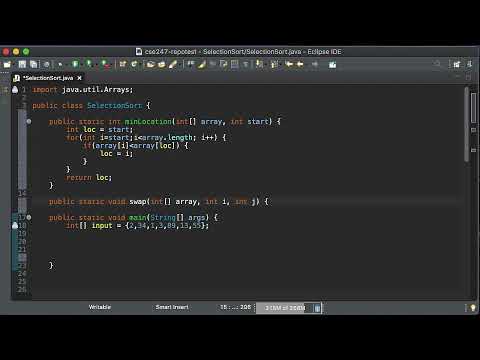
0.4 Data Structures & Algorithms: Selection Sort Code
0
zack posted on 2025/01/06Ever wondered how computers sort data super fast? This video dives into the 'Selection Sort' algorithm, showing you exactly how to implement it in Java with a clear code walkthrough. You'll pick up essential programming vocabulary like 'index', 'swap', and 'helper method' while mastering array manipulation step-by-step!
Learn this video on the APP!
The VoiceTube App has more in-depth practice for videos!