
algorithm
US /ˈælɡəˌrɪðəm/
UK /'ælɡərɪðəm/
- Noun
- A step-by-step problem-solving feature
B2Morearray
US /ə'reɪ/
UK /əˈreɪ/
- Noun
- A regular order or arrangement of things
- Transitive Verb
- To arrange things in a regular order
B2TOEICMorebasically
US /ˈbesɪkəli,-kli/
UK /ˈbeɪsɪkli/
- Adverb
- Used before you explain something simply, clearly
- In essence; when you consider the most important aspects of something.
A2Morebreak down
US /brek daʊn/
UK /breik daun/
- Phrasal Verb
- To forcibly break, destroy or make collapse
- (Machine) to stop working or become weaker
A1Morecome back
US /kʌm bæk/
UK /kʌm bæk/
- Phrasal Verb
- To reply to someone, often forcefully
- To be remembered
A1Morecome before
US /kʌm bɪˈfɔr/
UK /kʌm biˈfɔ:/
- Phrasal Verb
- To happen or exist earlier in time than something else.
- To be considered more important than something else.
A1Morecomponent
US /kəmˈponənt/
UK /kəmˈpəʊnənt/
- Noun (Countable/Uncountable)
- One of the parts that something is made up of
- A constituent part; ingredient.
- Adjective
- Being a part of something
A2Morecomputer program
US
UK
- Phrase
A1Moreconcept
US /ˈkɑnˌsɛpt/
UK /'kɒnsept/
- Noun (Countable/Uncountable)
- Abstract idea of something or how it works
- A plan or intention; a conception.
A2TOEICMoreconcrete
US /kɑnˈkrit, kɑŋ-, ˈkɑnˌkrit, ˈkɑŋ-/
UK /'kɒŋkri:t/
- Uncountable Noun
- Hard building material made of cement, sand, water
- Transitive Verb
- To cover or make with a hard grey building material
- To lay or cover with concrete.
B1Moreconservation
US /ˌkɑ:nsərˈveɪʃn/
UK /ˌkɒnsəˈveɪʃn/
- Uncountable Noun
- Protecting the environment or a species
- Act of keeping in reserve
B1Morecontext
US /ˈkɑnˌtɛkst/
UK /ˈkɒntekst/
- Noun (Countable/Uncountable)
- Set of facts surrounding a person or event
- The circumstances that form the setting for an event, statement, or idea, and in terms of which it can be fully understood and assessed.
A2Moredatum
US /ˈdetəm, ˈdætəm, ˈdɑtəm/
UK /ˈdeɪtəm/
- Noun
- Item of factual information
B1Moredefinition
US /ˌdɛfəˈnɪʃən/
UK /ˌdefɪˈnɪʃn/
- Noun (Countable/Uncountable)
- Explanation of word's meaning, as in dictionaries
- The sharpness of an image on a screen
A2TOEICMoredetermine
US /dɪˈtɚmɪn/
UK /dɪ'tɜ:mɪn/
- Transitive Verb
- To control exactly how something will be or act
- To establish the facts about; discover
A2TOEICMorediscrete
US /dɪˈskrit/
UK /dɪˈskri:t/
- Adjective
- Separate; composed of distinct parts
- Constituing a separate thing; distinct.
B2TOEICMoredistance
US /ˈdɪstəns/
UK /'dɪstəns/
- Uncountable Noun
- Lack of friendliness toward another person
- Noun (Countable/Uncountable)
- Amount of space between two places or things
- A point or place that is far away.
A2Moredwell
US /dwɛl/
UK /dwel/
- Intransitive Verb
- To live in a certain place
- To think or talk a lot about something, especially something unpleasant.
B1TOEICMorefactor
US /ˈfæktɚ/
UK /'fæktə(r)/
- Noun
- Something that influences a result
- Transitive Verb
- To consider or include in an estimate or judgment
- To find the two numbers a number can be divided by
A2TOEICMorefinite
US /ˈfaɪˌnaɪt/
UK /ˈfaɪnaɪt/
- Adjective
- Having limits; lasting for a limited time
B1Morefirst off
US /fɚst ɔf/
UK /fə:st ɔf/
- Phrase
- To begin with; firstly.
- Most importantly; above all else.
A1Morefoster
US /'fɔ:stər/
UK /'fɒstə(r)/
- Transitive Verb
- To raise a child who is not yours, for payment
- To raise a child who is not yours, for payment
B1TOEICMorehave to
US /hæv tu/
UK /ˈhæv tə/
- Auxiliary Verb
- Must do
A1Morein a sense
US /ɪn e sɛns/
UK /in ə sens/
- Phrase
- In one way of thinking; to some extent; in some ways.
B1Morein fact
US /ɪn fækt/
UK /in fækt/
- Adverb
- Used to emphasize the truth of a statement, especially one that contrasts with or contradicts something else.
- Used to introduce a more detailed or surprising piece of information.
- Phrase
- Used to emphasize the truth of a statement, especially one that is surprising or contrary to what might be expected.
C1Morein terms of
US
UK
- Phrase
- With regard to; concerning a particular aspect.
A1Moreinformally
US /ɪnˈfɔml:ɪ/
UK /ɪn'fɔ:məlɪ/
- Adverb
- In a casual or relaxed way
- Unofficially; not in the official way
B1Moreinstance
US /ˈɪnstəns/
UK /'ɪnstəns/
- Noun (Countable/Uncountable)
- An example of something; case
- An occurrence of something.
- Transitive Verb
- To give as an example of something else
A2TOEICMorelook at
US /lʊk æt/
UK /luk æt/
- Phrasal Verb
- To use your eyes to focus on something
- To focus your eyes on something carefully
A1Moremaximize
US /ˈmæksəˌmaɪz/
UK /ˈmæksɪmaɪz/
- Transitive Verb
- To make as large or great as possible
B1Moremention
US /ˈmɛnʃən/
UK /'menʃn/
- Transitive Verb
- To refer to or talk or write about something
- Uncountable Noun
- Act of referring to or talking about something
- A formal acknowledgement of something
A2TOEICMoreminimize
US /ˈmɪnəˌmaɪz/
UK /'mɪnɪmaɪz/
- Transitive Verb
- To make something seem small or less important
B1Morenotion
US /ˈnoʃən/
UK /ˈnəuʃən/
- Noun
- Sudden idea or desire to do something
B1TOEICMorenumeric
US
UK
- Adjective
- Concerning or involving numbers
B2Moreof course
US /ʌv kɔː(r)s/
UK /ɔv kɔː(r)s/
- Adverb
- Sure ; Certainly
- Phrase
- For sure; certainly
A2Moreoptimization
US /ˌɑptəmɪˈzeʃən/
UK /ˌɒptɪmaɪ'zeɪʃən/
- Uncountable Noun
- Efforts to make as effective as possible
B2Moreout there
US /aʊt ðɛr/
UK /aut ðɛə/
- Adverb
- In or to a place that is far away
- Existing in the universe
- Adjective
- Unconventional; strange; avant-garde
- Existing or available.
A1Moreoverlook
US /ˌoʊvərˈlʊk/
UK /ˌəʊvəˈlʊk/
- Transitive Verb
- To look down on; be able to see from
- To miss noticing a mistake or problem
B1TOEICMorepath
US /pæθ, pɑθ/
UK /pɑ:θ/
- Noun
- Method of living leading to a particular result
- Track made with stones, by walking over the ground
A2TOEICMorepervasive
US /pɚˈvesɪv/
UK /pə'veɪsɪv/
- Adjective
- Occurring or existing throughout all the parts
B2TOEICMorepile
US /paɪl/
UK /paɪl/
- Noun (Countable/Uncountable)
- Large amount of something
- Group of things one on top of another
- Verb (Transitive/Intransitive)
- (E.g. of problems) to increase; get more or worse
- To place things on top of each other; to heap up.
B1TOEICMoreprecise
US /prɪˈsaɪs/
UK /prɪ'saɪs/
- Adjective
- (Of language details etc.) Very accurate and exact
- (Of a time, place, quality) exact
A2TOEICMorepremise
US /ˈprɛmɪs/
UK /'premɪs/
- Noun (Countable/Uncountable)
- Foundation idea in an argument/discussion
- A previous statement or proposition from which another is inferred or follows as a conclusion.
- Transitive Verb
- To base your argument on
- State or assume as a premise.
B1TOEICMoreprime
US /praɪm/
UK /praɪm/
- Transitive Verb
- To get a person ready for; prepare someone
- To coat with paint to prepare it for the main coat
- Adjective
- Concerning the highest in quality or value
- Concerning the highest level of achievement
A2TOEICMoreprocedure
US /prəˈsidʒɚ/
UK /prəˈsi:dʒə(r)/
- Noun
- A medical operation
- Usual or standard steps taken to do something
B1TOEICMoresalesperson
US /ˈseɪlzpɜ:rsn/
UK /ˈseɪlzpɜ:sn/
- Countable Noun
- Person employed to sell a company's products
C2Morestraightforward
US /stretˈfɔrwəd/
UK /ˌstreɪtˈfɔ:wəd/
- Adjective
- Easy to do or understand; not complicated
- Honest and open; not trying to hide anything.
B1TOEICMorestructure
US /ˈstrʌk.tʃɚ/
UK /ˈstrʌk.tʃə/
- Noun (Countable/Uncountable)
- The way in which the parts of a system or object are arranged or organized, or a system arranged in this way
- A building or other man-made object.
- Transitive Verb
- To plan, organize, or arrange the parts of something
A2TOEICMorethink about
US /θɪŋk əˈbaʊt/
UK /θiŋk əˈbaut/
- Phrasal Verb
- To consider something carefully.
- To remember or call to mind.
A1Morevalid
US /ˈvælɪd/
UK /'vælɪd/
- Adjective
- Being in effect or in force, often legally
- Reasonable; based on sound assumptions
A2TOEICMorewanna
US /ˈwɑnə/
UK /'wɒnə/
- Verb (Transitive/Intransitive)
- Shortened form of 'want to'. Used only in speaking
B2Morework on
US /wɚk ɑn/
UK /wə:k ɔn/
- Phrasal Verb
- To devote effort to improve or develop something
- To try to persuade or influence someone.
A1More
Vocabulary
- computer program
- look at: To use your eyes to focus on something
- come before: To happen or exist earlier in time than something else.
- in fact: Used to emphasize the truth of a statement, especially one that contrasts with or contradicts something else.
- work on: To devote effort to improve or develop something
- come back: To reply to someone, often forcefully
- think about: To consider something carefully.
- in terms of
- in a sense: In one way of thinking; to some extent; in some ways.
- of course: Sure ; Certainly
- have to: Must do
- break down: To forcibly break, destroy or make collapse
- first off: To begin with; firstly.
- out there: In or to a place that is far away
- sort: To organize things by putting them into groups
- context: Set of facts surrounding a person or event
- basically: Used before you explain something simply, clearly
- term: Conditions applying to an agreement, contract
- concept: Abstract idea of something or how it works
- determine: To control exactly how something will be or act
- structure: The way in which the parts of a system or object are arranged or organized, or a system arranged in this way
- effective: Working efficiently to produce a desired result
- instance: An example of something; case
- develop: To explain something in steps and in detail
- expect: To believe something is probably going to happen
- straightforward: Easy to do or understand; not complicated
- describe: To tell the appearance, sound, smell of something
- precise: (Of language details etc.) Very accurate and exact
- concrete: Hard building material made of cement, sand, water
- notion: Sudden idea or desire to do something
- component: One of the parts that something is made up of
- algorithm: A step-by-step problem-solving feature
- prime: To get a person ready for; prepare someone
- definition: Explanation of word's meaning, as in dictionaries
- pile: Large amount of something
- mention: To refer to or talk or write about something
- path: Method of living leading to a particular result
- factor: Something that influences a result
- apply: To spread a substance or liquid over a surface
- distance: Lack of friendliness toward another person
- foster: To raise a child who is not yours, for payment
- equal: Same in shape, size, or number
- valid: Being in effect or in force, often legally
- break: To create a new record e.g. running the 100m dash
- wanna: Shortened form of 'want to'. Used only in speaking
- dwell: To live in a certain place
- fall: Season after summer and before winter; Autumn
- discuss: To talk about seriously or in great detail
- totally: In a complete way; completely; absolutely
- pervasive: Occurring or existing throughout all the parts
- array: A regular order or arrangement of things
- premise: Foundation idea in an argument/discussion
- century: Period of 100 years
- order: Religious or social group, as of nuns
- system: Set of organized, planned ideas that work together
- procedure: A medical operation
- finite: Having limits; lasting for a limited time
- conservation: Protecting the environment or a species
- maximize: To make as large or great as possible
- minimize: To make something seem small or less important
- overlook: To look down on; be able to see from
- datum: Item of factual information
- informally: In a casual or relaxed way
- discrete: Separate; composed of distinct parts
- optimization: Efforts to make as effective as possible
- salesperson: Person employed to sell a company's products
- numeric: Concerning or involving numbers
Get the full experience in the app
Learn anywhere with detailed sentence and usage analysis
01:03
She took a brave step forward, leaving behind her comfort zone to chase her dreams.
Vocabulary
- brave
adj. Having courage
- comfort zone
phr. A familiar situation where one feels safe
Explanation
a brave step is a noun phrase, where brave is an adjective modifying the noun step, meaning "a courageous step".
forward is an adverb modifying step, meaning "ahead".
The whole phrase serves as the object, answering the "what" of took (verb) — she took a brave step forward.
Get the full experience in the app
Look up words anytime with pronunciation, part of speech, and usage
brave
US/brev/
UK/breɪv/
adj.Brave
v.t.To bravely face
A2 Elementary
Get the full experience in the app
Practice speaking anytime and get instant pronunciation feedback
Try this speaking exercise.
Try practicing with this sentence.
80
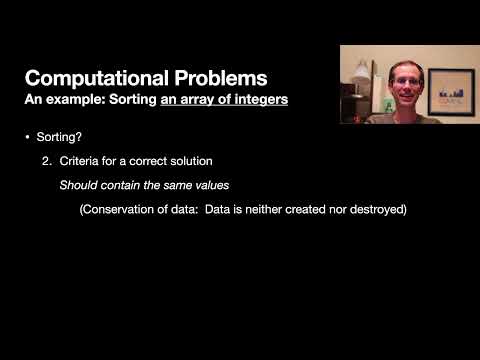
0.2 Data Structures and Algorithms: Computational Problems
0
zack posted on 2025/01/06Ever wondered about the limits of computation? This lecture dives into fascinating computational problems, including the famous Halting Problem and optimization challenges like the Traveling Salesperson! You'll boost your understanding of computer science fundamentals and pick up some seriously advanced vocabulary along the way.
Learn this video on the APP!
The VoiceTube App has more in-depth practice for videos!