
access
US /ˈæksɛs/
UK /'ækses/
- Noun (Countable/Uncountable)
- Way to enter a place, e.g. a station or stadium
- The opportunity or right to use something or to see someone.
- Transitive Verb
- To be able to use or have permission to use
A2TOEICMoreanalysis
US /əˈnælɪsɪs/
UK /əˈnæləsɪs/
- Uncountable Noun
- Careful study to better understand something
B1TOEICMorebook on
US
UK
- Noun
- A book about a particular subject.
- Verb (Transitive/Intransitive)
- To place a bet on something.
A1Morecomprehensive
US /ˌkɑ:mprɪˈhensɪv/
UK /ˌkɒmprɪˈhensɪv/
- Adjective
- Including most or all things
B1TOEICMorecomputational
US /ˌkɑ:mpjuˈteɪʃənl/
UK /ˌkɒmpjuˈteɪʃənl/
- Adjective
- Involving computation or computers
B1Morecontrast
US /ˈkɑ:ntræst/
UK /'kɒntrɑ:st/
- Verb (Transitive/Intransitive)
- To compare; to show clear, obvious differences
- Noun (Countable/Uncountable)
- Comparison that shows obvious differences
- Difference in light and dark in photos, etc.
A2Morecouple
US /ˈkʌpəl/
UK /'kʌpl/
- Transitive Verb
- To join something to something else
- (Two animals) to engage in sexual relations
- Noun (Countable/Uncountable)
- Two people in a romantic relationship
- Two of something; two people; a pair
A2Moredatum
US /ˈdetəm, ˈdætəm, ˈdɑtəm/
UK /ˈdeɪtəm/
- Noun
- Item of factual information
B1Moredominant
US /ˈdɑmənənt/
UK /ˈdɒmɪnənt/
- Adjective
- The strongest; most powerful
- Being the most common, significant or important
- Noun
- (Music) The fifth note of a scale.
B1Moreevaluation
US /ɪˌvæljʊˈeʃən/
UK /ɪˌvæljʊ'eɪʃn/
- Uncountable Noun
- Judgment about the value or condition of something
B1TOEICMorefor example
US
UK
- Phrase
- As an illustration or instance.
gigantic
US /dʒaɪˈɡæntɪk/
UK /dʒaɪ'ɡæntɪk/
- Adjective
- Extremely large
- Of very great size, extent, or degree.
B2Moreheap
US /hip/
UK /hi:p/
- Transitive Verb
- To express great praise, criticism, and emotions
- To place things on top other things in a pile
- Noun (Countable/Uncountable)
- Large, disordered pile of things
- Large quantity or amount of something
B1Moreinteract
US /ˌɪntɚˈækt/
UK /ˌɪntər'ækt/
- Intransitive Verb
- To talk or do things with each other
A2Moreinteract with
US /ˌɪntɚˈækt wɪð/
UK /ˌɪntərˈækt wið/
- Phrase
- Verb (Transitive/Intransitive)
- To engage in communication or action involving mutual or reciprocal influence.
- To use a computer interface to achieve a specific goal.
A2Moreinteraction
US /ˌɪntɚˈækʃən/
UK /ˌɪntər'ækʃn/
- Noun (Countable/Uncountable)
- Process of people or things affecting each other
- The activity of talking to other people, working together etc
A2Morelargely
US /ˈlɑ:rdʒli/
UK /ˈlɑ:dʒli/
- Adverb
- In large part; mainly or chiefly
A2Morelook at
US /lʊk æt/
UK /luk æt/
- Phrasal Verb
- To use your eyes to focus on something
- To focus your eyes on something carefully
A1Moremodule
US /ˈmɑ:dʒul/
UK /ˈmɒdju:l/
- Countable Noun
- Part or unit with a specific job or function
- A self-contained component of a system, often with a standardized interface.
A2Morenonfiction
US /ˌnɒn'fɪkʃən/
UK /ˌnɒn'fɪkʃən/
- Uncountable Noun
- Not fiction; real or factual content of books
B2Moreorganization
US /ˌɔrɡənɪˈzeʃən/
UK /ˌɔ:gənaɪˈzeɪʃn/
- Noun (Countable/Uncountable)
- Group of people with a particular purpose
- The way in which something is structured or arranged.
A2Moreoverview
US /ˈoʊvərvju:/
UK /ˈəʊvəvju:/
- Noun (Countable/Uncountable)
- A description of the main points; summary
- A comprehensive inspection or survey.
- Transitive Verb
- To inspect or survey something comprehensively.
B2TOEICMoreprimarily
US /praɪˈmɛrəli, -ˈmɛr-/
UK /praɪˈmerəli/
- Adverb
- In the most basic or important way
A2TOEICMorereasonable
US /ˈrizənəbəl/
UK /ˈri:znəbl/
- Adjective
- Being somewhat good, but not great
- Fair and sensible; appropriate
A2TOEICMoresolve
US /sɑ:lv/
UK /sɒlv/
- Transitive Verb
- To figure out a way to handle a difficult problem
A2TOEICMorespecific
US /spɪˈsɪfɪk/
UK /spəˈsɪfɪk/
- Adjective
- Precise; particular; just about that thing
- Concerning one particular thing or kind of thing
A2Morespecifically
US /spəˈsɪfɪkli/
UK /spəˈsɪfɪkli/
- Adverb
- As regards a particular thing; closely related to
- In a definite and clear manner.
A2Morestart off
US /stɑrt ɔf/
UK /stɑ:t ɔf/
- Phrasal Verb
- To begin or commence something.
- To begin a journey.
B2Moretalking about
US
UK
- Phrasal Verb
- To discuss a particular topic.
- To be constantly mentioning or bringing up a subject.
A1Morethink about
US /θɪŋk əˈbaʊt/
UK /θiŋk əˈbaut/
- Phrasal Verb
- To consider something carefully.
- To remember or call to mind.
A1Moretypically
US /ˈtɪpɪklɪ/
UK /ˈtɪpɪkli/
- Adverb
- In a normal or usual way
B1Morevital
US /'vaɪtl/
UK /'vaɪtl/
- Adjective
- Needed to support life; essential
- Full of life; energetic
B1TOEICMore
Vocabulary
- look at: To use your eyes to focus on something
- talking about: To discuss a particular topic.
- start off: To begin or commence something.
- think about: To consider something carefully.
- book on: A book about a particular subject.
- for example: As an illustration or instance.
- interact with
- specific: Precise; particular; just about that thing
- vital: Needed to support life; essential
- access: Way to enter a place, e.g. a station or stadium
- typically: In a normal or usual way
- specifically: As regards a particular thing; closely related to
- sense: Certain mental feeling or emotion
- develop: To explain something in steps and in detail
- interact: To talk or do things with each other
- bit: Device put in a horse's mouth to control it
- interaction: Process of people or things affecting each other
- deal: To cope with something - usually troubles
- contrast: To compare; to show clear, obvious differences
- dominant: The strongest; most powerful
- gigantic: Extremely large
- compare: To consider how similar and different things are
- primarily: In the most basic or important way
- pretty: Being attractive to the eye in a simple way
- couple: To join something to something else
- comprehensive: Including most or all things
- organize: To arrange and plan things, e.g. a party
- analysis: Careful study to better understand something
- solve: To figure out a way to handle a difficult problem
- order: Religious or social group, as of nuns
- manage: To survive hardships and difficulties; to cope
- organization: Group of people with a particular purpose
- information: Collection of facts and details about something
- piece: A counter in a board game
- reasonable: Being somewhat good, but not great
- find: To become aware of something that is happening
- evaluation: Judgment about the value or condition of something
- hard: Difficult to do; difficult to understand
- include: To make someone, something part of a group
- start: First time or place that a thing exists; beginning
- heap: To express great praise, criticism, and emotions
- datum: Item of factual information
- largely: In large part; mainly or chiefly
- computational: Involving computation or computers
- overview: A description of the main points; summary
- module: Part or unit with a specific job or function
- nonfiction: Not fiction; real or factual content of books
Get the full experience in the app
Learn anywhere with detailed sentence and usage analysis
01:03
She took a brave step forward, leaving behind her comfort zone to chase her dreams.
Vocabulary
- brave
adj. Having courage
- comfort zone
phr. A familiar situation where one feels safe
Explanation
a brave step is a noun phrase, where brave is an adjective modifying the noun step, meaning "a courageous step".
forward is an adverb modifying step, meaning "ahead".
The whole phrase serves as the object, answering the "what" of took (verb) — she took a brave step forward.
Get the full experience in the app
Look up words anytime with pronunciation, part of speech, and usage
brave
US/brev/
UK/breɪv/
adj.Brave
v.t.To bravely face
A2 Elementary
Get the full experience in the app
Practice speaking anytime and get instant pronunciation feedback
Try this speaking exercise.
Try practicing with this sentence.
80
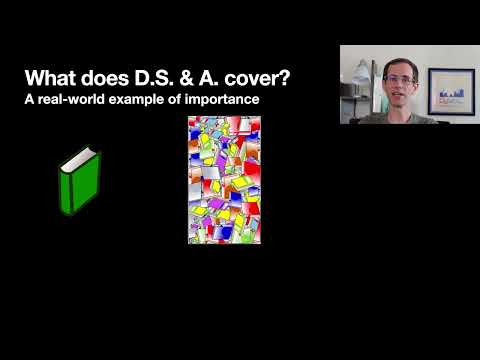
0.1 Data Structures & Algorithms: Intro
0
zack posted on 2025/01/06Ever wondered how computers solve problems? This video kicks off your journey into Data Structures and Algorithms, explaining what computational problems are all about! You'll get a clear intro to these fundamental CS concepts, perfect for building a strong foundation.
Learn this video on the APP!
The VoiceTube App has more in-depth practice for videos!