
at least
US /æt list/
UK /æt li:st/
- Adverb
- As a minimum
- Not less than
- Phrase
- No less than; at the minimum
- Used to indicate that something is positive in a bad situation.
C2Moreat work
US /æt wɚk/
UK /æt wə:k/
- Phrase
- Located at one's place of employment
A1Moreattention
US /əˈtɛnʃən/
UK /əˈtenʃn/
- Noun (Countable/Uncountable)
- Taking notice of someone or something
- Noun
- (Soldiers) Standing with straight backs
A2TOEICMoreboast
US /bost/
UK /bəʊst/
- Intransitive Verb
- To speak of something with too much pride
- Noun
- Act of expressing too much pride in something
B1TOEICMorebrag
US /bræɡ/
UK /bræɡ/
- Intransitive Verb
- To speak too proudly about yourself
- Noun
- A statement expressing excessive pride.
C1Morecommunicate
US /kəˈmjunɪˌket/
UK /kə'mju:nɪkeɪt/
- Verb (Transitive/Intransitive)
- To give and exchange information
- To convey or make known (information, feelings, etc.)
A2Moreconfidence
US /ˈkɑnfɪdəns/
UK /'kɒnfɪdəns/
- Uncountable Noun
- Feeling that you can do well at something
- Feeling you can trust someone
A2Moreconfident
US /ˈkɑnfɪdənt/
UK /ˈkɒnfɪdənt/
- Adjective
- Feeling that you can do well at something
- Having a strong belief in the truth or certainty of something.
- Noun
- A person who is self-assured and believes in their abilities.
A2Moredistract
US /dɪˈstrækt/
UK /dɪ'strækt/
- Transitive Verb
- To draw someone's attention away from something
B1TOEICMoreexcept for
US /ɪkˈsɛpt fɔr/
UK /ikˈsept fɔ:/
- Preposition
- Not including; excluding.
go around
US /ɡo əˈraʊnd/
UK /ɡəu əˈraund/
- Phrasal Verb
- (Of news, gossip) to be known; circulate
- To go here and there, from place to place; wander
A1Moregot to
US /ɡɑt tu/
UK /gɔt tu:/
- Verb (Transitive/Intransitive)
- To arrive at some place
- To have the opportunity or permission to do something
- Phrasal Verb
- To appeal to the emotions of; move
- To finally begin to start something after a delay
A1Morehanging out
US
UK
- Phrasal Verb
- To spend time with your friends
- To spend times with friends or relax doing nothing
A2Morehave to
US /hæv tu/
UK /ˈhæv tə/
- Auxiliary Verb
- Must do
A1Moreincorporate
US /ɪnˈkɔrpəˌret/
UK /ɪn'kɔ:pəreɪt/
- Transitive Verb
- To form into a company or business corporation
- To include or involve as part of something else
A2Moreinsult
US /ɪnˈsʌlt/
UK /ɪn'sʌlt/
- Transitive Verb
- To disrespect someone by being rude or impolite
- Noun (Countable/Uncountable)
- Act of disrespecting by being rude or impolite
B1TOEICMorejust kind of
US
UK
- Phrase
- Used to express a feeling or state in a vague or hesitant way.
- Used to indicate something is approximately or generally similar to something else.
A2Morekaraoke
US /ˌkærɪ'oʊkɪ/
UK /ˌkærɪ'əʊkɪ/
- Noun
- Singing popular songs to a prerecorded soundtrack
C1Morelack
US /læk/
UK /læk/
- Verb (Transitive/Intransitive)
- To not have, or not have enough, of something
- Uncountable Noun
- The state of not having or not having enough of
A2TOEICMorelike mushrooms
US /laɪk ˈmʌʃrumz/
UK /laɪk ˈmʌʃru:mz/
- other
- Appearing or growing very quickly and suddenly.
B2Morelinguistic
US /lɪŋˈɡwɪstɪk/
UK /lɪŋˈgwɪstɪk/
- Adjective
- Of or relating to language
- Relating to the scientific study of language.
B1Morelook at
US /lʊk æt/
UK /luk æt/
- Phrasal Verb
- To use your eyes to focus on something
- To focus your eyes on something carefully
A1Moremeaningful
US /ˈminɪŋfəl/
UK /'mi:nɪŋfl/
- Adjective
- Having importance; showing someone's intention
- Having importance or value.
A2Moremove out
US /muv aʊt/
UK /mu:v aut/
- Phrasal Verb
- To leave a house or flat permanently.
- To advance from a defensive position.
A2Morenegative
US /ˈnɛɡətɪv/
UK /'neɡətɪv/
- Noun
- The opposite to a positive electrical charge
- In grammar, containing words such as 'no' or 'not'
- Adjective
- Being harmful, unwanted or unhelpful
- In mathematics, being less than zero
A2Morephd
US
UK
- Noun
- Advanced university degree; Doctor of Philosophy
C2Morepolite
US /pəˈlaɪt/
UK /pəˈlaɪt/
- Adjective
- Showing good manners or respect for other people
A2TOEICMorepositive
US /ˈpɑzɪtɪv/
UK /ˈpɒzətɪv/
- Adjective
- Showing agreement or support for something
- Being sure about something; knowing the truth
- Noun
- A photograph in which light areas are light and dark areas are dark
A2Morepractice
US /ˈpræktɪs/
UK /'præktɪs/
- Noun
- The office and place for legal or medical work
- Doing something many times to become better at it
- Verb (Transitive/Intransitive)
- To work as a doctor or lawyer
- To live according to the teachings of a religion
A2TOEICMoresalsa
US /'sɑ:lsə/
UK /'sælsə/
- Uncountable Noun
- Spicy sauce of tomatoes, onions and chili peppers
B2Morescan
US /skæn/
UK /skæn/
- Transitive Verb
- To look inside of the body with a special machine
- To look at something very quickly for information
- Noun
- A look inside the body with a special machine
B1TOEICMorescientific
US /ˌsaɪənˈtɪfɪk/
UK /ˌsaɪənˈtɪfɪk/
- Adjective
- Concerning academic study of the physical world
- Systematic and precise, following a methodology.
- Noun
- Relating to or used in science.
A2Morestare
US /stɛr/
UK /steə(r)/
- Verb (Transitive/Intransitive)
- To look at someone or something for a long time
- Noun
- A long look at something or someone for a reason
A2Morestare out
US
UK
- Phrasal Verb
- To look or gaze fixedly out of something, such as a window.
A1Morestraight
US /stret/
UK /streɪt/
- Adjective
- Not having curves, bends, or angles
- Not gay; heterosexual
- Adverb
- in a line; immediately; honestly and directly
- In a straight line; directly.
A2TOEICMoretechnique
US /tɛkˈnik/
UK /tekˈni:k/
- Noun (Countable/Uncountable)
- Way of doing by using special knowledge or skill
- The skill or ability to do something well.
A2TOEICMorethumbs up
US
UK
- Noun
- A gesture of approval or agreement, indicated by holding a fist with the thumb extended upwards.
- A positive rating or vote on social media or online platforms.
- Noun (plural)
- Multiple gestures of approval or agreement made by extending the thumbs upward.
A1Moreup there
US /ʌp ðɛr/
UK /ʌp ðɛə/
- Adverb
- In or to a higher place or position; far away.
- In heaven.
A1Moreweird
US /wɪrd/
UK /wɪəd/
- Adjective
- Odd or unusual; surprising; strange
- Eerily strange or disturbing.
B1Moreyell
US /jɛl/
UK /jel/
- Noun
- A sudden loud cry or shout
- Intransitive Verb
- To shout loudly at someone in pain or excitement
B1More
Vocabulary
- look at: To use your eyes to focus on something
- have to: Must do
- like mushrooms: Appearing or growing very quickly and suddenly.
- except for: Not including; excluding.
- go around: (Of news, gossip) to be known; circulate
- at least: As a minimum
- move out: To leave a house or flat permanently.
- got to: To arrive at some place
- hanging out: To spend time with your friends
- up there: In or to a higher place or position; far away.
- just kind of: Used to express a feeling or state in a vague or hesitant way.
- stare out: To look or gaze fixedly out of something, such as a window.
- thumbs up: A gesture of approval or agreement, indicated by holding a fist with the thumb extended upwards.
- at work: Located at one's place of employment
- weird: Odd or unusual; surprising; strange
- technique: Way of doing by using special knowledge or skill
- practice: The office and place for legal or medical work
- straight: Not having curves, bends, or angles
- positive: Showing agreement or support for something
- negative: The opposite to a positive electrical charge
- common: Area in a city or town that is open to everyone
- confidence: Feeling that you can do well at something
- confident: Feeling that you can do well at something
- distract: To draw someone's attention away from something
- brag: To speak too proudly about yourself
- insult: To disrespect someone by being rude or impolite
- incorporate: To form into a company or business corporation
- stare: To look at someone or something for a long time
- lack: To not have, or not have enough, of something
- mean: Average of a set of numbers
- attention: Taking notice of someone or something
- polite: Showing good manners or respect for other people
- scientific: Concerning academic study of the physical world
- board: Surface for posting or showing information
- nervous: Concerning the system of nerves in the body
- introduce: To open an essay to set the scene
- communicate: To give and exchange information
- boast: To speak of something with too much pride
- meaningful: Having importance; showing someone's intention
- linguistic: Of or relating to language
- lot: What happens to a person in life from chance; fate
- sound: Sensible, dependable and reliable
- kind: In a caring and helpful manner
- learn: To get knowledge or skills by study or experience
- language: Words or signs used to communicate messages
- stand: To be a candidate in an election
- bring: To take or go with someone to a place
- great: Very good; better than before
- turn: To become (a particular age)
- perfect: So good it cannot be improved
- scan: To look inside of the body with a special machine
- yell: A sudden loud cry or shout
- karaoke: Singing popular songs to a prerecorded soundtrack
- salsa: Spicy sauce of tomatoes, onions and chili peppers
- phd: Advanced university degree; Doctor of Philosophy
Get the full experience in the app
Learn anywhere with detailed sentence and usage analysis
01:03
She took a brave step forward, leaving behind her comfort zone to chase her dreams.
Vocabulary
- brave
adj. Having courage
- comfort zone
phr. A familiar situation where one feels safe
Explanation
a brave step is a noun phrase, where brave is an adjective modifying the noun step, meaning "a courageous step".
forward is an adverb modifying step, meaning "ahead".
The whole phrase serves as the object, answering the "what" of took (verb) — she took a brave step forward.
Get the full experience in the app
Look up words anytime with pronunciation, part of speech, and usage
brave
US/brev/
UK/breɪv/
adj.Brave
v.t.To bravely face
A2 Elementary
Get the full experience in the app
Practice speaking anytime and get instant pronunciation feedback
Try this speaking exercise.
Try practicing with this sentence.
80
0
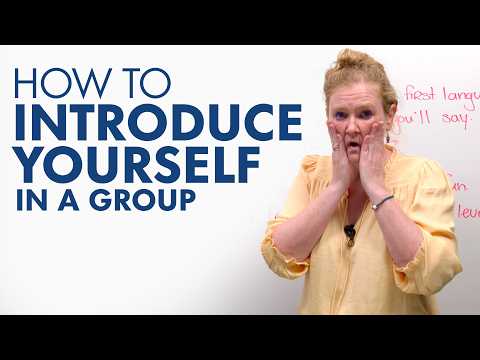
Camellia posted on 2025/01/06Feeling nervous about introducing yourself in a group? Ronnie's got your back with super practical tips for making a great first impression, even with just one sentence! You'll learn how to speak confidently and even get some awesome public speaking and eye contact advice.
Learn this video on the APP!
The VoiceTube App has more in-depth practice for videos!