
along with
US /əˈlɔŋ wɪð/
UK /əˈlɔŋ wið/
- Preposition
- In addition to; together with.
- Adverb
- In company or together with someone or something.
- Including; in addition to.
A2Moreancient
US /ˈenʃənt/
UK /'eɪnʃənt/
- Adjective
- Very old; having lived a very long time ago
- Relating to a period in history, especially in the distant past.
- Noun
- A person who lived in ancient times.
A2Moreat night
US /æt naɪt/
UK /æt nait/
- Phrase
- During the night; in the nighttime.
A1Morebear
US /bɛr/
UK /bɛː/
- Transitive Verb
- To accept (responsibilities or duties)
- To give birth to a child; to produce fruit
- Countable Noun
- Large brown animal with fur that lives in forests
- Someone who expects stock market to fall
A2Morebring about
US
UK
- Phrasal Verb
- To cause to happen
A1Moreburst into
US
UK
- Phrasal Verb
- To enter a place suddenly and forcefully.
- To suddenly express an emotion.
B1Morechimney
US /ˈtʃɪmni/
UK /'tʃɪmnɪ/
- Noun
- Part of a building through which smoke escapes
B2Morechop down
US
UK
- Phrasal Verb
- To cut something with an axe
B1Morecitizen
US /ˈsɪtɪzən/
UK /'sɪtɪzn/
- Noun (Countable/Uncountable)
- Person who belongs to and has rights in a country
- A person who is a member of a community.
B1Morecollapse
US /kəˈlæps/
UK /kə'læps/
- Verb (Transitive/Intransitive)
- To fold (e.g. a stroller) down to make it smaller
- To suddenly fall down or break apart into pieces
- Noun
- The sudden failure of a structure or system.
- The sudden failure of a bodily organ or function.
B1Morecompete
US /kəmˈpit/
UK /kəmˈpi:t/
- Intransitive Verb
- To try to beat others at something, e.g. a race
- To try to gain something by defeating or establishing superiority over others.
A2Moreculture
US /ˈkʌltʃɚ/
UK /'kʌltʃə(r)/
- Noun (Countable/Uncountable)
- Beliefs and customs of a particular group
- The customs, beliefs, art, and all the other things that a group of people share and consider important.
- Transitive Verb
- To grow cells, tissues, bacteria, etc. in a controlled environment.
A2Morecurse
US /kɚs/
UK /kɜ:s/
- Verb (Transitive/Intransitive)
- To use offensive language when angry; swear
- Noun
- Act to cause trouble to others
- A word or phrase used to express anger or annoyance.
B1Moredirection
US /dɪˈrɛkʃən, daɪ-/
UK /də'rekʃn/
- Noun (Countable/Uncountable)
- When someone tells people what to do
- Describes the way you are going, e.g. North
A2TOEICMoredoorstep
US /ˈdɔ:rstep/
UK /ˈdɔ:step/
- Noun
- Wood or stone that forms the bottom of a doorway
B2Moredrain
US /dren/
UK /dreɪn/
- Noun (Countable/Uncountable)
- Hole or pipe that water, waste etc. flows into
- Something that depletes resources or energy.
- Transitive Verb
- To empty or remove liquid from
- To use up the energy/ money/power of something
B1Moredrive out
US /draɪv aʊt/
UK /draiv aut/
- Phrasal Verb
- To force someone or something to leave a place or situation.
- To travel to a place by car.
A1Moreextreme
US /ɪkˈstrim/
UK /ɪk'stri:m/
- Adjective
- Very great in degree
- Farthest from a center
- Noun
- Effort that is thought more than is necessary
- The furthest point or limit of something.
B1Morefair game
US /fɛr ɡem/
UK /fɛə ɡeim/
- Noun (Countable/Uncountable)
- Someone or something that is considered a legitimate target for criticism, attack, or exploitation.
- Adjective
- Animals that are legal to hunt or fish during a specific season.
A1Morefeast
US /fist/
UK /fi:st/
- Noun
- Religious celebration
- Special meal with large amounts of food and drink
- Intransitive Verb
- To eat a large special meal often in celebration
B1Moregenerally
US /ˈdʒɛnərəli/
UK /ˈdʒenrəli/
- Adverb
- Usually; as a rule; by, to or for most people
A2Morego back to
US /ɡo bæk tu/
UK /ɡəu bæk tu:/
- Phrasal Verb
- To return to a starting point
A1Morehave to
US /hæv tu/
UK /ˈhæv tə/
- Auxiliary Verb
- Must do
A1Morehearth
US /hɑ:rθ/
UK /hɑ:θ/
- Noun
- Area or space in front of the fireplace in a home
B2Moreholy
US /ˈholi/
UK /'həʊlɪ/
- Adjective
- Being good according to religious standards
- Dedicated or consecrated to God or a religious purpose; sacred.
- Interjection
- An exclamation of surprise, shock, or awe.
B1Morein advance
US /ɪn ædˈvæns/
UK /in ədˈvɑ:ns/
- Phrase
- Ahead of time; before something happens
- Noun
- A payment made before it is due, especially for work to be done
A2Morejaw
US /dʒɔ/
UK /dʒɔ:/
- Noun (Countable/Uncountable)
- One of the two bones of the face where teeth grow
- Intransitive Verb
- To talk with a lot of energy for a long time
B1Morelegend
US /ˈlɛdʒənd/
UK /'ledʒənd/
- Noun
- List of explanations of symbols on map, etc.
- Person famous for doing something very well
B1Morelook at
US /lʊk æt/
UK /luk æt/
- Phrasal Verb
- To use your eyes to focus on something
- To focus your eyes on something carefully
A1Moremayhem
US /ˈmeˌhɛm/
UK /ˈmeɪhem/
- Uncountable Noun
- Scene or situation that involves much violence
C1Moremischievous
US /ˈmɪstʃəvəs/
UK /ˈmɪstʃɪvəs/
- Adjective
- Doing harm
- Cheeky; playing tricks; naughty
B1TOEICMoremythology
US /mɪˈθɑ:lədʒi/
UK /mɪˈθɒlədʒi/
- Uncountable Noun
- Myths of a particular culture or group of people
- The study of myths.
B2Morenail
US /nel/
UK /neɪl/
- Countable Noun
- Pointed piece of metal used to join pieces of wood
- Hard part at the end of your finger
- Transitive Verb
- To attach things together with metal nails
- To catch someone doing an illegal activity
B1Moreof course
US /ʌv kɔː(r)s/
UK /ɔv kɔː(r)s/
- Adverb
- Sure ; Certainly
- Phrase
- For sure; certainly
A2Moreon fire
US /ɑn faɪr/
UK /ɔn ˈfaiə/
- Adjective
- Very successful or popular
- Burning
A2Morepee
US /pi/
UK /pi:/
- Intransitive Verb
- To urinate
B2Morephysical
US /ˈfɪzɪkəl/
UK /ˈfɪzɪkl/
- Countable Noun
- Health check at the doctors' or hospital
- Adjective
- Concerning the body of a person
- Concerning things that can be seen or touched
A2Morephysical disabilities
US
UK
- Noun (plural)
- Impairments that affect a person's physical functioning, mobility, dexterity, or stamina.
B2Morepronounce
US /prəˈnaʊns/
UK /prə'naʊns/
- Transitive Verb
- To state something in a legal or official way
- To give your opinion or decision about something
B1Morerecognize
US /ˈrek.əɡ.naɪz/
UK /ˈrek.əɡ.naɪz/
- Transitive Verb
- To accept the truth or reality of something
- To consider something as important or special
A2TOEICMoreregardless of
US /rɪˈɡɑrdlɪs ʌv/
UK /riˈɡɑ:dlis ɔv/
- Phrase
- Preposition
- Without being affected or influenced by something; despite.
A2Morereligion
US /rɪˈlɪdʒən/
UK /rɪˈlɪdʒən/
- Countable Noun
- Organized set of beliefs about a god or gods
- Noun (Countable/Uncountable)
- Belief in God or gods that governs people's lives
- A person's particular system of beliefs and worship.
A2Moreroot
US /rut, rʊt/
UK /ru:t/
- Noun (Countable/Uncountable)
- Emotional connection with a place, history etc.
- The origin or starting place of something
- Transitive Verb
- To cause a plant to develop or grow roots
- (Animals) to search for e.g. food in earth
A2Moresaw through
US
UK
- Phrasal Verb
- To realize the truth about
- To continue doing something until it is finished, especially something difficult or unpleasant.
A1Morescientific
US /ˌsaɪənˈtɪfɪk/
UK /ˌsaɪənˈtɪfɪk/
- Adjective
- Concerning academic study of the physical world
- Systematic and precise, following a methodology.
- Noun
- Relating to or used in science.
A2Moreserve
US /sɚv/
UK /sɜ:v/
- Verb (Transitive/Intransitive)
- To act in a particular position or office
- To hit the first ball to an opponent in tennis etc.
A2TOEICMoreshaggy
US /ˈʃæɡi/
UK /'ʃæɡɪ/
- Adjective
- Covered with long, coarse, or matted hair
C1Moreslit
US /slɪt/
UK /slɪt/
- Transitive Verb
- To make a narrow cut
B2Morespot
US /spɑt/
UK /spɒt/
- Noun
- A certain place or area
- A difficult time; awkward situation
- Transitive Verb
- To see someone or something by chance
A2TOEICMorestature
US /ˈstætʃɚ/
UK /ˈstætʃə(r)/
- Noun
- How tall someone is; height
- Degree to which something is respected
B2Moretale
US /tel/
UK /teɪl/
- Countable Noun
- Story that is not true
- Story about colorful and imaginary events
A2Morethink about
US /θɪŋk əˈbaʊt/
UK /θiŋk əˈbaut/
- Phrasal Verb
- To consider something carefully.
- To remember or call to mind.
A1Moretradition
US /trəˈdɪʃən/
UK /trəˈdɪʃn/
- Noun (Countable/Uncountable)
- An event, custom or way common to a people or race
- Way of thinking or behaving used for a long time
B1TOEICMoretraditionally
US /trə'dɪʃənəlɪ/
UK /trə'dɪʃənəlɪ/
- Adverb
- Something done in a customary, traditional manner
B2Moretrick
US /trɪk/
UK /trɪk/
- Transitive Verb
- To fool someone in order to obtain a result
- To playfully tease or fool to make someone laugh
- Noun (Countable/Uncountable)
- Act of trying to fool someone
- Quick or skillful way of doing something
A2Moreunderground
US /ˈʌndərgraʊnd/
UK /ˈʌndəgraʊnd/
- Adjective
- (Being or living) under the surface of the earth
- Secret or subversive.
- Noun
- Secret group organized to overthrow a government
- Subway system, e.g. in London
B1Moreused to
US /juzd tu/
UK /ˈju:st tə/
- Adjective
- Did regularly before, but don't do now
- Auxiliary Verb
- Have done before, but do not do now
A1Morevampire
US /ˈvæmˌpaɪr/
UK /ˈvæmpaɪə(r)/
- Countable Noun
- Bloodsucking dead person who bites neck of victim
B2Morewrap
US /ræp/
UK /ræp/
- Countable Noun
- Piece of clothing worn loosely on the shoulders
- Thin bread filled with food and rolled
- Transitive Verb
- To be or move around something
- To cover something with paper or a cloth e.g. gift
B1More
Vocabulary
- have to: Must do
- of course: Sure ; Certainly
- chop down: To cut something with an axe
- bring about: To cause to happen
- saw through: To realize the truth about
- fair game: Someone or something that is considered a legitimate target for criticism, attack, or exploitation.
- at night: During the night; in the nighttime.
- on fire: Very successful or popular
- burst into: To enter a place suddenly and forcefully.
- drive out: To force someone or something to leave a place or situation.
- go back to: To return to a starting point
- think about: To consider something carefully.
- physical disabilities: Impairments that affect a person's physical functioning, mobility, dexterity, or stamina.
- look at: To use your eyes to focus on something
- along with: In addition to; together with.
- used to: Did regularly before, but don't do now
- regardless of
- in advance: Ahead of time; before something happens
- recognize: To accept the truth or reality of something
- present: Being in attendance; being there; having turned up
- physical: Health check at the doctors' or hospital
- ancient: Very old; having lived a very long time ago
- trick: To fool someone in order to obtain a result
- extreme: Very great in degree
- force: Group of persons trained for military action; army
- spot: A certain place or area
- wrap: Piece of clothing worn loosely on the shoulders
- pronounce: To state something in a legal or official way
- drain: Hole or pipe that water, waste etc. flows into
- collapse: To fold (e.g. a stroller) down to make it smaller
- generally: Usually; as a rule; by, to or for most people
- religion: Organized set of beliefs about a god or gods
- direction: When someone tells people what to do
- suddenly: In an unexpected or very quick manner
- scientific: Concerning academic study of the physical world
- curse: To use offensive language when angry; swear
- reason: To think and make conclusions in a logical manner
- mischievous: Doing harm
- serve: To act in a particular position or office
- feast: Religious celebration
- tale: Story that is not true
- appear: To be seen, become visible; come into sight
- bear: To accept (responsibilities or duties)
- culture: Beliefs and customs of a particular group
- root: Emotional connection with a place, history etc.
- compete: To try to beat others at something, e.g. a race
- mediterranean: Describing the sea between Italy and Africa
- holy: Being good according to religious standards
- citizen: Person who belongs to and has rights in a country
- drive: A person's ambition and motivation to do something
- mythology: Myths of a particular culture or group of people
- jaw: One of the two bones of the face where teeth grow
- nail: Pointed piece of metal used to join pieces of wood
- legend: List of explanations of symbols on map, etc.
- mayhem: Scene or situation that involves much violence
- make: To arrange or prepare something e.g. dinner
- popular: Liked or enjoyed by many people
- part: Division of a book
- chimney: Part of a building through which smoke escapes
- world: All the humans, events, activities on the earth
- return: To hit something back to the other player or team
- tradition: An event, custom or way common to a people or race
- life: All the living things e.g. animals, plants, humans
- nature: Person's character or particular way of behaving
- human: A person; a man, woman or child
- vampire: Bloodsucking dead person who bites neck of victim
- stature: How tall someone is; height
- pee: To urinate
- slit: To make a narrow cut
- doorstep: Wood or stone that forms the bottom of a doorway
- underground: (Being or living) under the surface of the earth
- traditionally: Something done in a customary, traditional manner
- hearth: Area or space in front of the fireplace in a home
- shaggy: Covered with long, coarse, or matted hair
Get the full experience in the app
Learn anywhere with detailed sentence and usage analysis
01:03
She took a brave step forward, leaving behind her comfort zone to chase her dreams.
Vocabulary
- brave
adj. Having courage
- comfort zone
phr. A familiar situation where one feels safe
Explanation
a brave step is a noun phrase, where brave is an adjective modifying the noun step, meaning "a courageous step".
forward is an adverb modifying step, meaning "ahead".
The whole phrase serves as the object, answering the "what" of took (verb) — she took a brave step forward.
Get the full experience in the app
Look up words anytime with pronunciation, part of speech, and usage
brave
US/brev/
UK/breɪv/
adj.Brave
v.t.To bravely face
A2 Elementary
Get the full experience in the app
Practice speaking anytime and get instant pronunciation feedback
Try this speaking exercise.
Try practicing with this sentence.
80
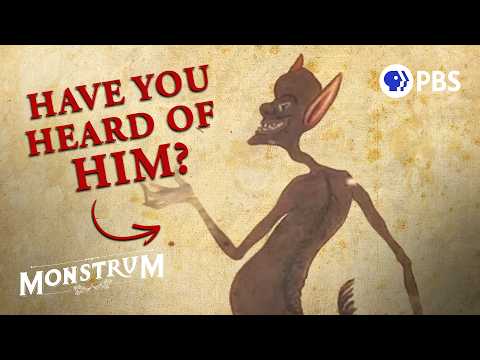
Why Do These Christmas Monsters Want To Destroy the World? | Monstrum
0
VoiceTube posted on 2024/12/14Ever wondered why some Christmas monsters want to destroy the world? This Monstrum video dives into the mischievous Kalikantzoros from Greek folklore, explaining their role and the fascinating cultural depth behind these creatures. You'll pick up some great vocabulary while learning about this unique winter mythology!
Learn this video on the APP!
The VoiceTube App has more in-depth practice for videos!