
advance
US /ædˈvæns/
UK /əd'vɑ:ns/
- Noun
- Forward movement by an army
- An attempt to seduce someone
- Verb (Transitive/Intransitive)
- (Of an army) to move forward
- To change or improve
A2TOEICMorealong with
US /əˈlɔŋ wɪð/
UK /əˈlɔŋ wið/
- Preposition
- In addition to; together with.
- Adverb
- In company or together with someone or something.
- Including; in addition to.
A2Moreapproach
US /əˈprəʊtʃ/
UK /ə'prəʊtʃ/
- Verb (Transitive/Intransitive)
- To get close to reaching something or somewhere
- To request someone to do something specific
- Noun (Countable/Uncountable)
- Means of reaching a place, often a road or path
- Request of someone with a specific goal in mind
A2TOEICMoreat the same time
US
UK
- Phrase
- Simultaneously; at the identical moment.
- Nevertheless; however; used to introduce a contrasting or qualifying statement.
A1Morebarely
US /ˈbɛrli/
UK /ˈbɛəli/
- Adverb
- Only just; just possible
A2TOEICMorebreakthrough
US /ˈbrekˌθru/
UK /'breɪkθru:/
- Countable Noun
- Important discovery in doing something difficult
B2TOEICMorebreast
US /brɛst/
UK /brest/
- Countable Noun
- Fleshy part of a woman's body for feeding babies
- (Poetic) upper front part of the body; the heart
B1Morecancer
US /ˈkænsɚ/
UK /'kænsə(r)/
- Noun
- Any growth caused by abnormal cell division
B1Morecause
US /kɔz/
UK /kɔ:z/
- Noun
- Belief, goal or organization that people support
- Reason for
- Transitive Verb
- To make something happen; create effect or result
A2Moreclinical
US /ˈklɪnɪkəl/
UK /ˈklɪnɪkl/
- Adjective
- Concerning the treatment or observing patients
- Using scientific techniques and precision
B1Morecombination
US /ˌkɑmbəˈneʃən/
UK /ˌkɒmbɪ'neɪʃn/
- Noun
- Series of letters or numbers needed to open a lock
- Act or result of mixing things together
B1Morecomplicate
US /ˈkɑ:mplɪkeɪt/
UK /ˈkɒmplɪkeɪt/
- Transitive Verb
- To make more difficult to do, understand or use
B1Morecure
US /kjʊr/
UK /kjʊə(r)/
- Noun
- Something that solves a problem or makes it better
- Medical treatment making a sick person healthy
- Transitive Verb
- To fix or improve a problem
- To make someone healthy or make a disease go away
B1Moreeffectiveness
US /əˈfɛktɪvnɪs/
UK /ɪˌfek'tɪvnɪs/
- Uncountable Noun
- Degree of how well something works or is done
B2Moreessentially
US /ɪˈsenʃəli/
UK /ɪˈsenʃəli/
- Adverb
- Basically; (said when stating the basic facts)
- Used to emphasize the basic truth or fact of a situation.
A2Morefor example
US
UK
- Phrase
- As an illustration or instance.
genetic
US /dʒəˈnɛtɪk/
UK /dʒəˈnetɪk/
- Adjective
- Of, relating to, or controlled by genes
- Relating to genes or heredity.
B1Moregiant
US /ˈdʒaɪənt/
UK /'dʒaɪənt/
- Countable Noun
- Tall, large, and powerful human-like creatures
- Very successful, powerful person or organization
- Adjective
- Very large, or much bigger than other things
A2Moregoing on
US /ˈɡoɪŋ ɑn/
UK /ˈgəʊɪŋ ɔn/
- Phrasal Verb
- To continue doing something
- To happen (usually negative)
A1Moreguide
US /ɡaɪd/
UK /ɡaɪd/
- Transitive Verb
- To help or advise someone about something
- To control missile to hit a target by radio signal
- Noun (Countable/Uncountable)
- Book or a magazine containing information/advice
- Person leading others visiting an unknown place
A2TOEICMorehave to
US /hæv tu/
UK /ˈhæv tə/
- Auxiliary Verb
- Must do
A1Moreincredibly
US /ɪnˈkrɛdəblɪ/
UK /ɪnˈkredəbli/
- Adverb
- To a great degree; very; amazingly
- Extremely; so much so it is hard to believe
A2Moreinitial
US /ɪˈnɪʃəl/
UK /ɪ'nɪʃl/
- Noun
- First letter of your given name
- The beginning or commencement of something.
- Transitive Verb
- To authorize something by writing your initials
- To mark or sign with one's initials.
A2TOEICMoreinstead of
US /ɪnˈstɛd ʌv/
UK /inˈsted ɔv/
- Preposition
- When one thing is replaced by another
- Adverb
- As a substitute or alternative.
A1Moreironically
US /aɪ'rɒnɪklɪ/
UK /aɪ'rɒnɪklɪ/
- Adverb
- Contrary to plan or expectation
B2Morelab
US /læb/
UK /læb/
- Noun (Countable/Uncountable)
- Short for 'laboratory'
B1Moremutation
US /mjuˈteʃən/
UK /mju:'teɪʃn/
- Noun
- Change that changes genetic structure
B2Morenecessarily
US /ˌnɛsɪˈsɛrəli, -ˈsɛr-/
UK /ˌnesəˈserəli/
- Adverb
- In a way that is needed/required/is unavoidable
A2TOEICMoreof course
US /ʌv kɔː(r)s/
UK /ɔv kɔː(r)s/
- Adverb
- Sure ; Certainly
- Phrase
- For sure; certainly
A2Moreold school
US /old skul/
UK /əuld sku:l/
- Adjective
- Traditional or old-fashioned in style, behavior, or attitude.
- Referring to an earlier, more traditional style of music, especially hip-hop or rap.
- Noun
- A traditional method or approach.
B1Moreother than
US
UK
- Preposition
- Except for; apart from.
- Conjunction
- Different from.
A1Moreout there
US /aʊt ðɛr/
UK /aut ðɛə/
- Adverb
- In or to a place that is far away
- Existing in the universe
- Adjective
- Unconventional; strange; avant-garde
- Existing or available.
A1Moreoutside of
US /aʊtˈsaɪd ʌv/
UK /ˌautˈsaid ɔv/
- Preposition
- Located or situated beyond the boundaries or confines of something.
- Beyond the scope, range, or limits of something.
A1Morepaste
US /pest/
UK /peɪst/
- Transitive Verb
- To move computer data from one page to another
- To stick or glue something to something else
- Noun (Countable/Uncountable)
- Type of thick glue used for sticking things
- Soft, wet mixture of powder and liquid
B1Morepediatric
US /ˌpi:dɪ'ætrɪk/
UK /ˌpi:dɪ'ætrɪk/
- Adjective
- Concerning the medical care of children
C2Morepioneer
US /ˌpaɪəˈnɪr/
UK /ˌpaɪəˈnɪə(r)/
- Noun (Countable/Uncountable)
- Person exploring a new place or field of endeavor
- A person who is among the first to research or develop a new area of knowledge or activity.
- Transitive Verb
- To begin or discover something new
- To take part in the development of something new
B1TOEICMorepit
US /pɪt/
UK /pɪt/
- Transitive Verb
- To use your strength, skill or wit to beat another
- To make holes or marks on a surface
- Noun
- Hole in the ground
- Garage area for racing cars on a circuit
B1Moreprecision
US /prɪˈsɪʒən/
UK /prɪˈsɪʒn/
- Adjective
- Performed in a very careful, detailed manner
- Uncountable Noun
- Quality of being very accurate and exact
- The degree to which something is accurately or exactly done.
A2TOEICMoreprevious
US /ˈpriviəs/
UK /ˈpri:viəs/
- Adjective
- Existing or happening before the present time
- Existing or occurring immediately before in time or order.
- Noun
- A button or link that allows navigation to a preceding item or page.
A2TOEICMoreradiation
US /ˌrediˈeʃən/
UK /ˌreɪdiˈeɪʃn/
- Noun (Countable/Uncountable)
- Energy transmitted as rays, waves or particles
- Harmful waves of energy from nuclear activity
B1Morerespond
US /rɪˈspɑnd/
UK /rɪ'spɒnd/
- Verb (Transitive/Intransitive)
- To answer something or someone
- To have a good reaction to e.g. medical treatment
A2TOEICMoreresult
US /rɪˈzʌlt/
UK /rɪ'zʌlt/
- Noun
- Something produced through tests or experiments
- Final score of a competition, election or game
- Intransitive Verb
- To be the outcome of other causes and effects
- To happen or exist as a consequence of something.
A2Moresame time
US
UK
- Phrase
- Occurring simultaneously or at the same point in time.
- At the identical time as before; recurring at a fixed hour.
- Noun
- An equal duration or period.
A1Morespecific
US /spɪˈsɪfɪk/
UK /spəˈsɪfɪk/
- Adjective
- Precise; particular; just about that thing
- Concerning one particular thing or kind of thing
A2Morestuff
US /stʌf/
UK /stʌf/
- Uncountable Noun
- Generic description for things, materials, objects
- Transitive Verb
- To push material inside something, with force
B1Morestumble
US /ˈstʌmbəl/
UK /'stʌmbl/
- Noun
- Failing to do something well, e.g. giving a speech
- Act of tripping and almost falling
- Intransitive Verb
- To fail to perform, e.g. when giving a speech
- To trip and almost fall
B1Morethanks to
US /θæŋks tu/
UK /θæŋks tu:/
- Preposition
- Because of; as a result of.
A1Moreto the point
US /tu ði pɔɪnt/
UK /tu: ðə pɔint/
- Adjective
- Expressing something directly and without unnecessary detail.
- Phrase
- Relevant and pertinent to the matter at hand.
A2Moretumor
US /'tju:mə/
UK /'tju:mə/
- Noun (Countable/Uncountable)
- Abnormal growth of cells; cancer
- A swelling of a part of the body, generally without inflammation, caused by an abnormal growth of tissue, whether benign or malignant.
B1Moreturn out
US /tɚn aʊt/
UK /tə:n aut/
- Phrasal Verb
- To arrive for a public event or entertainment
- To happen to be in the end
A1Moretweak
US /twik/
UK /twi:k/
- Transitive Verb
- To make a small change or adjustment
- To pinch or pull (something) sharply.
- Countable Noun
- A small change or adjustment
C1Morework at
US /wɚk æt/
UK /wə:k æt/
- Phrasal Verb
- To have a job at a particular place or organization.
- To make an effort to improve something.
A1More
Vocabulary
- old school: Traditional or old-fashioned in style, behavior, or attitude.
- instead of: When one thing is replaced by another
- turn out: To arrive for a public event or entertainment
- thanks to: Because of; as a result of.
- for example: As an illustration or instance.
- to the point: Expressing something directly and without unnecessary detail.
- out there: In or to a place that is far away
- other than: Except for; apart from.
- of course: Sure ; Certainly
- outside of: Located or situated beyond the boundaries or confines of something.
- at the same time: Simultaneously; at the identical moment.
- same time: Occurring simultaneously or at the same point in time.
- going on: To continue doing something
- have to: Must do
- along with: In addition to; together with.
- work at: To have a job at a particular place or organization.
- stuff: Generic description for things, materials, objects
- specific: Precise; particular; just about that thing
- essentially: Basically; (said when stating the basic facts)
- incredibly: To a great degree; very; amazingly
- approach: To get close to reaching something or somewhere
- figure: To appear in a game, play or event
- matter: To be of great importance; to count
- effective: Working efficiently to produce a desired result
- barely: Only just; just possible
- necessarily: In a way that is needed/required/is unavoidable
- develop: To explain something in steps and in detail
- combination: Series of letters or numbers needed to open a lock
- previous: Existing or happening before the present time
- mutation: Change that changes genetic structure
- initial: First letter of your given name
- field: Area of study, such as physics or biology
- genetic: Of, relating to, or controlled by genes
- cause: Belief, goal or organization that people support
- stumble: Failing to do something well, e.g. giving a speech
- precision: Performed in a very careful, detailed manner
- result: Something produced through tests or experiments
- advance: Forward movement by an army
- giant: Tall, large, and powerful human-like creatures
- guide: To help or advise someone about something
- ironically: Contrary to plan or expectation
- clinical: Concerning the treatment or observing patients
- respond: To answer something or someone
- radiation: Energy transmitted as rays, waves or particles
- cure: Something that solves a problem or makes it better
- receive: To get something someone has given or sent to you
- complicate: To make more difficult to do, understand or use
- lot: What happens to a person in life from chance; fate
- breakthrough: Important discovery in doing something difficult
- breast: Fleshy part of a woman's body for feeding babies
- promise: To say you will certainly do something
- public: Owned by the government
- tweak: To make a small change or adjustment
- wrong: Action that is harmful, unjust or illegal
- turn: To become (a particular age)
- find: To become aware of something that is happening
- person: Man, woman or child
- grow: To get bigger and more mature; make plants do this
- pioneer: Person exploring a new place or field of endeavor
- pit: To use your strength, skill or wit to beat another
- tumor: Abnormal growth of cells; cancer
- think: To have an idea about something without certainty
- paste: To move computer data from one page to another
- effectiveness: Degree of how well something works or is done
- cancer: Any growth caused by abnormal cell division
- lab: Short for 'laboratory'
- pediatric: Concerning the medical care of children
Get the full experience in the app
Learn anywhere with detailed sentence and usage analysis
01:03
She took a brave step forward, leaving behind her comfort zone to chase her dreams.
Vocabulary
- brave
adj. Having courage
- comfort zone
phr. A familiar situation where one feels safe
Explanation
a brave step is a noun phrase, where brave is an adjective modifying the noun step, meaning "a courageous step".
forward is an adverb modifying step, meaning "ahead".
The whole phrase serves as the object, answering the "what" of took (verb) — she took a brave step forward.
Get the full experience in the app
Look up words anytime with pronunciation, part of speech, and usage
brave
US/brev/
UK/breɪv/
adj.Brave
v.t.To bravely face
A2 Elementary
Get the full experience in the app
Practice speaking anytime and get instant pronunciation feedback
Try this speaking exercise.
Try practicing with this sentence.
80
Why Haven't We Cured Cancer?
0
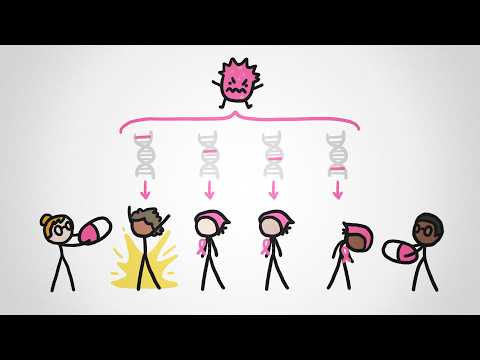
VoiceTube posted on 2024/11/16Ever wondered why we haven't cured cancer yet? This video dives into the fascinating shift towards functional precision medicine, explaining how scientists are now testing drugs on tumor samples outside the body! You'll pick up some advanced vocabulary and get a clearer picture of cutting-edge cancer research.
Learn this video on the APP!
The VoiceTube App has more in-depth practice for videos!