
a wide array
US
UK
- Phrase
- A large and impressive collection or range of things.
A1Moreadd on
US /æd ɑn/
UK /æd ɔn/
- Phrasal Verb
- To attach or include something extra.
- Countable Noun
- A feature that can be added to a computer program or website.
A1Moreairport
US /ˈerpɔ:rt/
UK /ˈeəpɔ:t/
- Noun
- A place where passenger planes land and take off
B1TOEICMoreapart from
US /əˈpɑrt frʌm/
UK /əˈpɑ:t frɔm/
- Preposition
- Except for; not considering
- In addition to; as well as
around the world
US /əˈraʊnd ði wɜrld/
UK /əˈraund ðə wɜː(r)ld/
- Phrase
- In or to many countries.
- In various places throughout the world.
A2Moreas well as
US /æz wɛl æz/
UK /æz wel æz/
- Adverb
- Also; in addition to
- Preposition
- In addition to; and also.
A1Moreat heart
US /æt hɑrt/
UK /æt hɑ:t/
- Phrase
- In one's real or essential nature; fundamentally.
A1Moreat sunrise
US
UK
- Phrase
- At the time when the sun first appears in the morning.
A1Moreby foot
US
UK
- Phrase
- Walking, instead of using transport
A2Moreby nature
US /baɪ ˈnetʃɚ/
UK /bai ˈneitʃə/
- Adverb
- Inherently; by one's character or disposition.
- Phrase
- Inherently; by one's natural disposition or character.
- According to its essential characteristics; intrinsically.
A2Morecamp
US /kæmp/
UK /kæmp/
- Noun (Countable/Uncountable)
- A (military) base
- Exaggerated behavior meant to be funny
- Intransitive Verb
- To live temporarily, e.g. in a tent or a vehicle
A2Morecampsite
US /ˈkæmpˌsaɪt/
UK /ˈkæmpsaɪt/
- Noun
- Site where people on holiday can pitch a tent
C2Morecanyon
US /ˈkænjən/
UK /'kænjən/
- Countable Noun
- Deep rock valley usually with flowing water
- A street with very tall buildings on both sides.
B2Morecaution
US /ˈkɔʃən/
UK /'kɔ:ʃn/
- Uncountable Noun
- Quality of being cautious; avoiding risk, danger
- Warning given by police for breaking traffic rules
- Transitive Verb
- To give someone a warning about a possible danger
B1Morecity center
US /ˈsɪti ˈsɛntɚ/
UK /ˈsiti ˈsentə/
- Noun (Countable/Uncountable)
- The central part of a city, especially the main business or commercial area.
- Phrase
- The main part of a city where the main commercial and administrative activities take place.
coast
US /kost/
UK /kəʊst/
- Noun
- Land near the sea or ocean
- Intransitive Verb
- To progress in something without trying hard
- (Of a vehicle) to move forward without power
A2TOEICMorecoastline
US /ˈkoʊstlaɪn/
UK /ˈkəʊstlaɪn/
- Noun
- Area of sea alongside the land in an area
C1Morecross it
US
UK
- Transitive Verb
- To cancel or eliminate something from a list or plan.
- Intransitive Verb
- To hope for good luck or a positive outcome.
A1Moredecide
US /dɪˈsaɪd/
UK /dɪ'saɪd/
- Verb (Transitive/Intransitive)
- To make a choice or choose after thinking about it
- To make a legal judgment in court
A2TOEICMoredip into
US /dɪp ˈɪntu/
UK /dip ˈɪntuː/
- Phrasal Verb
- To spend part of some money which you have been saving.
- To read parts of a book, but not the whole book.
B2Moredo laundry
US
UK
- Verb (Transitive/Intransitive)
- To wash clothes and other items, typically in a washing machine.
B2Moredown the road
US
UK
- Phrase
- At a future time; in the future.
- Along the street; a short distance away.
A1Moredue to
US /du tu/
UK /dju: tu:/
- Preposition
- Because of; owing to
- Adjective
- Attributable to; caused by.
A1Moreexcept that
US /ɪkˈsɛpt ðæt/
UK /ikˈsept ðæt/
- Conjunction
- But; with the exception that.
A2Moreexplore
US /ɪkˈsplɔr/
UK /ɪk'splɔ:(r)/
- Transitive Verb
- To examine something in detail to learn about it
- To travel to a place to discover more about it
A2TOEICMorefall short
US /fɔl ʃɔrt/
UK /fɔ:l ʃɔ:t/
- Phrasal Verb
- To fail to reach a required or expected standard or goal.
A2Morefed
US /fɛd/
UK /fed/
- Transitive Verb
- To give food, e.g. to animals or a baby
- To push something through an opening
A2Morefood tour
US
UK
- Noun
- A guided tour that focuses on sampling and learning about local cuisine.
A2Morefor the most part
US
UK
- Phrase
- Generally; mostly; on the whole.
- Mostly; generally; in most cases.
A1Moreget back to
US /ɡɛt bæk tu/
UK /ɡet bæk tu:/
- Phrasal Verb
- To get in contact with someone again
- To return to someone or something; to respond at a later time.
A1Moregrocery
US /'ɡroʊsərɪ/
UK /'ɡrəʊsərɪ/
- Uncountable Noun
- Daily foods such as flour, sugar, and tinned foods
- Countable Noun
- A store that sells food and household supplies.
B2TOEICMorehang around
US /hæŋ əˈraʊnd/
UK /hæŋ əˈraund/
- Phrasal Verb
- To spend time with someone
A2Morehave to
US /hæv tu/
UK /ˈhæv tə/
- Auxiliary Verb
- Must do
A1Morehike
US /haɪk/
UK /haɪk/
- Noun
- Large and unexpected increase in price, level etc.
- A long walk in mountains, etc. for exercise
- Intransitive Verb
- To make a large and unexpected increase in a price
- To take a long walk in mountains etc. for exercise
B1Morehike out
US /haɪk aʊt/
UK /haɪk aʊt/
- other
- To go on a long walk or trek, usually outdoors.
B1Morehike up
US
UK
- Phrasal Verb
- To increase something, often prices or taxes.
- To pull something up, like clothing.
A1Morehit the road
US /hɪt ði rəʊd/
UK /hit ðə roʊd/
- Idiom
- To begin a journey; to leave.
- To begin a journey, especially a long one, by car or other vehicle.
- Intransitive Verb
- To leave a place.
- To travel.
A1Morein place of
US /ɪn ples ʌv/
UK /in pleis ɔv/
- Phrase
- Instead of; as a substitute for.
in the middle of
US
UK
- Phrase
- In the central part or point of something.
- Engaged or occupied with something.
A2Moreitinerary
US /aɪˈtɪnəˌrɛri, ɪˈtɪn-/
UK /aɪ'tɪnərərɪ/
- Noun (Countable/Uncountable)
- A route, e.g. with times you will be somewhere
- A detailed plan for a journey, listing places to visit and things to do.
B2TOEICMorejeep
US /dʒi:p/
UK /dʒi:p/
- Noun
- Small sturdy vehicle with four-wheel drive
B2Moreknow about
US /noʊ əˈbaʊt/
UK /nəʊ əˈbaut/
- Phrasal Verb
- To have information or understanding of a subject or situation.
landscape
US /ˈlændˌskep/
UK /'lændskeɪp/
- Noun
- Area or scene of activity, especially in politics
- Picture of natural scenery in a place
- Transitive Verb
- To make gardens that improve an area of land
B1TOEICMorelegend
US /ˈlɛdʒənd/
UK /'ledʒənd/
- Noun
- List of explanations of symbols on map, etc.
- Person famous for doing something very well
B1Morelong for
US /lɔŋ fɔr/
UK /lɔŋ fɔ:/
- Phrasal Verb
- To have a strong desire or yearning for something.
A1Morelook at
US /lʊk æt/
UK /luk æt/
- Phrasal Verb
- To use your eyes to focus on something
- To focus your eyes on something carefully
A1Moremoss
US /mɔs,mɑs/
UK /mɒs/
- Uncountable Noun
- Soft green plant which grows on trees and stones
B2Morenext to
US /nɛkst tu/
UK /nekst tu:/
- Preposition
- Being located along side another
- In comparison with
- Adverb
- Almost; nearly
A1Morenorse
US /nɔ:rs/
UK /nɔ:s/
- Noun (plural)
- People from Norway in medieval times
B2Morenorthern
US
UK
- Adjective
- In or toward the north
- Coming from the north.
- Noun
- A person who comes from the north.
- The Aurora Borealis.
B1Moreoff of
US /ɔf ʌv/
UK /ɔf ɔv/
- Preposition
- From a position on something; down from.
A1Moreon average
US /ɑn ˈævərɪdʒ/
UK /ɔn ˈævəridʒ/
- Phrase
- Typically; usually; based on an average calculation.
B1Moreon earth
US /ɑn ɚθ/
UK /ɔn ə:θ/
- Phrase
- Used to emphasize a question expressing surprise or anger.
- Used to emphasize that something is not possible or will not happen.
A1Moreon site
US /ɑn saɪt/
UK /ɔn sait/
- Adverb
- At the location of a particular activity or project.
- Present at a specific location for a particular purpose.
A1Moreon to
US /ɑn tu/
UK /ɔn tu:/
- Preposition
- Toward something; forward
- Aware of someone's activities.
- Adjective
- Aware of someone's deception or illegal activities.
A1Moreopt
US /ɑ:pt/
UK /ɒpt/
- Intransitive Verb
- To choose one thing rather than other choices
B1Moreorder in
US
UK
- Phrasal Verb
- To request food from a restaurant to be delivered to one's home or other location.
out there
US /aʊt ðɛr/
UK /aut ðɛə/
- Adverb
- In or to a place that is far away
- Existing in the universe
- Adjective
- Unconventional; strange; avant-garde
- Existing or available.
A1Moreoutside of
US /aʊtˈsaɪd ʌv/
UK /ˌautˈsaid ɔv/
- Preposition
- Located or situated beyond the boundaries or confines of something.
- Beyond the scope, range, or limits of something.
A1Moreover the edge
US
UK
- Phrase
- In a state of emotional or mental breakdown; beyond the limits of what one can handle.
- Beyond the physical boundary or brink of something.
B1Moreover time
US /ˈovɚ taɪm/
UK /ˈəuvə taim/
- Phrase
- Gradually; as time passes.
- During a long period.
- Adverb
- Gradually; as time passes.
B1Morepass on
US
UK
- Phrasal Verb
- A polite way of saying 'to die'
A1Morepassed by
US
UK
- Phrasal Verb
- Went past someone or something.
- Elasped; time went by.
C2Morepeninsula
US /pəˈnɪnsjələ, -sələ/
UK /pə'nɪnsjələ/
- Noun
- Narrow strip of land projecting into a sea or lake
B2Morepop up
US /pɑp ʌp/
UK /pɔp ʌp/
- Intransitive Verb
- To appear suddenly.
- Phrasal Verb
- To appear suddenly and unexpectedly.
- To appear on a computer screen.
A1Morereflective
US /rɪˈflɛktɪv/
UK /rɪˈflektɪv/
- Adjective
- Having the ability to reflect light, heat, sound
- Thinking deeply about something; thoughtful
A2Moreremain
US /rɪˈmen/
UK /rɪˈmeɪn/
- Intransitive Verb
- To be left behind; to continue to exist
- To stay in a place when other people have gone
A2TOEICMorerental
US /ˈrɛntl:/
UK /ˈrentl/
- Noun (Countable/Uncountable)
- Home, car etc. rented for a while
- Act of renting something for a period of time
- Adjective
- Available to be rented
- Relating to something that is rented or available for rent.
A2TOEICMorerinse off
US /rɪns ɔf/
UK /rɪns ɒf/
- other
- To clean something by washing water over it.
B2Moreroute
US /rut, raʊt/
UK /ru:t/
- Noun (Countable/Uncountable)
- Way to get from one place to another place; path
- Path or way that people often use
- Transitive Verb
- To send along a particular path or way
A2TOEICMorerun through
US
UK
- Phrasal Verb
- To pierce with a sharp pointed object
- To practice or rehearse quickly, e.g. for a play
A1Moresand
US /sænd/
UK /sænd/
- Uncountable Noun
- Area composed of tiny pieces of rock near an ocean
- Small pieces of rock that make beaches and deserts
- Transitive Verb
- To cover a surface with grit e.g. roads
- To smoothen a surface with sandpaper
A2Moreset apart
US /sɛt əˈpɑrt/
UK /set əˈpɑ:t/
- Phrasal Verb
- To distinguish someone or something as special or different.
- To reserve or allocate something for a specific purpose.
- Transitive Verb
- To save or reserve something, typically money, for a specific purpose.
A2Moreset up
US /sɛt ʌp/
UK /set ʌp/
- Phrasal Verb
- To make arrangements for something; establish
- Verb (Transitive/Intransitive)
- To arrange or prepare something for use.
- To start a business, organization, etc.
A1Moreshow up
US /ʃo ʌp/
UK /ʃəu ʌp/
- Phrasal Verb
- To arrive or be seen at a place, e.g. a party
- To be noticeably better than (someone else)
A1Moresite
US /saɪt/
UK /saɪt/
- Noun (Countable/Uncountable)
- Place that is reserved for a particular activity
- Location of building work
- Transitive Verb
- To place something in a particular position, area
A2TOEICMorespend money
US /spɛnd ˈmʌni/
UK /spend ˈmʌni/
- Phrase
- To use money to buy or pay for something.
A1Morespot
US /spɑt/
UK /spɒt/
- Noun
- A certain place or area
- A difficult time; awkward situation
- Transitive Verb
- To see someone or something by chance
A2TOEICMorestart on
US /stɑrt ɑn/
UK /stɑ:t ɔn/
- Phrasal Verb
- To begin or start doing something.
- To criticize or complain to someone repeatedly.
A1Morestay back
US
UK
- Phrasal Verb
- To remain behind; not approach or advance.
A1Morestunning
US /ˈstʌnɪŋ/
UK /ˈstʌnɪŋ/
- Adjective
- Causing amazement, e.g. because so very good
- Verb (Transitive/Intransitive)
- To greatly shock or surprise; totally amaze
- To incapacitate using a special gun
B2Moresunrise
US /ˈsʌnˌraɪz/
UK /ˈsʌnraɪz/
- Noun
- The time of day we first see the sun
B1Moresymbol of
US
UK
- Phrase
- Something that represents or stands for something else, especially an object representing an abstract idea.
- A visible sign of something intangible.
B2Moretent
US /tɛnt/
UK /tent/
- Countable Noun
- Portable cloth shelter used outdoors for camping
- Intransitive Verb
- To live by camping outdoors in a cloth structure
B1Moretraditional
US /trəˈdɪʃənəl/
UK /trəˈdɪʃənl/
- Adjective
- Involved in a custom or event common to a people
A2TOEICMoretrip
US /trɪp/
UK /trɪp/
- Verb (Transitive/Intransitive)
- To release an electrical switch
- To fall by catching your foot on something
- Noun
- Act of falling down; falling over an obstacle
- Journey or visit to a place
A2Moreturn around
US /tɚn əˈraʊnd/
UK /tə:n əˈraund/
- Phrasal Verb
- To change your body to the opposite direction
- To make something running badly into a success
- Verb (Transitive/Intransitive)
- To change direction so as to face the opposite way.
- To improve or cause to improve.
A1Moreturn out
US /tɚn aʊt/
UK /tə:n aut/
- Phrasal Verb
- To arrive for a public event or entertainment
- To happen to be in the end
A1Moreturned out
US
UK
- Phrasal Verb
- To arrive for a public event or entertainment
- To happen to be in the end
- Transitive Verb
- To extinguish or switch off lights.
A1Moreused to
US /juzd tu/
UK /ˈju:st tə/
- Adjective
- Did regularly before, but don't do now
- Auxiliary Verb
- Have done before, but do not do now
A1Morevehicle
US /ˈvi:hɪkl/
UK /ˈvi:əkl/
- Noun (Countable/Uncountable)
- Machine (such as a car) used to carry things
- Means of expressing, showing, or achieving
A2TOEICMorevolcanic
US /vɑ:lˈkænɪk/
UK /vɒlˈkænɪk/
- Adjective
- (E.g. of a temperament) easily angered; violent
- Of or relating to a volcano or volcanoes
B1Morewalk behind
US /ˈwɔk bɪˈhaɪnd/
UK /ˈwɔ:k bɪˈhaɪnd/
- other
- To walk closely following someone or something behind.
A2Morewaterfall
US /ˈwɔtɚˌfɔl,ˈwɑtə-/
UK /'wɔ:təfɔ:l/
- Noun
- Steep descent of the water of a river
C2More
Vocabulary
- off of: From a position on something; down from.
- have to: Must do
- at heart: In one's real or essential nature; fundamentally.
- pop up: To appear suddenly.
- down the road: At a future time; in the future.
- next to: Being located along side another
- look at: To use your eyes to focus on something
- on to: Toward something; forward
- due to: Because of; owing to
- as well as: Also; in addition to
- around the world: In or to many countries.
- except that: But; with the exception that.
- on average: Typically; usually; based on an average calculation.
- fall short: To fail to reach a required or expected standard or goal.
- start on: To begin or start doing something.
- set up
- used to: Did regularly before, but don't do now
- do laundry: To wash clothes and other items, typically in a washing machine.
- on site: At the location of a particular activity or project.
- rinse off: To clean something by washing water over it.
- spend money: To use money to buy or pay for something.
- cross it: To cancel or eliminate something from a list or plan.
- a wide array: A large and impressive collection or range of things.
- turn around: To change your body to the opposite direction
- walk behind: To walk closely following someone or something behind.
- over the edge: In a state of emotional or mental breakdown; beyond the limits of what one can handle.
- symbol of: Something that represents or stands for something else, especially an object representing an abstract idea.
- hike up: To increase something, often prices or taxes.
- outside of: Located or situated beyond the boundaries or confines of something.
- stay back: To remain behind; not approach or advance.
- on earth: Used to emphasize a question expressing surprise or anger.
- over time: Gradually; as time passes.
- apart from: Except for; not considering
- set apart: To distinguish someone or something as special or different.
- by nature: Inherently; by one's character or disposition.
- at sunrise: At the time when the sun first appears in the morning.
- out there: In or to a place that is far away
- hit the road: To begin a journey; to leave.
- turn out: To arrive for a public event or entertainment
- hike out: To go on a long walk or trek, usually outdoors.
- turned out: To arrive for a public event or entertainment
- hang around: To spend time with someone
- for the most part: Generally; mostly; on the whole.
- know about: To have information or understanding of a subject or situation.
- passed by: Went past someone or something.
- dip into: To spend part of some money which you have been saving.
- show up: To arrive or be seen at a place, e.g. a party
- long for: To have a strong desire or yearning for something.
- run through: To pierce with a sharp pointed object
- order in: To request food from a restaurant to be delivered to one's home or other location.
- in the middle of: In the central part or point of something.
- city center: The central part of a city, especially the main business or commercial area.
- by foot: Walking, instead of using transport
- food tour: A guided tour that focuses on sampling and learning about local cuisine.
- pass on: A polite way of saying 'to die'
- get back to: To get in contact with someone again
- in place of: Instead of; as a substitute for.
- add on: To attach or include something extra.
- grocery: Daily foods such as flour, sugar, and tinned foods
- spot: A certain place or area
- explore: To examine something in detail to learn about it
- stunning: Causing amazement, e.g. because so very good
- field: Area of study, such as physics or biology
- mean: Average of a set of numbers
- remain: To be left behind; to continue to exist
- itinerary: A route, e.g. with times you will be somewhere
- create: To make, cause, or bring into existence
- landscape: Area or scene of activity, especially in politics
- route: Way to get from one place to another place; path
- vehicle: Machine (such as a car) used to carry things
- shape: The outer form of something, what it looks like
- leave: To go away from; depart
- lot: What happens to a person in life from chance; fate
- century: Period of 100 years
- place: To put someone in a particular type of situation
- coast: Land near the sea or ocean
- peninsula: Narrow strip of land projecting into a sea or lake
- trip: To release an electrical switch
- opt: To choose one thing rather than other choices
- continue: To do something without stopping, or after pausing
- decide: To make a choice or choose after thinking about it
- traditional: Involved in a custom or event common to a people
- drive: A person's ambition and motivation to do something
- legend: List of explanations of symbols on map, etc.
- great: Very good; better than before
- turn: To become (a particular age)
- perfect: So good it cannot be improved
- set: Prepared for something; ready
- person: Man, woman or child
- caution: Quality of being cautious; avoiding risk, danger
- reflective: Having the ability to reflect light, heat, sound
- site: Place that is reserved for a particular activity
- fed: To give food, e.g. to animals or a baby
- sand: Area composed of tiny pieces of rock near an ocean
- volcanic: (E.g. of a temperament) easily angered; violent
- tent: Portable cloth shelter used outdoors for camping
- coastline: Area of sea alongside the land in an area
- canyon: Deep rock valley usually with flowing water
- hike: Large and unexpected increase in price, level etc.
- northern: In or toward the north
- camp: A (military) base
- rental: Home, car etc. rented for a while
- moss: Soft green plant which grows on trees and stones
- waterfall: Steep descent of the water of a river
- airport: A place where passenger planes land and take off
- sunrise: The time of day we first see the sun
- campsite: Site where people on holiday can pitch a tent
- jeep: Small sturdy vehicle with four-wheel drive
- norse: People from Norway in medieval times
Get the full experience in the app
Learn anywhere with detailed sentence and usage analysis
01:03
She took a brave step forward, leaving behind her comfort zone to chase her dreams.
Vocabulary
- brave
adj. Having courage
- comfort zone
phr. A familiar situation where one feels safe
Explanation
a brave step is a noun phrase, where brave is an adjective modifying the noun step, meaning "a courageous step".
forward is an adverb modifying step, meaning "ahead".
The whole phrase serves as the object, answering the "what" of took (verb) — she took a brave step forward.
Get the full experience in the app
Look up words anytime with pronunciation, part of speech, and usage
brave
US/brev/
UK/breɪv/
adj.Brave
v.t.To bravely face
A2 Elementary
Get the full experience in the app
Practice speaking anytime and get instant pronunciation feedback
Try this speaking exercise.
Try practicing with this sentence.
80
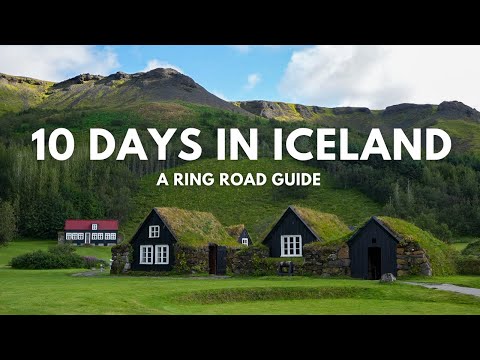
How to see Iceland in 10 Days - A Ring Road Itinerary
0
Cathy Yu posted on 2024/11/06Dreaming of Iceland? This video spills all the secrets for an epic 10-day Ring Road adventure, covering everything from the Golden Circle to Mývatn Nature Baths! You'll pick up tons of practical travel tips and advanced vocabulary perfect for planning your own budget-friendly road trip.
Learn this video on the APP!
The VoiceTube App has more in-depth practice for videos!