
account for
US /əˈkaʊnt fɔr/
UK /əˈkaunt fɔ:/
- Phrasal Verb
- To explain the cause or reason for something
- To form a particular amount or part of something.
- Verb (Transitive/Intransitive)
- To supply a reason or explanation for something.
- To form a particular amount or proportion of something.
A1Moreacross the board
US
UK
- Phrase
- Broad in scope or content
- Adverb
- Applying to all; comprehensive; universal.
- Involving all sectors, categories, or items.
A1Moreadministration
US / ædˌmɪnɪˈstreʃən/
UK /ədˌmɪnɪˈstreɪʃn/
- Uncountable Noun
- Act of giving e.g. medicine to a patient
- The work of running something, e.g. a business
B1TOEICMoreafter all
US /ˈæftɚ ɔl/
UK /ˈɑ:ftə ɔ:l/
- Adverb
- In spite of what was expected; used to introduce a statement that supports a previous statement or explains why it was made
- Considering everything; used to indicate that something is happening or is true despite some difficulty or obstacle
- Phrase
- Despite what was expected or thought; in spite of everything.
- Taking everything into consideration; considering that.
B1Morealong with
US /əˈlɔŋ wɪð/
UK /əˈlɔŋ wið/
- Preposition
- In addition to; together with.
- Adverb
- In company or together with someone or something.
- Including; in addition to.
A2Moreanswer to
US
UK
- Phrasal Verb
- To be responsible to someone and have to explain your actions to them.
- To correspond to or match a description or requirement.
A1Moreapart from
US /əˈpɑrt frʌm/
UK /əˈpɑ:t frɔm/
- Preposition
- Except for; not considering
- In addition to; as well as
around the world
US /əˈraʊnd ði wɜrld/
UK /əˈraund ðə wɜː(r)ld/
- Phrase
- In or to many countries.
- In various places throughout the world.
A2Moreas a result of
US
UK
- Phrase
- Because of something; owing to.
A1Moreas well as
US /æz wɛl æz/
UK /æz wel æz/
- Adverb
- Also; in addition to
- Preposition
- In addition to; and also.
A1Moreas with
US /æz wɪð/
UK /æz wið/
- Preposition
- In the same way that something happens or is true of something else.
A1Moreat a moment's notice
US /ət ə ˈmoʊmənts ˈnoʊtəs/
UK /ət ə ˈməumənts ˈnəutis/
- other
- With very little warning or time before something happens.
B2Moreat best
US /æt bɛst/
UK /æt best/
- Phrase
- Under the most optimistic or favorable circumstances; the most that can be hoped for.
A1Moreat home
US /æt hom/
UK /æt həum/
- Phrase
- In one's own residence or country.
- Adjective
- Feeling comfortable and relaxed.
at least
US /æt list/
UK /æt li:st/
- Adverb
- As a minimum
- Not less than
- Phrase
- No less than; at the minimum
- Used to indicate that something is positive in a bad situation.
C2Moreat risk
US
UK
- Phrase
- In danger; likely to be harmed
at some point
US /æt sʌm pɔɪnt/
UK /æt sʌm pɔint/
- Phrase
- At an unspecified time, usually in the future.
A1Moreat the point of
US /ət ðə ˈpɔɪnt ʌv/
UK /ət ðə ˈpɒint əv/
- Preposition
- Just about to do something or reach a state.
B2Moreat the same time
US
UK
- Phrase
- Simultaneously; at the identical moment.
- Nevertheless; however; used to introduce a contrasting or qualifying statement.
A1Moreattentive to
US
UK
- Adjective
- Paying close attention to someone or something.
- Considerate and helpful; making sure that people have what they need.
A1Morebased on
US
UK
- Phrasal Verb
- To use something as the foundation or starting point for something else.
- Preposition
- Using something as the main idea or foundation.
- Relying on something as evidence or justification.
A1Morebring in
US /brɪŋ ɪn/
UK /briŋ in/
- Phrasal Verb
- To earn a certain amount of money or profits
- To add person into existing group, e.g. phone call
A1Morecarry out
US /ˈkæri aʊt/
UK /ˈkæri aut/
- Phrasal Verb
- To fulfill or perform your instructions, duty
- Verb (Transitive/Intransitive)
- To perform or execute a task, order, or plan.
- To remove something or someone from a place.
A1Morecharged with
US
UK
- Transitive Verb
- To be officially accused of something
- To entrust someone with a duty or responsibility
B1Morecome from
US /kʌm frʌm/
UK /kʌm frɔm/
- Phrasal Verb
- To have as your native country or city
A1Morecome up
US /kʌm ʌp/
UK /kʌm ʌp/
- Phrasal Verb
- To come closer to someone; approach
- (Of sun) to rise into the sky in the morning
A1Moreconcern about
US
UK
- Intransitive Verb
- To worry about something.
B2Moreconvert to
US
UK
- Phrasal Verb
- To change into another form, substance, state, or product.
B2Morecrack down
US /kræk daʊn/
UK /kræk daun/
- Phrasal Verb
- To act forcefully in order to reduce crime, etc.
B1Morecritical to
US
UK
- Adjective
- Extremely important or essential.
- Of decisive importance with reference to the outcome of something; vital.
B2Morecut off
US /kʌt ɔf/
UK /kʌt ɔf/
- Phrasal Verb
- To end a process, e.g. a phone call
- To cut the end of something
- Transitive Verb
- To isolate or prevent access to a place or person.
- To interrupt someone while they are speaking.
A1Moredeal with
US /dil wɪð/
UK /di:l wið/
- Verb (Transitive/Intransitive)
- To buy or sell goods or services.
- Phrasal Verb
- To take action to solve a problem or manage a situation.
- To be about; concern.
A1Moredevil's advocate
US /ˈdɛvəlz ˈædvəkət/
UK /ˈdevəlz ˈædvəkət/
- other
- One who argues against a position to test its strength.
C1Moredo harm
US
UK
- Transitive Verb
- To cause damage or injury.
B2Moredrill down
US /drɪl daʊn/
UK /dril daun/
- Phrasal Verb
- To examine something in detail; to analyze deeply.
A1Moredue to
US /du tu/
UK /dju: tu:/
- Preposition
- Because of; owing to
- Adjective
- Attributable to; caused by.
A1Moreengage in
US /ɪn'gedʒ ɪn/
UK /ɪnˈɡeɪdʒ in/
- Phrasal Verb
- To participate or become involved in something.
B1Moreever since
US /ˈɛvɚ sɪns/
UK /ˈevə sins/
- Adverb
- Continuously from a past time until now.
- Conjunction
- From the time that; because.
B2Morefactor in
US /ˈfæktɚ ɪn/
UK /ˈfæktə in/
- Phrasal Verb
- To include something as an important element when making a decision or calculation.
B2Morefence
US /fɛns/
UK /fens/
- Countable Noun
- Wood, metal structure enclosing an area, land
- The sport of fighting with swords, especially foils, épées, or sabres.
- Transitive Verb
- To enclose an area (with a wall or boundary)
B1TOEICMorefill in
US /fɪl ɪn/
UK /fil in/
- Phrasal Verb
- To put earth in e.g. a hole
- To explain the context so that someone understands
- Verb (Transitive/Intransitive)
- To write or type information in a blank space.
- To temporarily do someone else's job.
A1Morefocus
US /ˈfokəs/
UK /'fəʊkəs/
- Verb (Transitive/Intransitive)
- To see clearly by adjusting your eyes or a camera
- To keep your attention, concentration on one thing
- Noun (Countable/Uncountable)
- Main purpose or center of interest or activity
- The clarity of an image produced by a lens.
A2TOEICMorefollow up on
US
UK
- Phrasal Verb
- To investigate or check on something.
- To pursue something further after an initial action.
A1Morefor Africa
US /fɚ ˈæfrɪkə/
UK /fə ˈæfrɪkə/
- other
- Intended specifically for the continent of Africa.
B2Morefor instance
US /fɔr ˈɪnstəns/
UK /fɔ: ˈinstəns/
- Adverb
- As an example.
- Phrase
- As an example.
- As an illustration or case in point
B1Morefor myself
US /fɚ maɪˈsɛlf/
UK /fə maɪˈself/
- other
- Done for one's own benefit or use.
A1Morefor the benefit
US
UK
- Phrase
- In order to help or be useful to someone or something.
A1Moregain access
US
UK
- Verb (Transitive/Intransitive)
- To obtain the ability or right to enter or use something.
B1Moregame on
US /ɡem ɑn/
UK /ɡeim ɔn/
- Interjection
- An exclamation indicating the start of a game or activity.
- An exclamation indicating acceptance of a challenge.
A1Moreget at
US /ɡɛt æt/
UK /ɡet æt/
- Phrasal Verb
- To criticize someone, often personally
- To imply something; hint at
A1Morego ahead
US /ɡo əˈhɛd/
UK /ɡəu əˈhed/
- Phrasal Verb
- To start an activity; start doing, working etc.
- To give permission to do something
- Intransitive Verb
- To start or proceed with something
- To proceed despite potential obstacles or doubts.
A1Morego along with
US /ɡo əˈlɔŋ wɪð/
UK /ɡəu əˈlɔŋ wið/
- Phrasal Verb
- To agree to do something
A1Morego back to
US /ɡo bæk tu/
UK /ɡəu bæk tu:/
- Phrasal Verb
- To return to a starting point
A1Morego out
US /ɡo aʊt/
UK /ɡəu aut/
- Phrase
- To leave a building (e.g. a house)
- Phrasal Verb
- (Of a fire) to burn out; be extinguished
- Go out of fashion to stop being fashionable
A1Moregot to
US /ɡɑt tu/
UK /gɔt tu:/
- Verb (Transitive/Intransitive)
- To arrive at some place
- To have the opportunity or permission to do something
- Phrasal Verb
- To appeal to the emotions of; move
- To finally begin to start something after a delay
A1Morehave at
US
UK
- Phrasal Verb
- To attack someone or something.
- To begin doing something with enthusiasm.
A1Morehave to
US /hæv tu/
UK /ˈhæv tə/
- Auxiliary Verb
- Must do
A1Morehold on
US /hold ɑn/
UK /həuld ɔn/
- Phrasal Verb
- To wait for someone (e.g. on a phone call)
- To wait for a short time.
A1Morein a state
US
UK
- Phrase
- In a particular condition or situation.
- In an emotional condition, often negative (e.g., panic, distress).
B2Morein comparison
US /ɪn kəmˈpærɪsən/
UK /in kəmˈpærisən/
- Adverb
- When compared to something else.
- Phrase
- When compared to something else.
- When considering the differences between two or more things.
A1Morein fact
US /ɪn fækt/
UK /in fækt/
- Adverb
- Used to emphasize the truth of a statement, especially one that contrasts with or contradicts something else.
- Used to introduce a more detailed or surprising piece of information.
- Phrase
- Used to emphasize the truth of a statement, especially one that is surprising or contrary to what might be expected.
C1Morein light of
US /ɪn laɪt ʌv/
UK /in lait ɔv/
- Phrase
- Because of; considering
- Preposition
- Considering; taking into account
- Because of; as a result of
A1Morein line with
US /ɪn laɪn wɪð/
UK /in lain wið/
- Phrase
- In agreement with; conforming to.
- In the same direction or alignment as.
- Preposition
- In agreement or conformity with.
A2Morein particular
US /ɪn pɚˈtɪkjəlɚ/
UK /in pəˈtikjulə/
- Phrase
- Specifically; especially.
- Detailed or precise.
A1Morein question
US /ɪn ˈkwɛstʃən/
UK /in ˈkwestʃən/
- Adjective
- Being doubted or disputed; under discussion.
- Referring to someone or something that has already been mentioned.
A1Morein solidarity
US
UK
- Phrase
- With unity or agreement of feeling or action, especially among individuals with a common interest; showing support or sympathy.
C1Morein sync
US /ɪn sɪŋk/
UK /in siŋk/
- Adjective
- Operating or occurring at the same time or rate.
- Adverb
- In a state of coordination or harmony.
in terms of
US
UK
- Phrase
- With regard to; concerning a particular aspect.
A1Morein the face of
US //ɪn ðə feɪs ɑv//
UK
- Phrase
- When confronted with something difficult or challenging.
- Despite; in defiance of; when confronted with.
A1Morein the first place
US
UK
- Phrase
- To begin with; as the first point or consideration.
- From the beginning; initially.
A1Morein the future
US /ɪn ði ˈfjutʃɚ/
UK /in ðə ˈfju:tʃə/
- Phrase
- At a later time; in times to come.
A1Morein the loop
US
UK
- Phrase
- Being kept informed about something.
- Included in a group that shares information.
- Adjective
- Included in a group that shares information.
A1Morein the past
US
UK
- Phrase
- During a former period of time; previously.
A1Morein the west
US
UK
- Phrase
- Located in or towards the west.
- Located in the western part of a country or region.
A1Morein the world
US /ɪn ði wɜrld/
UK /in ðə wɜː(r)ld/
- Phrase
- Used to emphasize a question expressing surprise, confusion, or disbelief.
- Used to indicate the extent or degree of something, often in a superlative sense.
A1Morein touch
US /ɪn tʌtʃ/
UK /in tʌtʃ/
- Adjective
- Having contact or communication with someone.
- Aware of or informed about something.
B1Moreinteract with
US /ˌɪntɚˈækt wɪð/
UK /ˌɪntərˈækt wið/
- Phrase
- Verb (Transitive/Intransitive)
- To engage in communication or action involving mutual or reciprocal influence.
- To use a computer interface to achieve a specific goal.
A2Moreinterest of
US
UK
- Phrase
- For the benefit or advantage of someone or something.
- A feeling of wanting to know or learn about something or someone.
- Noun
- A legal share or right in something.
A1Morejust kind of
US
UK
- Phrase
- Used to express a feeling or state in a vague or hesitant way.
- Used to indicate something is approximately or generally similar to something else.
A2Morelight on
US /laɪt ɑn/
UK /lait ɔn/
- Phrasal Verb
- To illuminate something.
- To discover something unexpectedly.
- Adjective
- Gentle or delicate in the use of something.
A1Morelocal communities
US
UK
- Noun (plural)
- Groups of people living in the same area or having particular characteristics in common.
- Neighborhoods or districts where people share social connections and common interests.
B2Morelone wolf
US
UK
- Noun
- A person who prefers to act alone, without the need for social interaction or support from others.
- An individual who acts alone in committing violent acts, without direct orders or support from an organization.
look at
US /lʊk æt/
UK /luk æt/
- Phrasal Verb
- To use your eyes to focus on something
- To focus your eyes on something carefully
A1Morelook to
US
UK
- Phrasal Verb
- Be looking to. be planning to (do something)
- To expect someone to do something for you; rely on
A1Moremade public
US
UK
- Verb (Transitive/Intransitive)
- To reveal or announce something to everyone.
A1Moremeet with
US /mit wɪð/
UK /mi:t wið/
- Phrasal Verb
- To have a meeting with someone in order to discuss something.
- To encounter or experience something, often something negative.
million dollar
US
UK
- Adjective
- Extremely valuable or impressive; very expensive.
move around
US /muv əˈraʊnd/
UK /mu:v əˈraund/
- Phrasal Verb
- To change position or location; to go from place to place.
- Intransitive Verb
- To spread or circulate (e.g., information, rumors).
move beyond
US
UK
- Phrasal Verb
- To go past or exceed a limit, boundary, or set of expectations.
B2Moreof course
US /ʌv kɔː(r)s/
UK /ɔv kɔː(r)s/
- Adverb
- Sure ; Certainly
- Phrase
- For sure; certainly
A2Moreoffer up
US /ˈɔfɚ ʌp/
UK /ˈɔfə ʌp/
- Phrasal Verb
- To present something, especially to God, as a sacrifice or offering.
- To present or suggest something for consideration.
A1Moreon a daily basis
US
UK
- Phrase
- Happening every day.
A1Moreon board
US /ɑn bɔrd/
UK /ɔn bɔ:d/
- Phrase
- Being on a ship, plane, or other vehicle
- Adverb
- On or in a ship, aircraft, train, or other vehicle
A1Moreon occasion
US /ɑn əˈkeʒən/
UK /ɔn əˈkeiʒən/
- Idiom
- Sometimes, but not regularly.
- Phrase
- Sometimes, but not regularly or often
B1Moreon the fence
US /ɑn ði fɛns/
UK /ɔn ðə fens/
- Phrase
- Undecided; wavering between two options.
- Remaining neutral; not taking sides in a dispute.
A1Moreon the ground
US
UK
- Phrase
- Located on the surface of the earth.
- Present and available in a particular place, especially to deal with a situation.
on the hook
US /ɑn ði hʊk/
UK /ɔn ðə huk/
- Idiom
- Responsible or liable for something, often a debt or mistake.
- In a difficult or dangerous situation; at risk.
B2Moreon the job
US /ɑn ði dʒɑb/
UK /ɔn ðə dʒɔb/
- Phrase
- While working; during the course of employment.
A1Moreon the order of
US /ɑn ðə ˈɔrdɚ ʌv/
UK /ɒn ðə ˈɔ:də ɒv/
- Preposition
- Approximately; about a certain amount or number.
C1Moreon the other side of
US /ɑn ði ˈʌðɚ ˈsaɪd ʌv/
UK /ɒn ði ˈʌðə ˈsaɪd ɒv/
- Preposition
- Located across something from a given point.
A2Moreon to
US /ɑn tu/
UK /ɔn tu:/
- Preposition
- Toward something; forward
- Aware of someone's activities.
- Adjective
- Aware of someone's deception or illegal activities.
A1Moreongoing
US /ˈɑ:ngoʊɪŋ/
UK /ˈɒngəʊɪŋ/
- Adjective
- Continuing to exist or be in progress
- Noun (Countable/Uncountable)
- A situation or process that is currently taking place or is in progress.
- A problem or difficulty that continues to exist or happen.
B1Moreout there
US /aʊt ðɛr/
UK /aut ðɛə/
- Adverb
- In or to a place that is far away
- Existing in the universe
- Adjective
- Unconventional; strange; avant-garde
- Existing or available.
A1Moreoutside of
US /aʊtˈsaɪd ʌv/
UK /ˌautˈsaid ɔv/
- Preposition
- Located or situated beyond the boundaries or confines of something.
- Beyond the scope, range, or limits of something.
A1Moreover the fence
US /ˈoʊvɚ ðə ˈfɛns/
UK /ˈəuvə ðə ˈfens/
- Preposition
- Beyond a physical or figurative boundary or limit.
B1Moreover time
US /ˈovɚ taɪm/
UK /ˈəuvə taim/
- Phrase
- Gradually; as time passes.
- During a long period.
- Adverb
- Gradually; as time passes.
B1Moreplay in
US
UK
- Phrasal Verb
- To participate or compete in a game or competition.
- To have a role in a theatrical production.
A1Morepop up
US /pɑp ʌp/
UK /pɔp ʌp/
- Intransitive Verb
- To appear suddenly.
- Phrasal Verb
- To appear suddenly and unexpectedly.
- To appear on a computer screen.
A1Morepresident
US /ˈprɛzɪdənt,-ˌdɛnt/
UK /ˈprezɪdənt/
- Noun
- Person in charge of a country, or organization
- The highest-ranking executive in a corporation or organization.
A2TOEICMorepress
US /prɛs/
UK /pres/
- Noun
- Machine using pressure to shape, flatten, squeeze
- General term for TV, radio, newspapers
- Transitive Verb
- To make clothes smooth using a heated iron; iron
- To repeatedly ask someone to do something
A2TOEICMoreprior to
US /ˈpraɪɚ tu/
UK /ˈpraiə tu:/
- Preposition
- Before a particular time or event.
C1Morepush back
US /pʊʃ bæk/
UK /puʃ bæk/
- Phrasal Verb
- To force someone to withdraw or retreat
- Verb (Transitive/Intransitive)
- To resist or oppose something.
- To move something to a later time or date; to postpone.
A1Moreput it together
US
UK
- Phrasal Verb
- To assemble or construct something from separate parts.
- To organize or create something, such as a plan or presentation.
A1Moreramp up
US /ræmp ʌp/
UK /ræmp ʌp/
- Phrasal Verb
- To increase the level or amount of something sharply.
reach out
US /ritʃ aʊt/
UK /ri:tʃ aut/
- Phrasal Verb
- To attempt to communicate with someone.
- To offer help and support to someone.
B1Moreread out
US /rid aʊt/
UK /ri:d aut/
- Phrasal Verb
- To read something aloud so that other people can hear it.
- Verb (Transitive/Intransitive)
- To display a particular value or measurement.
- To retrieve and display data from a storage device.
A1Morerule out
US /rul aʊt/
UK /ru:l aut/
- Phrasal Verb
- To eliminate as a possibility; exclude.
A1Moresame time
US
UK
- Phrase
- Occurring simultaneously or at the same point in time.
- At the identical time as before; recurring at a fixed hour.
- Noun
- An equal duration or period.
A1Moresecurity
US /sɪˈkjʊrɪti/sə'kjurətɪ/
UK /sɪ'kjʊərətɪ/
- Noun
- Department in a company in charge of protection
- Financial document, like stocks, bonds and notes
A2TOEICMoreshow up
US /ʃo ʌp/
UK /ʃəu ʌp/
- Phrasal Verb
- To arrive or be seen at a place, e.g. a party
- To be noticeably better than (someone else)
A1Moreshut down
US /ʃʌt daʊn/
UK /ʃʌt daun/
- Phrasal Verb
- To close an operating system, e.g. on a computer
- To stop a factory/machine from operating
- Transitive Verb
- To deactivate a nuclear reactor.
- To turn off a computer or other electronic device.
A2Morespeak to
US /spik tu/
UK /spi:k tu:/
- Verb (Transitive/Intransitive)
- To address or communicate with someone.
- To indicate or suggest something; to be relevant to.
A1Morespend money
US /spɛnd ˈmʌni/
UK /spend ˈmʌni/
- Phrase
- To use money to buy or pay for something.
A1Morespend more time
US
UK
- Phrase
- To dedicate a greater amount of time to a particular activity or person.
A1Moresymbol of
US
UK
- Phrase
- Something that represents or stands for something else, especially an object representing an abstract idea.
- A visible sign of something intangible.
B2Moretake on
US /tek ɑn/
UK /teik ɔn/
- Phrasal Verb
- To acquire a new characteristic
- To accept a new responsibility, role
A1Moretalk about it
US /tɔk əˈbaʊt ɪt/
UK /tɔ:k əˈbaut it/
- Verb (Transitive/Intransitive)
- To discuss a particular subject.
A1Moretalking about
US
UK
- Phrasal Verb
- To discuss a particular topic.
- To be constantly mentioning or bringing up a subject.
A1Moretap into
US /tæp ˈɪntu/
UK /tæp ˈɪntuː/
- Phrasal Verb
- To manage to use something in a way that brings you benefits
- To understand and express something that people are feeling
B1Moreterrorist
US /ˈtɛrərɪst/
UK /ˈterərɪst/
- Noun (Countable/Uncountable)
- Radical who employs terror as a political weapon
- Adjective
- Relating to or characteristic of terrorism or terrorists.
A2Morethink about
US /θɪŋk əˈbaʊt/
UK /θiŋk əˈbaut/
- Phrasal Verb
- To consider something carefully.
- To remember or call to mind.
A1Morethink of
US /θɪŋk ʌv/
UK /θiŋk ɔv/
- Phrasal Verb
- To look on as (being something specific); consider
- To consider or remember something.
- Verb (Transitive/Intransitive)
- To imagine or call something to mind
A1Morethreat to
US
UK
- Phrase
- A person or thing likely to cause damage or danger.
- A statement of an intention to inflict pain, injury, damage, or other hostile action on someone in retribution for or opposition to something done or not done.
B2Moreto some extent
US /tu sʌm ɪkˈstɛnt/
UK /tu: sʌm iksˈtent/
- Phrase
- Partially; not completely.
A1Moretried and true
US
UK
- Adjective
- Proven to be reliable or effective.
A2Moreturn over
US /tɚn ˈovɚ/
UK /tə:n ˈəuvə/
- Phrasal Verb
- To lose possession of a ball in sports
- To consider something carefully in your mind
A1Moreupdate on
US
UK
- Verb (Transitive/Intransitive)
- To provide the latest information about something.
B1Moreused to
US /juzd tu/
UK /ˈju:st tə/
- Adjective
- Did regularly before, but don't do now
- Auxiliary Verb
- Have done before, but do not do now
A1Morewith it
US /wɪð ɪt/
UK /wið it/
- Adjective
- Intelligent, alert, and up-to-date.
- Understanding and knowledgeable about current trends or information.
A1Morewith respect to
US /wɪð rɪˈspɛkt tu/
UK /wið risˈpekt tu:/
- Preposition
- In relation to; regarding.
- Phrase
- In relation to; concerning.
A1Morework at
US /wɚk æt/
UK /wə:k æt/
- Phrasal Verb
- To have a job at a particular place or organization.
- To make an effort to improve something.
A1Morework in
US /wɚk ɪn/
UK /wə:k in/
- Phrasal Verb
- To make an opening for something in your schedule
- To fit person/thing into a schedule or sequence
A1Morework through
US
UK
- Phrasal Verb
- To deal with something systematically until it is completed
- To deal with a problem or difficult situation.
wrap up
US /ræp ʌp/
UK /ræp ʌp/
- Phrasal Verb
- To complete something, such as a film or project
- To finish; bring something to a conclusion
- Transitive Verb
- To enclose (something) in paper or soft material.
B1More
Vocabulary
- have to: Must do
- in terms of
- around the world: In or to many countries.
- talking about: To discuss a particular topic.
- at the same time: Simultaneously; at the identical moment.
- same time: Occurring simultaneously or at the same point in time.
- at least: As a minimum
- rule out: To eliminate as a possibility; exclude.
- in particular: Specifically; especially.
- as well as: Also; in addition to
- in the past: During a former period of time; previously.
- in the first place: To begin with; as the first point or consideration.
- of course: Sure ; Certainly
- play in: To participate or compete in a game or competition.
- concern about: To worry about something.
- interest of: For the benefit or advantage of someone or something.
- on a daily basis: Happening every day.
- on the ground: Located on the surface of the earth.
- with respect to: In relation to; regarding.
- at some point: At an unspecified time, usually in the future.
- cut off: To end a process, e.g. a phone call
- for instance: As an example.
- bring in: To earn a certain amount of money or profits
- million dollar: Extremely valuable or impressive; very expensive.
- just kind of: Used to express a feeling or state in a vague or hesitant way.
- lone wolf: A person who prefers to act alone, without the need for social interaction or support from others.
- over the fence: Beyond a physical or figurative boundary or limit.
- deal with
- speak to: To address or communicate with someone.
- based on: To use something as the foundation or starting point for something else.
- in the west: Located in or towards the west.
- in line with: In agreement with; conforming to.
- carry out
- update on: To provide the latest information about something.
- get at: To criticize someone, often personally
- look at: To use your eyes to focus on something
- in question: Being doubted or disputed; under discussion.
- account for: To explain the cause or reason for something
- as a result of: Because of something; owing to.
- made public: To reveal or announce something to everyone.
- shut down: To close an operating system, e.g. on a computer
- come from: To have as your native country or city
- tried and true: Proven to be reliable or effective.
- due to: Because of; owing to
- as with: In the same way that something happens or is true of something else.
- out there: In or to a place that is far away
- gain access: To obtain the ability or right to enter or use something.
- look to: Be looking to. be planning to (do something)
- outside of: Located or situated beyond the boundaries or confines of something.
- tap into: To manage to use something in a way that brings you benefits
- push back: To force someone to withdraw or retreat
- in comparison: When compared to something else.
- across the board: Broad in scope or content
- move beyond: To go past or exceed a limit, boundary, or set of expectations.
- pop up: To appear suddenly.
- spend money: To use money to buy or pay for something.
- to some extent: Partially; not completely.
- at the point of: Just about to do something or reach a state.
- in the face of: When confronted with something difficult or challenging.
- drill down: To examine something in detail; to analyze deeply.
- over time: Gradually; as time passes.
- convert to: To change into another form, substance, state, or product.
- go out: To leave a building (e.g. a house)
- in the world: Used to emphasize a question expressing surprise, confusion, or disbelief.
- in solidarity: With unity or agreement of feeling or action, especially among individuals with a common interest; showing support or sympathy.
- in fact: Used to emphasize the truth of a statement, especially one that contrasts with or contradicts something else.
- do harm: To cause damage or injury.
- in sync: Operating or occurring at the same time or rate.
- in the future: At a later time; in times to come.
- used to: Did regularly before, but don't do now
- local communities: Groups of people living in the same area or having particular characteristics in common.
- hold on: To wait for someone (e.g. on a phone call)
- engage in: To participate or become involved in something.
- threat to: A person or thing likely to cause damage or danger.
- prior to: Before a particular time or event.
- on the fence: Undecided; wavering between two options.
- critical to: Extremely important or essential.
- on the job: While working; during the course of employment.
- at a moment's notice: With very little warning or time before something happens.
- for myself: Done for one's own benefit or use.
- in touch: Having contact or communication with someone.
- crack down: To act forcefully in order to reduce crime, etc.
- at risk: In danger; likely to be harmed
- move around: To change position or location; to go from place to place.
- go ahead: To start an activity; start doing, working etc.
- show up: To arrive or be seen at a place, e.g. a party
- work at: To have a job at a particular place or organization.
- think about: To consider something carefully.
- in light of: Because of; considering
- charged with: To be officially accused of something
- wrap up: To complete something, such as a film or project
- in a state: In a particular condition or situation.
- game on: An exclamation indicating the start of a game or activity.
- ramp up: To increase the level or amount of something sharply.
- put it together: To assemble or construct something from separate parts.
- ever since: Continuously from a past time until now.
- talk about it: To discuss a particular subject.
- for Africa: Intended specifically for the continent of Africa.
- at home: In one's own residence or country.
- devil's advocate: One who argues against a position to test its strength.
- symbol of: Something that represents or stands for something else, especially an object representing an abstract idea.
- on the hook: Responsible or liable for something, often a debt or mistake.
- read out: To read something aloud so that other people can hear it.
- think of: To look on as (being something specific); consider
- for the benefit: In order to help or be useful to someone or something.
- attentive to: Paying close attention to someone or something.
- come up: To come closer to someone; approach
- on occasion: Sometimes, but not regularly.
- light on: To illuminate something.
- spend more time: To dedicate a greater amount of time to a particular activity or person.
- on to: Toward something; forward
- interact with
- answer to: To be responsible to someone and have to explain your actions to them.
- follow up on: To investigate or check on something.
- reach out: To attempt to communicate with someone.
- apart from: Except for; not considering
- fill in: To put earth in e.g. a hole
- on the order of: Approximately; about a certain amount or number.
- on board: Being on a ship, plane, or other vehicle
- have at: To attack someone or something.
- take on: To acquire a new characteristic
- meet with: To have a meeting with someone in order to discuss something.
- at best: Under the most optimistic or favorable circumstances; the most that can be hoped for.
- turn over: To lose possession of a ball in sports
- offer up: To present something, especially to God, as a sacrifice or offering.
- got to: To arrive at some place
- go back to: To return to a starting point
- on the other side of: Located across something from a given point.
- in the loop: Being kept informed about something.
- work in: To make an opening for something in your schedule
- along with: In addition to; together with.
- with it: Intelligent, alert, and up-to-date.
- go along with: To agree to do something
- work through: To deal with something systematically until it is completed
- factor in: To include something as an important element when making a decision or calculation.
- after all: In spite of what was expected; used to introduce a statement that supports a previous statement or explains why it was made
- sort: To organize things by putting them into groups
- people: Persons sharing culture, country, background, etc.
- security: Department in a company in charge of protection
- press: Machine using pressure to shape, flatten, squeeze
- secret: Kept hidden from others; Known only to a few people
- president: Person in charge of a country, or organization
- focus: To see clearly by adjusting your eyes or a camera
- administration: Act of giving e.g. medicine to a patient
- service: Work that a person does to assist others
- house: Place where a specific activity or business occurs
- terrorist: Radical who employs terror as a political weapon
- white: Person's name
- ongoing: Continuing to exist or be in progress
- secretary: Office worker who makes appointments, etc.
- fence: Wood, metal structure enclosing an area, land
Get the full experience in the app
Learn anywhere with detailed sentence and usage analysis
01:03
She took a brave step forward, leaving behind her comfort zone to chase her dreams.
Vocabulary
- brave
adj. Having courage
- comfort zone
phr. A familiar situation where one feels safe
Explanation
a brave step is a noun phrase, where brave is an adjective modifying the noun step, meaning "a courageous step".
forward is an adverb modifying step, meaning "ahead".
The whole phrase serves as the object, answering the "what" of took (verb) — she took a brave step forward.
Get the full experience in the app
Look up words anytime with pronunciation, part of speech, and usage
brave
US/brev/
UK/breɪv/
adj.Brave
v.t.To bravely face
A2 Elementary
Get the full experience in the app
Practice speaking anytime and get instant pronunciation feedback
Try this speaking exercise.
Try practicing with this sentence.
80
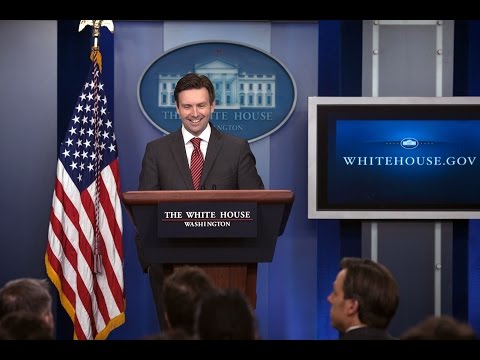
10/23/14: White House Press Briefing
0
稲葉白兎 posted on 2014/10/25Ever wondered how governments tackle terrorist financing? This White House press briefing dives deep into the strategy to cut off ISIL's funding, from oil sales to ransom payments. You'll pick up key vocabulary related to finance and international security, giving you a real-world look at global efforts!
Learn this video on the APP!
The VoiceTube App has more in-depth practice for videos!