
after all
US /ˈæftɚ ɔl/
UK /ˈɑ:ftə ɔ:l/
- Adverb
- In spite of what was expected; used to introduce a statement that supports a previous statement or explains why it was made
- Considering everything; used to indicate that something is happening or is true despite some difficulty or obstacle
- Phrase
- Despite what was expected or thought; in spite of everything.
- Taking everything into consideration; considering that.
B1Moreall over the place
US
UK
- Phrase
- In a state of disorder; scattered everywhere.
- In many different locations; widely distributed.
- Adjective
- Mentally or emotionally disorganized; confused or erratic.
A1Moreat least
US /æt list/
UK /æt li:st/
- Adverb
- As a minimum
- Not less than
- Phrase
- No less than; at the minimum
- Used to indicate that something is positive in a bad situation.
C2Moreby and large
US /baɪ ənd lɑrdʒ/
UK /bai ænd lɑ:dʒ/
- Phrase
- Generally; on the whole; mostly.
- Taking everything into consideration; all things considered.
A2Morecap
US /kæp/
UK /kæp/
- Noun (Countable/Uncountable)
- Covering for the end or top of something
- Transitive Verb
- To cover the top or end of an object
- To limit the amount of usage of something
B1Morecasual
US /ˈkæʒuəl/
UK /ˈkæʒuəl/
- Adjective
- Being careless or having little thought or effort
- (Of clothes, etc.) not formal; easy to wear
- Countable Noun
- A worker employed on a temporary or irregular basis.
- A job as a musician that is not regular or permanent.
A2Morecivilian
US /sɪˈvɪljən/
UK /sə'vɪlɪən/
- Countable Noun
- Ordinary person who is not in the army
- Adjective
- Relating to civilians; not military.
B2Morecloak
US /kloʊk/
UK /kləʊk/
- Noun
- Long loose garment worn over clothes, for warmth
B2Moreclose down
US /kloz daʊn/
UK /kləuz daun/
- Phrasal Verb
- To shut an operation, company, shop
A1Morecontribute
US /kənˈtrɪbjut/
UK /kən'trɪbju:t/
- Verb (Transitive/Intransitive)
- To be a factor in causing something to happen
- To donate, give (money) or help to something
A2Morecrown
US /kraʊn/
UK /kraʊn/
- Transitive Verb
- To put a crown on to make someone a king/queen
- To officially give someone the winners title
- Noun
- A gold ring put on a King or Queen’s head
- An artificial cap on a tooth
B1Moredecline
US /dɪˈklaɪn/
UK /dɪ'klaɪn/
- Intransitive Verb
- To bend towards the ground
- To slope downward.
- Verb (Transitive/Intransitive)
- To lessen in quality or value
A2TOEICMoredetermine
US /dɪˈtɚmɪn/
UK /dɪ'tɜ:mɪn/
- Transitive Verb
- To control exactly how something will be or act
- To establish the facts about; discover
A2TOEICMoredie out
US /daɪ aʊt/
UK /dai aut/
- Phrasal Verb
- To disappear completely; to become extinct
A1Moreemerge
US /ɪˈmɚdʒ/
UK /ɪ'mɜ:dʒ/
- Intransitive Verb
- To rise or appear out of some background
- To become known or apparent.
A2TOEICMorefamously
US /ˈfeməsli/
UK /ˈfeɪməsli/
- Adverb
- In a manner or to an extent that is well known
B1Morefashionable
US /ˈfæʃənəbəl/
UK /ˈfæʃnəbl/
- Adjective
- Behaving and dressing as is currently popular
- Trend that is popular at a given time
B1Morefedora
US
UK
- Noun
- Hat made of felt with a brim and a creased crown
C2Moreflat
US /flæt/
UK /flæt/
- Noun (Countable/Uncountable)
- Apartment; set of rooms for living in
- The smooth or level part of something
- Verb (Transitive/Intransitive)
- To share an apartment with someone
- To fail to produce the intended effect; to be unsuccessful or uninteresting.
A2Morefor now
US /fɔr naʊ/
UK /fɔ: nau/
- Phrase
- Temporarily; for the present time.
- In the short term; for the immediate future.
A1Morefrigid
US /ˈfrɪdʒɪd/
UK /ˈfrɪdʒɪd/
- Adjective
- (Especially of women) sexually unresponsive
C1Morefrom the top
US /frʌm ði tɑp/
UK /frɔm ðə tɔp/
- Phrase
- From the beginning.
- From the highest point or position.
A1Moregrandmother
US /ˈɡrændˌmʌðɚ, ˈɡræn-/
UK /ˈgrænmʌðə(r)/
- Noun
- Your mother or father's mother
B2Morehistorical
US /hɪˈstɔrɪkəl,-ˈstɑr-/
UK /hɪˈstɒrɪkl/
- Adjective
- Connected with the past
B1Morehood
US /hʊd/
UK /hʊd/
- Noun
- Front part of the car that covers the engine
- A head covering attached to a cape, sweater etc.
B2Morehorseback
US /ˈhɔrsˌbæk/
UK /ˈhɔ:sbæk/
- Noun
- On horseback riding on the back of a horse
C2Moreimpact
US /ˈɪmˌpækt/
UK /'ɪmpækt/
- Noun
- A striking effect or result to hit with force
- Act or force of one thing hitting something else
- Verb (Transitive/Intransitive)
- To hit or strike someone or something with force
- To have a strong effect on someone or something.
A2TOEICMorein fact
US /ɪn fækt/
UK /in fækt/
- Adverb
- Used to emphasize the truth of a statement, especially one that contrasts with or contradicts something else.
- Used to introduce a more detailed or surprising piece of information.
- Phrase
- Used to emphasize the truth of a statement, especially one that is surprising or contrary to what might be expected.
C1Morein the end
US /ɪn ði ɛnd/
UK /in ðə end/
- Phrase
- Finally; after a period of time or series of events.
- Ultimately; as the final result or consequence.
A1Morein the first place
US
UK
- Phrase
- To begin with; as the first point or consideration.
- From the beginning; initially.
A1Moreindirectly
US
UK
- Adverb
- In a manner that is not direct or straight
B1Moreinfluence
US / ˈɪnfluəns/
UK /'ɪnflʊəns/
- Verb (Transitive/Intransitive)
- To affect or change something indirectly
- To persuade someone to do something.
- Noun (Countable/Uncountable)
- The power to affect what happens, to persuade etc.
- A person or thing that affects someone or something in an important way.
A2TOEICMorematerial
US /məˈtɪriəl/
UK /məˈtɪəriəl/
- Noun (Countable/Uncountable)
- Cloth; fabric
- Supplies or data needed to do a certain thing
- Adjective
- Relevant; (of evidence) important or significant
- Belonging to the world of physical things
A2Moremedieval
US /ˌmidiˈivəl/
UK /ˌmediˈi:vl/
- Adjective
- Old or out of date and not of much use
- Relating to the Middle Ages (approximately 5th to 15th century).
B1Moremilitary
US /ˈmɪlɪˌtɛri/
UK /'mɪlətrɪ/
- Noun
- Army or armed forces
- Adjective
- Concerning the army or navy
B1Morenobility
US /noʊˈbɪləti/
UK /nəʊˈbɪləti/
- Uncountable Noun
- State of being noble, admirable and honorable
B1Moreobvious
US /ˈɑbviəs/
UK /ˈɒbviəs/
- Adjective
- Easily understood and clear; plain to see
- Easy to see or notice.
A2TOEICMoreof choice
US /əv tʃɔɪs/
UK /əv tʃɔɪs/
- other
- Indicating something is preferred or selected deliberately.
B2Moreon horseback
US /ɑn ˈhɔrˌsbæk/
UK /ɒn ˈhɔ:sbæk/
- other
- Riding a horse or sitting astride a horse.
B1Moreon special
US /ɑn ˈspɛʃəl/
UK /ɒn ˈspeʃəl/
- other
- Available for sale at a reduced price.
A2Moreornate
US /ɔ:rˈneɪt/
UK /ɔ:ˈneɪt/
- Adjective
- Decorated with many fancy objects or patterns
B2TOEICMoreout of date
US /aʊt ʌv det/
UK /aut ɔv deit/
- Adjective
- Expired; too old to be used
- Not fashionable; old fashioned
C2Moreout of fashion
US /aʊt ʌv ˈfæʃən/
UK /aut ɔv ˈfæʃən/
- Adjective
- No longer fashionable or in style.
A1Moreraised eyebrows
US
UK
- Phrase
- A reaction of surprise, disapproval, or skepticism.
- To lift one's eyebrows, often to express surprise, disbelief, or disapproval.
reduce
US /rɪˈdus, -ˈdjus/
UK /rɪ'dju:s/
- Verb (Transitive/Intransitive)
- To try to decrease, e.g. your weight if overweight
- To boil a liquid until it has decreased in amount
A2TOEICMoreregardless of
US /rɪˈɡɑrdlɪs ʌv/
UK /riˈɡɑ:dlis ɔv/
- Phrase
- Preposition
- Without being affected or influenced by something; despite.
A2Moreresult
US /rɪˈzʌlt/
UK /rɪ'zʌlt/
- Noun
- Something produced through tests or experiments
- Final score of a competition, election or game
- Intransitive Verb
- To be the outcome of other causes and effects
- To happen or exist as a consequence of something.
A2Morespread
US /sprɛd/
UK /spred/
- Noun (Countable/Uncountable)
- A big meal, often laid out as a buffet
- The distance between two things
- Verb (Transitive/Intransitive)
- To place over a large area; to cover a large area
- (Of ideas, gossip) to pass to and affect others
A2TOEICMorespread all over
US /sprɛd ɔl ˈovɚ/
UK /spred ɔ:l ˈəuvə/
- Phrasal Verb
- To become known or distributed widely throughout an area or group of people.
- To apply something thinly and evenly across a surface.
B2Morestatement
US / ˈstetmənt/
UK /ˈsteɪtmənt/
- Noun (Countable/Uncountable)
- Record of activity in a bank account over time
- Act or process of saying something formally
A2TOEICMorestatus
US /ˈstetəs, ˈstætəs/
UK /'steɪtəs/
- Uncountable Noun
- Position or rank relative to others in a society
- Legal position of a person or thing
A2TOEICMoresuch as
US /sʌtʃ æz/
UK /sʌtʃ æz/
- Preposition
- For example; like
A1Moresymbol of
US
UK
- Phrase
- Something that represents or stands for something else, especially an object representing an abstract idea.
- A visible sign of something intangible.
B2Moretake off
US /tek ɔf/
UK /teik ɔf/
- Phrasal Verb
- To remove, e.g. your clothes
- To make arrangements to be absent from work
- Verb (Transitive/Intransitive)
- To remove (an item of clothing).
- To depart; to leave.
A1Moreto a large extent
US /tə ə ˌlɑrdʒ ɪkˈstɛnt/
UK /tə ə ˌlɑ:dʒ ikˈstent/
- other
- Mostly or for the most part; primarily.
B2Moretransformation
US /ˌtrænsfərˈmeɪʃn/
UK /ˌtrænsfəˈmeɪʃn/
- Noun (Countable/Uncountable)
- A complete change in shape or form of something
C2Moreurban
US /ˈɚbən/
UK /'ɜ:bən/
- Adjective
- Concerning a city; located in a city
- Relating to the style of dress and music popular in cities.
B1TOEICMoreused to
US /juzd tu/
UK /ˈju:st tə/
- Adjective
- Did regularly before, but don't do now
- Auxiliary Verb
- Have done before, but do not do now
A1Morework in
US /wɚk ɪn/
UK /wə:k in/
- Phrasal Verb
- To make an opening for something in your schedule
- To fit person/thing into a schedule or sequence
A1More
Vocabulary
- symbol of: Something that represents or stands for something else, especially an object representing an abstract idea.
- of choice: Indicating something is preferred or selected deliberately.
- regardless of
- by and large: Generally; on the whole; mostly.
- at least: As a minimum
- such as: For example; like
- take off: To remove, e.g. your clothes
- used to: Did regularly before, but don't do now
- in the end: Finally; after a period of time or series of events.
- on horseback: Riding a horse or sitting astride a horse.
- spread all over: To become known or distributed widely throughout an area or group of people.
- in fact: Used to emphasize the truth of a statement, especially one that contrasts with or contradicts something else.
- from the top: From the beginning.
- work in: To make an opening for something in your schedule
- out of date: Expired; too old to be used
- die out: To disappear completely; to become extinct
- to a large extent: Mostly or for the most part; primarily.
- in the first place: To begin with; as the first point or consideration.
- after all: In spite of what was expected; used to introduce a statement that supports a previous statement or explains why it was made
- raised eyebrows: A reaction of surprise, disapproval, or skepticism.
- close down: To shut an operation, company, shop
- out of fashion: No longer fashionable or in style.
- on special: Available for sale at a reduced price.
- all over the place: In a state of disorder; scattered everywhere.
- for now: Temporarily; for the present time.
- obvious: Easily understood and clear; plain to see
- material: Cloth; fabric
- period: Set amount of time during which events take place
- determine: To control exactly how something will be or act
- impact: A striking effect or result to hit with force
- completely: In every way or as much as possible
- decline: To bend towards the ground
- contribute: To be a factor in causing something to happen
- spread: A big meal, often laid out as a buffet
- influence: To affect or change something indirectly
- casual: Being careless or having little thought or effort
- statement: Record of activity in a bank account over time
- status: Position or rank relative to others in a society
- military: Army or armed forces
- flat: Apartment; set of rooms for living in
- series: Set of stories or articles on a particular subject
- emerge: To rise or appear out of some background
- medieval: Old or out of date and not of much use
- result: Something produced through tests or experiments
- reason: To think and make conclusions in a logical manner
- reduce: To try to decrease, e.g. your weight if overweight
- urban: Concerning a city; located in a city
- leave: To go away from; depart
- social: Involving activity with people, e.g. in free time
- century: Period of 100 years
- place: To put someone in a particular type of situation
- important: Having power or authority
- british: Concerning the culture and people of British
- civilian: Ordinary person who is not in the army
- protect: To defend someone or something from harm or danger
- remember: To give someone a gift, e.g. birthday, wedding
- wear: To have clothes, glasses, shoes etc. on your body
- popular: Liked or enjoyed by many people
- frigid: (Especially of women) sexually unresponsive
- world: All the humans, events, activities on the earth
- crown: To put a crown on to make someone a king/queen
- hood: Front part of the car that covers the engine
- cloak: Long loose garment worn over clothes, for warmth
- historical: Connected with the past
- cap: Covering for the end or top of something
- nobility: State of being noble, admirable and honorable
- transformation: A complete change in shape or form of something
- ornate: Decorated with many fancy objects or patterns
- indirectly: In a manner that is not direct or straight
- fashionable: Behaving and dressing as is currently popular
- famously: In a manner or to an extent that is well known
- grandmother: Your mother or father's mother
- horseback: On horseback riding on the back of a horse
- fedora: Hat made of felt with a brim and a creased crown
Get the full experience in the app
Learn anywhere with detailed sentence and usage analysis
01:03
She took a brave step forward, leaving behind her comfort zone to chase her dreams.
Vocabulary
- brave
adj. Having courage
- comfort zone
phr. A familiar situation where one feels safe
Explanation
a brave step is a noun phrase, where brave is an adjective modifying the noun step, meaning "a courageous step".
forward is an adverb modifying step, meaning "ahead".
The whole phrase serves as the object, answering the "what" of took (verb) — she took a brave step forward.
Get the full experience in the app
Look up words anytime with pronunciation, part of speech, and usage
brave
US/brev/
UK/breɪv/
adj.Brave
v.t.To bravely face
A2 Elementary
Get the full experience in the app
Practice speaking anytime and get instant pronunciation feedback
Try this speaking exercise.
Try practicing with this sentence.
80
0
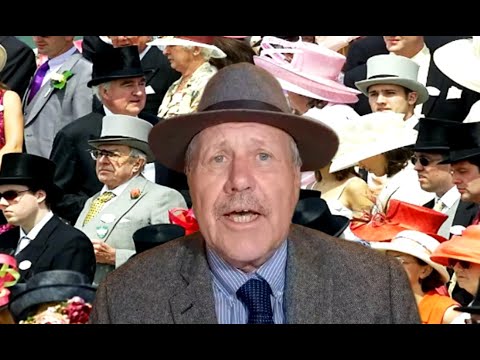
VoiceTube posted on 2024/09/18Ever wonder why hats aren't as common as they used to be? This video dives into the fascinating history of hats, exploring iconic styles like the bowler and fedora and uncovering the social shifts that changed British fashion forever. You'll pick up tons of new vocabulary and gain a deeper understanding of cultural history along the way!
Learn this video on the APP!
The VoiceTube App has more in-depth practice for videos!