
account for
US /əˈkaʊnt fɔr/
UK /əˈkaunt fɔ:/
- Phrasal Verb
- To explain the cause or reason for something
- To form a particular amount or part of something.
- Verb (Transitive/Intransitive)
- To supply a reason or explanation for something.
- To form a particular amount or proportion of something.
A1Moreantique
US /ænˈtik/
UK /ænˈti:k/
- Adjective
- (Of objects) old and valuable
- Countable Noun
- Old objects people collect, e.g. furniture, art
B1Moreat odds
US /æt ɑdz/
UK /æt ɔdz/
- Phrase
- In a state of conflict or disagreement
- Adjective
- In a state of disagreement or conflict.
- Inconsistent or incompatible.
B1Moreat the moment
US
UK
- Adverb
- At this time; now
A1Moreat work
US /æt wɚk/
UK /æt wə:k/
- Phrase
- Located at one's place of employment
A1Moreback into
US /bæk ˈɪntu/
UK /bæk ˈɪntuː/
- Phrasal Verb
- To drive a vehicle backwards into a space or area.
- To accidentally collide with something while moving backwards.
A1Morebased on
US
UK
- Phrasal Verb
- To use something as the foundation or starting point for something else.
- Preposition
- Using something as the main idea or foundation.
- Relying on something as evidence or justification.
A1Morecalligraphy
US /kəˈlɪɡrəfi/
UK /kəˈlɪgrəfi/
- Uncountable Noun
- Beautiful decorative handwriting of Kanji
C2Morecapital
US /ˈkæpɪtl/
UK /'kæpɪtl/
- Noun
- Writing the first letter of a word in big letters
- Official main city of a country, province or state
- Adjective
- Main, or major
- (Of an offense) liable to the death penalty.
A2Morecentral
US /ˈsɛntrəl/
UK /'sentrəl/
- Adjective
- Being in the middle
- Most significant or important
- Noun
- The central part of a country or region.
A2Morechaos
US /ˈkeˌɑs/
UK /'keɪɒs/
- Noun (plural)
- State of utter confusion or disorder
- Uncountable Noun
- Complete disorder and confusion.
- Behavior so unpredictable as to appear random, owing to great sensitivity to small changes in conditions.
B1Morecharacter
US /ˈkærəktɚ/
UK /'kærəktə(r)/
- Noun
- Person in a story, movie or play
- Writing symbols, e.g. alphabet or Chinese writing
A2Morecome up
US /kʌm ʌp/
UK /kʌm ʌp/
- Phrasal Verb
- To come closer to someone; approach
- (Of sun) to rise into the sky in the morning
A1Moreculture
US /ˈkʌltʃɚ/
UK /'kʌltʃə(r)/
- Noun (Countable/Uncountable)
- Beliefs and customs of a particular group
- The customs, beliefs, art, and all the other things that a group of people share and consider important.
- Transitive Verb
- To grow cells, tissues, bacteria, etc. in a controlled environment.
A2Morecut off
US /kʌt ɔf/
UK /kʌt ɔf/
- Phrasal Verb
- To end a process, e.g. a phone call
- To cut the end of something
- Transitive Verb
- To isolate or prevent access to a place or person.
- To interrupt someone while they are speaking.
A1Morecut up
US /kʌt ʌp/
UK /kʌt ʌp/
- Phrasal Verb
- Be cut up (about) to be upset or angry
- To criticize someone severely
A1Moredirection
US /dɪˈrɛkʃən, daɪ-/
UK /də'rekʃn/
- Noun (Countable/Uncountable)
- When someone tells people what to do
- Describes the way you are going, e.g. North
A2TOEICMoredistant
US /ˈdɪstənt/
UK /'dɪstənt/
- Adjective
- Unfriendly; cold
- Existing or happening far away in place or time
B1Moredynasty
US /ˈdaɪnəsti/
UK /ˈdɪnəsti/
- Countable Noun
- Family that controls a country for a long time
B1Moreelite
US /iˈliːt/
UK /iˈliːt/
- Noun (Countable/Uncountable)
- The richest, most powerful, best-educated, or best-trained group in a society
- A person of the elite class.
- Adjective
- Belonging to the richest, most powerful, best-educated, or best-trained group in a society
B2Moreemblem
US /ˈɛmbləm/
UK /'embləm/
- Noun
- Visual sign or symbol of (nation or organization)
B2Moreemperor
US /ˈɛmpəɚ/
UK /'empərə(r)/
- Noun
- Man who rules an empire
B1Moreempire
US /ˈɛmˌpaɪr/
UK /ˈempaɪə(r)/
- Countable Noun
- Group of countries controlled by one government
- A large and important business or group of businesses owned by one person or company.
- Adjective
- A style of dress with a high waistline, just below the bust.
B1Moreever since
US /ˈɛvɚ sɪns/
UK /ˈevə sins/
- Adverb
- Continuously from a past time until now.
- Conjunction
- From the time that; because.
B2Moreexcept that
US /ɪkˈsɛpt ðæt/
UK /ikˈsept ðæt/
- Conjunction
- But; with the exception that.
A2Moreexhibition
US /ˌɛksəˈbɪʃən/
UK /ˌeksɪˈbɪʃn/
- Noun (Countable/Uncountable)
- Public event to display objects, art etc.
- A display or demonstration of a skill or quality.
- Uncountable Noun
- Act of displaying a particular emotion or quality
- The act of behaving in a way that is intended to attract attention.
B1TOEICMoreextraordinary
US /ɪkˈstrɔ:rdəneri/
UK /ɪkˈstrɔ:dnri/
- Adjective
- Beyond what is ordinary; very unusual; remarkable
- Additional to or different from what is usual or regular.
B1TOEICMorefor all intents and purposes
US /fɚ ɔl ɪnˈtɛnts ænd ˈpɚpəsɪz/
UK /fə ɔ:l ɪnˈtents ənd ˈpɜ:pəsɪz/
- other
- In every practical sense; effectively.
B2Morefor example
US
UK
- Phrase
- As an illustration or instance.
for someone
US /fɚ ˈsʌmwʌn/
UK /fə ˈsʌmwʌn/
- other
- On behalf of or intended for a particular person.
A1Morefor the rest
US /fɔr ði rɛst/
UK /fɔ: ðə rest/
- Phrase
- Concerning the remaining people or things.
- During the remaining part of a period of time.
A1Moregather
US /ˈɡæðɚ/
UK /ˈgæðə(r)/
- Transitive Verb
- To bring objects together into one place
- To collect foods such as wild berries or crops
- Noun
- Fold in cloth, as in a full skirt
A2TOEICMorego out
US /ɡo aʊt/
UK /ɡəu aut/
- Phrase
- To leave a building (e.g. a house)
- Phrasal Verb
- (Of a fire) to burn out; be extinguished
- Go out of fashion to stop being fashionable
A1Morehave to
US /hæv tu/
UK /ˈhæv tə/
- Auxiliary Verb
- Must do
A1Moreheritage
US /ˈhɛrɪtɪdʒ/
UK /'herɪtɪdʒ/
- Noun (Countable/Uncountable)
- Traditional beliefs or customs of a culture
B1Morein control
US /ɪn kənˈtrol/
UK /in kənˈtrəul/
- Adjective
- Having the power to direct or regulate something; able to manage or direct a situation or person.
- Possessing self-restraint and the ability to manage one's own behavior and emotions.
- Phrase
- Having command or authority; managing effectively.
C1Morein essence
US /ɪn ˈɛsəns/
UK /in ˈesns/
- Phrase
- Used to summarize the main point.
- Relating to the most important aspect of something.
A1Morein fact
US /ɪn fækt/
UK /in fækt/
- Adverb
- Used to emphasize the truth of a statement, especially one that contrasts with or contradicts something else.
- Used to introduce a more detailed or surprising piece of information.
- Phrase
- Used to emphasize the truth of a statement, especially one that is surprising or contrary to what might be expected.
C1Morein favor of
US /ɪn ˈfevɚ ʌv/
UK /in ˈfeivə ɔv/
- Phrase
- Expressing support or approval for someone or something.
- To the advantage of; benefiting.
- Preposition
- Supporting or approving of something.
- To the advantage of; to the benefit of.
A1Morein order to
US /ɪn ˈɔrdɚ tu/
UK /in ˈɔ:də tu:/
- Preposition
- For the purpose of; with the aim of.
- Phrase
- In a specific sequence or arrangement.
- With the aim of; for the purpose of.
C1Morein particular
US /ɪn pɚˈtɪkjəlɚ/
UK /in pəˈtikjulə/
- Phrase
- Specifically; especially.
- Detailed or precise.
A1Morein rank
US
UK
- Phrase
- Arranged in a line or specific order according to status or position.
- Advancing through the levels of a hierarchical system, especially in the military.
C1Morein the know
US /ɪn ði noʊ/
UK /in ðə nəʊ/
- Phrase
- Having secret or special information about something.
A1Morein the past
US
UK
- Phrase
- During a former period of time; previously.
A1Morein the way
US /ɪn ði we/
UK /in ðə wei/
- Phrase
- Obstructing someone or something; hindering progress.
- Stored or placed so as to be available or ready when needed.
A1Morein the world
US /ɪn ði wɜrld/
UK /in ðə wɜː(r)ld/
- Phrase
- Used to emphasize a question expressing surprise, confusion, disbelief
- Used to indicate the extent or degree of something, often in a superlative sense
A1Moreindividual
US /ˌɪndəˈvɪdʒuəl/
UK /ˌɪndɪˈvɪdʒuəl/
- Countable Noun
- Single person, looked at separately from others
- A single thing or item, especially when part of a set or group.
- Adjective
- Made for use by one single person
- Having a distinct manner different from others
A2Moreinscription
US /ɪnˈskrɪpʃən/
UK /ɪnˈskrɪpʃn/
- Noun
- Words that are written or cut into statue, etc.
B2Moreintegrity
US /ɪnˈtɛɡrɪti/
UK /ɪnˈtegrəti/
- Uncountable Noun
- Quality of being honest, fair and honorable
- The state of being whole and undivided.
B1TOEICMorelandscape
US /ˈlændˌskep/
UK /'lændskeɪp/
- Noun
- Area or scene of activity, especially in politics
- Picture of natural scenery in a place
- Transitive Verb
- To make gardens that improve an area of land
B1TOEICMorelook at
US /lʊk æt/
UK /luk æt/
- Phrasal Verb
- To use your eyes to focus on something
- To focus your eyes on something carefully
A1Moremongol
US
UK
- Adjective
- Someone who is native to Mongolia
B2Moremoral
US /ˈmɔrəl, ˈmɑr-/
UK /ˈmɒrəl/
- Adjective
- In a way considered proper and good by most people
- Uncountable Noun
- In a way considered proper and good by most people
A2TOEICMoremove ahead
US /muv əˈhɛd/
UK /mu:v əˈhed/
- Phrasal Verb
- To make progress; advance.
- To start or proceed with something.
B1Morename for
US
UK
- Phrasal Verb
- To give someone or something a particular name, often in honor of someone else.
A1Moreof course
US /ʌv kɔː(r)s/
UK /ɔv kɔː(r)s/
- Adverb
- Sure ; Certainly
- Phrase
- For sure; certainly
A2Moreon the part of
US
UK
- Phrase
- By or done by (someone); concerning someone.
- As far as (someone or something) is concerned; by (someone or something).
A1Moreon to
US /ɑn tu/
UK /ɔn tu:/
- Preposition
- Toward something; forward
- Aware of someone's activities.
- Adjective
- Aware of someone's deception or illegal activities.
A1Moreon view
US /ɑn vju/
UK /ɒn vju:/
- other
- Placed where others can see or examine.
B1Moreother than
US
UK
- Preposition
- Except for; apart from.
- Conjunction
- Different from.
A1Moreout on a limb
US /aʊt ɑn ə lɪm/
UK /aut ɒn ə lɪm/
- other
- In a risky or unsupported position; vulnerable.
B2Moreoutside of
US /aʊtˈsaɪd ʌv/
UK /ˌautˈsaid ɔv/
- Preposition
- Located or situated beyond the boundaries or confines of something.
- Beyond the scope, range, or limits of something.
A1Morepoint out
US /pɔɪnt aʊt/
UK /pɔint aut/
- Phrasal Verb
- To make others aware of an idea
- To draw attention to something or someone
A1Morequality
US /ˈkwɑlɪti/
UK /'kwɒlətɪ/
- Noun (Countable/Uncountable)
- Feature associated with someone or something
- High level of worth or excellence
- Adjective
- Of a high standard
A2TOEICMorerecruit
US /rɪˈkrut/
UK /rɪ'kru:t/
- Countable Noun
- Person who has just joined the military
- Person who has just begun a new activity or job
- Transitive Verb
- To convince and help people to join the military
- To find new employees, volunteers or members
B1TOEICMoreremain
US /rɪˈmen/
UK /rɪˈmeɪn/
- Intransitive Verb
- To be left behind; to continue to exist
- To stay in a place when other people have gone
A2TOEICMoreretirement
US /rɪˈtaɪrmənt/
UK /rɪˈtaɪəmənt/
- Uncountable Noun
- Time later in life when you stop working
- A ceremony marking someone's departure from employment.
A2TOEICMorescript
US /skrɪpt/
UK /skrɪpt/
- Noun (Countable/Uncountable)
- Written text of a book, play, film, or speech
- Set of letters or characters of a written language
- Transitive Verb
- To write a text for a movie, play or speech
B1Moreseal
US /sil/
UK /si:l/
- Transitive Verb
- To close tightly to protect it from leaking
- To close an envelop or package
- Noun
- Large fish-eating animal that lives on sea or land
- Official mark made in hot wax to close a document
B1Moreserve
US /sɚv/
UK /sɜ:v/
- Verb (Transitive/Intransitive)
- To act in a particular position or office
- To hit the first ball to an opponent in tennis etc.
A2TOEICMoreshow in
US /ʃo ɪn/
UK /ʃəu ɪn/
- other
- To lead someone into a room or building.
A2Moresignificant
US /sɪɡˈnɪfɪkənt/
UK /sɪgˈnɪfɪkənt/
- Adjective
- Large enough to be noticed or have an effect
- Having meaning; important; noticeable
A2TOEICMoresquare
US /skwɛr/
UK /skweə(r)/
- Noun (Countable/Uncountable)
- Shape with 4 equal length sides and 4 equal angles
- The result of multiplying Length by the width
- Adjective
- Being fair or honest
- Multiply a number by itself e.g. 2x2 or 6x6
A2TOEICMoresucceed
US /səkˈsid/
UK /sək'si:d/
- Verb (Transitive/Intransitive)
- To have achieved what you were trying to achieve
- To take over position of one who has died or left
A2TOEICMoresuch as
US /sʌtʃ æz/
UK /sʌtʃ æz/
- Preposition
- For example; like
A1Moresynthesis
US /ˈsɪnθɪsɪs/
UK /ˈsɪnθəsɪs/
- Noun (Countable/Uncountable)
- Process of making something new out of other ones
- Building something complex from simple parts
B2TOEICMoretang
US /tæŋ/
UK /tæŋ/
- Noun
- Sharp, slightly sour taste or smell
B2Morethink back
US /θɪŋk bæk/
UK /θiŋk bæk/
- Phrasal Verb
- To recapture the past
A1Morethink of
US /θɪŋk ʌv/
UK /θiŋk ɔv/
- Phrasal Verb
- To look on as (being something specific); consider
- To consider or remember something.
- Verb (Transitive/Intransitive)
- To imagine or call something to mind
A1Moretradition
US /trəˈdɪʃən/
UK /trəˈdɪʃn/
- Noun (Countable/Uncountable)
- An event, custom or way common to a people or race
- Way of thinking or behaving used for a long time
B1TOEICMorevoid
US /vɔɪd/
UK /vɔɪd/
- Uncountable Noun
- Empty feeling because nothing interests you
- Noun
- Empty space; empty place
B2Morewith the passage of time
US /wɪθ ðə ˈpæsɪdʒ əv taɪm/
UK /wɪθ ðə ˈpæsɪdʒ əv taɪm/
- other
- As time goes by; gradually over a period.
B2Morework in
US /wɚk ɪn/
UK /wə:k in/
- Phrasal Verb
- To make an opening for something in your schedule
- To fit person/thing into a schedule or sequence
A1Moreyuan
US /juˈɑn, juɑn/
UK /jʊ'ɑ:n/
- Noun
- Unit of money in China
B2More
Vocabulary
- look at: To use your eyes to focus on something
- in fact: Used to emphasize the truth of a statement, especially one that contrasts with or contradicts something else.
- in the way: Obstructing someone or something; hindering progress.
- of course: Sure ; Certainly
- on to: Toward something; forward
- back into: To drive a vehicle backwards into a space or area.
- in the world: Used to emphasize a question expressing surprise, confusion, disbelief
- in particular: Specifically; especially.
- in order to: For the purpose of; with the aim of.
- at work: Located at one's place of employment
- cut off: To end a process, e.g. a phone call
- at odds: In a state of conflict or disagreement
- for all intents and purposes: In every practical sense; effectively.
- ever since: Continuously from a past time until now.
- think of: To look on as (being something specific); consider
- in rank: Arranged in a line or specific order according to status or position.
- outside of: Located or situated beyond the boundaries or confines of something.
- point out: To make others aware of an idea
- for the rest: Concerning the remaining people or things.
- for example: As an illustration or instance.
- out on a limb: In a risky or unsupported position; vulnerable.
- go out: To leave a building (e.g. a house)
- based on: To use something as the foundation or starting point for something else.
- on the part of: By or done by (someone); concerning someone.
- with the passage of time: As time goes by; gradually over a period.
- for someone: On behalf of or intended for a particular person.
- in favor of: Expressing support or approval for someone or something.
- other than: Except for; apart from.
- move ahead: To make progress; advance.
- at the moment: At this time; now
- show in: To lead someone into a room or building.
- on view: Placed where others can see or examine.
- in the past: During a former period of time; previously.
- in the know: Having secret or special information about something.
- cut up: Be cut up (about) to be upset or angry
- in control: Having the power to direct or regulate something; able to manage or direct a situation or person.
- work in: To make an opening for something in your schedule
- except that: But; with the exception that.
- come up: To come closer to someone; approach
- such as: For example; like
- name for: To give someone or something a particular name, often in honor of someone else.
- account for: To explain the cause or reason for something
- think back: To recapture the past
- in essence: Used to summarize the main point.
- have to: Must do
- sort: To organize things by putting them into groups
- extraordinary: Beyond what is ordinary; very unusual; remarkable
- individual: Single person, looked at separately from others
- significant: Large enough to be noticed or have an effect
- period: Set amount of time during which events take place
- integrity: Quality of being honest, fair and honorable
- character: Person in a story, movie or play
- chaos: State of utter confusion or disorder
- sense: Certain mental feeling or emotion
- elite: The richest, most powerful, best-educated, or best-trained group in a society
- script: Written text of a book, play, film, or speech
- quality: Feature associated with someone or something
- heritage: Traditional beliefs or customs of a culture
- capital: Writing the first letter of a word in big letters
- remain: To be left behind; to continue to exist
- moral: In a way considered proper and good by most people
- direction: When someone tells people what to do
- form: Sports team or person's current winning record
- compare: To consider how similar and different things are
- create: To make, cause, or bring into existence
- landscape: Area or scene of activity, especially in politics
- seal: To close tightly to protect it from leaking
- ground: To break (coffee, etc.) into tiny bits with machine
- serve: To act in a particular position or office
- fall: Season after summer and before winter; Autumn
- recruit: Person who has just joined the military
- void: Empty feeling because nothing interests you
- distant: Unfriendly; cold
- culture: Beliefs and customs of a particular group
- notice: To become aware by sight, touch, or hearing
- moment: Very short or brief period of time
- square: Shape with 4 equal length sides and 4 equal angles
- century: Period of 100 years
- kind: In a caring and helpful manner
- fact: Something that is known or proved to be true
- gather: To bring objects together into one place
- government: Group of people and system that rule a nation
- bring: To take or go with someone to a place
- succeed: To have achieved what you were trying to achieve
- central: Being in the middle
- retirement: Time later in life when you stop working
- empire: Group of countries controlled by one government
- exhibition: Public event to display objects, art etc.
- emperor: Man who rules an empire
- antique: (Of objects) old and valuable
- dynasty: Family that controls a country for a long time
- tradition: An event, custom or way common to a people or race
- calligraphy: Beautiful decorative handwriting of Kanji
- emblem: Visual sign or symbol of (nation or organization)
- synthesis: Process of making something new out of other ones
- inscription: Words that are written or cut into statue, etc.
- tang: Sharp, slightly sour taste or smell
- yuan: Unit of money in China
- mongol: Someone who is native to Mongolia
Get the full experience in the app
Learn anywhere with detailed sentence and usage analysis
01:03
She took a brave step forward, leaving behind her comfort zone to chase her dreams.
Vocabulary
- brave
adj. Having courage
- comfort zone
phr. A familiar situation where one feels safe
Explanation
a brave step is a noun phrase, where brave is an adjective modifying the noun step, meaning "a courageous step".
forward is an adverb modifying step, meaning "ahead".
The whole phrase serves as the object, answering the "what" of took (verb) — she took a brave step forward.
Get the full experience in the app
Look up words anytime with pronunciation, part of speech, and usage
brave
US/brev/
UK/breɪv/
adj.Brave
v.t.To bravely face
A2 Elementary
Get the full experience in the app
Practice speaking anytime and get instant pronunciation feedback
Try this speaking exercise.
Try practicing with this sentence.
80
The World of Khubilai Khan: A Revolution in Painting
0
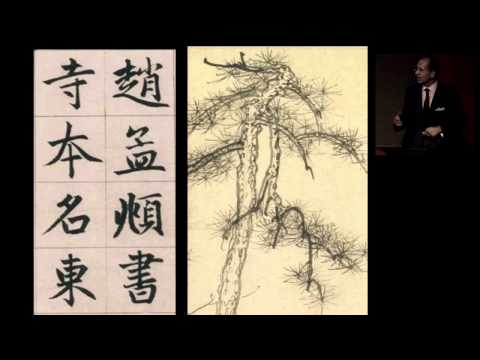
Ashely Ma posted on 2024/09/14Ever wondered how Khubilai Khan, who couldn't read Chinese, revolutionized Chinese painting? Dive into the Yuan Dynasty's art scene with this video, where you'll explore stunning works by Zhao Mengfu and pick up advanced vocabulary related to literati and calligraphic painting. It's a fantastic chance to deepen your cultural knowledge while boosting your English!
Learn this video on the APP!
The VoiceTube App has more in-depth practice for videos!