
absorb
US /əbˈsɔrb, -ˈzɔrb/
UK /əb'sɔ:b/
- Transitive Verb
- To take up all attention / energy of something
- To take in a liquid; soak up
B1TOEICMoreadulthood
US /'ædʌlthʊd/
UK /'ædʌlthʊd/
- Uncountable Noun
- Time of life when a person is fully grown
- The time when someone has the rights and responsibilities of an adult.
B1Moreafter all
US /ˈæftɚ ɔl/
UK /ˈɑ:ftə ɔ:l/
- Adverb
- In spite of what was expected; used to introduce a statement that supports a previous statement or explains why it was made
- Considering everything; used to indicate that something is happening or is true despite some difficulty or obstacle
- Phrase
- Despite what was expected or thought; in spite of everything.
- Taking everything into consideration; considering that.
B1Moreartificial
US /ˌɑrtəˈfɪʃəl/
UK /ˌɑ:tɪ'fɪʃl/
- Adjective
- Dishonest, to seem fake, not sincere
- (Something) made by people; not created by nature
B1TOEICMoreas long as
US /æz lɔŋ æz/
UK /æz lɔŋ æz/
- Conjunction
- For the period that; provided that.
- For the length of time that
- Preposition
- On the condition that; providing that.
- Having the same length as.
A1Moreas with
US /æz wɪð/
UK /æz wið/
- Preposition
- In the same way that something happens or is true of something else.
A1Moreback off
US /bæk ɔf/
UK /bæk ɔf/
- Phrasal Verb
- To stop supporting; lose courage
- To decide to not carry out a threat
A1Moreback then
US
UK
- Phrase
- At that time in the past.
A1Morebad idea
US
UK
- Phrase
- An unwise or imprudent course of action.
A2Morebrilliant
US /ˈbrɪljənt/
UK /'brɪlɪənt/
- Adjective
- Having a great amount of intelligence or talent
- Being very bright, like a diamond; shining
- Noun
- A diamond or other gem cut in a particular form with many facets to have exceptional brilliance.
A2Morebunch
US /bʌntʃ/
UK /bʌntʃ/
- Noun (Countable/Uncountable)
- A group of things of the same kind
- A group of people.
- Transitive Verb
- To group people or things closely together
B1Morecancer
US /ˈkænsɚ/
UK /'kænsə(r)/
- Noun
- Any growth caused by abnormal cell division
B1Morecause
US /kɔz/
UK /kɔ:z/
- Noun
- Belief, goal or organization that people support
- Reason for
- Transitive Verb
- To make something happen; create effect or result
A2Morechange over
US
UK
- Phrasal Verb
- To switch from one thing to another.
A2Morecome down to
US /kʌm daʊn tu/
UK /kʌm daun tu:/
- Phrasal Verb
- To become in the end a matter of
- To be passed on to someone as an inheritance.
A1Morecome from
US /kʌm frʌm/
UK /kʌm frɔm/
- Phrasal Verb
- To have as your native country or city
A1Morecome into contact
US
UK
- Verb (Transitive/Intransitive)
- To physically touch something.
- To communicate or meet with someone.
A1Morecondition
US /kənˈdɪʃən/
UK /kənˈdɪʃn/
- Transitive Verb
- To improve something to make it better
- To cause to behave automatically in a certain way
- Noun (Countable/Uncountable)
- Disease or other medical problem
- The state of living you are in, e.g. good health
A2Morecopper
US /ˈkɑpɚ/
UK /'kɒpə(r)/
- Uncountable Noun
- Reddish-brown metal used in cables or wires
B1Moredatum
US /ˈdetəm, ˈdætəm, ˈdɑtəm/
UK /ˈdeɪtəm/
- Noun
- Item of factual information
B1Moredepending on
US
UK
- Phrasal Verb
- To rely on for support (financial or emotional)
- Influenced or determined by.
- Preposition
- Subject to; contingent on
- Relying on someone or something for support or assistance.
A2Moredisease
US /dɪˈziz/
UK /dɪˈzi:z/
- Noun (Countable/Uncountable)
- Illness that affects a person, animal, or plant
- A disorder of structure or function in a plant, especially one caused by a pathogen.
- Transitive Verb
- To affect with disease; to corrupt or sicken.
A2TOEICMoredisorder
US /dɪsˈɔrdɚ/
UK /dɪs'ɔ:də(r)/
- Uncountable Noun
- State of confusion or a lack of organization
- Illness when the body is not functioning well
- Transitive Verb
- To disrupt the order or arrangement of something.
B2Moredispersion
US /dɪˈspɜ:rʒn/
UK /dɪˈspɜ:ʃn/
- Uncountable Noun
- Process of separating and spreading out
B2Moreeventually
US /ɪˈvɛntʃuəli/
UK /ɪˈventʃuəli/
- Adverb
- After a long time; after many attempts; in the end
- At some later time; in the future
A2Moreeyeball
US /ˈaɪˌbɔl/
UK /ˈaɪbɔ:l/
- Noun
- The round part of the eye
C2Morefor example
US
UK
- Phrase
- As an illustration or instance.
for free
US /fɔr fri/
UK /fɔ: fri:/
- Phrase
- Without charge; at no cost.
- Adjective
- Available without payment.
A2Morefor the most part
US
UK
- Phrase
- Generally; mostly; on the whole.
- Mostly; generally; in most cases.
A1Moregenetic
US /dʒəˈnɛtɪk/
UK /dʒəˈnetɪk/
- Adjective
- Of, relating to, or controlled by genes
- Relating to genes or heredity.
B1Moreglaucoma
US /glaʊˈkoʊmə/
UK /glɔ:ˈkəʊmə/
- Noun
- Damage to the nerves in the eye causing blindness
C2Morego away
US /ɡo əˈwe/
UK /ɡəu əˈwei/
- Phrasal Verb
- To go on vacation
- To leave; depart.
A1Morehave to
US /hæv tu/
UK /ˈhæv tə/
- Auxiliary Verb
- Must do
A1Morehue
US /hju/
UK /hju:/
- Noun
- Degree of lightness/darkness/strength of a color
B2Morein color
US
UK
- Phrase
- Displayed or produced using all colors; not black and white.
- Adjective
- Full of vivid colors; bright and vibrant.
A1Moreinflammation
US /ˌɪnfləˈmeʃən/
UK /ˌɪnfləˈmeɪʃn/
- Noun (Countable/Uncountable)
- Painful swelling in the body due to illness
- A condition in which a part of the body becomes reddened, swollen, hot, and often painful, especially as a reaction to injury or infection.
B2Moreinstead of
US /ɪnˈstɛd ʌv/
UK /inˈsted ɔv/
- Preposition
- When one thing is replaced by another
- Adverb
- As a substitute or alternative.
A1Moreintelligence
US /ɪnˈtɛlədʒəns/
UK /ɪn'telɪdʒəns/
- Uncountable Noun
- Collection of secret information about something
- Ability to learn things or to consider situations
- Adjective
- Of the spying services; acting in secrecy
A2TOEICMoreiris
US
UK
- Noun
- Round colored part of an eye
- Tall flowering plant with long pointed leaves
- Proper Noun
- Person's name
B2Moreknock on
US /nɑk ɑn/
UK /nɔk ɔn/
- Phrasal Verb
- To strike a door or window to attract attention.
- Intransitive Verb
- (In rugby) to drop the ball forward.
A1Morelayer
US /ˈleɚ/
UK /ˈleiə/
- Noun (Countable/Uncountable)
- One of several sheets of a material or object
- A covering of something spread over a surface.
- Transitive Verb
- To put things one on top of another
B1TOEICMorelead to
US /lid tu/
UK /li:d tu:/
- Phrasal Verb
- To result in some action
- Verb (Transitive/Intransitive)
- To have something as a consequence or result.
A1Morelook at
US /lʊk æt/
UK /luk æt/
- Phrasal Verb
- To use your eyes to focus on something
- To focus your eyes on something carefully
A1Moremedication
US /ˌmɛdɪˈkeʃən/
UK /ˌmedɪˈkeɪʃn/
- Noun (Countable/Uncountable)
- Substance to relieve pain or cure sickness
B2Moremelanin
US /ˈmɛlənɪn/
UK /ˈmelənɪn/
- Uncountable Noun
- Pigment giving color to skin, hair etc.
C2Moremuch lighter
US
UK
- Adjective
- Considerably less heavy.
- Considerably less dark in color.
A1Morenasty
US /ˈnæsti/
UK /'nɑ:stɪ/
- Adjective
- Very bad, unpleasant, or offensive
- Unkind; unpleasant.
A2Moreno matter
US
UK
- Conjunction
- Regardless of; it does not matter.
- Adverb
- Regardless of; it is not important
A1Moreof course
US /ʌv kɔː(r)s/
UK /ɔv kɔː(r)s/
- Adverb
- Sure ; Certainly
- Phrase
- For sure; certainly
A2Moreoff of
US /ɔf ʌv/
UK /ɔf ɔv/
- Preposition
- From a position on something; down from.
A1Moreon the plus side
US /ɑn ðə ˈplʌs ˈsaɪd/
UK /ɒn ðə ˈplʌs ˈsaɪd/
- other
- Considering the advantages or positive aspects.
B1Moreover the top
US /ˈovɚ ði tɑp/
UK /ˈəuvə ðə tɔp/
- Adjective
- More than what is considered normal or suitable; exaggerated.
- So extreme that it is offensive.
- Adverb
- To an excessive degree; excessively.
A1Moreover time
US /ˈovɚ taɪm/
UK /ˈəuvə taim/
- Phrase
- Gradually; as time passes.
- During a long period.
- Adverb
- Gradually; as time passes.
B1Moreover to
US
UK
- Preposition
- Used to hand over to someone else to speak
- The responsibility is now yours
permanent
US /ˈpɚmənənt/
UK /'pɜ:mənənt/
- Adjective
- Lasting forever; not temporary or changing
- Intended to last or remain for an unlimited period
- Noun
- A person who is a permanent employee.
- A chemical treatment to create lasting curls or waves in the hair.
B1TOEICMorepermanently
US /ˈpəmənəntlɪ/
UK /'pɜ:mənəntlɪ/
- Adverb
- For a long time; always
- In a way that is firmly or securely fixed in place.
B1Morepick up on
US
UK
- Phrasal Verb
- To notice or become aware of something that is not obvious.
- To learn something by watching or listening to other people.
A1Morepigment
US /ˈpɪɡmənt/
UK /'pɪɡmənt/
- Noun
- Substance that makes things have a certain color
B2Morepressure
US /ˈprɛʃɚ/
UK /'preʃə(r)/
- Noun (Countable/Uncountable)
- Anxiety caused by difficult problems
- Force, weight when pressing against a thing
- Transitive Verb
- To apply force to something
- To persuade or force someone to do something
A2TOEICMorerare
US /rɛr/
UK /reə(r)/
- Adjective
- (Of meat) cooked, but still red and juicy
- Unusual or out of the ordinary; not common
A2Morereflect
US /rɪˈflɛkt/
UK /rɪ'flekt/
- Verb (Transitive/Intransitive)
- To indicate or be a sign of something
- To bounce back light, heat, sound from a surface
A2TOEICMoreretina
US /ˈretənə/
UK /ˈretɪnə/
- Noun
- Part of the eye that senses light
B2Morering around
US /rɪŋ əˈraʊnd/
UK /rɪŋ əˈraund/
- other
- To call several places or people to get information.
B2Morerun in
US /rʌn ɪn/
UK /rʌn in/
- Phrasal Verb
- To arrest person and take them to police station
- To drive engine slowly until ready for normal use
A1Morescience
US /ˈsaɪəns/
UK /'saɪəns/
- Uncountable Noun
- Study of the physical world, based on facts
A2TOEICMoreslash
US /slæʃ/
UK /slæʃ/
- Noun (Countable/Uncountable)
- Line ( / ) used in writing
- Long, deep cut, caused by a sharp object
- Transitive Verb
- To cut violently with a sharp object
- To decrease something by a large amount
B2TOEICMorespecific
US /spɪˈsɪfɪk/
UK /spəˈsɪfɪk/
- Adjective
- Precise; particular; just about that thing
- Concerning one particular thing or kind of thing
A2Morespot
US /spɑt/
UK /spɒt/
- Noun
- A certain place or area
- A difficult time; awkward situation
- Transitive Verb
- To see someone or something by chance
A2TOEICMorestuff
US /stʌf/
UK /stʌf/
- Uncountable Noun
- Generic description for things, materials, objects
- Transitive Verb
- To push material inside something, with force
B1Moresyndrome
US /ˈsɪnˌdrom/
UK /'sɪndrəʊm/
- Noun
- A group of signs and symptoms of a disease
B1Morethanks to
US /θæŋks tu/
UK /θæŋks tu:/
- Preposition
- Because of; as a result of.
A1Moreto do with
US
UK
- Phrasal Verb
- To be about something; concern
A1Moretrauma
US /ˈtraʊmə/
UK /'trɔ:mə/
- Noun (Countable/Uncountable)
- A very severe or upsetting experience
- Serious injury to part of the body
B2Moretreatment
US /ˈtritmənt/
UK /ˈtri:tmənt/
- Noun (Countable/Uncountable)
- Medicine or method to make someone healthier
- Way someone acts toward another
A2TOEICMoreused to
US /juzd tu/
UK /ˈju:st tə/
- Adjective
- Did regularly before, but don't do now
- Auxiliary Verb
- Have done before, but do not do now
A1Morevisible
US /ˈvɪzəbəl/
UK /ˈvɪzəbl/
- Adjective
- Can see, easily seen or understood
B1TOEICMorevision
US /ˈvɪʒən/
UK /'vɪʒn/
- Uncountable Noun
- Ability to see; eyesight
- Something you see in your imagination or dreams
A2Moreweird
US /wɪrd/
UK /wɪəd/
- Adjective
- Odd or unusual; surprising; strange
- Eerily strange or disturbing.
B1Morewith it
US /wɪð ɪt/
UK /wið it/
- Adjective
- Intelligent, alert, and up-to-date.
- Understanding and knowledgeable about current trends or information.
A1Morewomb
US /wum/
UK /wu:m/
- Noun
- Place in a woman's body where a baby grows
B2More
Vocabulary
- lead to: To result in some action
- of course: Sure ; Certainly
- after all: In spite of what was expected; used to introduce a statement that supports a previous statement or explains why it was made
- thanks to: Because of; as a result of.
- to do with: To be about something; concern
- have to: Must do
- off of: From a position on something; down from.
- back off: To stop supporting; lose courage
- pick up on: To notice or become aware of something that is not obvious.
- for example: As an illustration or instance.
- change over: To switch from one thing to another.
- for the most part: Generally; mostly; on the whole.
- run in: To arrest person and take them to police station
- bad idea: An unwise or imprudent course of action.
- in color: Displayed or produced using all colors; not black and white.
- look at: To use your eyes to focus on something
- back then: At that time in the past.
- come into contact: To physically touch something.
- instead of: When one thing is replaced by another
- ring around: To call several places or people to get information.
- over the top: More than what is considered normal or suitable; exaggerated.
- on the plus side: Considering the advantages or positive aspects.
- as long as: For the period that; provided that.
- go away: To go on vacation
- over to: Used to hand over to someone else to speak
- for free: Without charge; at no cost.
- used to: Did regularly before, but don't do now
- over time: Gradually; as time passes.
- much lighter: Considerably less heavy.
- depending on: To rely on for support (financial or emotional)
- come down to: To become in the end a matter of
- come from: To have as your native country or city
- knock on: To strike a door or window to attract attention.
- as with: In the same way that something happens or is true of something else.
- with it: Intelligent, alert, and up-to-date.
- no matter: Regardless of; it does not matter.
- stuff: Generic description for things, materials, objects
- weird: Odd or unusual; surprising; strange
- specific: Precise; particular; just about that thing
- eventually: After a long time; after many attempts; in the end
- bunch: A group of things of the same kind
- present: Being in attendance; being there; having turned up
- nasty: Very bad, unpleasant, or offensive
- permanent: Lasting forever; not temporary or changing
- trauma: A very severe or upsetting experience
- disorder: State of confusion or a lack of organization
- common: Area in a city or town that is open to everyone
- artificial: Dishonest, to seem fake, not sincere
- treat: To pay for the food or enjoyment of someone else
- intelligence: Collection of secret information about something
- spot: A certain place or area
- brilliant: Having a great amount of intelligence or talent
- develop: To explain something in steps and in detail
- disease: Illness that affects a person, animal, or plant
- inflammation: Painful swelling in the body due to illness
- pressure: Anxiety caused by difficult problems
- reflect: To indicate or be a sign of something
- absorb: To take up all attention / energy of something
- condition: To improve something to make it better
- rare: (Of meat) cooked, but still red and juicy
- syndrome: A group of signs and symptoms of a disease
- genetic: Of, relating to, or controlled by genes
- cause: Belief, goal or organization that people support
- form: Sports team or person's current winning record
- vision: Ability to see; eyesight
- pretty: Being attractive to the eye in a simple way
- permanently: For a long time; always
- pigment: Substance that makes things have a certain color
- lead: Wire for electricity, computer, etc.; cable
- womb: Place in a woman's body where a baby grows
- layer: One of several sheets of a material or object
- slash: Line ( / ) used in writing
- treatment: Medicine or method to make someone healthier
- notice: To become aware by sight, touch, or hearing
- lot: What happens to a person in life from chance; fate
- place: To put someone in a particular type of situation
- visible: Can see, easily seen or understood
- science: Study of the physical world, based on facts
- kind: In a caring and helpful manner
- copper: Reddish-brown metal used in cables or wires
- learn: To get knowledge or skills by study or experience
- system: Set of organized, planned ideas that work together
- retina: Part of the eye that senses light
- language: Words or signs used to communicate messages
- head: To hit a ball with your head in a game
- melanin: Pigment giving color to skin, hair etc.
- medication: Substance to relieve pain or cure sickness
- adulthood: Time of life when a person is fully grown
- hue: Degree of lightness/darkness/strength of a color
- cancer: Any growth caused by abnormal cell division
- datum: Item of factual information
- iris: Round colored part of an eye
- eyeball: The round part of the eye
- dispersion: Process of separating and spreading out
- glaucoma: Damage to the nerves in the eye causing blindness
Get the full experience in the app
Learn anywhere with detailed sentence and usage analysis
01:03
She took a brave step forward, leaving behind her comfort zone to chase her dreams.
Vocabulary
- brave
adj. Having courage
- comfort zone
phr. A familiar situation where one feels safe
Explanation
a brave step is a noun phrase, where brave is an adjective modifying the noun step, meaning "a courageous step".
forward is an adverb modifying step, meaning "ahead".
The whole phrase serves as the object, answering the "what" of took (verb) — she took a brave step forward.
Get the full experience in the app
Look up words anytime with pronunciation, part of speech, and usage
brave
US/brev/
UK/breɪv/
adj.Brave
v.t.To bravely face
A2 Elementary
Get the full experience in the app
Practice speaking anytime and get instant pronunciation feedback
Try this speaking exercise.
Try practicing with this sentence.
80
0
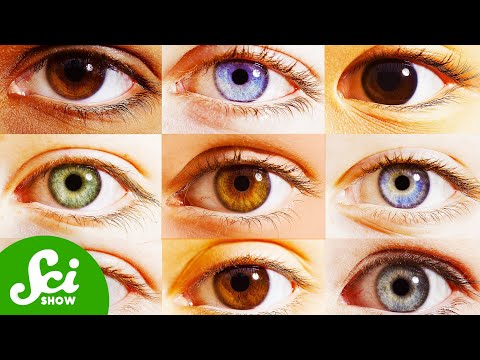
VoiceTube posted on 2024/07/15Ever wondered if your eye color could actually change? This fascinating video from SciShow and Brilliant dives into all the surprising ways it can happen, from infant development to medical treatments! You'll pick up some advanced vocabulary related to iris anatomy and melanin along the way.
Learn this video on the APP!
The VoiceTube App has more in-depth practice for videos!