
ancient
US /ˈenʃənt/
UK /'eɪnʃənt/
- Adjective
- Very old; having lived a very long time ago
- Relating to a period in history, especially in the distant past.
- Noun
- A person who lived in ancient times.
A2Morearound the world
US /əˈraʊnd ði wɜrld/
UK /əˈraund ðə wɜː(r)ld/
- Phrase
- In or to many countries.
- In various places throughout the world.
A2Moreas anything
US /əz ˈɛnɪθɪŋ/
UK /əz ˈeniθɪŋ/
- other
- Used to emphasize intensity or degree of a quality or action.
B2Moreat least
US /æt list/
UK /æt li:st/
- Adverb
- As a minimum
- Not less than
- Phrase
- No less than; at the minimum
- Used to indicate that something is positive in a bad situation.
C2Moreat the same time
US
UK
- Phrase
- Simultaneously; at the identical moment.
- Nevertheless; however; used to introduce a contrasting or qualifying statement.
A1Moreback up
US /bæk ʌp/
UK /bæk ʌp/
- Phrasal Verb
- To save a copy of your computer data
- To confirm the truth of what someone says
A1Morebased on
US
UK
- Phrasal Verb
- To use something as the foundation or starting point for something else.
- Preposition
- Using something as the main idea or foundation.
- Relying on something as evidence or justification.
A1Morebat
US /bæt/
UK /bæt/
- Countable Noun
- Small flying mouse-like animal with wings
- Object used for hitting a ball in various games
- Verb (Transitive/Intransitive)
- To use a wooden stick in baseball or cricket
A2Morebeetle
US /ˈbitl/
UK /ˈbi:tl/
- Countable Noun
- Insect with a hard, usually black body and 8 legs
- A heavy mallet or rammer, usually wooden, used for driving in stakes or wedges.
- Noun
- The study of beetles as a group or species.
B2Morebehind the scenes
US
UK
- Phrase
- Secretly or without being known to the public.
- In a position to influence events without any public knowledge.
A1Morebreathing
US /ˈbriðɪŋ/
UK /ˈbri:ðɪŋ/
- Verb (Transitive/Intransitive)
- To move air into and out of your lungs
- To say something very softly
- Uncountable Noun
- The act of inhaling and exhaling air.
A2Morecheck out
US /tʃɛk aʊt/
UK /tʃek aut/
- Phrase
- Phrasal Verb
- To find out information about something
- To take books out of a library
A1Morecome at
US /kʌm æt/
UK /kʌm æt/
- Phrasal Verb
- To approach someone to attack them
A1Morecome from
US /kʌm frʌm/
UK /kʌm frɔm/
- Phrasal Verb
- To have as your native country or city
A1Morecreature
US /ˈkritʃɚ/
UK /ˈkri:tʃə(r)/
- Noun (Countable/Uncountable)
- Animal of any type
- An animal, as distinct from a human being.
A2Morecrush
US /krʌʃ/
UK /krʌʃ/
- Noun
- Strong attraction to someone
- Transitive Verb
- To break something into small pieces by pressing
- To defeat someone or something (in a game)
B1TOEICMoredepending on
US
UK
- Phrasal Verb
- To rely on for support (financial or emotional)
- Influenced or determined by.
- Preposition
- Subject to; contingent on
- Relying on someone or something for support or assistance.
A2Moredown under
US /daʊn ˈʌndɚ/
UK /daun ˈʌndə/
- Proper Noun
- A colloquial term for Australia and New Zealand.
- Adverb
- Below or underneath something.
A1Moredrop into
US
UK
- Phrasal Verb
- To visit someone or some place casually and often briefly.
- To descend or fall into a state or condition.
B1Moreegg
US /ɛɡ/
UK /eg/
- Noun (Countable/Uncountable)
- Hard-shelled thing from which a young bird is born
A2Moreevidence of
US
UK
- Phrase
- Facts, objects, or signs that make you believe that something is true.
- Something that shows that something else exists or is true.
A1Moreface down
US /fes daʊn/
UK /feis daun/
- Verb (Transitive/Intransitive)
- To confront or deal with someone or something in a brave or determined way.
- Phrasal Verb
- To confront and defeat someone in a contest or confrontation.
A1Moreface to face
US /fes tu fes/
UK /feis tu: feis/
- Adverb
- (Meeting) while looking at someone
A1Morefeed on
US /fid ɑn/
UK /fi:d ɔn/
- Phrasal Verb
- To eat a particular food.
- To increase or become stronger because of something.
A1Morefigure out
US /ˈfɪɡjɚ aʊt/
UK /ˈfiɡə aut/
- Phrasal Verb
- To understand the behavior of someone
- To think through logically to find a solution
- Verb (Transitive/Intransitive)
- To understand or find an answer to something.
- To find a solution to a problem or understand something.
A1Morefit together
US /fɪt təˈɡɛðɚ/
UK /fɪt təˈɡeðə/
- other
- To combine or join parts properly or correctly.
B1Morefor the most part
US
UK
- Phrase
- Generally; mostly; on the whole.
- Mostly; generally; in most cases.
A1Moreget a hold
US
UK
- Verb (Transitive/Intransitive)
- To make contact with someone
- To control your emotions
C1Moreget a sense
US
UK
- Verb (Transitive/Intransitive)
- To understand or perceive something intuitively.
A1Moregoing on
US /ˈɡoɪŋ ɑn/
UK /ˈgəʊɪŋ ɔn/
- Phrasal Verb
- To continue doing something
- To happen (usually negative)
A1Moregot to
US /ɡɑt tu/
UK /gɔt tu:/
- Verb (Transitive/Intransitive)
- To arrive at some place
- To have the opportunity or permission to do something
- Phrasal Verb
- To appeal to the emotions of; move
- To finally begin to start something after a delay
A1Moregrow up
US /ɡro ʌp/
UK /ɡrəu ʌp/
- Phrasal Verb
- To develop from a child into an adult
A1Morehand on
US /hænd ɑn/
UK /hænd ɔn/
- Phrasal Verb
- To pass or transfer something physically to someone else.
- To pass or transfer knowledge, skills, or traditions to someone else.
A1Morehanging out
US
UK
- Phrasal Verb
- To spend time with your friends
- To spend times with friends or relax doing nothing
A2Morehanging upside down
US
UK
- Adjective
- Suspended with the upper part turned to the lower part.
- Intransitive Verb
- To be suspended in an inverted position.
B1Morehave to
US /hæv tu/
UK /ˈhæv tə/
- Auxiliary Verb
- Must do
A1Moreheading to
US
UK
- Phrasal Verb
- Going in a particular direction.
- Intransitive Verb
- Going in the direction of; on the way to.
- Moving towards a future state or condition.
A1Morein need
US /ɪn nid/
UK /in ni:d/
- Phrase
- Not having the necessary things, such as food
A1Morein particular
US /ɪn pɚˈtɪkjəlɚ/
UK /in pəˈtikjulə/
- Phrase
- Specifically; especially.
- Detailed or precise.
A1Morein the way
US /ɪn ði we/
UK /in ðə wei/
- Phrase
- Obstructing someone or something; hindering progress.
- Stored or placed so as to be available or ready when needed.
A1Morein the world
US /ɪn ði wɜrld/
UK /in ðə wɜː(r)ld/
- Phrase
- Used to emphasize a question expressing surprise, confusion, disbelief
- Used to indicate the extent or degree of something, often in a superlative sense
A1Morein time
US /ɪn taɪm/
UK /in taim/
- Adverb
- Eventually; after a period of time.
- Not late; with enough time to spare.
- Phrase
- Eventually; before it is too late.
- According to the scheduled time; punctual.
A1Moreknow about
US /noʊ əˈbaʊt/
UK /nəʊ əˈbaut/
- Phrasal Verb
- To have information or understanding of a subject or situation.
look around
US /lʊk əˈraʊnd/
UK /luk əˈraund/
- Phrasal Verb
- To explore a place; search for something.
A1Morelook at
US /lʊk æt/
UK /luk æt/
- Phrasal Verb
- To use your eyes to focus on something
- To focus your eyes on something carefully
A1Morelook upon
US /lʊk əˈpɑn/
UK /luk əˈpɔn/
- Phrasal Verb
- To consider or regard in a particular way.
A1Moremash up
US
UK
- Noun
- A song or other piece of music created by combining elements from two or more different sources.
- Transitive Verb
- To combine different elements, especially in music, to create something new.
A1Moreon and off
US /ɑn ənd ɔf/
UK /ɔn ænd ɔf/
- Adverb
- Intermittently; not continuously.
- Adjective
- Characterized by periods of involvement and separation.
A1Moreon the surface
US /ɑn ði ˈsɚfəs/
UK /ɔn ðə ˈsə:fis/
- Phrase
- Appearing to be true or real until examined more closely.
- Located on the outer part or uppermost layer of something.
B2Moreon time
US /ɑn taɪm/
UK /ɔn taim/
- Phrase
- Adjective
- Arriving at or done by the required time
- Meeting a deadline; punctual in fulfilling obligations.
A1Moreon to
US /ɑn tu/
UK /ɔn tu:/
- Preposition
- Toward something; forward
- Aware of someone's activities.
- Adjective
- Aware of someone's deception or illegal activities.
A1Moreonce and for all
US /wʌns ənd fɔr ɔl/
UK /wʌns ænd fɔ: ɔ:l/
- Phrase
- Completely and finally; decisively.
- In a definitive and conclusive manner.
A2Moreother than
US
UK
- Preposition
- Except for; apart from.
- Conjunction
- Different from.
A1Moreout there
US /aʊt ðɛr/
UK /aut ðɛə/
- Adverb
- In or to a place that is far away
- Existing in the universe
- Adjective
- Unconventional; strange; avant-garde
- Existing or available.
A1Moreover to
US
UK
- Preposition
- Used to hand over to someone else to speak
- The responsibility is now yours
put together
US /pʊt təˈɡɛðɚ/
UK /put təˈɡeðə/
- Phrasal Verb
- To build or assemble something small, e.g. a toy
- To organize or arrange something.
A1Moresame time
US
UK
- Phrase
- Occurring simultaneously or at the same point in time.
- At the identical time as before; recurring at a fixed hour.
- Noun
- An equal duration or period.
A1Moresearch for
US /sɚtʃ fɔr/
UK /sə:tʃ fɔ:/
- Phrasal Verb
- To try to find someone or something.
B1Moresee in
US /si ɪn/
UK /si: in/
- Phrasal Verb
- To accompany someone to the entrance of a building or room.
A1Moreshake off
US /ʃek ɔf/
UK /ʃeik ɔf/
- Phrasal Verb
- To free yourself of something, e.g. fear or a cold
- To escape from someone who is following you.
A2Morestep to
US
UK
- Phrasal Verb
- To approach someone or something, often with a specific purpose.
- To challenge or confront someone, often aggressively.
A1Moreswitch off
US /swɪtʃ ɔf/
UK /switʃ ɔf/
- Phrase
- Phrasal Verb
- To stop a machine, light, etc. working by pressing a button or switch
- To stop paying attention to someone or something
A2Moreswitch on
US
UK
- Transitive Verb
- To put something electrical on or off
- Phrasal Verb
A2Moretail
US /tel/
UK /teɪl/
- Countable Noun
- Extended part at the back of an animal's body
- Noun
- Back or last part of something e.g. shirt
A2Moretalking about
US
UK
- Phrasal Verb
- To discuss a particular topic.
- To be constantly mentioning or bringing up a subject.
A1Morethanks to
US /θæŋks tu/
UK /θæŋks tu:/
- Preposition
- Because of; as a result of.
A1Morethink of
US /θɪŋk ʌv/
UK /θiŋk ɔv/
- Phrasal Verb
- To look on as (being something specific); consider
- To consider or remember something.
- Verb (Transitive/Intransitive)
- To imagine or call something to mind
A1Moreto death
US /tu dɛθ/
UK /tu: deθ/
- Phrase
- Extremely; to a great degree
- Until death
B1Moreto scale
US
UK
- Phrase
- In proportion; maintaining accurate relative dimensions.
- Verb (Transitive/Intransitive)
- To increase or expand proportionally.
- To climb or ascend.
B2Moreused to
US /juzd tu/
UK /ˈju:st tə/
- Adjective
- Did regularly before, but don't do now
- Auxiliary Verb
- Have done before, but do not do now
A1Morewing
US /wɪŋ/
UK /wɪŋ/
- Noun (Countable/Uncountable)
- Part of an animal's body that is used for flying
- One of the two parts on the side of a plane, bird
- Intransitive Verb
- To fly to a place
A2Morewith it
US /wɪð ɪt/
UK /wið it/
- Adjective
- Intelligent, alert, and up-to-date.
- Understanding and knowledgeable about current trends or information.
A1More
Vocabulary
- look at: To use your eyes to focus on something
- have to: Must do
- mash up: A song or other piece of music created by combining elements from two or more different sources.
- out there: In or to a place that is far away
- put together: To build or assemble something small, e.g. a toy
- evidence of: Facts, objects, or signs that make you believe that something is true.
- feed on: To eat a particular food.
- come from: To have as your native country or city
- to death: Extremely; to a great degree
- got to: To arrive at some place
- check out
- going on: To continue doing something
- grow up: To develop from a child into an adult
- once and for all: Completely and finally; decisively.
- on time
- depending on: To rely on for support (financial or emotional)
- around the world: In or to many countries.
- on the surface: Appearing to be true or real until examined more closely.
- figure out: To understand the behavior of someone
- based on: To use something as the foundation or starting point for something else.
- in time: Eventually; after a period of time.
- shake off: To free yourself of something, e.g. fear or a cold
- used to: Did regularly before, but don't do now
- see in: To accompany someone to the entrance of a building or room.
- on to: Toward something; forward
- down under: A colloquial term for Australia and New Zealand.
- face down: To confront or deal with someone or something in a brave or determined way.
- in need: Not having the necessary things, such as food
- get a hold: To make contact with someone
- for the most part: Generally; mostly; on the whole.
- look around: To explore a place; search for something.
- hanging upside down: Suspended with the upper part turned to the lower part.
- drop into: To visit someone or some place casually and often briefly.
- to scale: In proportion; maintaining accurate relative dimensions.
- come at: To approach someone to attack them
- thanks to: Because of; as a result of.
- as anything: Used to emphasize intensity or degree of a quality or action.
- hanging out: To spend time with your friends
- back up: To save a copy of your computer data
- get a sense: To understand or perceive something intuitively.
- at least: As a minimum
- look upon: To consider or regard in a particular way.
- in particular: Specifically; especially.
- in the way: Obstructing someone or something; hindering progress.
- in the world: Used to emphasize a question expressing surprise, confusion, disbelief
- face to face: (Meeting) while looking at someone
- at the same time: Simultaneously; at the identical moment.
- same time: Occurring simultaneously or at the same point in time.
- know about: To have information or understanding of a subject or situation.
- behind the scenes: Secretly or without being known to the public.
- other than: Except for; apart from.
- talking about: To discuss a particular topic.
- heading to: Going in a particular direction.
- fit together: To combine or join parts properly or correctly.
- on and off: Intermittently; not continuously.
- switch on: To put something electrical on or off
- switch off
- step to: To approach someone or something, often with a specific purpose.
- think of: To look on as (being something specific); consider
- hand on: To pass or transfer something physically to someone else.
- with it: Intelligent, alert, and up-to-date.
- over to: Used to hand over to someone else to speak
- search for: To try to find someone or something.
- evidence: Factual proof that helps to establish the truth
- ancient: Very old; having lived a very long time ago
- crush: Strong attraction to someone
- exist: To be present, alive or real
- find: To become aware of something that is happening
- creature: Animal of any type
- fire: Heat and the flame produced when burning
- nature: Person's character or particular way of behaving
- wing: Part of an animal's body that is used for flying
- tail: Extended part at the back of an animal's body
- bat: Small flying mouse-like animal with wings
- chicken: A bird raised for its eggs and meat
- breathing: To move air into and out of your lungs
- egg: Hard-shelled thing from which a young bird is born
- beetle: Insect with a hard, usually black body and 8 legs
Get the full experience in the app
Learn anywhere with detailed sentence and usage analysis
01:03
She took a brave step forward, leaving behind her comfort zone to chase her dreams.
Vocabulary
- brave
adj. Having courage
- comfort zone
phr. A familiar situation where one feels safe
Explanation
a brave step is a noun phrase, where brave is an adjective modifying the noun step, meaning "a courageous step".
forward is an adverb modifying step, meaning "ahead".
The whole phrase serves as the object, answering the "what" of took (verb) — she took a brave step forward.
Get the full experience in the app
Look up words anytime with pronunciation, part of speech, and usage
brave
US/brev/
UK/breɪv/
adj.Brave
v.t.To bravely face
A2 Elementary
Get the full experience in the app
Practice speaking anytime and get instant pronunciation feedback
Try this speaking exercise.
Try practicing with this sentence.
80
How to Find Your Dragon (a "How to Train Your Dragon" special feature)
0
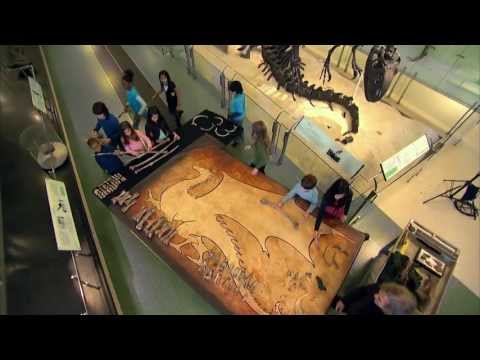
Suzuki Huang posted on 2014/10/18Ever wondered if dragons are real? This special feature from "How to Train Your Dragon" dives deep into the science and myth behind these legendary creatures, exploring everything from ancient DNA to the incredible animatronics used in the live show. You'll pick up fascinating vocabulary about mythology, paleontology, and creature design while exploring the enduring human fascination with dragons!
Learn this video on the APP!
The VoiceTube App has more in-depth practice for videos!