
affection
US /əˈfɛkʃən/
UK /əˈfekʃn/
- Noun (Countable/Uncountable)
- Feeling of liking someone or something
- A gentle feeling of fondness or liking.
B1Moreaspect
US /ˈæspɛkt/
UK /'æspekt/
- Noun (Countable/Uncountable)
- Way something looks or seems to be
- An element, feature, or quality of something
A2TOEICMoreavoid
US /əˈvɔɪd/
UK /ə'vɔɪd/
- Transitive Verb
- To prevent from happening
- To stay away from
A2TOEICMorecautious
US /ˈkɔʃəs/
UK /ˈkɔ:ʃəs/
- Adjective
- Careful about avoiding danger, problems
B2Morecharacter
US /ˈkærəktɚ/
UK /'kærəktə(r)/
- Noun
- Person in a story, movie or play
- Writing symbols, e.g. alphabet or Chinese writing
A2Morecute
US /kjut/
UK /kju:t/
- Adjective
- Attractive in a pretty or endearing way
B2Moredefer
US /dɪˈfɚ/
UK /dɪˈfɜ:(r)/
- Transitive Verb
- To hold back to a later time
B2TOEICMorediscomfort
US /dɪsˈkʌmfərt/
UK /dɪsˈkʌmfət/
- Transitive Verb
- To cause to feel uncomfortable or not at ease
- Uncountable Noun
- Feelings of being uncomfortable or uneasy
B2Moredodge
US /dɑ:dʒ/
UK /dɒdʒ/
- Verb (Transitive/Intransitive)
- To attempt to avoid something
- Noun
- An attempt to avoid something
B1Moreexcuse
US /ɪkˈskjuz/
UK /ɪk'skju:s/
- Transitive Verb
- To allow someone not to do (jury service, etc.)
- To explain acting in a bad or impolite manner
- Noun
- Note explaining why someone cannot do or attend
- Reason why you did or didn't do something
A2Moreexpression
US /ɪkˈsprɛʃən/
UK /ɪk'spreʃn/
- Noun (Countable/Uncountable)
- Act of making your thoughts and feelings known
- Group of words that have a specific meaning
A2TOEICMorefrom now on
US /frʌm naʊ ɑn/
UK /frɔm nau ɔn/
- Phrase
- Starting at this moment and continuing indefinitely into the future.
A1Moregrowl
US /ɡraʊl/
UK /graʊl/
- Intransitive Verb
- To utter a deep sound of anger or hostility
- Noun
- A deep sound of anger or hostility
B2Morein the world
US /ɪn ði wɜrld/
UK /in ðə wɜː(r)ld/
- Phrase
- Used to emphasize a question expressing surprise, confusion, or disbelief.
- Used to indicate the extent or degree of something, often in a superlative sense.
A1Moreinstinctively
US /ɪn'stɪŋktɪvlɪ/
UK /ɪn'stɪŋktɪvlɪ/
- Adverb
- Through intuition, not thought
B1TOEICMoreinteract
US /ˌɪntɚˈækt/
UK /ˌɪntər'ækt/
- Intransitive Verb
- To talk or do things with each other
A2Moreinteract with
US /ˌɪntɚˈækt wɪð/
UK /ˌɪntərˈækt wið/
- Phrase
- Verb (Transitive/Intransitive)
- To engage in communication or action involving mutual or reciprocal influence.
- To use a computer interface to achieve a specific goal.
A2Moreinvade
US /ɪnˈved/
UK /ɪnˈveɪd/
- Transitive Verb
- To enter something causing a harmful result
- To enter (a country or region) so as to subjugate or occupy it.
B1Morelick
US /lɪk/
UK /lɪk/
- Transitive Verb
- To pass the tongue along something, e.g. ice cream
- To defeat (someone) easily.
- Intransitive Verb
- (of flames) to flicker over or around (something).
B1Morepat
US /pæt/
UK /pæt/
- Proper Noun
- Person's name
- Transitive Verb
- To hit or touch lightly
B1Morepolyp
US /ˈpɑlɪp/
UK /ˈpɔlip/
- Countable Noun
- Small tube-like creature that lives in the ocean
- Small harmless growth that forms inside the body
C1Moreprivacy
US /ˈpraɪvəsi/
UK /ˈprɪvəsi/
- Uncountable Noun
- State of being hidden from the presence of others
B2TOEICMorepull away
US /pʊl əˈwe/
UK /pul əˈwei/
- Phrasal Verb
- To drive (vehicle) away;
- To withdraw emotionally; to become distant.
A1Morereward
US /rɪˈwɔrd/
UK /rɪ'wɔ:d/
- Transitive Verb
- To give something because of someone's good work
- To give someone money for helping the police
- Noun
- Money given for information about criminals
- Something given in recognition of service, effort, or achievement.
A2TOEICMoresaliva
US /səˈlaɪvə/
UK /səˈlaɪvə/
- Uncountable Noun
- Liquid produced by glands in the mouth
B2Moresalon
US /səˈlɑn, ˈsælˌɑn, sæˈlɔŋ/
UK /'sælɒn/
- Noun (Countable/Uncountable)
- Place for hairdressing or beauty treatments
B2Moresevere
US /səˈvɪr/
UK /sɪ'vɪə(r)/
- Adjective
- Very bad; harsh
- (Of clothes, etc.) plain; simple; not decorated
A2TOEICMoresnack
US /snæk/
UK /snæk/
- Noun (Countable/Uncountable)
- Small amount of food eaten between meals
- Intransitive Verb
- To eat a small amount outside of regular meal time
B2Moresocialize
US /ˈsoʃəˌlaɪz/
UK /'səʊʃəlaɪz/
- Intransitive Verb
- To spend time with people; go out and make friends
- To spend time with people; go out and make friends
- Transitive Verb
- To teach people acceptable cultural behaviors
- To organize or control (something) according to socialist principles.
B2Morestare
US /stɛr/
UK /steə(r)/
- Verb (Transitive/Intransitive)
- To look at someone or something for a long time
- Noun
- A long look at something or someone for a reason
A2Morestraight
US /stret/
UK /streɪt/
- Adjective
- Not having curves, bends, or angles
- Not gay; heterosexual
- Adverb
- in a line; immediately; honestly and directly
- In a straight line; directly.
A2TOEICMorestress
US / strɛs/
UK /stres/
- Transitive Verb
- To emphasize one or more parts of a word, sentence
- To put pressure on something or someone
- Noun (Countable/Uncountable)
- Emphasis on part of a word or sentence
- Pressure on something or someone
A2TOEICMoresuch as
US /sʌtʃ æz/
UK /sʌtʃ æz/
- Preposition
- For example; like
A1Moreteeny
US /ˈtini/
UK /'ti:nɪ/
- Adjective
- Very small
C2Moretendency
US /ˈtɛndənsi/
UK /'tendənsɪ/
- Noun
- Likelihood to behave in a particular way
A2Morethreaten
US /ˈθrɛtn/
UK /ˈθretn/
- Transitive Verb
- To cause something potential harm, or put at risk
- To say you may harm or hurt someone
A2Moretiny
US /ˈtaɪni/
UK /'taɪnɪ/
- Adjective
- Very, very small
A2Moretone
US /toʊn/
UK /təʊn/
- Noun (Countable/Uncountable)
- Atmosphere or feeling in a message
- Firmness and strength of the body's muscles
- Transitive Verb
- To increase the quality of muscles by exercise
A2Moreuncomfortable
US /ʌnˈkʌmfətəbəl, -ˈkʌmftə-/
UK /ʌnˈkʌmftəbl/
- Adjective
- Not being relaxed; worried about something
- Causing or feeling slight pain or physical unease.
B1Moreunconditionally
US /ˌʌnkən'dɪʃənəlɪ/
UK /ˌʌnkən'dɪʃənəlɪ/
- Adverb
- Without demands being made before agreeing
- In a complete and absolute manner; without any reservations.
B1Moreweird
US /wɪrd/
UK /wɪəd/
- Adjective
- Odd or unusual; surprising; strange
- Eerily strange or disturbing.
B1Moreyawn
US /jɔn/
UK /jɔ:n/
- Noun
- Opening the mouth wide and take a deep breath
- Intransitive Verb
- To open the mouth wide and take a deep breath
B1More
Vocabulary
- from now on: Starting at this moment and continuing indefinitely into the future.
- pull away: To drive (vehicle) away;
- in the world: Used to emphasize a question expressing surprise, confusion, or disbelief.
- such as: For example; like
- interact with
- weird: Odd or unusual; surprising; strange
- aspect: Way something looks or seems to be
- expression: Act of making your thoughts and feelings known
- straight: Not having curves, bends, or angles
- experience: Thing a person has done or that happened to them
- character: Person in a story, movie or play
- severe: Very bad; harsh
- interact: To talk or do things with each other
- express: To send something by fast mail
- reward: To give something because of someone's good work
- stress: To emphasize one or more parts of a word, sentence
- stare: To look at someone or something for a long time
- tendency: Likelihood to behave in a particular way
- avoid: To prevent from happening
- mean: Average of a set of numbers
- tiny: Very, very small
- affection: Feeling of liking someone or something
- saliva: Liquid produced by glands in the mouth
- privacy: State of being hidden from the presence of others
- instinctively: Through intuition, not thought
- cautious: Careful about avoiding danger, problems
- excuse: To allow someone not to do (jury service, etc.)
- favorite: A thing that someone likes best or enjoys most
- tone: Atmosphere or feeling in a message
- important: Having power or authority
- lick: To pass the tongue along something, e.g. ice cream
- learn: To get knowledge or skills by study or experience
- invade: To enter something causing a harmful result
- threaten: To cause something potential harm, or put at risk
- yawn: Opening the mouth wide and take a deep breath
- snack: Small amount of food eaten between meals
- wrong: Action that is harmful, unjust or illegal
- great: Very good; better than before
- pull: Act of breathing in smoke, as from a pipe
- pat: Person's name
- discomfort: To cause to feel uncomfortable or not at ease
- part: Division of a book
- start: First time or place that a thing exists; beginning
- understand: To know the meaning of language, what someone says
- hold: To agree to keep something for someone
- world: All the humans, events, activities on the earth
- dodge: To attempt to avoid something
- teeny: Very small
- feel: To be aware of or experience an emotion, sensation
- uncomfortable: Not being relaxed; worried about something
- unconditionally: Without demands being made before agreeing
- defer: To hold back to a later time
- socialize: To spend time with people; go out and make friends
- growl: To utter a deep sound of anger or hostility
- cute: Attractive in a pretty or endearing way
- salon: Place for hairdressing or beauty treatments
- polyp: Small tube-like creature that lives in the ocean
Get the full experience in the app
Learn anywhere with detailed sentence and usage analysis
01:03
She took a brave step forward, leaving behind her comfort zone to chase her dreams.
Vocabulary
- brave
adj. Having courage
- comfort zone
phr. A familiar situation where one feels safe
Explanation
a brave step is a noun phrase, where brave is an adjective modifying the noun step, meaning "a courageous step".
forward is an adverb modifying step, meaning "ahead".
The whole phrase serves as the object, answering the "what" of took (verb) — she took a brave step forward.
Get the full experience in the app
Look up words anytime with pronunciation, part of speech, and usage
brave
US/brev/
UK/breɪv/
adj.Brave
v.t.To bravely face
A2 Elementary
Get the full experience in the app
Practice speaking anytime and get instant pronunciation feedback
Try this speaking exercise.
Try practicing with this sentence.
80
0
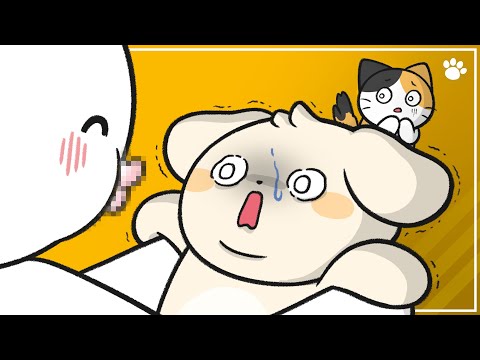
VoiceTube posted on 2024/07/09Ever wondered why your dog flinches when you go in for a kiss? This super fun video from Poppy My Pet breaks down dog body language to explain why they might not love your smooches, and how to avoid accidental bites! You'll pick up practical phrases and learn about canine communication in this daily dose of pet wisdom.
Learn this video on the APP!
The VoiceTube App has more in-depth practice for videos!