
adequate
US /ˈædɪkwɪt/
UK /ˈædɪkwət/
- Adjective
- Enough; good enough for what is needed
A2TOEICMoreadministration
US / ædˌmɪnɪˈstreʃən/
UK /ədˌmɪnɪˈstreɪʃn/
- Uncountable Noun
- Act of giving e.g. medicine to a patient
- The work of running something, e.g. a business
B1TOEICMoreaffect
US /əˈfɛkt/
UK /ə'fekt/
- Transitive Verb
- To cause a change in something else
- To pretend to have or feel (something).
- Noun
- (Psychology) Emotion or feeling.
A2TOEICMoreanguish
US /ˈæŋɡwɪʃ/
UK /'æŋɡwɪʃ/
- Uncountable Noun
- Great suffering caused by pain, worry, unhappiness
B2TOEICMorearrive at
US /əˈraɪv æt/
UK /əˈraiv æt/
- Phrasal Verb
- To reach a place, especially at the end of a journey.
- To reach a conclusion or decision after thinking about something.
A2Moreat a time
US /æt e taɪm/
UK /æt ə taim/
- Phrase
- Separately; one by one
- Simultaneously; together
A1Moreat the moment
US
UK
- Adverb
- At this time; now
A1Moreblame
US /blem/
UK /bleɪm/
- Transitive Verb
- To say someone is responsible for something bad
- Noun (Countable/Uncountable)
- Act of saying someone did something bad
A2TOEICMorecause
US /kɔz/
UK /kɔ:z/
- Noun
- Belief, goal or organization that people support
- Reason for
- Transitive Verb
- To make something happen; create effect or result
A2Morecomment
US /ˈkɑmɛnt/
UK /'kɒment/
- Noun (Countable/Uncountable)
- Something you say, giving an opinion; remark
- An explanatory note in a computer program.
- Verb (Transitive/Intransitive)
- To say something that gives your opinion
- To add explanatory notes to a computer program.
A2Moreconduct
US / kənˈdʌkt/
UK /kənˈdʌkt/
- Uncountable Noun
- Your behavior
- Verb (Transitive/Intransitive)
- To behave in a certain way; e.g. at a party
- To let electricity or heat travel through
B1TOEICMorecorrespondent
US /ˌkɔrɪˈspɑndənt, ˌkɑr-/
UK /ˌkɒrəˈspɒndənt/
- Countable Noun
- Journalist, as one reporting from other countries
B1Morecrowd
US /kraʊd/
UK /kraʊd/
- Verb (Transitive/Intransitive)
- To force too many things, people into
- (Lots of people) to meet together in one place
- Noun (Countable/Uncountable)
- Large group of people together in one place
A2Morecrush
US /krʌʃ/
UK /krʌʃ/
- Noun
- Strong attraction to someone
- Transitive Verb
- To break something into small pieces by pressing
- To defeat someone or something (in a game)
B1TOEICMoreculmination
US /ˌkʌl.məˈneɪ.ʃən/
UK /ˌkʌl.mɪˈneɪ.ʃən/
- Noun
- The point at which an event or series of events ends, having developed until it reaches this point
B2Moredistress
US /dɪˈstrɛs/
UK /dɪ'stres/
- Uncountable Noun
- State of great sadness, anxiety or pain
- Condition of danger or emergency
- Transitive Verb
- To cause someone anxiety or sadness
- To be in financial trouble
B1Morefactor
US /ˈfæktɚ/
UK /'fæktə(r)/
- Noun
- Something that influences a result
- Transitive Verb
- To consider or include in an estimate or judgment
- To find the two numbers a number can be divided by
A2TOEICMorefamily members
US
UK
- Noun (plural)
- People related by blood, marriage, or adoption.
A1Moregrant
US /ɡrænt/
UK /ɡrɑ:nt/
- Transitive Verb
- To admit an opinion is true but not fully agreeing
- To give or let someone do what they want
- Uncountable Noun
- Money given for education or research
A2TOEICMorehindu
US
UK
- Adjective
- Of or relating to or supporting Hinduism
C2Morehorrify
US /ˈhɔ:rɪfaɪ/
UK /ˈhɒrɪfaɪ/
- Transitive Verb
- To cause someone to feel horror or shock
B2Morehuge
US /hjudʒ/
UK /hju:dʒ/
- Adjective
- Very very large
A2Morehumid
US /ˈhjumɪd/
UK /ˈhju:mɪd/
- Adjective
- (Of air, weather) containing a lot of moisture
B1Morehumidity
US /hjuˈmɪdɪti/
UK /hju:ˈmɪdəti/
- Uncountable Noun
- Amount of moisture in the air in a particular area
B1TOEICMorein fact
US /ɪn fækt/
UK /in fækt/
- Adverb
- Used to emphasize the truth of a statement, especially one that contrasts with or contradicts something else.
- Used to introduce a more detailed or surprising piece of information.
- Phrase
- Used to emphasize the truth of a statement, especially one that is surprising or contrary to what might be expected.
C1Morein hospital
US /ɪn ˈhɑspɪtl/
UK /ɪn ˈhɒspɪtl/
- other
- Admitted to a hospital for treatment.
A2Morein session
US /ɪn ˈsɛʃən/
UK /in ˈseʃən/
- Adjective
- Actively meeting or conducting business.
B1Moreinadequate
US /ɪnˈædɪkwɪt/
UK /ɪnˈædɪkwət/
- Adjective
- Unsatisfactory; not good enough; not enough
B1Moreinfrastructure
US /ˈɪnfrəˌstrʌktʃɚ/
UK /'ɪnfrəstrʌktʃə(r)/
- Uncountable Noun
- Basic necessary equipment for a country or region
- The underlying framework or system of an organization.
B1Moreinquiry
US /ɪnˈkwaɪri, ˈɪnˌkwaɪri, ˈɪnkwəri, ˈɪŋ-/
UK /ɪn'kwaɪərɪ/
- Uncountable Noun
- Process of seeking information
- Official examination to get information
B1TOEICMoremention
US /ˈmɛnʃən/
UK /'menʃn/
- Transitive Verb
- To refer to or talk or write about something
- Uncountable Noun
- Act of referring to or talking about something
- A formal acknowledgement of something
A2TOEICMorenumber of people
US /ˈnʌmbɚ ʌv ˈpipəl/
UK /ˈnʌmbə ɔv ˈpi:pl/
- Phrase
- The total count of individuals within a group or gathering.
- A statistical figure representing the population size or a subset thereof.
A1Moreopposition
US /ˌɑ:pəˈzɪʃn/
UK /ˌɒpəˈzɪʃn/
- Uncountable Noun
- Act of disagreeing or trying to stop something
- Group that you are fighting or competing against
B1Moreoversee
US /ˌovɚˈsi/
UK /ˌəʊvə'si:/
- Transitive Verb
- To check on or manage the work of others
B2TOEICMoreparliament
US /ˈpɑrləmənt/
UK /ˈpɑ:ləmənt/
- Noun
- Elected officials who govern a country (in the UK)
- Period when the Uk government is in session
A2Morepermission
US /pɚˈmɪʃən/
UK /pəˈmɪʃn/
- Noun (Countable/Uncountable)
- Right to do something as allowed by another
- Formal authorization from an authority.
A2Moreprime
US /praɪm/
UK /praɪm/
- Transitive Verb
- To get a person ready for; prepare someone
- To coat with paint to prepare it for the main coat
- Adjective
- Concerning the highest in quality or value
- Concerning the highest level of achievement
A2TOEICMorerelief
US /rɪˈlif/
UK /rɪˈli:f/
- Noun (Countable/Uncountable)
- Aid given to people in need as after war/disaster
- Artwork, e.g. part of wall, that partly sticks out
B1TOEICMorereligious
US /rɪˈlɪdʒəs/
UK /rɪˈlɪdʒəs/
- Adjective
- Following the rules and beliefs of a faith
- Relating to or manifesting faithful devotion to an acknowledged ultimate reality or deity.
B1Moresession
US /ˈsɛʃən/
UK /ˈseʃn/
- Noun (Countable/Uncountable)
- Period of time used for a specific activity
- Series of meetings for e.g. a court, legislature
A2TOEICMoreset up
US /sɛt ʌp/
UK /set ʌp/
- Phrasal Verb
- To make arrangements for something; establish
- Verb (Transitive/Intransitive)
- To arrange or prepare something for use.
- To start a business, organization, etc.
A1Moresheer
US /ʃɪr/
UK /ʃɪə(r)/
- Intransitive Verb
- To suddenly turn or change direction
- Adverb
- Straight up and down; steeply
B1Morestampede
US /stæmˈpid/
UK /stæm'pi:d/
- Noun
- A sudden uncontrolled rush of people or animals
- Intransitive Verb
- (E.g. of a herd of cows) to rush forward together
B2Moresuppose
US /səˈpoʊz/
UK /sə'pəʊz/
- Verb (Transitive/Intransitive)
- To imagine or guess what might happen
- Conjunction
- What if
A2TOEICMoretrigger
US /ˈtrɪɡɚ/
UK /'trɪɡə(r)/
- Noun
- Lever on a gun that you pull to fire
- Device that starts a process
- Transitive Verb
- To start a process off e.g. a memory
- To cause something to begin or happen.
B1Moreuncertainty
US /ʌnˈsə:tn:ti/
UK /ʌn'sɜ:tntɪ/
- Uncountable Noun
- Feeling of not really knowing what will happen
- Lack of confidence; doubt.
B2TOEICMorewhatsoever
US /ˌhwɑtsoˈɛvɚ,ˌhwʌt-,ˌwɑt,ˌwʌt-/
UK /ˌwɒtsəʊ'evə/
- Determiner
- Used to add emphasis to an idea being expressed
B2More
Vocabulary
- number of people: The total count of individuals within a group or gathering.
- set up
- in hospital: Admitted to a hospital for treatment.
- arrive at: To reach a place, especially at the end of a journey.
- family members: People related by blood, marriage, or adoption.
- in fact: Used to emphasize the truth of a statement, especially one that contrasts with or contradicts something else.
- in session: Actively meeting or conducting business.
- at the moment: At this time; now
- at a time: Separately; one by one
- trigger: Lever on a gun that you pull to fire
- situation: Place, position or area that something is in
- infrastructure: Basic necessary equipment for a country or region
- treat: To pay for the food or enjoyment of someone else
- develop: To explain something in steps and in detail
- express: To send something by fast mail
- parliament: Elected officials who govern a country (in the UK)
- suppose: To imagine or guess what might happen
- crush: Strong attraction to someone
- comment: Something you say, giving an opinion; remark
- sheer: To suddenly turn or change direction
- blame: To say someone is responsible for something bad
- permission: Right to do something as allowed by another
- distress: State of great sadness, anxiety or pain
- conduct: Your behavior
- prime: To get a person ready for; prepare someone
- adequate: Enough; good enough for what is needed
- affect: To cause a change in something else
- mention: To refer to or talk or write about something
- state: Region within a country, with its own government
- crowd: To force too many things, people into
- session: Period of time used for a specific activity
- cause: Belief, goal or organization that people support
- private: Being away from others and quiet
- huge: Very very large
- factor: Something that influences a result
- administration: Act of giving e.g. medicine to a patient
- grant: To admit an opinion is true but not fully agreeing
- religious: Following the rules and beliefs of a faith
- lead: Wire for electricity, computer, etc.; cable
- relief: Aid given to people in need as after war/disaster
- break: To create a new record e.g. running the 100m dash
- correspondent: Journalist, as one reporting from other countries
- suggest: To mention something that could be done; propose
- social: Involving activity with people, e.g. in free time
- stage: To organize an event to gain public interest
- inadequate: Unsatisfactory; not good enough; not enough
- anguish: Great suffering caused by pain, worry, unhappiness
- place: To put someone in a particular type of situation
- whatsoever: Used to add emphasis to an idea being expressed
- humidity: Amount of moisture in the air in a particular area
- uncertainty: Feeling of not really knowing what will happen
- continue: To do something without stopping, or after pausing
- event: Any social gathering; occasion; planned activity
- point: An item to be discussed
- opposition: Act of disagreeing or trying to stop something
- humid: (Of air, weather) containing a lot of moisture
- inquiry: Process of seeking information
- culmination: The point at which an event or series of events ends, having developed until it reaches this point
- oversee: To check on or manage the work of others
- stampede: A sudden uncontrolled rush of people or animals
- horrify: To cause someone to feel horror or shock
- hindu: Of or relating to or supporting Hinduism
Get the full experience in the app
Learn anywhere with detailed sentence and usage analysis
01:03
She took a brave step forward, leaving behind her comfort zone to chase her dreams.
Vocabulary
- brave
adj. Having courage
- comfort zone
phr. A familiar situation where one feels safe
Explanation
a brave step is a noun phrase, where brave is an adjective modifying the noun step, meaning "a courageous step".
forward is an adverb modifying step, meaning "ahead".
The whole phrase serves as the object, answering the "what" of took (verb) — she took a brave step forward.
Get the full experience in the app
Look up words anytime with pronunciation, part of speech, and usage
brave
US/brev/
UK/breɪv/
adj.Brave
v.t.To bravely face
A2 Elementary
Get the full experience in the app
Practice speaking anytime and get instant pronunciation feedback
Try this speaking exercise.
Try practicing with this sentence.
80
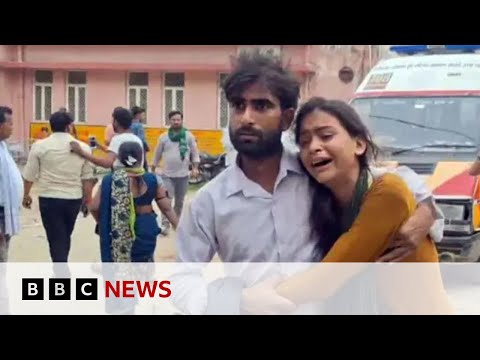
At least 100 killed in crush at India religious event | BBC News
0
VoiceTube posted on 2024/07/03Dive into a real-world news report from BBC News about a tragic stampede at a religious event in India. You'll get to practice understanding complex sentence structures and learn about cultural events, crowd safety, and government inquiries all at once!
Learn this video on the APP!
The VoiceTube App has more in-depth practice for videos!