Vocabulary
- for example: As an illustration or instance.
- in fact: Used to emphasize the truth of a statement, especially one that contrasts with or contradicts something else.
- fall for: To be deceived or tricked by someone
- pay off: To give money to get person to do something; bribe
- come up with: To think of an idea or solution; produce
- social stigma: Disapproval or discrimination against a person based on social characteristics that serve to distinguish them from other members of a society.
- in the past: During a former period of time; previously.
- due to: Because of; owing to
- on impulse: Acting suddenly without thinking about the results of your actions
- stock up: To accumulate a supply of something.
- at this point in time: At the current or specific moment under consideration.
- point in time: A specific moment or instance when something occurs or exists.
- in time: Eventually; after a period of time.
- off of: From a position on something; down from.
- come down to: To become in the end a matter of
- stay away: To keep a distance from something or someone; to avoid approaching.
- wait for: To wait until someone comes, or something happens
- constantly: Frequently, or without pause
- mindset: Way someone things about something
- pandemic: (of a disease) existing in almost all of an area or in almost all of a group of people, animals, or plants
- trigger: Lever on a gun that you pull to fire
- grocery: Daily foods such as flour, sugar, and tinned foods
- trick: To fool someone in order to obtain a result
- sustainable: Capable of continuing for a long time
- effective: Working efficiently to produce a desired result
- consistent: Agreeing with or being similar to another part
- advantage: Thing making the chance of success higher
- exclusive: Being available only to people with a lot of money
- psychological: Concerning the study of the mind
- sense: Certain mental feeling or emotion
- stigma: Mark of shame or disgrace
- whopping: (Informal) huge; very big
- psychology: The study of the mind and how it affects behavior
- impulse: Sudden desire to do something that is not planned
- increase: To make or become larger in size or amount
- decade: Period of 10 years
- financial: Involving money
- debt: Sum of money owed to someone that is not yet paid
- victim: Person/thing affected by an unpleasant event
- afford: To make available, to provide
- deal: To cope with something - usually troubles
- inflation: Act of filling something with air or gas
- attractive: Making you like them, as by being good-looking
- decision: Choice made after thinking; final judgment
- apply: To spread a substance or liquid over a surface
- retail: Business of selling products to the public
- survey: Broad view or general description of something
- due: When something is required or expected
- interest: Best or most advantageous thing for someone
- acute: (Of an angle in math) of less than 90 degrees
- fall: Season after summer and before winter; Autumn
- peak: Part of a cap that sticks out over your eyes
- credit: System to buy something and pay for it later
- devote: To dedicate
- inventory: List of items stored at a place
- limit: Point beyond which it is not possible to go
- scarcity: Very small or limited amount of something
- offer: Price you say you are willing to pay for something
- kind: In a caring and helpful manner
- loan: To give money, etc. that must be paid back
- spend: To use money to pay for something
- fact: Something that is known or proved to be true
- gather: To bring objects together into one place
- retailer: Merchant/store who sells goods at retail
- sticky: Easy to adhere or stick to other things
- consumer: Person who buys goods or services
- point: An item to be discussed
- drive: A person's ambition and motivation to do something
- loyal: Always showing support for; faithful
- pioneer: Person exploring a new place or field of endeavor
- repeatedly: (Said, done) many times; over and over
- nephew: Son of your brother or sister
- prehistoric: Relating to the period before written history
- analytic: Of the process of detailed reasoning
- gen: (UK old-fashioned, informal) Information about a particular subject
- overspend: To spend more money than you have, had budgeted
Get the full experience in the app
Learn anywhere with detailed sentence and usage analysis
01:03
She took a brave step forward, leaving behind her comfort zone to chase her dreams.
Vocabulary
- brave
adj. Having courage
- comfort zone
phr. A familiar situation where one feels safe
Explanation
a brave step is a noun phrase, where brave is an adjective modifying the noun step, meaning "a courageous step".
forward is an adverb modifying step, meaning "ahead".
The whole phrase serves as the object, answering the "what" of took (verb) — she took a brave step forward.
Get the full experience in the app
Look up words anytime with pronunciation, part of speech, and usage
brave
US/brev/
UK/breɪv/
adj.Brave
v.t.To bravely face
A2 Elementary
Get the full experience in the app
Practice speaking anytime and get instant pronunciation feedback
Try this speaking exercise.
Try practicing with this sentence.
80
What Is Spaving And How It’s Hurting Americans
0
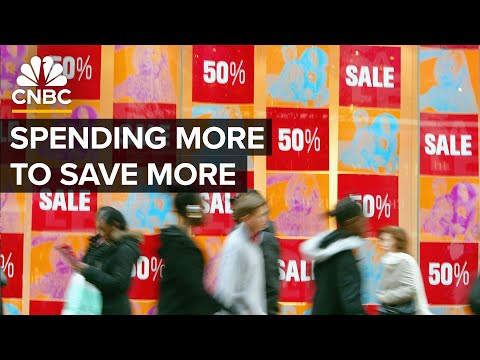
VoiceTube posted on 2024/06/14Ever feel like you're spending more than you intend to, even when you're trying to save? This video dives into the sneaky world of 'spaving' and how consumer psychology, impulse buying, and FOMO can lead to credit card debt. You'll pick up advanced vocabulary related to personal finance and consumer behavior, making it a practical lesson for everyday shoppers!
Learn this video on the APP!
The VoiceTube App has more in-depth practice for videos!