
along with
US /əˈlɔŋ wɪð/
UK /əˈlɔŋ wið/
- Preposition
- In addition to; together with.
- Adverb
- In company or together with someone or something.
- Including; in addition to.
A2Morealso known as
US
UK
- Phrase
- Also called; alternatively named.
- Identified by another term; synonymous with.
A1Moreapproximately
US /əˈprɑksəmɪtlɪ/
UK /əˈprɒksɪmətli/
- Adverb
- Around; nearly; almost; about (a number)
A2TOEICMoreas for
US /æz fɔr/
UK /æz fɔ:/
- Preposition
- Concerning; regarding.
- Phrase
- Used to introduce a new topic or aspect of a subject.
A1Moreas well as
US /æz wɛl æz/
UK /æz wel æz/
- Adverb
- Also; in addition to
- Preposition
- In addition to; and also.
A1Morecall for
US /kɔl fɔr/
UK /kɔ:l fɔ:/
- Phrasal Verb
- To demand, need or require (an action or thing)
- To come to someone's house to take them somewhere
A1Morecannibalism
US /'kænɪbəlɪzəm/
UK /'kænɪbəlɪzəm/
- Uncountable Noun
- Practice of one human eating another
- The practice where an animal eats all or part of another animal of the same species.
C1Morecensus
US /ˈsɛnsəs/
UK /ˈsensəs/
- Noun (Countable/Uncountable)
- Survey to collect data about people in an area
B2Moreclan
US /klæn/
UK /klæn/
- Noun (Countable/Uncountable)
- Group of related families or people
C2Moreclimate
US /ˈklaɪmɪt/
UK /ˈklaɪmət/
- Noun (Countable/Uncountable)
- Typical weather conditions in a particular place
- The general attitudes, feelings, or opinions that people have at a particular time.
A2Morecolonial
US /kəˈloʊniəl/
UK /kəˈləʊniəl/
- Adjective
- Of a system where one country controls another
B2Morecolonialism
US /kəˈloniəˌlɪzəm/
UK /kəˈləʊniəlɪzəm/
- Uncountable Noun
- System in which a country controls a colony
B2Morecoral
US /ˈkɑrəl/
UK /'kɒrəl/
- Adjective
- Color that is a combination of pink and orange
- Noun
- Marine substance made from bones of sea creatures
B2Moredense
US /dɛns/
UK /dens/
- Adjective
- Very thick and difficult to see, get through
- Hard to understand
B1TOEICMoredistinct
US /dɪˈstɪŋkt/
UK /dɪˈstɪŋkt/
- Adjective
- Clearly different in nature from something else
- Clearly noticeable; easily perceived.
A2Morediversity
US /dɪˈvə:sɪti, daɪ-/
UK /daɪ'vɜ:sətɪ/
- Noun (Countable/Uncountable)
- Having a range of different races, ideas etc.
- A range of different things.
B1TOEICMoredomestic
US /dəˈmɛstɪk/
UK /dəˈmestɪk/
- Noun
- Someone paid to help with housework in your house
- Adjective
- British informal fight between husband and wife
- Concerning your own home or house
A2TOEICMoredue to
US /du tu/
UK /dju: tu:/
- Preposition
- Because of; owing to
- Adjective
- Attributable to; caused by.
A1Moreelevation
US /ˌɛləˈveʃən/
UK /ˌelɪˈveɪʃn/
- Uncountable Noun
- Height of a place
- Shortened form of elevation, referring to height above a reference point.
B2TOEICMoreendemic
US /ɛnˈdɛmɪk/
UK /enˈdemɪk/
- Adjective
- Natural to or typical of a specific place/people
C1TOEICMoreestimate
US /ˈɛstəˌmet/
UK /'estɪmət/
- Noun (Countable/Uncountable)
- Guess or calculation of cost, size or value
- A judgment or opinion.
- Transitive Verb
- To guess or calculate the cost, size or value of
- To form an approximate idea or judgment of.
A2TOEICMoreexact
US /ɪɡˈzækt/
UK /ɪɡ'zækt/
- Adjective
- Completely correct; accurate; specific
- Transitive Verb
- To get something, sometimes using force
A2TOEICMoreextensively
US /ɪkˈstɛnsɪvlɪ/
UK /ɪk'stensɪvlɪ/
- Adverb
- Very much or often; to a large degree
- In a widespread manner; to a great extent.
B2Morefamily members
US
UK
- Noun (plural)
- People related by blood, marriage, or adoption.
A1Morefor example
US
UK
- Phrase
- As an illustration or instance.
grow up
US /ɡro ʌp/
UK /ɡrəu ʌp/
- Phrasal Verb
- To develop from a child into an adult
A1Morehas over
US
UK
- Phrasal Verb
- To invite someone to your house.
- To have more than a certain number or amount.
A1Morein the world
US /ɪn ði wɜrld/
UK /in ðə wɜː(r)ld/
- Phrase
- Used to emphasize a question expressing surprise, confusion, disbelief
- Used to indicate the extent or degree of something, often in a superlative sense
A1Moreincorporate
US /ɪnˈkɔrpəˌret/
UK /ɪn'kɔ:pəreɪt/
- Transitive Verb
- To form into a company or business corporation
- To include or involve as part of something else
A2Moreinstead of
US /ɪnˈstɛd ʌv/
UK /inˈsted ɔv/
- Preposition
- When one thing is replaced by another
- Adverb
- As a substitute or alternative.
A1Moreinvoke
US /ɪnˈvok/
UK /ɪn'vəʊk/
- Transitive Verb
- To appeal for help/protection to higher authority
- To use a law, concept, or right to achieve a goal
B1Moreisolation
US /ˌaɪsəˈleʃən/
UK /ˌaɪsəˈleɪʃn/
- Uncountable Noun
- Condition of being in a distinct, separate place
- Process of separating things from other things
B1Morelead to
US /lid tu/
UK /li:d tu:/
- Phrasal Verb
- To result in some action
- Verb (Transitive/Intransitive)
- To have something as a consequence or result.
A1Morelook at
US /lʊk æt/
UK /luk æt/
- Phrasal Verb
- To use your eyes to focus on something
- To focus your eyes on something carefully
A1Moremaintain
US /menˈten/
UK /meɪn'teɪn/
- Transitive Verb
- To keep saying something a certain way
- To keep (machine) working by checking, repairing
A2TOEICMoremajority
US /məˈdʒɔrɪti, -ˈdʒɑr-/
UK /mə'dʒɒrətɪ/
- Noun (Countable/Uncountable)
- Amount that is more than half of a group
- The age at which a person is legally considered an adult.
B1TOEICMoremammal
US /ˈmæməl/
UK /'mæml/
- Noun
- Animal which drinks milk from its mother
B1Moremarine
US /məˈrin/
UK /mə'ri:n/
- Countable Noun
- Soldier trained to serve on land and sea
- Adjective
- Of the ocean or ocean plants and animals
- Concerning sailing or doing business by sea
B1Moremisfortune
US /ˌmɪsˈfɔ:rtʃu:n/
UK /ˌmɪsˈfɔ:tʃu:n/
- Uncountable Noun
- Unfortunate or unlucky event
B2Morenative
US /ˈnetɪv/
UK /ˈneɪtɪv/
- Noun (Countable/Uncountable)
- Someone from or born in a specific country
- Original inhabitant, e.g. before others
- Adjective
- Caused by natural ability; innate
A2Morenumber of people
US /ˈnʌmbɚ ʌv ˈpipəl/
UK /ˈnʌmbə ɔv ˈpi:pl/
- Phrase
- The total count of individuals within a group or gathering.
- A statistical figure representing the population size or a subset thereof.
A1Moreof course
US /ʌv kɔː(r)s/
UK /ɔv kɔː(r)s/
- Adverb
- Sure ; Certainly
- Phrase
- For sure; certainly
A2Moreoverlook
US /ˌoʊvərˈlʊk/
UK /ˌəʊvəˈlʊk/
- Transitive Verb
- To look down on; be able to see from
- To miss noticing a mistake or problem
B1TOEICMoreparadise
US /ˈpærəˌdaɪs, -ˌdaɪz/
UK /'pærədaɪs/
- Noun (Countable/Uncountable)
- Place with everything needed for specific activity
- Place where good people are said to go after death
B1Morepeak
US /pik/
UK /pi:k/
- Noun
- Part of a cap that sticks out over your eyes
- The very top of a mountain
- Intransitive Verb
- To reach the highest or best point
B1Morepositive
US /ˈpɑzɪtɪv/
UK /ˈpɒzətɪv/
- Adjective
- Showing agreement or support for something
- Being sure about something; knowing the truth
- Noun
- A photograph in which light areas are light and dark areas are dark
A2Morepractice
US /ˈpræktɪs/
UK /'præktɪs/
- Noun
- The office and place for legal or medical work
- Doing something many times to become better at it
- Verb (Transitive/Intransitive)
- To work as a doctor or lawyer
- To live according to the teachings of a religion
A2TOEICMorerather than
US
UK
- Adverb
- More exactly; more correctly
- Preferably; instead
- Preposition
- Instead of
A1Morerecognize
US /ˈrek.əɡ.naɪz/
UK /ˈrek.əɡ.naɪz/
- Transitive Verb
- To accept the truth or reality of something
- To consider something as important or special
A2TOEICMorerugged
US /ˈrʌɡɪd/
UK /ˈrʌgɪd/
- Adjective
- (Of mountains) rough and uneven; hard to climb
- Strong in a rough kind of way
B1Morerun through
US
UK
- Phrasal Verb
- To pierce with a sharp pointed object
- To practice or rehearse quickly, e.g. for a play
A1Morerural
US /ˈrʊrəl/
UK /ˈruərəl/
- Adjective
- Concerning the country as opposed to the city
B1Moresignificant
US /sɪɡˈnɪfɪkənt/
UK /sɪgˈnɪfɪkənt/
- Adjective
- Large enough to be noticed or have an effect
- Having meaning; important; noticeable
A2TOEICMoresix times
US
UK
- Adverb
- Multiplied by six; a factor of six.
- On six occasions; six instances.
strength
US /strɛŋkθ, strɛŋθ, strɛnθ/
UK /streŋθ/
- Noun (Countable/Uncountable)
- Condition of being strong
- The quality or state of being physically strong.
A2TOEICMoresuch as
US /sʌtʃ æz/
UK /sʌtʃ æz/
- Preposition
- For example; like
A1Moresynonym
US /ˈsɪnəˌnɪm/
UK /ˈsɪnənɪm/
- Noun
- Word that has the same meaning as another word
B2Moretaboo
US /təˈbu, tæ-/
UK /təˈbu:/
- Adjective
- Not being accepted by customs or society
- Transitive Verb
- To not allow something
B2Moreterrain
US /təˈren/
UK /təˈreɪn/
- Uncountable Noun
- Characteristics (e.g. rough) of a piece of land
- An area of activity or knowledge.
B1Morethanks to
US /θæŋks tu/
UK /θæŋks tu:/
- Preposition
- Because of; as a result of.
A1Moretribe
US /traɪb/
UK /traɪb/
- Noun
- Racial group united by language, religion, customs
B1Moretropical
US /ˈtrɑpɪkəl/
UK /ˈtrɒpɪkl/
- Adjective
- Hot and humid; near to the equator
- Very hot and humid
- Noun
- The tropical region of the earth
B1Moreunique
US /juˈnik/
UK /jʊ'ni:k/
- Adjective
- Unlike other things; being the only one like it
- Remarkably special or unusual.
A2TOEICMorewatch over
US /wɑtʃ ˈovɚ/
UK /wɔtʃ ˈəuvə/
- Phrasal Verb
- To protect or guard someone or something.
A1Morewitchcraft
US /ˈwɪtʃˌkrɑːft/
UK /ˈwɪtʃkrɑ:ft/
- Uncountable Noun
- Performing magic using spells, often to harm
C2More
Vocabulary
- such as: For example; like
- in the world: Used to emphasize a question expressing surprise, confusion, disbelief
- due to: Because of; owing to
- of course: Sure ; Certainly
- look at: To use your eyes to focus on something
- run through: To pierce with a sharp pointed object
- rather than: More exactly; more correctly
- for example: As an illustration or instance.
- grow up: To develop from a child into an adult
- along with: In addition to; together with.
- instead of: When one thing is replaced by another
- number of people: The total count of individuals within a group or gathering.
- lead to: To result in some action
- thanks to: Because of; as a result of.
- has over: To invite someone to your house.
- also known as: Also called; alternatively named.
- watch over: To protect or guard someone or something.
- family members: People related by blood, marriage, or adoption.
- six times: Multiplied by six; a factor of six.
- call for: To demand, need or require (an action or thing)
- as well as: Also; in addition to
- as for: Concerning; regarding.
- significant: Large enough to be noticed or have an effect
- recognize: To accept the truth or reality of something
- majority: Amount that is more than half of a group
- practice: The office and place for legal or medical work
- native: Someone from or born in a specific country
- positive: Showing agreement or support for something
- common: Area in a city or town that is open to everyone
- consider: To think carefully about something
- develop: To explain something in steps and in detail
- exact: Completely correct; accurate; specific
- distinct: Clearly different in nature from something else
- strength: Condition of being strong
- approximately: Around; nearly; almost; about (a number)
- amount: Quantity of something
- unique: Unlike other things; being the only one like it
- climate: Typical weather conditions in a particular place
- domestic: Someone paid to help with housework in your house
- incorporate: To form into a company or business corporation
- estimate: Guess or calculation of cost, size or value
- maintain: To keep saying something a certain way
- diversity: Having a range of different races, ideas etc.
- form: Sports team or person's current winning record
- dense: Very thick and difficult to see, get through
- terrain: Characteristics (e.g. rough) of a piece of land
- drop: Distance between a higher and a lower level
- due: When something is required or expected
- rate: To assess something or consider its qualities
- lead: Wire for electricity, computer, etc.; cable
- taboo: Not being accepted by customs or society
- rural: Concerning the country as opposed to the city
- isolation: Condition of being in a distinct, separate place
- economy: Using money, resources in a careful, effective way
- belief: Being sure that something exists or is true
- mammal: Animal which drinks milk from its mother
- peak: Part of a cap that sticks out over your eyes
- endemic: Natural to or typical of a specific place/people
- tropical: Hot and humid; near to the equator
- marine: Soldier trained to serve on land and sea
- census: Survey to collect data about people in an area
- single: One run in cricket or a hit baseball
- allow: To admit the validity or truth of something
- government: Group of people and system that rule a nation
- language: Words or signs used to communicate messages
- paradise: Place with everything needed for specific activity
- tribe: Racial group united by language, religion, customs
- colonial: Of a system where one country controls another
- synonym: Word that has the same meaning as another word
- coral: Color that is a combination of pink and orange
- rugged: (Of mountains) rough and uneven; hard to climb
- invoke: To appeal for help/protection to higher authority
- overlook: To look down on; be able to see from
- extensively: Very much or often; to a large degree
- elevation: Height of a place
- clan: Group of related families or people
- misfortune: Unfortunate or unlucky event
- cannibalism: Practice of one human eating another
- witchcraft: Performing magic using spells, often to harm
- colonialism: System in which a country controls a colony
Get the full experience in the app
Learn anywhere with detailed sentence and usage analysis
01:03
She took a brave step forward, leaving behind her comfort zone to chase her dreams.
Vocabulary
- brave
adj. Having courage
- comfort zone
phr. A familiar situation where one feels safe
Explanation
a brave step is a noun phrase, where brave is an adjective modifying the noun step, meaning "a courageous step".
forward is an adverb modifying step, meaning "ahead".
The whole phrase serves as the object, answering the "what" of took (verb) — she took a brave step forward.
Get the full experience in the app
Look up words anytime with pronunciation, part of speech, and usage
brave
US/brev/
UK/breɪv/
adj.Brave
v.t.To bravely face
A2 Elementary
Get the full experience in the app
Practice speaking anytime and get instant pronunciation feedback
Try this speaking exercise.
Try practicing with this sentence.
80
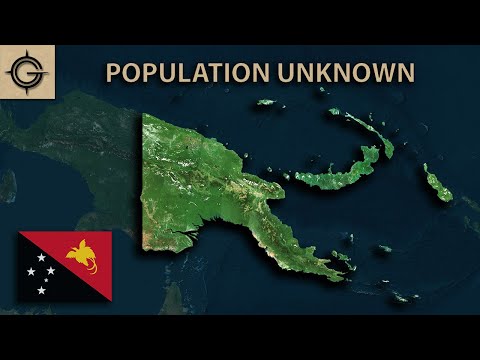
Geography of Papua New Guinea: The Most Interesting Country in the World?
0
VoiceTube posted on 2024/05/31Ever wondered about the world's most fascinating country? Dive into Papua New Guinea to explore its incredible linguistic diversity, unique tribal societies, and stunning biodiversity, including the famous birds of paradise! You'll pick up advanced vocabulary and learn about complex cultural nuances, making this a truly enriching watch.
Learn this video on the APP!
The VoiceTube App has more in-depth practice for videos!