
accurate
US /ˈækjərɪt/
UK /ˈækjərət/
- Adjective
- With no mistake or error; Correct
A2Moreafford
US /əˈfɔrd, əˈford/
UK /ə'fɔ:d/
- Transitive Verb
- To make available, to provide
- To have enough money to pay for something
A2TOEICMoreanswer to
US
UK
- Phrasal Verb
- To be responsible to someone and have to explain your actions to them.
- To correspond to or match a description or requirement.
A1Moreargument
US /ˈɑrɡjəmənt/
UK /ˈɑ:gjumənt/
- Noun (Countable/Uncountable)
- Discussion in which you disagree with someone
- A presentation of reasons for or against an idea
A2TOEICMoreas follows
US
UK
- Phrase
- Used to introduce a list or explanation.
A1Moreat a cost
US
UK
- Phrase
- Involving loss or sacrifice.
- Involving a specified amount of money.
A1Moreat the same time
US
UK
- Phrase
- Simultaneously; at the identical moment.
- Nevertheless; however; used to introduce a contrasting or qualifying statement.
A1Moreawful
US /ˈɔfəl/
UK /ˈɔ:fl/
- Adjective
- Very bad; horrible; terrible
A2Morebias
US /ˈbaɪəs/
UK /'baɪəs/
- Noun (Countable/Uncountable)
- Preference to believe things even if incorrect
- A systematic error in a statistical result
- Transitive Verb
- To unfairly favor one view over another
- To cause someone to have prejudice
B1TOEICMoreblame
US /blem/
UK /bleɪm/
- Transitive Verb
- To say someone is responsible for something bad
- Noun (Countable/Uncountable)
- Act of saying someone did something bad
A2TOEICMorebold
US /bold/
UK /bəʊld/
- Adjective
- Brave; very confident; too confident
- Having a strong, vivid, or striking appearance or flavor
- Noun
- Darker heavier shade of a font
B1Morebreak out
US /brek aʊt/
UK /breik aut/
- Phrasal Verb
- To isolate some information from other data
A1Morechaotic
US /keɪˈɒtɪk/
UK /keɪ'ɒtɪk/
- Adjective
- Utterly confused
B1Morecontrary
US /ˈkɑnˌtrɛri/
UK /'kɒntrərɪ/
- Adjective
- (Of weather) difficult; likely to cause trouble
- Going against authority, a parent, or the rules
- Adverb
- In opposition to.
B1Moredeal with
US /dil wɪð/
UK /di:l wið/
- Verb (Transitive/Intransitive)
- To buy or sell goods or services.
- Phrasal Verb
- To take action to solve a problem or manage a situation.
- To be about; concern.
A1Moredepression
US /dɪˈprɛʃən/
UK /dɪ'preʃn/
- Noun (Countable/Uncountable)
- Medical condition of a lack of vitality
- Period of unemployment and low economic activity
B2Moredetermine
US /dɪˈtɚmɪn/
UK /dɪ'tɜ:mɪn/
- Transitive Verb
- To control exactly how something will be or act
- To establish the facts about; discover
A2TOEICMoreevidence of
US
UK
- Phrase
- Facts, objects, or signs that make you believe that something is true.
- Something that shows that something else exists or is true.
A1Moreexcrement
US /ˈɛkskrəmənt/
UK /ˈekskrɪmənt/
- Uncountable Noun
- Waste matter discharged from the body; feces
C1Morego on
US /ɡo ɑn/
UK /ɡəu ɔn/
- Phrasal Verb
- To continue doing something
- To happen (usually negative)
- Interjection
- Used to encourage someone
A1Moregrasp
US /ɡræsp/
UK /ɡrɑ:sp/
- Noun
- Person's control over something
- Act of holding something strongly in your hands
- Transitive Verb
- To hold something in your hand very tightly
- To understand or make sense of a complex idea
B1TOEICMoreharsh
US /hɑrʃ/
UK /hɑ:ʃ/
- Adjective
- Rough; tough; hard to experience or accept
- Being severe and unkind
B1Morehatred
US /ˈhetrɪd/
UK /ˈheɪtrɪd/
- Uncountable Noun
- Very strong feeling of dislike; hate
B2Morehaunt
US /hɔnt, hɑnt/
UK /hɔ:nt/
- Transitive Verb
- To remain in the mind causing worry, sadness, pain
- (Of ghosts, etc.) to stay in a place after death
- Noun
- Place that a person repeatedly goes to or visits
B2Morehave to
US /hæv tu/
UK /ˈhæv tə/
- Auxiliary Verb
- Must do
A1Morein fact
US /ɪn fækt/
UK /in fækt/
- Adverb
- Used to emphasize the truth of a statement, especially one that contrasts with or contradicts something else.
- Used to introduce a more detailed or surprising piece of information.
- Phrase
- Used to emphasize the truth of a statement, especially one that is surprising or contrary to what might be expected.
C1Morein order to
US /ɪn ˈɔrdɚ tu/
UK /in ˈɔ:də tu:/
- Preposition
- For the purpose of; with the aim of.
- Phrase
- In a specific sequence or arrangement.
- With the aim of; for the purpose of.
C1Morein the face of
US //ɪn ðə feɪs ɑv//
UK
- Phrase
- When confronted with something difficult or challenging.
- Despite; in defiance of; when confronted with.
A1Morein time
US /ɪn taɪm/
UK /in taim/
- Adverb
- Eventually; after a period of time.
- Not late; with enough time to spare.
- Phrase
- Eventually; before it is too late.
- According to the scheduled time; punctual.
A1Moreland on
US
UK
- Phrasal Verb
- To come down to the ground or another surface after flying or falling.
- To criticize someone severely.
B1Moremystery
US /ˈmɪstəri/
UK /ˈmɪstri/
- Noun (Countable/Uncountable)
- Quality of being strange and not understood
- Book, play, or film about solving a strange crime
A2Morenotion
US /ˈnoʃən/
UK /ˈnəuʃən/
- Noun
- Sudden idea or desire to do something
B1TOEICMoreof sorts
US
UK
- Phrase
- Of a kind, but not a very good one.
- Used to describe something when you cannot be more precise.
A1Moreon board
US /ɑn bɔrd/
UK /ɔn bɔ:d/
- Phrase
- Being on a ship, plane, or other vehicle
- Adverb
- On or in a ship, aircraft, train, or other vehicle
A1Moreplausible
US /ˈplɔzəbəl/
UK /ˈplɔ:zəbl/
- Adjective
- Being reasonable and possibly true
- Appearing worthy of belief.
B1Moreposit
US /ˈpɑzɪt/
UK /'pɒzɪt/
- Transitive Verb
- To put forward a theory or idea; suggest
C1Morepraise
US /preɪz/
UK /preɪz/
- Transitive Verb
- To express approval of something or someone
- To express thanks, respect, and love
- Uncountable Noun
- Expression of approval of something/someone
- Expression of thanks, respect, and love
B1Moreprecise
US /prɪˈsaɪs/
UK /prɪ'saɪs/
- Adjective
- (Of language details etc.) Very accurate and exact
- (Of a time, place, quality) exact
A2TOEICMoreprison
US /ˈprɪzən/
UK /'prɪzn/
- Noun (Countable/Uncountable)
- Place the court puts criminals as punishment; jail
- A state of confinement or captivity.
A2Moreprofoundly
US /prəˈfaʊndlɪ/
UK /prəˈfaʊndli/
- Adverb
- With a great depth psychologically
- To a very great extent; deeply or intensely.
B1Morepsychology
US /saɪˈkɑlədʒi/
UK /saɪ'kɒlədʒɪ/
- Uncountable Noun
- The study of the mind and how it affects behavior
- Way in which a person or group thinks and behaves
C2Morerather than
US
UK
- Adverb
- More exactly; more correctly
- Preferably; instead
- Preposition
- Instead of
A1Morerationally
US /'ræʃnəlɪ/
UK /'ræʃnəlɪ/
- Adverb
- In a carefully considered manner
B2Morereality
US /riˈælɪti/
UK /rɪ'ælətɪ/
- Noun (Countable/Uncountable)
- What is true, as opposed to what is imagined
- The state of things as they actually exist, rather than as they may appear or might be imagined.
A2Moreremain
US /rɪˈmen/
UK /rɪˈmeɪn/
- Intransitive Verb
- To be left behind; to continue to exist
- To stay in a place when other people have gone
A2TOEICMorereprehensible
US /ˌrɛprɪˈhɛnsəbəl/
UK /ˌreprɪˈhensəbl/
- Adjective
- Worthy of or deserving criticism or blame
C1Morerepulsive
US /rɪˈpʌlsɪv/
UK /rɪˈpʌlsɪv/
- Adjective
- Very unpleasant; that almost makes you feel sick
C1TOEICMoreresponsible
US / rɪˈspɑnsəbəl/
UK /rɪ'spɒnsəbl/
- Adjective
- Being the cause of something that has occurred
- Having the duty of dealing with something
A2TOEICMorereveal
US /rɪˈvil/
UK /rɪ'vi:l/
- Transitive Verb
- To show something that was hidden before
A2TOEICMoreruin
US /ˈruɪn/
UK /'ru:ɪn/
- Transitive Verb
- To damage or completely destroy something
- To cause someone to lose their money or status
- Noun (Countable/Uncountable)
- Remains of a building that has been destroyed
- The state of being destroyed or severely damaged.
B1Moresame time
US
UK
- Phrase
- Occurring simultaneously or at the same point in time.
- At the identical time as before; recurring at a fixed hour.
- Noun
- An equal duration or period.
A1Morescenario
US /səˈner.i.oʊ/
UK /sɪˈnɑː.ri.əʊ/
- Noun
- An imagined sequence of events in a plan/project
B1Moresuck
US /sʌk/
UK /sʌk/
- Intransitive Verb
- To be very bad, undesirable or unpleasant
- Transitive Verb
- To pull or remove something with great power
- To attract someone; make someone interested
B1Moretake on
US /tek ɑn/
UK /teik ɔn/
- Phrasal Verb
- To acquire a new characteristic
- To accept a new responsibility, role
A1Morethe following
US
UK
- Adjective
- Next in order or sequence.
- Uncountable Noun
- What is about to be said or written.
B1Moretheme
US /θim/
UK /θi:m/
- Noun (Countable/Uncountable)
- An main or dominant idea, motif
- Main idea of a work of art, writing, or music
A2Moreuniverse
US /ˈjunəˌvɚs/
UK /ˈju:nɪvɜ:s/
- Noun (Countable/Uncountable)
- All of space that contains planets and stars
- Things surrounding a person, affecting their life
B2Morevacuum
US /ˈvækjuəm, -jum, -jəm/
UK /'vækjʊəm/
- Noun (Countable/Uncountable)
- Space with absolutely no air in it
- Cleaning machine with engine that sucks up dirt
- Transitive Verb
- To clean (a floor) using a sucking machine
- To seal something in a vacuum.
B1Moreversion
US /ˈvɚʒən, -ʃən/
UK /ˈvə:ʃən/
- Noun
- Different way that someone interprets something
- New or different form of something
A2TOEICMorevibrant
US /ˈvaɪbrənt/
UK /ˈvaɪbrənt/
- Adjective
- Having a lot of energy and being very active
B1Morevoid
US /vɔɪd/
UK /vɔɪd/
- Uncountable Noun
- Empty feeling because nothing interests you
- Noun
- Empty space; empty place
B2More
Vocabulary
- in time: Eventually; after a period of time.
- have to: Must do
- rather than: More exactly; more correctly
- of sorts: Of a kind, but not a very good one.
- evidence of: Facts, objects, or signs that make you believe that something is true.
- go on: To continue doing something
- the following: Next in order or sequence.
- deal with
- land on: To come down to the ground or another surface after flying or falling.
- as follows: Used to introduce a list or explanation.
- answer to: To be responsible to someone and have to explain your actions to them.
- take on: To acquire a new characteristic
- on board: Being on a ship, plane, or other vehicle
- in the face of: When confronted with something difficult or challenging.
- in order to: For the purpose of; with the aim of.
- break out
- in fact: Used to emphasize the truth of a statement, especially one that contrasts with or contradicts something else.
- at a cost: Involving loss or sacrifice.
- at the same time: Simultaneously; at the identical moment.
- same time: Occurring simultaneously or at the same point in time.
- scenario: An imagined sequence of events in a plan/project
- depression: Medical condition of a lack of vitality
- reveal: To show something that was hidden before
- situation: Place, position or area that something is in
- evidence: Factual proof that helps to establish the truth
- determine: To control exactly how something will be or act
- accurate: With no mistake or error; Correct
- ruin: To damage or completely destroy something
- bias: Preference to believe things even if incorrect
- sense: Certain mental feeling or emotion
- bold: Brave; very confident; too confident
- awful: Very bad; horrible; terrible
- harsh: Rough; tough; hard to experience or accept
- psychology: The study of the mind and how it affects behavior
- version: Different way that someone interprets something
- chaotic: Utterly confused
- reality: What is true, as opposed to what is imagined
- blame: To say someone is responsible for something bad
- precise: (Of language details etc.) Very accurate and exact
- notion: Sudden idea or desire to do something
- exist: To be present, alive or real
- afford: To make available, to provide
- suck: To be very bad, undesirable or unpleasant
- clever: Funny in a way that shows intelligence
- remain: To be left behind; to continue to exist
- universe: All of space that contains planets and stars
- vibrant: Having a lot of energy and being very active
- grasp: Person's control over something
- contrary: (Of weather) difficult; likely to cause trouble
- form: Sports team or person's current winning record
- account: An advantage
- board: Surface for posting or showing information
- responsible: Being the cause of something that has occurred
- haunt: To remain in the mind causing worry, sadness, pain
- plausible: Being reasonable and possibly true
- theme: An main or dominant idea, motif
- argument: Discussion in which you disagree with someone
- vacuum: Space with absolutely no air in it
- praise: To express approval of something or someone
- mystery: Quality of being strange and not understood
- profoundly: With a great depth psychologically
- mind: To be bothered or upset by something
- hatred: Very strong feeling of dislike; hate
- prison: Place the court puts criminals as punishment; jail
- void: Empty feeling because nothing interests you
- stage: To organize an event to gain public interest
- continue: To do something without stopping, or after pausing
- repulsive: Very unpleasant; that almost makes you feel sick
- piece: A counter in a board game
- find: To become aware of something that is happening
- land: Region or country
- grow: To get bigger and more mature; make plants do this
- excrement: Waste matter discharged from the body; feces
- posit: To put forward a theory or idea; suggest
- rationally: In a carefully considered manner
- reprehensible: Worthy of or deserving criticism or blame
Get the full experience in the app
Learn anywhere with detailed sentence and usage analysis
01:03
She took a brave step forward, leaving behind her comfort zone to chase her dreams.
Vocabulary
- brave
adj. Having courage
- comfort zone
phr. A familiar situation where one feels safe
Explanation
a brave step is a noun phrase, where brave is an adjective modifying the noun step, meaning "a courageous step".
forward is an adverb modifying step, meaning "ahead".
The whole phrase serves as the object, answering the "what" of took (verb) — she took a brave step forward.
Get the full experience in the app
Look up words anytime with pronunciation, part of speech, and usage
brave
US/brev/
UK/breɪv/
adj.Brave
v.t.To bravely face
A2 Elementary
Get the full experience in the app
Practice speaking anytime and get instant pronunciation feedback
Try this speaking exercise.
Try practicing with this sentence.
80
0
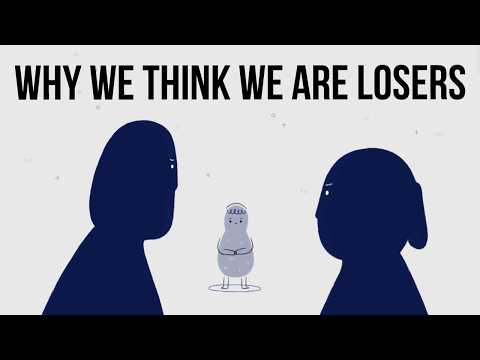
Minjane posted on 2024/05/31Ever feel like a total loser, even when you're doing great? This video dives into why that inner critic pops up, exploring its childhood roots and how to fight back with self-compassion and cognitive reframing. You'll pick up some advanced vocabulary while learning practical ways to silence that negative self-talk!
Learn this video on the APP!
The VoiceTube App has more in-depth practice for videos!