
association
US /əˌsoʊʃi'eɪʃn/
UK /əˌsəʊʃɪ'eɪʃn/
- Noun
- Organization of people with the same interest
B1TOEICMorecause
US /kɔz/
UK /kɔ:z/
- Noun
- Belief, goal or organization that people support
- Reason for
- Transitive Verb
- To make something happen; create effect or result
A2Morechallenge
US /ˈtʃæləndʒ/
UK /'tʃælɪndʒ/
- Noun (Countable/Uncountable)
- An activity you wish to try that may be hard to do
- Act of formally inviting someone to compete
- Transitive Verb
- To formally invite someone to compete at something
- To question the correctness of something
A2Moreclimate
US /ˈklaɪmɪt/
UK /ˈklaɪmət/
- Noun (Countable/Uncountable)
- Typical weather conditions in a particular place
- The general attitudes, feelings, or opinions that people have at a particular time.
A2Morecorrespondent
US /ˌkɔrɪˈspɑndənt, ˌkɑr-/
UK /ˌkɒrəˈspɒndənt/
- Countable Noun
- Journalist, as one reporting from other countries
B1Morecut off
US /kʌt ɔf/
UK /kʌt ɔf/
- Phrasal Verb
- To end a process, e.g. a phone call
- To cut the end of something
- Transitive Verb
- To isolate or prevent access to a place or person.
- To interrupt someone while they are speaking.
A1Moredispatch
US /dɪˈspætʃ/
UK /dɪˈspætʃ/
- Transitive Verb
- To send (people or objects) somewhere
B2TOEICMoredisrupt
US /dɪsˈrʌpt/
UK /dɪsˈrʌpt/
- Transitive Verb
- To cause a disturbance in an activity in progress
B2TOEICMoreelectricity
US /ɪlɛkˈtrɪsɪti,ˌilɛk-/
UK /ɪˌlekˈtrɪsəti/
- Uncountable Noun
- Energy generated positive and negative charges
- The study or science of electric charges and currents.
A2Moreevacuate
US /ɪˈvækjuˌet/
UK /ɪ'vækjʊeɪt/
- Transitive Verb
- To move people from dangerous to a safe places
B2Moreevacuation
US /ɪˌvækjuˈeʃən/
UK /ɪˌvækjʊ'eɪʃn/
- Noun (Countable/Uncountable)
- Sending to a safer place because of danger
- The process of removing people from a dangerous place.
B2Moreexpand
US /ɪkˈspænd/
UK /ɪk'spænd/
- Verb (Transitive/Intransitive)
- To make something larger in size, number, amount
A2TOEICMoreflood
US /flʌd/
UK /flʌd/
- Verb (Transitive/Intransitive)
- To quickly appear unexpectedly and in volume
- (Of liquid) to fill or cover something completely
- Noun (Countable/Uncountable)
- A quick unexpectedly volume of something
- Large number of people or things arriving at once
B1Moreflow
US /flo/
UK /fləʊ/
- Intransitive Verb
- To move steadily and easily in a certain direction
- Uncountable Noun
- Amount of something that moves through an area
A2Morefor now
US /fɔr naʊ/
UK /fɔ: nau/
- Phrase
- Temporarily; for the present time.
- In the short term; for the immediate future.
A1Moreforecast
US /ˈfɔ:rkæst/
UK /ˈfɔ:kɑ:st/
- Noun (Countable/Uncountable)
- Prediction of some future thing, e.g. the weather
- A prediction or estimate of future events, especially weather.
- Verb (Transitive/Intransitive)
- To predict some future thing, e.g. the weather
- Alternative past tense and past participle of 'forecast'.
B1TOEICMoregoing on
US /ˈɡoɪŋ ɑn/
UK /ˈgəʊɪŋ ɔn/
- Phrasal Verb
- To continue doing something
- To happen (usually negative)
A1Moregrim
US /ɡrɪm/
UK /ɡrɪm/
- Adjective
- Being very serious or determined
- Causing someone to worry or feel sad or hopeless
B1Morehail
US /hel/
UK /heɪl/
- Transitive Verb
- To speak of something with admiration/excitement
- To call out to (taxi) to get it to pick you up
- Intransitive Verb
- To fly, fall together through the air
- Used to say that hail is falling
B2Morein fact
US /ɪn fækt/
UK /in fækt/
- Adverb
- Used to emphasize the truth of a statement, especially one that contrasts with or contradicts something else.
- Used to introduce a more detailed or surprising piece of information.
- Phrase
- Used to emphasize the truth of a statement, especially one that is surprising or contrary to what might be expected.
C1Morein some places
US
UK
- Phrase
- In certain locations or areas, but not all.
A1Moremajor
US /ˈmedʒɚ/
UK /'meɪdʒə(r)/
- Countable Noun
- High-ranking officer in the army
- Main subject you study at university
- Adjective
- Main league; esp. referring to American baseball
- Important, serious, or large in scope, size
A2TOEICMoremassive
US /ˈmæsɪv/
UK /ˈmæsɪv/
- Adjective
- Very big; large; too big
- Large or imposing in scale or scope.
B1Moremention
US /ˈmɛnʃən/
UK /'menʃn/
- Transitive Verb
- To refer to or talk or write about something
- Uncountable Noun
- Act of referring to or talking about something
- A formal acknowledgement of something
A2TOEICMoremonitor
US /ˈmɑ:nɪtə(r)/
UK /ˈmɒnɪtə(r)/
- Transitive Verb
- To observe and keep a record of something
- To observe and check the progress or quality of (something) over a period of time; keep under systematic review.
- Noun
- A senior student at school
- Electronic screen on which you can see images
A2TOEICMoreof course
US /ʌv kɔː(r)s/
UK /ɔv kɔː(r)s/
- Adverb
- Sure ; Certainly
- Phrase
- For sure; certainly
A2Moreon the ground
US
UK
- Phrase
- Located on the surface of the earth.
- Present and available in a particular place, especially to deal with a situation.
overnight
US /ˈovɚˌnaɪt/
UK /ˌəʊvə'naɪt/
- Adverb
- (Becoming famous, etc.) in a short amount of time
- For or during the night
- Adjective
- Lasting or taking place during the night
- Delivered or intended to be delivered on the next day
B1Moreprogress
US /ˈprɑɡˌrɛs, -rəs, ˈproˌɡrɛs/
UK /'prəʊɡres/
- Verb (Transitive/Intransitive)
- To move forward or toward a place or goal
- To make progress; develop or improve.
- Uncountable Noun
- Act of moving forward
- The process of improving or developing something over a period of time.
A2TOEICMoreprone
US /proʊn/
UK /prəʊn/
- Adjective
- Lying flat with your head facing the ground
- Likely to have, do or be (usually something bad)
B2TOEICMorerelate
US /rɪˈlet/
UK /rɪ'leɪt/
- Transitive Verb
- To demonstrate a logical relationship between
- To understand or sympathize with, e.g. a problem
A2TOEICMoreremain
US /rɪˈmen/
UK /rɪˈmeɪn/
- Intransitive Verb
- To be left behind; to continue to exist
- To stay in a place when other people have gone
A2TOEICMorerescue
US /ˈrɛskju/
UK /'reskju:/
- Transitive Verb
- To save someone who is in danger or in trouble
- To provide financial assistance to save a company or economy from collapse.
- Noun (Countable/Uncountable)
- Act of saving someone in danger or in trouble
- An act of saving someone or something from a dangerous or difficult situation.
A2TOEICMoresolve
US /sɑ:lv/
UK /sɒlv/
- Transitive Verb
- To figure out a way to handle a difficult problem
A2TOEICMoreswollen
US /ˈswolən/
UK /ˈswəʊlən/
- Verb (Transitive/Intransitive)
- To increase in size or number larger than normal
- To become larger than normal, often due to injury
- Adjective
- Increased in size due to injury
B1Morethreaten
US /ˈθrɛtn/
UK /ˈθretn/
- Transitive Verb
- To cause something potential harm, or put at risk
- To say you may harm or hurt someone
A2Moretornado
US /tɔrˈnedo/
UK /tɔ:'neɪdəʊ/
- Noun
- Violent storm with strong winds
B2Moreturn to
US /tɚn tu/
UK /tə:n tu:/
- Phrasal Verb
- To go to someone for help, advice, or information.
- To start doing or using something, often something bad or undesirable.
A1Moreunfold
US /ʌnˈfold/
UK /ʌn'fəʊld/
- Verb (Transitive/Intransitive)
- (Of a situation) to be told or revealed
- To open something that was folded
- Intransitive Verb
- To happen, be told or be revealed
B1Moreused to
US /juzd tu/
UK /ˈju:st tə/
- Adjective
- Did regularly before, but don't do now
- Auxiliary Verb
- Have done before, but do not do now
A1More
Vocabulary
- for now: Temporarily; for the present time.
- of course: Sure ; Certainly
- turn to: To go to someone for help, advice, or information.
- in some places: In certain locations or areas, but not all.
- on the ground: Located on the surface of the earth.
- cut off: To end a process, e.g. a phone call
- going on: To continue doing something
- in fact: Used to emphasize the truth of a statement, especially one that contrasts with or contradicts something else.
- used to: Did regularly before, but don't do now
- massive: Very big; large; too big
- situation: Place, position or area that something is in
- progress: To move forward or toward a place or goal
- prone: Lying flat with your head facing the ground
- force: Group of persons trained for military action; army
- common: Area in a city or town that is open to everyone
- fear: Unpleasant feeling caused by being aware of danger
- climate: Typical weather conditions in a particular place
- disrupt: To cause a disturbance in an activity in progress
- mention: To refer to or talk or write about something
- deal: To cope with something - usually troubles
- state: Region within a country, with its own government
- remain: To be left behind; to continue to exist
- association: Organization of people with the same interest
- cause: Belief, goal or organization that people support
- challenge: An activity you wish to try that may be hard to do
- expand: To make something larger in size, number, amount
- ground: To break (coffee, etc.) into tiny bits with machine
- relate: To demonstrate a logical relationship between
- major: High-ranking officer in the army
- fall: Season after summer and before winter; Autumn
- correspondent: Journalist, as one reporting from other countries
- social: Involving activity with people, e.g. in free time
- rescue: To save someone who is in danger or in trouble
- grim: Being very serious or determined
- stage: To organize an event to gain public interest
- lot: What happens to a person in life from chance; fate
- swollen: To increase in size or number larger than normal
- century: Period of 100 years
- evacuation: Sending to a safer place because of danger
- flow: To move steadily and easily in a certain direction
- solve: To figure out a way to handle a difficult problem
- kind: In a caring and helpful manner
- evacuate: To move people from dangerous to a safe places
- fact: Something that is known or proved to be true
- continue: To do something without stopping, or after pausing
- threaten: To cause something potential harm, or put at risk
- hail: To speak of something with admiration/excitement
- unfold: (Of a situation) to be told or revealed
- monitor: To observe and keep a record of something
- flood: To quickly appear unexpectedly and in volume
- electricity: Energy generated positive and negative charges
- forecast: Prediction of some future thing, e.g. the weather
- dispatch: To send (people or objects) somewhere
- overnight: (Becoming famous, etc.) in a short amount of time
- tornado: Violent storm with strong winds
Get the full experience in the app
Learn anywhere with detailed sentence and usage analysis
01:03
She took a brave step forward, leaving behind her comfort zone to chase her dreams.
Vocabulary
- brave
adj. Having courage
- comfort zone
phr. A familiar situation where one feels safe
Explanation
a brave step is a noun phrase, where brave is an adjective modifying the noun step, meaning "a courageous step".
forward is an adverb modifying step, meaning "ahead".
The whole phrase serves as the object, answering the "what" of took (verb) — she took a brave step forward.
Get the full experience in the app
Look up words anytime with pronunciation, part of speech, and usage
brave
US/brev/
UK/breɪv/
adj.Brave
v.t.To bravely face
A2 Elementary
Get the full experience in the app
Practice speaking anytime and get instant pronunciation feedback
Try this speaking exercise.
Try practicing with this sentence.
80
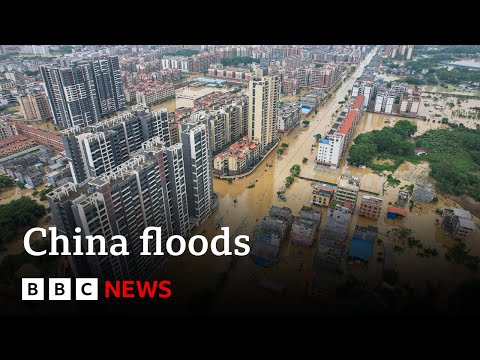
China floods: Tens of thousands of people evacuated from Guangdong after heavy rain | BBC News
0
林宜悉 posted on 2024/04/26Wow, get ready to dive into a real-world situation with this BBC News report about massive evacuations in China due to extreme rainfall! You'll pick up practical vocabulary related to natural disasters and rescue operations, all while learning about current events and the impacts of climate change.
Learn this video on the APP!
The VoiceTube App has more in-depth practice for videos!