
a bit much
US /ə bɪt mʌtʃ/
UK /ə bit mʌtʃ/
- other
- Slightly too extreme or unreasonable.
B2Moreadvice
US /əd'vaɪs/
UK /ədˈvaɪs/
- Uncountable Noun
- Suggestion about what would help someone
- Professional guidance from a lawyer or legal expert.
A2TOEICMoreaffection
US /əˈfɛkʃən/
UK /əˈfekʃn/
- Noun (Countable/Uncountable)
- Feeling of liking someone or something
- A gentle feeling of fondness or liking.
B1Moreamateur
US /ˈæməˌtɚ/
UK /'æmətə(r)/
- Noun
- Someone doing an activity for pleasure, not a job
- Adjective
- Unskilled in an activity; not professional
B1Moreancient
US /ˈenʃənt/
UK /'eɪnʃənt/
- Adjective
- Very old; having lived a very long time ago
- Relating to a period in history, especially in the distant past.
- Noun
- A person who lived in ancient times.
A2Morebased on
US
UK
- Phrasal Verb
- To use something as the foundation or starting point for something else.
- Preposition
- Using something as the main idea or foundation.
- Relying on something as evidence or justification.
A1Morebeing with
US
UK
- Phrasal Verb
- Accompanying someone; being in someone's presence.
- Supporting someone's opinion or cause.
- Verb (Transitive/Intransitive)
- Accompanying someone; spending time with someone.
- Supporting someone; agreeing with someone.
A1Morebond
US /bɑnd/
UK /bɒnd/
- Noun (Countable/Uncountable)
- Rope, chain or other thing used to tie someone up
- Closeness that is shared between people or groups
- Verb (Transitive/Intransitive)
- To develop a close relationship with
- To become joined or connected, e.g. using glue
A2TOEICMoreclassic line
US
UK
- Noun
- A memorable or iconic quote from a film, book, or other work of art.
- A design or style that is timeless and elegant.
clone
US /kloʊn/
UK /kləʊn/
- Transitive Verb
- To make an exact copy of a living thing
B2Morecommitment
US /kəˈmɪtmənt/
UK /kə'mɪtmənt/
- Noun
- Permanent love or concern for person, thing
- Promise or decision to do something for a purpose
A2Moreconstant
US /ˈkɑnstənt/
UK /'kɒnstənt/
- Adjective
- Happening frequently or without pause
- Remaining the same over time or not changing.
- Noun
- Thing that happens always or at a regular rate
- A physical quantity that is believed to have a fixed value and is used in calculations.
A2TOEICMoreconversation
US /ˌkɑnvɚˈseʃən/
UK /ˌkɒnvəˈseɪʃn/
- Uncountable Noun
- Talking with other people; discussion or chat
- General communication or interaction.
A2Morecopycat
US /'kɑ:pɪkæt/
UK /'kɒpɪkæt/
- Noun (Countable/Uncountable)
- Someone who copies the words/behavior of another
- A crime that is committed in imitation of another, more publicized crime.
- Adjective
- Imitative; characterized by copying.
- Imitating or copying someone else's behavior or actions.
C2Morecrucial
US /ˈkruʃəl/
UK /'kru:ʃl/
- Adjective
- Extremely important or necessary
- Of great importance to the success of something.
B1Moredeal with
US /dil wɪð/
UK /di:l wið/
- Verb (Transitive/Intransitive)
- To buy or sell goods or services.
- Phrasal Verb
- To take action to solve a problem or manage a situation.
- To be about; concern.
A1Moredependency
US /dɪˈpendənsi/
UK /dɪˈpendənsi/
- Uncountable Noun
- Relying on person/thing financially or emotionally
B1Moredeserve
US /dɪˈzɚv/
UK /dɪ'zɜ:v/
- Transitive Verb
- To be worthy of, e.g. getting praise or attention
A2TOEICMoredesperate
US /ˈdɛspərɪt/
UK /ˈdespərət/
- Adjective
- Being beyond hope; prepared to do anything
- State of urgently wanting to go to the toilet
A2Moredisguise
US /dɪsˈɡaɪz/
UK /dɪs'ɡaɪz/
- Noun (Countable/Uncountable)
- Change in appearance so you will not be noticed
- The act of concealing the identity or true nature of something.
- Transitive Verb
- To change your appearance to not be noticed
- To hide something so it will not be noticed
B1Moreelusive
US /ɪˈlusɪv/
UK /iˈlu:sɪv/
- Adjective
- Difficult to find or catch
- Difficult to understand or define
B2Moreempower
US /ɛmˈpaʊɚ/
UK /ɪm'paʊə(r)/
- Transitive Verb
- To give someone a power or ability
B2Moreencourage
US /ɛnˈkɚrɪdʒ, -ˈkʌr-/
UK /ɪn'kʌrɪdʒ/
- Transitive Verb
- To increase the chance of something happening
- To make someone more determined or confident
A2TOEICMoreendurance
US /ɛnˈdʊrəns, -ˈdjʊr-/
UK /ɪn'djʊərəns/
- Uncountable Noun
- Quality of lasting or of being permanent
- Ability to continue through difficulty
B2Moreestablish
US /ɪˈstæblɪʃ/
UK /ɪˈstæblɪʃ/
- Transitive Verb
- To set or create something to last for a long time
- To use facts, evidence to show truth or clarity
A2TOEICMoreexcessive
US /ɪkˈsɛsɪv/
UK /ɪkˈsesɪv/
- Adjective
- Beyond what is usual or proper
B2Morefeel like
US
UK
- Intransitive Verb
- To have a desire or inclination for something.
- To have a particular quality or sensation; resemble.
A1Moreflatter
US /ˈflætɚ/
UK /'flætə(r)/
- Transitive Verb
- To praise in a rather false way, to get something
B2Morefoster
US /'fɔ:stər/
UK /'fɒstə(r)/
- Transitive Verb
- To raise a child who is not yours, for payment
- To raise a child who is not yours, for payment
B1TOEICMoregenuine
US /ˈdʒɛnjuɪn/
UK /ˈdʒenjuɪn/
- Adjective
- Being real, actual, and not false or artificial
- Being sincere in your actions or character
A2TOEICMoreghost
US /goʊst/
UK /gəʊst/
- Transitive Verb
- To write a book on behalf of another person
- Noun (Countable/Uncountable)
- Bad effects, memories, and feelings from the past
- Spirit of a dead person, appearing to the living
B1Morego on
US /ɡo ɑn/
UK /ɡəu ɔn/
- Phrasal Verb
- To continue doing something
- To happen (usually negative)
- Interjection
- Used to encourage someone
A1Moregrab
US /ɡræb/
UK /ɡræb/
- Transitive Verb
- To take and hold something quickly
A2Morein disguise
US /ɪn dɪsˈɡaɪz/
UK /in disˈɡaiz/
- Phrase
- Having altered one's appearance to conceal one's identity.
- Seeming different from what it really is; concealing the true nature.
B2Morein the past
US
UK
- Phrase
- During a former period of time; previously.
A1Moreinto thin air
US /ˈɪntu θɪn er/
UK /ˈɪntuː θin eə(r)/
- Phrase
- To vanish completely and mysteriously.
A2Morejustify
US /ˈdʒʌstəˌfaɪ/
UK /ˈdʒʌstɪfaɪ/
- Transitive Verb
- To give good reasons for something
B1TOEICMorelike a dream
US /laɪk ə ˈdrim/
UK /laɪk ə ˈdri:m/
- other
- Working or performing extremely well or smoothly.
B1Morelonely
US /ˈloʊnli/
UK /ˈləʊnli/
- Adjective
- Sad because apart from other people
- Being far away and rarely visited by people
B2Morelook at
US /lʊk æt/
UK /luk æt/
- Phrasal Verb
- To use your eyes to focus on something
- To focus your eyes on something carefully
A1Moremethod
US /ˈmɛθəd/
UK /'meθəd/
- Noun (Countable/Uncountable)
- (Organized and planned) way of doing something
- Orderliness of thought, arrangement, or behavior.
A2TOEICMoremimic
US /ˈmɪmɪk/
UK /'mɪmɪk/
- Countable Noun
- Someone who tries to act like another person
- Transitive Verb
- To copy a person's words/actions to amuse people
B2Moremonologue
US /ˈmɑnəˌlɔɡ, -ˌlɑɡ/
UK /'mɒnəlɒɡ/
- Noun (Countable/Uncountable)
- Long speech given by one person, often in a play
- A long, uninterrupted speech by one person, often dominating a conversation.
C1Moremutual
US /ˈmjutʃuəl/
UK /'mju:tʃʊəl/
- Adjective
- Shared between two or more people
- Possessed or held in common.
- Noun
B1Moreobsession
US /əbˈsɛʃən, ɑb-/
UK /əb'seʃn/
- Uncountable Noun
- Irrational motive for performing certain actions
- An idea or thought that continually preoccupies or intrudes on a person's mind
B2Moreout there
US /aʊt ðɛr/
UK /aut ðɛə/
- Adverb
- In or to a place that is far away
- Existing in the universe
- Adjective
- Unconventional; strange; avant-garde
- Existing or available.
A1Moreover the top
US /ˈovɚ ði tɑp/
UK /ˈəuvə ðə tɔp/
- Adjective
- More than what is considered normal or suitable; exaggerated.
- So extreme that it is offensive.
- Adverb
- To an excessive degree; excessively.
A1Moreoverwhelming
US /ˌovɚˈhwɛlmɪŋ, -ˈwɛl-/
UK /ˌəʊvəˈwelmɪŋ/
- Transitive Verb
- To defeat something or someone completely
- To affect someone emotionally in a strong way
- Adjective
- Having too much to handle (e.g. work)
- Very great or very strong; so powerful that you cannot resist or decide how to react
B2Morepoof
US
UK
- Noun
- A footstool to rest your feet on
C2Morerecite
US /rɪˈsaɪt/
UK /rɪˈsaɪt/
- Verb (Transitive/Intransitive)
- To speak aloud a passage from memory
- To relate facts or information from memory
B2Morered flag
US /rɛd flæɡ/
UK /red flæɡ/
- Noun
- A warning sign or signal of danger or a problem.
- A symbol of socialism or communism.
B1Morerelationship
US /rɪˈleʃənˌʃɪp/
UK /rɪˈleɪʃnʃɪp/
- Noun (Countable/Uncountable)
- Connection between two or more people or things
- Way people interact or live with each other
A2TOEICMoreserial
US /ˈsɪriəl/
UK /ˈsɪəriəl/
- Noun
- Story that is told is several parts on TV or radio
- Adjective
- Arranged according to a particular system or order
- Repeating the same actions in the same way
B2Morespout
US /spaʊt/
UK /spaʊt/
- Intransitive Verb
- To speak too quickly without thinking first
- Noun
- Groove that sticks out at top of jug for pouring
B2Morestalker
US /'stɔ:kər/
UK /'stɔ:kə(r)/
- Countable Noun
- Someone obsessively following/watching a person
B1Morestick
US /stɪk/
UK /stɪk/
- Verb (Transitive/Intransitive)
- To push a sharp or pointed object into something
- To join together using glue or paste
- Countable Noun
- Long thin piece of wood from a tree
A2Morestir
US /stɚ/
UK /stɜ:(r)/
- Transitive Verb
- To arouse (attention or interest)
- To mix e.g. food by making circular movements
- Uncountable Noun
- Attention or interest aroused by an event
B1Morestir up
US /stɚ ʌp/
UK /stə: ʌp/
- Phrasal Verb
- To cause trouble; incite unrest.
- To evoke or awaken (emotions, memories).
A1Morestumble
US /ˈstʌmbəl/
UK /'stʌmbl/
- Noun
- Failing to do something well, e.g. giving a speech
- Act of tripping and almost falling
- Intransitive Verb
- To fail to perform, e.g. when giving a speech
- To trip and almost fall
B1Morestunt
US /stʌnt/
UK /stʌnt/
- Countable Noun
- Dangerous and daring trick, as in an action film
- Transitive Verb
- To prevent from growing bigger or as big as normal
B2Moreswipe
US /swaɪp/
UK /swaɪp/
- Transitive Verb
- To pass a magnetic card through a digital reader
- To hit someone with a big wild swing
C1Moresyndrome
US /ˈsɪnˌdrom/
UK /'sɪndrəʊm/
- Noun
- A group of signs and symptoms of a disease
B1Moretalent
US /ˈtælənt/
UK /'tælənt/
- Noun (Countable/Uncountable)
- Natural ability of a person to do something well
- Person with a strong natural ability in something
B1Moretwo-way street
US
UK
- Noun
- A situation or relationship involving reciprocal action or obligation.
- A street on which traffic can travel in both directions.
validation
US /ˌvælɪ'deɪʃn/
UK /ˌvælɪ'deɪʃn/
- Uncountable Noun
- Act of finding or testing the truth of something
- In computer science, the process of ensuring that data meets certain criteria before it is processed.
B2Morevanish
US /ˈvænɪʃ/
UK /'vænɪʃ/
- Intransitive Verb
- To disappear in a sudden and mysterious way
B1Morewatch out
US /wɑtʃ aʊt/
UK /wɔtʃ aut/
- Phrasal Verb
- To be careful; to be alert to danger
A1Morewhirlwind
US /ˈhwə:lˌwɪnd, ˈwə:l-/
UK /ˈwɜ:lwɪnd/
- Countable Noun
- Very powerful dangerous spinning wind
C2Morewithout a trace
US
UK
- Phrase
- Leaving no sign or evidence of having been present.
- Completely; leaving nothing behind.
B2More
Vocabulary
- feel like: To have a desire or inclination for something.
- out there: In or to a place that is far away
- over the top: More than what is considered normal or suitable; exaggerated.
- look at: To use your eyes to focus on something
- classic line: A memorable or iconic quote from a film, book, or other work of art.
- without a trace: Leaving no sign or evidence of having been present.
- into thin air: To vanish completely and mysteriously.
- being with: Accompanying someone; being in someone's presence.
- deal with
- red flag: A warning sign or signal of danger or a problem.
- like a dream: Working or performing extremely well or smoothly.
- watch out: To be careful; to be alert to danger
- in disguise: Having altered one's appearance to conceal one's identity.
- based on: To use something as the foundation or starting point for something else.
- in the past: During a former period of time; previously.
- two-way street: A situation or relationship involving reciprocal action or obligation.
- a bit much: Slightly too extreme or unreasonable.
- stir up: To cause trouble; incite unrest.
- go on: To continue doing something
- crucial: Extremely important or necessary
- stick: To push a sharp or pointed object into something
- commitment: Permanent love or concern for person, thing
- overwhelming: To defeat something or someone completely
- obsession: Irrational motive for performing certain actions
- constant: Happening frequently or without pause
- grab: To take and hold something quickly
- deserve: To be worthy of, e.g. getting praise or attention
- desperate: Being beyond hope; prepared to do anything
- genuine: Being real, actual, and not false or artificial
- ancient: Very old; having lived a very long time ago
- treat: To pay for the food or enjoyment of someone else
- conversation: Talking with other people; discussion or chat
- imagine: To think creatively about; form mental picture of
- excessive: Beyond what is usual or proper
- relationship: Connection between two or more people or things
- method: (Organized and planned) way of doing something
- mimic: Someone who tries to act like another person
- encourage: To increase the chance of something happening
- bond: Rope, chain or other thing used to tie someone up
- elusive: Difficult to find or catch
- establish: To set or create something to last for a long time
- advice: Suggestion about what would help someone
- mutual: Shared between two or more people
- disguise: Change in appearance so you will not be noticed
- syndrome: A group of signs and symptoms of a disease
- affection: Feeling of liking someone or something
- validation: Act of finding or testing the truth of something
- stumble: Failing to do something well, e.g. giving a speech
- stir: To arouse (attention or interest)
- foster: To raise a child who is not yours, for payment
- endurance: Quality of lasting or of being permanent
- talent: Natural ability of a person to do something well
- stunt: Dangerous and daring trick, as in an action film
- monologue: Long speech given by one person, often in a play
- recite: To speak aloud a passage from memory
- social: Involving activity with people, e.g. in free time
- receive: To get something someone has given or sent to you
- empower: To give someone a power or ability
- sign: Indication that something exists or will happen
- amateur: Someone doing an activity for pleasure, not a job
- justify: To give good reasons for something
- act: To behave in a certain way
- support: To give assistance or advice to someone
- flatter: To praise in a rather false way, to get something
- swipe: To pass a magnetic card through a digital reader
- pick: Sharp tool used for breaking the ground
- remember: To give someone a gift, e.g. birthday, wedding
- find: To become aware of something that is happening
- person: Man, woman or child
- future: Time that is to come after the present
- fast: In a way that is difficult to move or change
- understand: To know the meaning of language, what someone says
- healthy: In good condition physically, or financially; well
- vanish: To disappear in a sudden and mysterious way
- serial: Story that is told is several parts on TV or radio
- stalker: Someone obsessively following/watching a person
- lonely: Sad because apart from other people
- dependency: Relying on person/thing financially or emotionally
- ghost: To write a book on behalf of another person
- clone: To make an exact copy of a living thing
- spout: To speak too quickly without thinking first
- whirlwind: Very powerful dangerous spinning wind
- copycat: Someone who copies the words/behavior of another
- poof: A footstool to rest your feet on
Get the full experience in the app
Learn anywhere with detailed sentence and usage analysis
01:03
She took a brave step forward, leaving behind her comfort zone to chase her dreams.
Vocabulary
- brave
adj. Having courage
- comfort zone
phr. A familiar situation where one feels safe
Explanation
a brave step is a noun phrase, where brave is an adjective modifying the noun step, meaning "a courageous step".
forward is an adverb modifying step, meaning "ahead".
The whole phrase serves as the object, answering the "what" of took (verb) — she took a brave step forward.
Get the full experience in the app
Look up words anytime with pronunciation, part of speech, and usage
brave
US/brev/
UK/breɪv/
adj.Brave
v.t.To bravely face
A2 Elementary
Get the full experience in the app
Practice speaking anytime and get instant pronunciation feedback
Try this speaking exercise.
Try practicing with this sentence.
80
7 Types Of People You Should NEVER Date
0
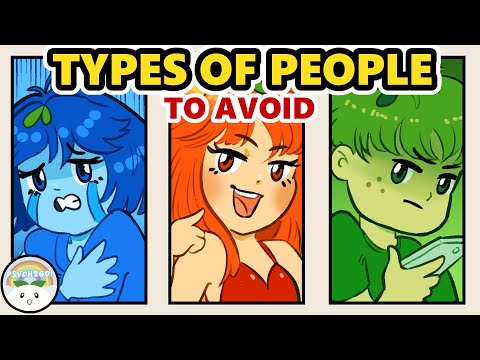
林宜悉 posted on 2024/03/26Ever wondered if you're dating the right person? This video dives into 7 types of people you should definitely swipe left on, from 'Love Bombers' to 'Pick Mes'! You'll pick up essential dating red flag vocabulary and learn how to navigate tricky social media stalking situations in real life.
Learn this video on the APP!
The VoiceTube App has more in-depth practice for videos!