Vocabulary
- look at: To use your eyes to focus on something
- be with: To accompany someone; to be in someone's presence.
- for sure: Definitely; certainly; without a doubt.
- talking about: To discuss a particular topic.
- come back: To reply to someone, often forcefully
- in the future: At a later time; in times to come.
- used to: Did regularly before, but don't do now
- little man: A man of short stature.
- shut up: To close something, e.g. a shop
- on earth: Used to emphasize a question expressing surprise or anger.
- for instance: As an example.
- native: Someone from or born in a specific country
- board: Surface for posting or showing information
- accurate: With no mistake or error; Correct
- advice: Suggestion about what would help someone
- remember: To give someone a gift, e.g. birthday, wedding
- obligation: Duty to be done because of a law, rule or promise
- future: Time that is to come after the present
- study: To focus on learning something usually at school
- verb: Word that expresses an action or state
- happen: To take place or occur
- lesson: Something done to learn or teach something; class
- truth: Real facts about something
- relative: Measured or considered in comparison to another
- big: Popular
- hour: 60 minutes
Get the full experience in the app
Learn anywhere with detailed sentence and usage analysis
01:03
She took a brave step forward, leaving behind her comfort zone to chase her dreams.
Vocabulary
- brave
adj. Having courage
- comfort zone
phr. A familiar situation where one feels safe
Explanation
a brave step is a noun phrase, where brave is an adjective modifying the noun step, meaning "a courageous step".
forward is an adverb modifying step, meaning "ahead".
The whole phrase serves as the object, answering the "what" of took (verb) — she took a brave step forward.
Get the full experience in the app
Look up words anytime with pronunciation, part of speech, and usage
brave
US/brev/
UK/breɪv/
adj.Brave
v.t.To bravely face
A2 Elementary
Get the full experience in the app
Practice speaking anytime and get instant pronunciation feedback
Try this speaking exercise.
Try practicing with this sentence.
80
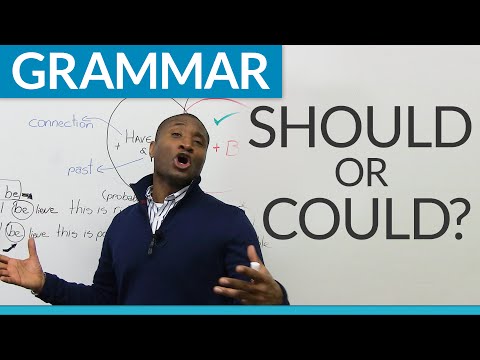
Learn English Grammar: Modals - "could" or "should"?
0
Entin Shen posted on 2014/10/08Ever get confused between "could" and "should"? This video breaks down exactly how native speakers use these tricky modal verbs in everyday situations, from making suggestions to talking about expectations. You'll pick up practical grammar tips that you can use right away!
Learn this video on the APP!
The VoiceTube App has more in-depth practice for videos!