
all at once
US
UK
- Adverb
- Suddenly; at the same time
- At the same time; simultaneously
- Phrase
- Suddenly; at the same time
A1Morealter
US /ˈɔltɚ/
UK /ˈɔ:ltə(r)/
- Transitive Verb
- To change so (clothing) fits better
- Verb (Transitive/Intransitive)
- To change or modify something.
- To become different; to change.
A2TOEICMorearound the world
US /əˈraʊnd ði wɜrld/
UK /əˈraund ðə wɜː(r)ld/
- Phrase
- In or to many countries.
- In various places throughout the world.
A2Moreat full tilt
US /ˌæt fʊl tɪlt/
UK /ˌæt fʊl tɪlt/
- other
- Doing something with full speed or energetic effort.
B2Moreat once
US /æt wʌns/
UK /æt wʌns/
- Adverb
- Immediately; without delay
- At the same time; simultaneously
A2Moreby the moment
US /baɪ ðə ˈmoʊmənt/
UK /baɪ ðə ˈməumənt/
- other
- Measured or observed at every passing moment.
B2Morecause
US /kɔz/
UK /kɔ:z/
- Noun
- Belief, goal or organization that people support
- Reason for
- Transitive Verb
- To make something happen; create effect or result
A2Morecement
US /sɪˈmɛnt/
UK /sɪ'ment/
- Uncountable Noun
- Building material made from gray powder, water
- Transitive Verb
- To bind or hold together strongly
- To make something more stable or stronger
B1Moredebris
US /dəˈbri, de-, ˈdeˌbri/
UK /dəˈbri:, deɪ-, ˈdeɪˌbri:/
- Uncountable Noun
- Remains of something broken or destroyed
- Accumulated fragments of rock.
B2TOEICMoredescription
US /dɪˈskrɪpʃən/
UK /dɪˈskrɪpʃn/
- Noun
- Explanation of what something is like, looks like
- The type or nature of someone or something.
A2TOEICMoredetonate
US /ˈdɛtn:ˌet/
UK /'detəneɪt/
- Verb (Transitive/Intransitive)
- To trigger or start an explosion
C1Moredresser
US /ˈdrɛsɚ/
UK /'dresə(r)/
- Noun
- Piece of furniture with drawers and shelves
B2Moredrift
US /drɪft/
UK /drɪft/
- Intransitive Verb
- (Of sand, etc.) to be blown into heaps by the wind
- (Of boats) to move without purpose on water
B1Moreearthquake
US /ˈɜ:rθkweɪk/
UK /ˈɜ:θkweɪk/
- Noun (Countable/Uncountable)
- Heavy shaking of the ground due to natural forces
- A series of vibrations in the earth caused by the abrupt movement of rock far below the surface
B1Moreequivalent
US /ɪˈkwɪvələnt/
UK /ɪˈkwɪvələnt/
- Adjective
- Equal to something in value, use or meaning
- Having the same meaning or significance.
- Noun
- Thing like another in quality, quantity or degree
B1TOEICMoreevaporate
US /ɪˈvæpəˌret/
UK /ɪˈvæpəreɪt/
- Intransitive Verb
- To pass off or away; to disappear
- Transitive Verb
- To change from a liquid into a gaseous state
B2Moreexpand
US /ɪkˈspænd/
UK /ɪk'spænd/
- Verb (Transitive/Intransitive)
- To make something larger in size, number, amount
A2TOEICMoreexplode
US /ɪkˈsplod/
UK /ɪk'spləʊd/
- Verb (Transitive/Intransitive)
- To express an emotion in a sudden and loud way
- To increase in number or amount very quickly
B1Morefeather
US /ˈfɛðɚ/
UK /ˈfeðə(r)/
- Noun (Countable/Uncountable)
- One of the many light soft things on a bird's body
- Intransitive Verb
- To grow feathers
B1Morefew steps
US
UK
- Phrase
- A small number of steps; a short distance.
B1Morefor a change
US /fɔr e tʃendʒ/
UK /fɔ: ə tʃeindʒ/
- Phrase
- As something different from what is usual or normal.
A1Morefraction
US /ˈfrækʃən/
UK /ˈfrækʃn/
- Noun (Countable/Uncountable)
- Small part of something
- A numerical quantity that is not a whole number (e.g., 1/2, 0.5).
B1TOEICMorefull tilt
US /fʊl tɪlt/
UK /fʊl tɪlt/
- other
- At full speed or with maximum effort.
B2Moregrain
US /ɡren/
UK /greɪn/
- Noun (Countable/Uncountable)
- Seeds of plants used for food
- Natural pattern in something, e.g. wood
B1TOEICMoregravitational
US /ˌɡrævɪˈteɪʃənl/
UK /ˌgrævɪˈteɪʃənl/
- Adjective
- Concerning the force of gravity
C1Morehold on
US /hold ɑn/
UK /həuld ɔn/
- Phrasal Verb
- To wait for someone (e.g. on a phone call)
- To wait for a short time.
A1Morehydrogen
US /ˈhaɪdrədʒən/
UK /ˈhaɪdrədʒən/
- Uncountable Noun
- Lightest of all chemical elements
B1Morein fact
US /ɪn fækt/
UK /in fækt/
- Adverb
- Used to emphasize the truth of a statement, especially one that contrasts with or contradicts something else.
- Used to introduce a more detailed or surprising piece of information.
- Phrase
- Used to emphasize the truth of a statement, especially one that is surprising or contrary to what might be expected.
C1Morein order to
US /ɪn ˈɔrdɚ tu/
UK /in ˈɔ:də tu:/
- Preposition
- For the purpose of; with the aim of.
- Phrase
- In a specific sequence or arrangement.
- With the aim of; for the purpose of.
C1Morein practice
US /ɪn ˈpræktɪs/
UK /in ˈpræktis/
- Phrase
- In reality or actual use; as opposed to in theory.
A1Morein theory
US /ɪn ˈθiəri/
UK /in ˈθiəri/
- Adverb
- According to the stated ideas or principles
- Phrase
- According to the theoretical possibilities rather than actual practice.
B2Moreinvolve
US /ɪnˈvɑlv/
UK /ɪn'vɒlv/
- Transitive Verb
- To have or be included as a part of something
- To cause (a person or group) to take part in an event or activity.
A2TOEICMorelook at
US /lʊk æt/
UK /luk æt/
- Phrasal Verb
- To use your eyes to focus on something
- To focus your eyes on something carefully
A1Moremagnitude
US /ˈmæɡnɪˌtud, -ˌtjud/
UK /ˈmægnɪtju:d/
- Noun
- Number representing force of an earthquake
- Size or importance
B2Moremechanical
US /mɪˈkænɪkəl/
UK /məˈkænɪkl/
- Adjective
- Done without thought or feeling; automatic
- Using or concerning machines
B1Morenegative
US /ˈnɛɡətɪv/
UK /'neɡətɪv/
- Noun
- The opposite to a positive electrical charge
- In grammar, containing words such as 'no' or 'not'
- Adjective
- Being harmful, unwanted or unhelpful
- In mathematics, being less than zero
A2Moreneighbor
US /ˈnebɚ/
UK /'neɪbə/
- Noun (Countable/Uncountable)
- Person who lives, or is near, you
- A country or area next to another.
- Adjective
- Situated near or next to something.
B1Moreoccur
US /əˈkɚ/
UK /əˈkɜ:(r)/
- Intransitive Verb
- To come to pass or to happen
- To be found to exist; to be present.
A2TOEICMoreoff of
US /ɔf ʌv/
UK /ɔf ɔv/
- Preposition
- From a position on something; down from.
A1Moreon earth
US /ɑn ɚθ/
UK /ɔn ə:θ/
- Phrase
- Used to emphasize a question expressing surprise or anger.
- Used to emphasize that something is not possible or will not happen.
A1Morepartially
US /ˈpɑ:rʃəli/
UK /ˈpɑ:ʃəli/
- Adverb
- In part; in some degree; not wholly
B1Morepenny
US /ˈpɛni/
UK /ˈpeni/
- Proper Noun
- Person's name
- Countable Noun
- Small coin worth 1/100th of a pound
- A British unit of currency, one-hundredth of a pound.
B1Morepile
US /paɪl/
UK /paɪl/
- Noun (Countable/Uncountable)
- Large amount of something
- Group of things one on top of another
- Verb (Transitive/Intransitive)
- (E.g. of problems) to increase; get more or worse
- To place things on top of each other; to heap up.
B1TOEICMorepractice
US /ˈpræktɪs/
UK /'præktɪs/
- Noun
- The office and place for legal or medical work
- Doing something many times to become better at it
- Verb (Transitive/Intransitive)
- To work as a doctor or lawyer
- To live according to the teachings of a religion
A2TOEICMorepress on
US /prɛs ɑn/
UK /pres ɔn/
- Phrasal Verb
- To continue doing something in a determined way; to persevere.
B1Morequake
US /kwek/
UK /kweɪk/
- Noun
- Short for earthquake
- Intransitive Verb
- To shake physically, due to fear or anxiety
- (Of buildings) to shake forcefully
B2Morerelease
US /rɪ'li:s/
UK /rɪ'li:s/
- Transitive Verb
- To free someone from a responsibility or burden
- To allow a film, music etc. to be sold/distributed
- Noun
- Act of freeing someone from a duty or burden
- Introduction of a new product, film, book, etc.
A2TOEICMorerequire
US /rɪˈkwaɪr/
UK /rɪ'kwaɪə(r)/
- Transitive Verb
- To demand that someone does something
- To need to do something, to make it necessary
A2TOEICMorerotation
US /roʊˈteɪʃn/
UK /rəʊˈteɪʃn/
- Uncountable Noun
- Regular change of the crops grown in a field
- Group who take turns performing a certain task
B2Moreroughly
US /ˈrʌflɪ/
UK /ˈrʌfli/
- Adverb
- Approximately; (of numbers) about; around
- In a manner that is violent or not careful
B1Morerupture
US /ˈrʌptʃɚ/
UK /'rʌptʃə(r)/
- Verb (Transitive/Intransitive)
- To (cause to) burst or break
- Medical to tear or break
- Noun
- A crack or break in something
- Medical tear or break in something, e.g. a muscle
B2Morescale
US /skel/
UK /skeɪl/
- Noun (Countable/Uncountable)
- Size, level, or amount when compared
- Small hard plates that cover the body of fish
- Verb (Transitive/Intransitive)
- To change the size of but keep the proportions
- To climb something large (e.g. a mountain)
A2TOEICMorestrength
US /strɛŋkθ, strɛŋθ, strɛnθ/
UK /streŋθ/
- Noun (Countable/Uncountable)
- Condition of being strong
- The quality or state of being physically strong.
A2TOEICMoretalking about
US
UK
- Phrasal Verb
- To discuss a particular topic.
- To be constantly mentioning or bringing up a subject.
A1Moretheory
US /ˈθiəri, ˈθɪri/
UK /ˈθiəri/
- Noun (Countable/Uncountable)
- Ideas or principles that explain facts or events
- An idea or belief about something
A2TOEICMorethink of
US /θɪŋk ʌv/
UK /θiŋk ɔv/
- Phrasal Verb
- To look on as (being something specific); consider
- To consider or remember something.
- Verb (Transitive/Intransitive)
- To imagine or call something to mind
A1Moretilt
US /tɪlt/
UK /tɪlt/
- Verb (Transitive/Intransitive)
- To change to a newly preferred idea or opinion
- To move something away from the upright
- Noun
- Position in which one side is above the other
B2Moretiny
US /ˈtaɪni/
UK /'taɪnɪ/
- Adjective
- Very, very small
A2Moreuniverse
US /ˈjunəˌvɚs/
UK /ˈju:nɪvɜ:s/
- Noun (Countable/Uncountable)
- All of space that contains planets and stars
- Things surrounding a person, affecting their life
B2Morevolume
US /ˈvɑljum, -jəm/
UK /ˈvɒlju:m/
- Noun (Countable/Uncountable)
- Number or amount of something e.g. sales
- Amount of space that something takes up
- Countable Noun
- One book that is part of a set of books
A2More
Vocabulary
- in fact: Used to emphasize the truth of a statement, especially one that contrasts with or contradicts something else.
- on earth: Used to emphasize a question expressing surprise or anger.
- press on: To continue doing something in a determined way; to persevere.
- by the moment: Measured or observed at every passing moment.
- think of: To look on as (being something specific); consider
- in order to: For the purpose of; with the aim of.
- around the world: In or to many countries.
- few steps: A small number of steps; a short distance.
- in theory: According to the stated ideas or principles
- in practice: In reality or actual use; as opposed to in theory.
- all at once: Suddenly; at the same time
- at once: Immediately; without delay
- talking about: To discuss a particular topic.
- hold on: To wait for someone (e.g. on a phone call)
- look at: To use your eyes to focus on something
- full tilt: At full speed or with maximum effort.
- at full tilt: Doing something with full speed or energetic effort.
- off of: From a position on something; down from.
- for a change: As something different from what is usual or normal.
- equivalent: Equal to something in value, use or meaning
- practice: The office and place for legal or medical work
- description: Explanation of what something is like, looks like
- scale: Size, level, or amount when compared
- negative: The opposite to a positive electrical charge
- strength: Condition of being strong
- roughly: Approximately; (of numbers) about; around
- theory: Ideas or principles that explain facts or events
- occur: To come to pass or to happen
- fraction: Small part of something
- alter: To change so (clothing) fits better
- pile: Large amount of something
- tiny: Very, very small
- universe: All of space that contains planets and stars
- cause: Belief, goal or organization that people support
- require: To demand that someone does something
- release: To free someone from a responsibility or burden
- grain: Seeds of plants used for food
- debris: Remains of something broken or destroyed
- involve: To have or be included as a part of something
- expand: To make something larger in size, number, amount
- drop: Distance between a higher and a lower level
- volume: Number or amount of something e.g. sales
- rest: Time when one relaxes, sleeps, or is inactive
- ground: To break (coffee, etc.) into tiny bits with machine
- drift: (Of sand, etc.) to be blown into heaps by the wind
- magnitude: Number representing force of an earthquake
- fall: Season after summer and before winter; Autumn
- tilt: To change to a newly preferred idea or opinion
- cement: Building material made from gray powder, water
- lot: What happens to a person in life from chance; fate
- century: Period of 100 years
- single: One run in cricket or a hit baseball
- hit: To have a negative impact on a person/place/thing
- evaporate: To pass off or away; to disappear
- fact: Something that is known or proved to be true
- partially: In part; in some degree; not wholly
- explode: To express an emotion in a sudden and loud way
- hydrogen: Lightest of all chemical elements
- rotation: Regular change of the crops grown in a field
- pack: Bag carried on the back of donkey, etc.
- space: Empty area kept for a specific reason, like a car
- fast: In a way that is difficult to move or change
- gravitational: Concerning the force of gravity
- rupture: To (cause to) burst or break
- know: To be familiar with a person or place, thing
- feather: One of the many light soft things on a bird's body
- happen: To take place or occur
- penny: Person's name
- mechanical: Done without thought or feeling; automatic
- earth: Wire connecting an electrical device to the ground
- neighbor: Person who lives, or is near, you
- earthquake: Heavy shaking of the ground due to natural forces
- quake: Short for earthquake
- detonate: To trigger or start an explosion
- dresser: Piece of furniture with drawers and shelves
Get the full experience in the app
Learn anywhere with detailed sentence and usage analysis
01:03
She took a brave step forward, leaving behind her comfort zone to chase her dreams.
Vocabulary
- brave
adj. Having courage
- comfort zone
phr. A familiar situation where one feels safe
Explanation
a brave step is a noun phrase, where brave is an adjective modifying the noun step, meaning "a courageous step".
forward is an adverb modifying step, meaning "ahead".
The whole phrase serves as the object, answering the "what" of took (verb) — she took a brave step forward.
Get the full experience in the app
Look up words anytime with pronunciation, part of speech, and usage
brave
US/brev/
UK/breɪv/
adj.Brave
v.t.To bravely face
A2 Elementary
Get the full experience in the app
Practice speaking anytime and get instant pronunciation feedback
Try this speaking exercise.
Try practicing with this sentence.
80
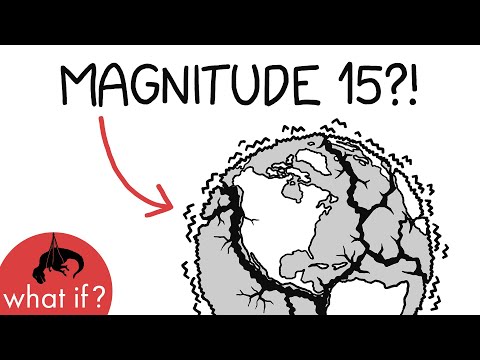
What would a magnitude 15 earthquake be like?
0
神谷菜々子 posted on 2024/03/11Ever wondered what a magnitude 15 earthquake would actually look like? This video uses mind-blowing analogies, like evaporating all the Earth's water, to help you grasp the unimaginable power involved! You'll also pick up some fantastic advanced vocabulary and learn about the science behind extreme quakes.
Learn this video on the APP!
The VoiceTube App has more in-depth practice for videos!