
access
US /ˈæksɛs/
UK /'ækses/
- Noun (Countable/Uncountable)
- Way to enter a place, e.g. a station or stadium
- The opportunity or right to use something or to see someone.
- Transitive Verb
- To be able to use or have permission to use
A2TOEICMoreaccount of
US /əˈkaʊnt ʌv/
UK /əˈkaunt ɔv/
- Noun
- A spoken or written description of an event.
- Preposition
- Because of; for the reason of.
B1Moreafterlife
US /ˈæftɚˌlaɪf/
UK /ˈɑ:ftəlaɪf/
- Noun
- Life after death
C2Morealong with
US /əˈlɔŋ wɪð/
UK /əˈlɔŋ wið/
- Preposition
- In addition to; together with.
- Adverb
- In company or together with someone or something.
- Including; in addition to.
A2Moreancient
US /ˈenʃənt/
UK /'eɪnʃənt/
- Adjective
- Very old; having lived a very long time ago
- Relating to a period in history, especially in the distant past.
- Noun
- A person who lived in ancient times.
A2Moreas a whole
US /æz e hol/
UK /æz ə həul/
- Phrase
- Considering everything together; in general.
- Complete; not divided or incomplete.
- Adjective
- Complete; not divided or fragmented.
A1Morebeast
US /bist/
UK /bi:st/
- Noun
- Ugly or terrifying animal
B1Moreby day
US /baɪ de/
UK /bai dei/
- Phrase
- During the daytime; not at night.
A2Morecare of
US /kɛr ʌv/
UK /kɛə ɔv/
- Preposition
- Used in an address to indicate the person who will receive the mail for someone else.
A2Morecome from
US /kʌm frʌm/
UK /kʌm frɔm/
- Phrasal Verb
- To have as your native country or city
A1Morecommit
US /kəˈmɪt/
UK /kə'mɪt/
- Transitive Verb
- To do something bad, usually a crime
- To promise your permanent love or loyalty (to)
A2TOEICMorecommonly
US /ˈkɑmənlɪ/
UK /ˈkɒmənli/
- Adverb
- Typically, normally; not unusually
- Widely; by many people.
A2Morecomplicate
US /ˈkɑ:mplɪkeɪt/
UK /ˈkɒmplɪkeɪt/
- Transitive Verb
- To make more difficult to do, understand or use
B1Moreconduct
US / kənˈdʌkt/
UK /kənˈdʌkt/
- Uncountable Noun
- Your behavior
- Verb (Transitive/Intransitive)
- To behave in a certain way; e.g. at a party
- To let electricity or heat travel through
B1TOEICMorecontinuously
US /kənˈtɪnjʊəslɪ/
UK /kən'tɪnjʊəslɪ/
- Adverb
- Without stops, breaks, or an end
- Without interruption; constantly.
B1Morecut corners
US
UK
- Verb (Transitive/Intransitive)
- To do something badly in order to save money or effort.
A2Moredecease
US /dɪˈsis/
UK /dɪˈsi:s/
- Intransitive Verb
- To die
B2Moredepict
US /dɪˈpɪkt/
UK /dɪ'pɪkt/
- Transitive Verb
- To represent or describe something using words
- To represent or show something in a picture or painting; to portray visually.
B1TOEICMoredespite the fact
US
UK
- Preposition
- In spite of; notwithstanding.
- Conjunction
- Even though; although.
A2Moredoom and gloom
US
UK
- Uncountable Noun
- A feeling of pessimism or despair; a focus on negative aspects.
- Predictions or talk about a disastrous future.
C2Moredramatically
US /drəˈmætɪkl:ɪ/
UK /drə'mætɪklɪ/
- Adverb
- In a sudden or extreme manner
- In a theatrical or exaggerated manner.
B1Moredynasty
US /ˈdaɪnəsti/
UK /ˈdɪnəsti/
- Countable Noun
- Family that controls a country for a long time
B1Moreepisode
US /ˈɛpɪˌsod/
UK /'epɪsəʊd/
- Noun
- One separate event in a series of events
- Show which is part of a larger story
B1TOEICMorefor the best
US
UK
- Phrase
- Resulting in the most positive or beneficial outcome, even if it's difficult or painful in the short term.
- Hoping for a positive outcome.
A1Moregherkin
US /ˈgɜ:rkɪn/
UK /ˈgɜ:kɪn/
- Countable Noun
- Any of various small cucumbers pickled whole
C2Morego out
US /ɡo aʊt/
UK /ɡəu aut/
- Phrase
- To leave a building (e.g. a house)
- Phrasal Verb
- (Of a fire) to burn out; be extinguished
- Go out of fashion to stop being fashionable
A1Morehave to
US /hæv tu/
UK /ˈhæv tə/
- Auxiliary Verb
- Must do
A1Morein fact
US /ɪn fækt/
UK /in fækt/
- Adverb
- Used to emphasize the truth of a statement, especially one that contrasts with or contradicts something else.
- Used to introduce a more detailed or surprising piece of information.
- Phrase
- Used to emphasize the truth of a statement, especially one that is surprising or contrary to what might be expected.
C1Morein general
US /ɪn ˈdʒɛnərəl/
UK /in ˈdʒenərəl/
- Phrase
- Typically; usually; on the whole.
- Not specific or detailed; broadly.
- Adjective
- Not detailed or specific; overall.
C2Morein particular
US /ɪn pɚˈtɪkjəlɚ/
UK /in pəˈtikjulə/
- Phrase
- Specifically; especially.
- Detailed or precise.
A1Morein relation to
US /ɪn rɪˈleʃən tu/
UK /in riˈleiʃən tu:/
- Phrase
- Concerning; with reference to; regarding.
- Compared with.
B1Morein the dark
US /ɪn ði dɑrk/
UK /in ðə dɑ:k/
- Adjective
- Uninformed about something; unaware.
- Phrase
- In a state of secrecy or ignorance.
- In a place with little or no light.
A1Morejourney
US /ˈdʒɚni/
UK /'dʒɜ:nɪ/
- Noun
- Act of traveling from one place to another; trip
- Intransitive Verb
- To travel through a place
A2TOEICMorejudge
US /dʒʌdʒ/
UK /dʒʌdʒ/
- Noun (Countable/Uncountable)
- Person who decides on the results of a contest
- Person who has the power to make a decision
- Verb (Transitive/Intransitive)
- To reach a decision about who won a contest
- To form an opinion after careful consideration
A2TOEICMoreknow about
US /noʊ əˈbaʊt/
UK /nəʊ əˈbaut/
- Phrasal Verb
- To have information or understanding of a subject or situation.
like mad
US /laɪk mæd/
UK /laɪk mæd/
- other
- With great intensity or energy.
B1Morelong list
US
UK
- Noun
- An extensive or detailed enumeration of items, names, or details.
- A list that is excessively long and therefore boring or difficult to manage.
A2Moremisconception
US /ˌmɪskənˈsɛpʃən/
UK /ˌmɪskənˈsepʃn/
- Noun (Countable/Uncountable)
- Wrong or misunderstood idea
- A widely held but incorrect belief.
B1Moremoisture
US /ˈmɔɪstʃɚ/
UK /'mɔɪstʃə(r)/
- Uncountable Noun
- Small amount of wetness that can be felt
B1Moremythology
US /mɪˈθɑ:lədʒi/
UK /mɪˈθɒlədʒi/
- Uncountable Noun
- Myths of a particular culture or group of people
- The study of myths.
B2Morenot necessary
US
UK
- Adjective
- Not required; not needed.
- Phrase
- Optional; not compulsory.
- Avoidable; not inevitable.
B1Moreof course
US /ʌv kɔː(r)s/
UK /ɔv kɔː(r)s/
- Adverb
- Sure ; Certainly
- Phrase
- For sure; certainly
A2Moreon to
US /ɑn tu/
UK /ɔn tu:/
- Preposition
- Toward something; forward
- Aware of someone's activities.
- Adjective
- Aware of someone's deception or illegal activities.
A1Morepantheon
US /ˈpænθiˌɑn, -ən/
UK /'pænθɪən/
- Noun
- Temple dedicated to all the gods
C1Moreparadise
US /ˈpærəˌdaɪs, -ˌdaɪz/
UK /'pærədaɪs/
- Noun (Countable/Uncountable)
- Place with everything needed for specific activity
- Place where good people are said to go after death
B1Morepass through
US /pæs θru/
UK /pɑ:s θru:/
- Phrasal Verb
- To experience something, often unpleasant or difficult.
- To go through something; to move from one side to the other of something.
A2Morepersonal
US /ˈpɚsənəl/
UK /ˈpɜ:sənl/
- Adjective
- Done by or to a particular person; individual
- Concerning a person's private life or feelings
A2Morepop up
US /pɑp ʌp/
UK /pɔp ʌp/
- Intransitive Verb
- To appear suddenly.
- Phrasal Verb
- To appear suddenly and unexpectedly.
- To appear on a computer screen.
A1Morepyramid
US /ˈpɪrəmɪd/
UK /'pɪrəmɪd/
- Noun
- Four-sided structure with sides meeting at the top
- With a small management and huge workforce
B1Morerather than
US
UK
- Adverb
- More exactly; more correctly
- Preferably; instead
- Preposition
- Instead of
A1Morerefer
US /rɪˈfɚ/
UK /rɪ'fɜ:(r)/
- Verb (Transitive/Intransitive)
- To talk about or write about something
- To give information about something
A2TOEICMorereligious
US /rɪˈlɪdʒəs/
UK /rɪˈlɪdʒəs/
- Adjective
- Following the rules and beliefs of a faith
- Relating to or manifesting faithful devotion to an acknowledged ultimate reality or deity.
B1Morerequest
US /rɪˈkwɛst/
UK /rɪ'kwest/
- Transitive Verb
- To ask for, usually politely and formally
- Noun
- Thing that has been asked for
- A signal to a computer system or program to perform a task.
A2TOEICMorerequire
US /rɪˈkwaɪr/
UK /rɪ'kwaɪə(r)/
- Transitive Verb
- To demand that someone does something
- To need to do something, to make it necessary
A2TOEICMoreritual
US /ˈrɪtʃuəl/
UK /'rɪtʃʊəl/
- Adjective
- Performed as part of a ceremony
- Being done in a regular, expected or similar way
- Noun (Countable/Uncountable)
- Social or religious ceremony always done the same
- A series of actions regularly and invariably followed by someone.
B1Morescribe
US /skraɪb/
UK /skraɪb/
- Noun
- History person/monk, who copied books by hand
- Transitive Verb
- To scratch or mark with a pointed instrument
C1Moresolid
US /ˈsɑlɪd/
UK /'sɒlɪd/
- Adjective
- Being able to be trusted; reliable
- Substance that is hard or of fixed shape
- Noun
- Something firm or hard; not gas or liquid
A2Moresoul
US /sol/
UK /səʊl/
- Noun
- Central or basic part of something
- Strong, deep emotion in speech or performance
A2Morestatus
US /ˈstetəs, ˈstætəs/
UK /'steɪtəs/
- Uncountable Noun
- Position or rank relative to others in a society
- Legal position of a person or thing
A2TOEICMorestuff
US /stʌf/
UK /stʌf/
- Uncountable Noun
- Generic description for things, materials, objects
- Transitive Verb
- To push material inside something, with force
B1Moresuppose
US /səˈpoʊz/
UK /sə'pəʊz/
- Verb (Transitive/Intransitive)
- To imagine or guess what might happen
- Conjunction
- What if
A2TOEICMorethink of
US /θɪŋk ʌv/
UK /θiŋk ɔv/
- Phrasal Verb
- To look on as (being something specific); consider
- To consider or remember something.
- Verb (Transitive/Intransitive)
- To imagine or call something to mind
A1Moreto do with
US
UK
- Phrasal Verb
- To be about something; concern
A1Moreto the gods
US /tu ðə ɡɑdz/
UK /tu ðə ɡɒdz/
- other
- Completely destroyed or ruined.
C2Moretorture
US /ˈtɔrtʃɚ/
UK /'tɔ:tʃə(r)/
- Noun (Countable/Uncountable)
- Hurting someone to force them to give information
- Painful suffering or distress
- Transitive Verb
- To painfully hurt someone to get information
- To cause someone to suffer greatly; torment
B2Moreunderworld
US /ˈʌndɚˌwə:ld/
UK /'ʌndəwɜ:ld/
- Noun
- Criminals as a group
B2Moreused to
US /juzd tu/
UK /ˈju:st tə/
- Adjective
- Did regularly before, but don't do now
- Auxiliary Verb
- Have done before, but do not do now
A1Moreversion
US /ˈvɚʒən, -ʃən/
UK /ˈvə:ʃən/
- Noun
- Different way that someone interprets something
- New or different form of something
A2TOEICMorewant in
US
UK
- Intransitive Verb
- To desire to participate or be included in something.
A1Morewell preserved
US
UK
- Adjective
- Maintained in excellent condition; not allowed to decline in quality or appearance.
- Kept from decaying; maintained in a state suitable for later use.
B2More
Vocabulary
- to do with: To be about something; concern
- of course: Sure ; Certainly
- by day: During the daytime; not at night.
- in fact: Used to emphasize the truth of a statement, especially one that contrasts with or contradicts something else.
- like mad: With great intensity or energy.
- to the gods: Completely destroyed or ruined.
- in relation to: Concerning; with reference to; regarding.
- pop up: To appear suddenly.
- rather than: More exactly; more correctly
- along with: In addition to; together with.
- not necessary: Not required; not needed.
- have to: Must do
- cut corners: To do something badly in order to save money or effort.
- want in: To desire to participate or be included in something.
- think of: To look on as (being something specific); consider
- as a whole: Considering everything together; in general.
- despite the fact: In spite of; notwithstanding.
- in general: Typically; usually; on the whole.
- doom and gloom: A feeling of pessimism or despair; a focus on negative aspects.
- in particular: Specifically; especially.
- well preserved: Maintained in excellent condition; not allowed to decline in quality or appearance.
- know about: To have information or understanding of a subject or situation.
- in the dark: Uninformed about something; unaware.
- pass through: To experience something, often unpleasant or difficult.
- on to: Toward something; forward
- for the best: Resulting in the most positive or beneficial outcome, even if it's difficult or painful in the short term.
- account of: A spoken or written description of an event.
- come from: To have as your native country or city
- go out: To leave a building (e.g. a house)
- long list: An extensive or detailed enumeration of items, names, or details.
- used to: Did regularly before, but don't do now
- care of: Used in an address to indicate the person who will receive the mail for someone else.
- stuff: Generic description for things, materials, objects
- episode: One separate event in a series of events
- access: Way to enter a place, e.g. a station or stadium
- ritual: Performed as part of a ceremony
- period: Set amount of time during which events take place
- journey: Act of traveling from one place to another; trip
- ancient: Very old; having lived a very long time ago
- common: Area in a city or town that is open to everyone
- general: Widespread, normal or usual
- solid: Being able to be trusted; reliable
- version: Different way that someone interprets something
- commit: To do something bad, usually a crime
- suppose: To imagine or guess what might happen
- exist: To be present, alive or real
- conduct: Your behavior
- field: Area of study, such as physics or biology
- status: Position or rank relative to others in a society
- dramatically: In a sudden or extreme manner
- misconception: Wrong or misunderstood idea
- judge: Person who decides on the results of a contest
- require: To demand that someone does something
- refer: To talk about or write about something
- create: To make, cause, or bring into existence
- religious: Following the rules and beliefs of a faith
- moisture: Small amount of wetness that can be felt
- depict: To represent or describe something using words
- torture: Hurting someone to force them to give information
- request: To ask for, usually politely and formally
- social: Involving activity with people, e.g. in free time
- text: To send a message by phone or other device
- haven: Place where people can feel safe and happy
- complicate: To make more difficult to do, understand or use
- commonly: Typically, normally; not unusually
- lot: What happens to a person in life from chance; fate
- pyramid: Four-sided structure with sides meeting at the top
- personal: Done by or to a particular person; individual
- fact: Something that is known or proved to be true
- continue: To do something without stopping, or after pausing
- information: Collection of facts and details about something
- soul: Central or basic part of something
- support: To give assistance or advice to someone
- modern: Of the present time; up to date; contemporary
- mythology: Myths of a particular culture or group of people
- paradise: Place with everything needed for specific activity
- continuously: Without stops, breaks, or an end
- dynasty: Family that controls a country for a long time
- beast: Ugly or terrifying animal
- afterlife: Life after death
- scribe: History person/monk, who copied books by hand
- pantheon: Temple dedicated to all the gods
- decease: To die
- underworld: Criminals as a group
- gherkin: Any of various small cucumbers pickled whole
Get the full experience in the app
Learn anywhere with detailed sentence and usage analysis
01:03
She took a brave step forward, leaving behind her comfort zone to chase her dreams.
Vocabulary
- brave
adj. Having courage
- comfort zone
phr. A familiar situation where one feels safe
Explanation
a brave step is a noun phrase, where brave is an adjective modifying the noun step, meaning "a courageous step".
forward is an adverb modifying step, meaning "ahead".
The whole phrase serves as the object, answering the "what" of took (verb) — she took a brave step forward.
Get the full experience in the app
Look up words anytime with pronunciation, part of speech, and usage
brave
US/brev/
UK/breɪv/
adj.Brave
v.t.To bravely face
A2 Elementary
Get the full experience in the app
Practice speaking anytime and get instant pronunciation feedback
Try this speaking exercise.
Try practicing with this sentence.
80
0
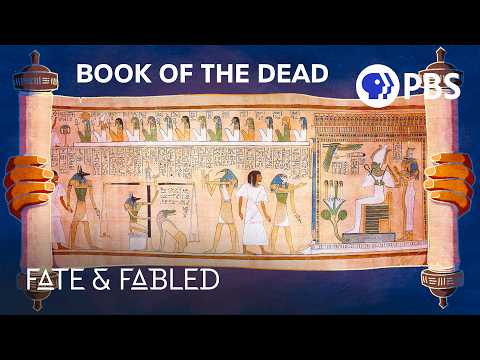
林宜悉 posted on 2024/02/24Think the Book of the Dead is just about spooky spells? Think again! This video dives into ancient Egyptian religion and funerary practices, revealing fascinating details about the Papyrus Ani and the 'Weighing of the Heart' ceremony. You'll pick up some awesome advanced vocabulary and cultural insights while enjoying some humorous banter!
Learn this video on the APP!
The VoiceTube App has more in-depth practice for videos!