
aerial
US /ˈɛriəl, eˈɪriəl/
UK /'eərɪəl/
- Adjective
- Being done, living or seen in the air
- Noun
- Antenna; device for receiving radio/ TV signal
B1Moreagency
US /ˈedʒənsi/
UK /'eɪdʒənsɪ/
- Noun (Countable/Uncountable)
- Business that provides some service for others
B1TOEICMoreammunition
US /ˌæmjəˈnɪʃən/
UK /ˌæmjuˈnɪʃn/
- Uncountable Noun
- Supply of bullets, etc. that are fired from guns
B2Morearmor
US /ˈɑrmɚ/
UK /'ɑ:mə/
- Noun
- Defensive (e.g. metal) covering for bodies, things
- Transitive Verb
- To cover something in metal to protect it
C1Moreat least
US /æt list/
UK /æt li:st/
- Adverb
- As a minimum
- Not less than
- Phrase
- No less than; at the minimum
- Used to indicate that something is positive in a bad situation.
C2Moreblow
US /blo/
UK /bləʊ/
- Verb (Transitive/Intransitive)
- To move something using air
- To make air come quickly out of your mouth
- Noun
- Something that causes you difficulty or sadness
- Act of making air come out of your mouth
A2Morebomb
US /bɑm/
UK /bɒm/
- Transitive Verb
- To attack with explosives
- Noun
- An explosive device
B1Morebrowse
US /braʊz/
UK /braʊz/
- Verb (Transitive/Intransitive)
- To look around for things, e.g. in a bookstore
- To use a browser to view websites on the Internet.
- Noun (Countable/Uncountable)
- A collection of things to look through.
B2TOEICMorecargo
US /ˈkɑ:rgoʊ/
UK /ˈkɑ:gəʊ/
- Noun (Countable/Uncountable)
- Goods carried in a ship or plane
B2Moreclassify
US /ˈklæsəˌfaɪ/
UK /'klæsɪfaɪ/
- Transitive Verb
- To arrange things into groups of similar items
- To keep some information secret from the public
B2Morecome together
US /kʌm təˈɡɛðɚ/
UK /kʌm təˈɡeðə/
- Phrasal Verb
- To assemble or unite; to start working together.
- To form a close relationship or bond.
A1Moreconvoy
US /ˈkɑ:nvɔɪ/
UK /ˈkɒnvɔɪ/
- Countable Noun
- Group of moving vehicles, e.g. of an army/navy
B2Morecoordinate
US /ko'ɔrdəˈnet/
UK /kəʊ'ɔ:dɪneɪt/
- Transitive Verb
- To match styles or colors that go well together
- To cause body parts to move smoothly together
- Noun
- Point on a map defining a location e.g. 135N, 34W
- A matching set of clothes.
B1Moredatum
US /ˈdetəm, ˈdætəm, ˈdɑtəm/
UK /ˈdeɪtəm/
- Noun
- Item of factual information
B1Moredisagree
US /ˌdɪsəˈɡri/
UK /ˌdɪsə'ɡri:/
- Intransitive Verb
- To have a different opinion; to fail to agree
B2TOEICMoredoe
US /do/
UK /dəʊ/
- Countable Noun
- Female deer, reindeer, rabbit or hare
- A female deer, especially a female roe, fallow deer, or reindeer.
B2Moreemergency
US /ɪˈmɚdʒənsi/
UK /ɪ'mɜ:dʒənsɪ/
- Noun (Countable/Uncountable)
- Sudden event needing an immediate action
- A medical condition manifesting itself by acute symptoms of sufficient severity such that the absence of immediate medical attention could reasonably be expected to result in placing the patient's health in serious jeopardy.
- Adjective
- Used in an emergency; for use when something dangerous happens.
- Designed for use in an emergency.
A2TOEICMoreemergency response
US
UK
- Noun (Countable/Uncountable)
- The actions taken to deal with an unexpected and dangerous event.
- Immediate medical assistance given in an emergency situation.
B1Moreenergy
US /ˈɛnədʒi/
UK /'enədʒɪ/
- Noun (Countable/Uncountable)
- Physical or mental strength
- Enthusiasm and determination.
A2Moreentire
US /ɛnˈtaɪr/
UK /ɪn'taɪə(r)/
- Adjective
- Complete or full; with no part left out; whole
- Undivided; not shared or distributed.
A2TOEICMoreexcept for
US /ɪkˈsɛpt fɔr/
UK /ikˈsept fɔ:/
- Preposition
- Not including; excluding.
existence
US /ɪɡˈzɪstəns/
UK /ɪɡ'zɪstəns/
- Uncountable Noun
- State of being present, alive or real
- A way of living; the manner in which someone lives.
A2TOEICMoreexpand
US /ɪkˈspænd/
UK /ɪk'spænd/
- Verb (Transitive/Intransitive)
- To make something larger in size, number, amount
A2TOEICMoreexpiration
US /ˌɛkspəˈreʃən/
UK /ˌekspəˈreɪʃn/
- Noun
- Coming to an end of a period, validity
B2TOEICMorefederal
US /ˈfɛdərəl, ˈfɛdrəl/
UK /'fedərəl/
- Adjective
- Consisting of several united states
- Relating to a system of government in which power is divided between a central authority and constituent political units.
- Proper Noun
- The central banking system of the United States.
B1Moregrainy
US /ˈɡreni/
UK /ˈgreɪni/
- Adjective
- Composed of or covered with small particles
- (Of photos) unclear
B1Moreguarantee
US /ˌɡærənˈti/
UK /ˌɡærən'ti:/
- Transitive Verb
- To promise to repair a broken product
- To promise that something will happen or be done
- Countable Noun
- A promise to repair a broken product
- Promise that something will be done as expected
A2TOEICMorehave to
US /hæv tu/
UK /ˈhæv tə/
- Auxiliary Verb
- Must do
A1Morehijack
US /ˈhaɪˌdʒæk/
UK /'haɪdʒæk/
- Transitive Verb
- To take control of a plane, etc. by force
B1Morein fact
US /ɪn fækt/
UK /in fækt/
- Adverb
- Used to emphasize the truth of a statement, especially one that contrasts with or contradicts something else.
- Used to introduce a more detailed or surprising piece of information.
- Phrase
- Used to emphasize the truth of a statement, especially one that is surprising or contrary to what might be expected.
C1Morein order to
US /ɪn ˈɔrdɚ tu/
UK /in ˈɔ:də tu:/
- Preposition
- For the purpose of; with the aim of.
- Phrase
- In a specific sequence or arrangement.
- With the aim of; for the purpose of.
C1Morein the business of
US /ɪn ðə ˈbɪznəs ʌv/
UK /in ðə ˈbiznis ɔv/
- other
- Engaged in a particular commercial activity or profession.
B2MoreIn the event of
US
UK
- Phrase
- If something happens, especially something undesirable
A1Morein the first place
US
UK
- Phrase
- To begin with; as the first point or consideration.
- From the beginning; initially.
A1Morein the hands of
US /ɪn ðə ˈhændz ʌv/
UK /in ðə ˈhændz ɔv/
- Preposition
- Under the control or responsibility of someone.
B1Morein the middle of
US
UK
- Phrase
- In the central part or point of something.
- Engaged or occupied with something.
A2Moreinstead of
US /ɪnˈstɛd ʌv/
UK /inˈsted ɔv/
- Preposition
- When one thing is replaced by another
- Adverb
- As a substitute or alternative.
A1Moreinterstate
US /ˈɪntərsteɪt/
UK /ˈɪntəsteɪt/
- Adjective
- Connecting or running through two or more states
B1Morekill me
US
UK
- Interjection
- An exaggerated expression of frustration or annoyance.
- Phrase
- A direct request to end one's life, often due to unbearable suffering.
A2Moreknow about
US /noʊ əˈbaʊt/
UK /nəʊ əˈbaut/
- Phrasal Verb
- To have information or understanding of a subject or situation.
location
US /loʊˈkeɪʃn/
UK /ləʊˈkeɪʃn/
- Noun (Countable/Uncountable)
- Particular position or area of place, event, etc.
- A place away from a studio where film or television shots are made.
B1TOEICMoremaintenance
US /ˈmentənəns/
UK /'meɪntənəns/
- Noun (Countable/Uncountable)
- Keeping (a machine) working by checking and fixing
- Financial support paid to a former spouse or for children.
A2TOEICMoremess
US /mɛs/
UK /mes/
- Noun (Countable/Uncountable)
- Something that is untidy, dirty or unclean
- A difficult or confused situation.
- Transitive Verb
- To make something untidy or dirty
A2Moremess around
US /mɛs əˈraʊnd/
UK /mes əˈraund/
- Phrasal Verb
- To cheat on your partner with another lover
- To pass the time aimlessly
- Intransitive Verb
- To behave in a silly or playful way.
- To spend time doing things that are not important or useful.
A2Moremess with
US
UK
- Verb (Transitive/Intransitive)
- To interfere with or tamper with something.
- To provoke or annoy someone.
- Phrasal Verb
- To interfere with or tamper with something.
- To tease, provoke, or annoy someone.
B1Moreon the job
US /ɑn ði dʒɑb/
UK /ɔn ðə dʒɔb/
- Phrase
- While working; during the course of employment.
A1Moreoutside of
US /aʊtˈsaɪd ʌv/
UK /ˌautˈsaid ɔv/
- Preposition
- Located or situated beyond the boundaries or confines of something.
- Beyond the scope, range, or limits of something.
A1Moreplutonium
US /pluˈtoniəm/
UK /plu:ˈtəʊniəm/
- Uncountable Noun
- Radioactive metallic element
B2Moreregardless of
US /rɪˈɡɑrdlɪs ʌv/
UK /riˈɡɑ:dlis ɔv/
- Phrase
- Preposition
- Without being affected or influenced by something; despite.
A2Morereplace
US /rɪˈples/
UK /rɪ'pleɪs/
- Transitive Verb
- To use instead of something else
- To return an item to its original location
A2TOEICMorerequire
US /rɪˈkwaɪr/
UK /rɪ'kwaɪə(r)/
- Transitive Verb
- To demand that someone does something
- To need to do something, to make it necessary
A2TOEICMoreresearch
US /rɪˈsɚtʃ, ˈriˌsɚtʃ/
UK /rɪ'sɜ:tʃ/
- Verb (Transitive/Intransitive)
- To study in order to discover new ideas and facts
- To study the market relating to marketing products and services.
- Noun (Countable/Uncountable)
- Study done to discover new ideas and facts
- A particular area or topic of study.
A2TOEICMoreresponse
US /rɪˈspɑns/
UK /riˈspɔns/
- Noun
- Something said/written as an answer to something
- Reaction to something that has occurred
A2TOEICMoreroute
US /rut, raʊt/
UK /ru:t/
- Noun (Countable/Uncountable)
- Way to get from one place to another place; path
- Path or way that people often use
- Transitive Verb
- To send along a particular path or way
A2TOEICMorespread out
US /sprɛd aʊt/
UK /spred aut/
- Phrasal Verb
- To extend or stretch over a large area.
- To arrange things so that they cover a large area.
B2Moreto death
US /tu dɛθ/
UK /tu: deθ/
- Phrase
- Extremely; to a great degree
- Until death
B1Moretrailer
US /ˈtrelɚ/
UK /'treɪlə(r)/
- Noun (Countable/Uncountable)
- Advertisement of short scenes from a movie
- Vehicle pulled by a truck/car to transport things
C2Moretransportation
US /ˌtrænspɔ:rˈteɪʃn/
UK /ˌtrænspɔ:ˈteɪʃn/
- Noun (Countable/Uncountable)
- Act of moving people or goods between places
- A system or means of transport, especially public transport.
B1Moretransporter
US /trænˈspɔ:rtə(r)/
UK /trænˈspɔ:tə(r)/
- Countable Noun
- Vehicle used for moving other vehicles
B1Morevehicle
US /ˈvi:hɪkl/
UK /ˈvi:əkl/
- Noun (Countable/Uncountable)
- Machine (such as a car) used to carry things
- Means of expressing, showing, or achieving
A2TOEICMorewarhead
US /ˈwɔrˌhɛd/
UK /'wɔ:hed/
- Noun
- Part of the missile that contains the explosive
C1More
Vocabulary
- instead of: When one thing is replaced by another
- emergency response: The actions taken to deal with an unexpected and dangerous event.
- spread out: To extend or stretch over a large area.
- in the first place: To begin with; as the first point or consideration.
- have to: Must do
- in fact: Used to emphasize the truth of a statement, especially one that contrasts with or contradicts something else.
- except for: Not including; excluding.
- in the middle of: In the central part or point of something.
- at least: As a minimum
- to death: Extremely; to a great degree
- regardless of
- In the event of: If something happens, especially something undesirable
- mess with: To interfere with or tamper with something.
- know about: To have information or understanding of a subject or situation.
- in the hands of: Under the control or responsibility of someone.
- mess around: To cheat on your partner with another lover
- on the job: While working; during the course of employment.
- in order to: For the purpose of; with the aim of.
- come together: To assemble or unite; to start working together.
- in the business of: Engaged in a particular commercial activity or profession.
- kill me: An exaggerated expression of frustration or annoyance.
- outside of: Located or situated beyond the boundaries or confines of something.
- entire: Complete or full; with no part left out; whole
- guarantee: To promise to repair a broken product
- mess: Something that is untidy, dirty or unclean
- research: To study in order to discover new ideas and facts
- existence: State of being present, alive or real
- response: Something said/written as an answer to something
- federal: Consisting of several united states
- require: To demand that someone does something
- expand: To make something larger in size, number, amount
- coordinate: To match styles or colors that go well together
- blow: To move something using air
- click: To work well with someone or something
- route: Way to get from one place to another place; path
- emergency: Sudden event needing an immediate action
- agency: Business that provides some service for others
- vehicle: Machine (such as a car) used to carry things
- energy: Physical or mental strength
- lot: What happens to a person in life from chance; fate
- maintenance: Keeping (a machine) working by checking and fixing
- sign: Indication that something exists or will happen
- trailer: Advertisement of short scenes from a movie
- control: A device designed to operate a machine
- fact: Something that is known or proved to be true
- operate: To control or handle something, such as a machine
- simple: Not hard to understand or do; not complex
- ammunition: Supply of bullets, etc. that are fired from guns
- public: Owned by the government
- replace: To use instead of something else
- event: Any social gathering; occasion; planned activity
- transportation: Act of moving people or goods between places
- steal: A bargain; something bought very cheaply
- bring: To take or go with someone to a place
- point: An item to be discussed
- armor: Defensive (e.g. metal) covering for bodies, things
- find: To become aware of something that is happening
- question: To ask for or try to get information
- browse: To look around for things, e.g. in a bookstore
- expiration: Coming to an end of a period, validity
- part: Division of a book
- cargo: Goods carried in a ship or plane
- disagree: To have a different opinion; to fail to agree
- classify: To arrange things into groups of similar items
- aerial: Being done, living or seen in the air
- location: Particular position or area of place, event, etc.
- datum: Item of factual information
- bomb: To attack with explosives
- convoy: Group of moving vehicles, e.g. of an army/navy
- hijack: To take control of a plane, etc. by force
- grainy: Composed of or covered with small particles
- doe: Female deer, reindeer, rabbit or hare
- interstate: Connecting or running through two or more states
- plutonium: Radioactive metallic element
- warhead: Part of the missile that contains the explosive
- transporter: Vehicle used for moving other vehicles
Get the full experience in the app
Learn anywhere with detailed sentence and usage analysis
01:03
She took a brave step forward, leaving behind her comfort zone to chase her dreams.
Vocabulary
- brave
adj. Having courage
- comfort zone
phr. A familiar situation where one feels safe
Explanation
a brave step is a noun phrase, where brave is an adjective modifying the noun step, meaning "a courageous step".
forward is an adverb modifying step, meaning "ahead".
The whole phrase serves as the object, answering the "what" of took (verb) — she took a brave step forward.
Get the full experience in the app
Look up words anytime with pronunciation, part of speech, and usage
brave
US/brev/
UK/breɪv/
adj.Brave
v.t.To bravely face
A2 Elementary
Get the full experience in the app
Practice speaking anytime and get instant pronunciation feedback
Try this speaking exercise.
Try practicing with this sentence.
80
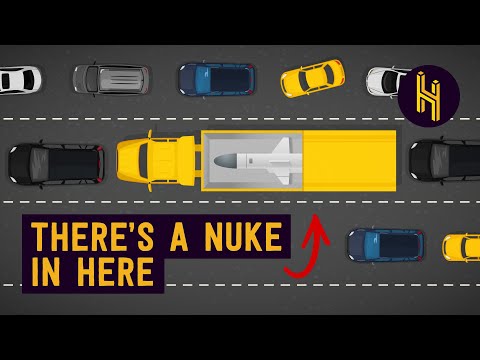
How the US Transports Its Nuclear Weapons
0
林宜悉 posted on 2024/03/02Ever wondered how the US transports its nuclear weapons? This video dives deep into the fascinating world of nuclear logistics and warhead maintenance, revealing the incredible security measures involved in classified convoys. You'll pick up some advanced vocabulary related to the Department of Energy's secure transportation operations!
Learn this video on the APP!
The VoiceTube App has more in-depth practice for videos!