
adjust
US /əˈdʒʌst/
UK /əˈdʒʌst/
- Verb (Transitive/Intransitive)
- To change; to attain a desired state or function
- To change so as to fit in with new conditions
A2TOEICMoreaffect
US /əˈfɛkt/
UK /ə'fekt/
- Transitive Verb
- To cause a change in something else
- To pretend to have or feel (something).
- Noun
- (Psychology) Emotion or feeling.
A2TOEICMoreaffluent
US
UK
- Adjective
- Having plenty of money and possessions
B2Moreanalyze
US /ˈænəˌlaɪz/
UK /'ænəlaɪz/
- Transitive Verb
- To study carefully to find out the meaning of
B1TOEICMoreas a result of
US
UK
- Phrase
- Because of something; owing to.
A1Moreas for
US /æz fɔr/
UK /æz fɔ:/
- Preposition
- Concerning; regarding.
- Phrase
- Used to introduce a new topic or aspect of a subject.
A1Moreaverage
US /ˈævərɪdʒ, ˈævrɪdʒ/
UK /'ævərɪdʒ/
- Noun (Countable/Uncountable)
- Total of numbers divided by the number of items
- Transitive Verb
- To add numbers then divide by the number of items
A2TOEICMoreaxis
US /ˈæksɪs/
UK /ˈæksɪs/
- Noun
- A line about which a rotating body turns
B1Moreback then
US
UK
- Phrase
- At that time in the past.
A1Morebear
US /bɛr/
UK /bɛː/
- Transitive Verb
- To accept (responsibilities or duties)
- To give birth to a child; to produce fruit
- Countable Noun
- Large brown animal with fur that lives in forests
- Someone who expects stock market to fall
A2Morecensus
US /ˈsɛnsəs/
UK /ˈsensəs/
- Noun (Countable/Uncountable)
- Survey to collect data about people in an area
B2Morecollar
US /ˈkɑlɚ/
UK /'kɒlə(r)/
- Noun
- Band put around the neck of an animal
- Neck part of a shirt, coat etc.
- Transitive Verb
- To catch and hold someone so you can talk to them
- To seize or arrest (someone).
B1Morecomparison
US /kəmˈpærɪsən/
UK /kəmˈpærɪsn/
- Noun (Countable/Uncountable)
- Act of comparing things
- The quality or state of being similar or alike.
A2Morecrowd
US /kraʊd/
UK /kraʊd/
- Verb (Transitive/Intransitive)
- To force too many things, people into
- (Lots of people) to meet together in one place
- Noun (Countable/Uncountable)
- Large group of people together in one place
A2Moredisease
US /dɪˈziz/
UK /dɪˈzi:z/
- Noun (Countable/Uncountable)
- Illness that affects a person, animal, or plant
- A disorder of structure or function in a plant, especially one caused by a pathogen.
- Transitive Verb
- To affect with disease; to corrupt or sicken.
A2TOEICMoredivision
US /dɪˈvɪʒən/
UK /dɪ'vɪʒn/
- Noun (Countable/Uncountable)
- How many times a number is contained in another
- One part of an organization
B1TOEICMoredna
US
UK
- Noun (Countable/Uncountable)
- Chemical in living cells with genetic information
B2Moredrastic
US /ˈdræstɪk/
UK /ˈdræstɪk/
- Adjective
- Serious, severe or extreme
B2TOEICMoreescape
US /ɪˈskep/
UK /ɪ'skeɪp/
- Noun (Countable/Uncountable)
- Act to briefly ignoring boring or bad things
- The 'esc key' on a keyboard
- Verb (Transitive/Intransitive)
- To avoid something undesirable, dangerous or bad
- To get away from a place where you are being kept
A2Moreeventually
US /ɪˈvɛntʃuəli/
UK /ɪˈventʃuəli/
- Adverb
- After a long time; after many attempts; in the end
- At some later time; in the future
A2Moreexceed
US /ɪkˈsid/
UK /ɪk'si:d/
- Transitive Verb
- To be greater in number, degree than something
- To go above or beyond a limit or rule
B1TOEICMoreexternal
US /ɪkˈstɚnəl/
UK /eksˈtə:nl/
- Adjective
- Concerning foreign countries
- Concerning the outside of something; outer
A2Moreflee
US /fli/
UK /fli:/
- Intransitive Verb
- To leave somewhere urgently, to avoid danger
B1Morefor example
US
UK
- Phrase
- As an illustration or instance.
for now
US /fɔr naʊ/
UK /fɔ: nau/
- Phrase
- Temporarily; for the present time.
- In the short term; for the immediate future.
A1Moregender
US /ˈdʒɛndɚ/
UK /'dʒendə(r)/
- Noun
- State of being male or female
- The socially constructed roles, behaviours, expressions and identities of people.
- Transitive Verb
- To assign a gender to; to consider something in terms of gender.
B1Moregenetic
US /dʒəˈnɛtɪk/
UK /dʒəˈnetɪk/
- Adjective
- Of, relating to, or controlled by genes
- Relating to genes or heredity.
B1Morehome in
US /ˈhoʊm ɪn/
UK /ˈhəum ɪn/
- other
- Move or direct toward a specific target or goal.
B2Morehousehold
US /ˈhaʊsˌhold/
UK /'haʊshəʊld/
- Adjective
- Being in everyday use; common
- Relating to a house or home.
- Noun (Countable/Uncountable)
- Concerning a home
- Family or other group living together in a house
B1Moreinfant
US /'ɪnfənt/
UK /'ɪnfənt/
- Countable Noun
- Child in the beginning stage of life; a baby
- The early stage of development of something.
B1TOEICMoreinfection
US /ɪnˈfɛkʃən/
UK /ɪnˈfekʃn/
- Noun
- (Computers) Having a computer virus
- Making or becoming sick with a bacteria/virus
A2Moreinherit
US /ɪnˈhɛrɪt/
UK /ɪn'herɪt/
- Transitive Verb
- To have a quality or feature passed down at birth
- To receive property or money after someone dies
B1Moreinterrupt
US /ˌɪntəˈrʌpt/
UK /ˌɪntə'rʌpt/
- Verb (Transitive/Intransitive)
- To stop something from happening for a while
- To stop someone from speaking by saying or doing something.
- Noun
- A signal that stops a computer from working on one thing and starts it working on something else.
B1TOEICMorelook at
US /lʊk æt/
UK /luk æt/
- Phrasal Verb
- To use your eyes to focus on something
- To focus your eyes on something carefully
A1Moremassive
US /ˈmæsɪv/
UK /ˈmæsɪv/
- Adjective
- Very big; large; too big
- Large or imposing in scale or scope.
B1Moremortality
US /mɔrˈtælɪti/
UK /mɔ:ˈtæləti/
- Uncountable Noun
- Quality or state of being capable of dying
- The state of being subject to death; the proportion of deaths to population.
B2Morenutrition
US /nuˈtrɪʃən, nju-/
UK /njuˈtrɪʃn/
- Uncountable Noun
- Scientific study of the effects of foods on health
- Food and other things you eat or drink
B1Moreon average
US /ɑn ˈævərɪdʒ/
UK /ɔn ˈævəridʒ/
- Phrase
- Typically; usually; based on an average calculation.
B1Moreplummet
US /ˈplʌmɪt/
UK /ˈplʌmɪt/
- Intransitive Verb
- To fall quickly, as from the sky
- To decrease rapidly in value or amount.
- Countable Noun
- A plumb bob.
- A weight attached to a line, used to determine depth or verticality.
C1TOEICMorepuberty
US /ˈpju:bərti/
UK /ˈpju:bəti/
- Noun
- Stage of life when you become sexually mature
C1Moresanitation
US /ˌsænɪˈteʃən/
UK /ˌsænɪˈteɪʃn/
- Uncountable Noun
- Water systems that protect people's health
C1Moreshift
US /ʃɪft/
UK /ʃɪft/
- Verb (Transitive/Intransitive)
- To change in position or direction
- To move something from one place to another
- Noun (Countable/Uncountable)
- A change in a persons plans, opinions or beliefs
- Period of work starting at a certain time
A2Moresplit
US /splɪt/
UK /splɪt/
- Adjective
- No longer married or in a relationship
- (Injured) by cutting it open, as in someone's lip
- Verb (Transitive/Intransitive)
- To become divided or broken along a straight line
- To cause a cut in (lip, etc.)
A2Moresplit up
US /splɪt ʌp/
UK /split ʌp/
- Phrasal Verb
- To break up your marriage or relationship
- To divide something into smaller parts.
- Noun
- A termination of a romantic relationship
A2Moretip
US /tɪp/
UK /tɪp/
- Transitive Verb
- To pour or move something from a place, container
- To give extra money for good service
- Noun
- End point of e.g. a pencil or finger
- Extra money given for good service
A2Moreto death
US /tu dɛθ/
UK /tu: deθ/
- Phrase
- Extremely; to a great degree
- Until death
B1Morevertical
US /ˈvɜ:rtɪkl/
UK /ˈvɜ:tɪkl/
- Adjective
- (Of a line, etc.) going up and down; not horizontal
- Extending or operating upward from a base.
- Noun
- A vertical line or plane.
- An upright structural member.
B1Morewealth
US /wɛlθ/
UK /welθ/
- Uncountable Noun
- Amount of money or possessions you own, e.g. large
A2TOEICMorewhite collar
US
UK
- Adjective
- Relating to the work done in an office or other professional environment.
- Noun
- A job that is done in an office or other professional environment.
A1More
Vocabulary
- look at: To use your eyes to focus on something
- for now: Temporarily; for the present time.
- for example: As an illustration or instance.
- white collar: Relating to the work done in an office or other professional environment.
- on average: Typically; usually; based on an average calculation.
- as for: Concerning; regarding.
- as a result of: Because of something; owing to.
- back then: At that time in the past.
- split up: To break up your marriage or relationship
- to death: Extremely; to a great degree
- home in: Move or direct toward a specific target or goal.
- eventually: After a long time; after many attempts; in the end
- massive: Very big; large; too big
- period: Set amount of time during which events take place
- improve: To make, or become, something better
- average: Total of numbers divided by the number of items
- split: No longer married or in a relationship
- disease: Illness that affects a person, animal, or plant
- mortality: Quality or state of being capable of dying
- puberty: Stage of life when you become sexually mature
- shift: To change in position or direction
- affect: To cause a change in something else
- escape: Act to briefly ignoring boring or bad things
- tip: To pour or move something from a place, container
- crowd: To force too many things, people into
- genetic: Of, relating to, or controlled by genes
- external: Concerning foreign countries
- drastic: Serious, severe or extreme
- comparison: Act of comparing things
- compare: To consider how similar and different things are
- interrupt: To stop something from happening for a while
- household: Being in everyday use; common
- pretty: Being attractive to the eye in a simple way
- create: To make, cause, or bring into existence
- sanitation: Water systems that protect people's health
- nutrition: Scientific study of the effects of foods on health
- plummet: To fall quickly, as from the sky
- gender: State of being male or female
- affluent: Having plenty of money and possessions
- record: Highest or most extreme level achieved
- flee: To leave somewhere urgently, to avoid danger
- infection: (Computers) Having a computer virus
- analyze: To study carefully to find out the meaning of
- infant: Child in the beginning stage of life; a baby
- produce: Fresh foods such as fruits and vegetables
- wealth: Amount of money or possessions you own, e.g. large
- bear: To accept (responsibilities or duties)
- century: Period of 100 years
- census: Survey to collect data about people in an area
- division: How many times a number is contained in another
- vertical: (Of a line, etc.) going up and down; not horizontal
- catch: Amount of something that has been caught
- adjust: To change; to attain a desired state or function
- exceed: To be greater in number, degree than something
- great: Very good; better than before
- collar: Band put around the neck of an animal
- inherit: To have a quality or feature passed down at birth
- change: To exchange one set of clothes for another
- person: Man, woman or child
- grow: To get bigger and more mature; make plants do this
- axis: A line about which a rotating body turns
- income: Earned money from work, investments or business
- world: All the humans, events, activities on the earth
- dna: Chemical in living cells with genetic information
Get the full experience in the app
Learn anywhere with detailed sentence and usage analysis
01:03
She took a brave step forward, leaving behind her comfort zone to chase her dreams.
Vocabulary
- brave
adj. Having courage
- comfort zone
phr. A familiar situation where one feels safe
Explanation
a brave step is a noun phrase, where brave is an adjective modifying the noun step, meaning "a courageous step".
forward is an adverb modifying step, meaning "ahead".
The whole phrase serves as the object, answering the "what" of took (verb) — she took a brave step forward.
Get the full experience in the app
Look up words anytime with pronunciation, part of speech, and usage
brave
US/brev/
UK/breɪv/
adj.Brave
v.t.To bravely face
A2 Elementary
Get the full experience in the app
Practice speaking anytime and get instant pronunciation feedback
Try this speaking exercise.
Try practicing with this sentence.
80
0
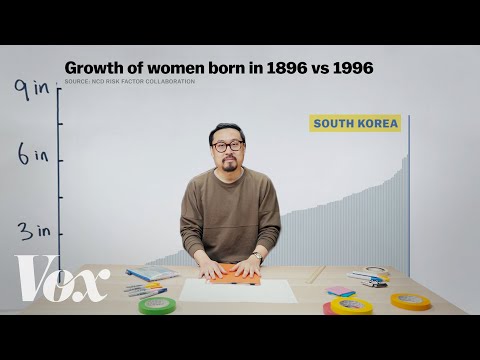
林宜悉 posted on 2024/01/28Ever wondered why South Koreans are suddenly so much taller than their ancestors? This video dives into the fascinating history, exploring how factors like child nutrition and economic development played a huge role after the Korean War. You'll pick up great vocabulary related to human growth and societal changes!
Learn this video on the APP!
The VoiceTube App has more in-depth practice for videos!