
addict
US /əˈdɪkt/
UK /ˈædɪkt/
- Noun
- Person who can’t control their overuse of a thing
B1Moreassumption
US /əˈsʌmpʃən/
UK /ə'sʌmpʃn/
- Noun (Countable/Uncountable)
- Something you believe to be so, but aren't sure of
A2Moreat least
US /æt list/
UK /æt li:st/
- Adverb
- As a minimum
- Not less than
- Phrase
- No less than; at the minimum
- Used to indicate that something is positive in a bad situation.
C2Moreat once
US /æt wʌns/
UK /æt wʌns/
- Adverb
- Immediately; without delay
- At the same time; simultaneously
A2Morechannel
US /ˈtʃænəl/
UK /'tʃænl/
- Noun (Countable/Uncountable)
- Long hole dug in the ground, e.g. to move water
- TV or radio station or its programs
- Transitive Verb
- To dig a long hole for carrying water
- To send (e.g. money) to a certain place or person
B1Morecomment
US /ˈkɑmɛnt/
UK /'kɒment/
- Noun (Countable/Uncountable)
- Something you say, giving an opinion; remark
- An explanatory note in a computer program.
- Verb (Transitive/Intransitive)
- To say something that gives your opinion
- To add explanatory notes to a computer program.
A2Morecomplex
US /kəmˈplɛks, ˈkɑmˌplɛks/
UK /'kɒmpleks/
- Countable Noun
- Group of buildings all used for the same purpose
- Adjective
- Not being simple; having many parts or aspects
A2Moreconstruction
US /kənˈstrʌkʃən/
UK /kən'strʌkʃn/
- Noun (Countable/Uncountable)
- Act of building something; thing that is built
- Something that is made using different parts
A2Moredecide
US /dɪˈsaɪd/
UK /dɪ'saɪd/
- Verb (Transitive/Intransitive)
- To make a choice or choose after thinking about it
- To make a legal judgment in court
A2TOEICMoredepending on
US
UK
- Phrasal Verb
- To rely on for support (financial or emotional)
- Influenced or determined by.
- Preposition
- Subject to; contingent on
- Relying on someone or something for support or assistance.
A2Morefor example
US
UK
- Phrase
- As an illustration or instance.
gain
US /ɡen/
UK /ɡeɪn/
- Verb (Transitive/Intransitive)
- To increase in something, such as weight
- To get something wanted, needed or valued
- Noun (Countable/Uncountable)
- An increase in something, such as weight
A2TOEICMoregrocery
US /'ɡroʊsərɪ/
UK /'ɡrəʊsərɪ/
- Uncountable Noun
- Daily foods such as flour, sugar, and tinned foods
- Countable Noun
- A store that sells food and household supplies.
B2TOEICMorehangover
US /ˈhæŋoʊvər/
UK /ˈhæŋəʊvə(r)/
- Noun
- Ill feeling from drinking too much alcohol
C1Morehave at
US
UK
- Phrasal Verb
- To attack someone or something.
- To begin doing something with enthusiasm.
A1Morehave to
US /hæv tu/
UK /ˈhæv tə/
- Auxiliary Verb
- Must do
A1Morehonestly
US /ˈɑnɪstli/
UK /ˈɒnɪstli/
- Adverb
- With truth or sincerity; I'm being honest with you
- Genuinely; in a sincere manner.
A2Morein reality
US /ɪn riˈælɪti/
UK /in riˈæliti/
- Phrase
- Actually; in fact; truly.
B2Morein the past
US
UK
- Phrase
- During a former period of time; previously.
A1Morein trouble
US /ɪn ˈtrʌbəl/
UK /in ˈtrʌbl/
- Adjective
- Experiencing difficulties, problems, or legal issues.
- other
- In serious trouble or difficulty.
A1Moreinstead of
US /ɪnˈstɛd ʌv/
UK /inˈsted ɔv/
- Preposition
- When one thing is replaced by another
- Adverb
- As a substitute or alternative.
A1Morejourney
US /ˈdʒɚni/
UK /'dʒɜ:nɪ/
- Noun
- Act of traveling from one place to another; trip
- Intransitive Verb
- To travel through a place
A2TOEICMorelook at
US /lʊk æt/
UK /luk æt/
- Phrasal Verb
- To use your eyes to focus on something
- To focus your eyes on something carefully
A1Moremodal
US /ˈmodl:/
UK /'məʊdl/
- Adjective
- Verb like 'may' or 'can', showing a verb's mood
B2Moreobligate
US /ˈɑblɪˌɡet/
UK /'ɒblɪgeɪt/
- Transitive Verb
- To force someone to do something, as a duty
B2Moreof course
US /ʌv kɔː(r)s/
UK /ɔv kɔː(r)s/
- Adverb
- Sure ; Certainly
- Phrase
- For sure; certainly
A2Moreon the streets
US /ɑn ðə strits/
UK /ɒn ðə stri:ts/
- other
- Without a home; homeless or exposed outdoors.
B2Moreparticiple
US /pɑ:rˈtɪsɪpl/
UK /pɑ:ˈtɪsɪpl/
- Participle
- Nonfinite form of the verb, e.g. -ing or -ed forms
C2Morepossibility
US /ˌpɑsəˈbɪlɪti/
UK /ˌpɒsə'bɪlətɪ/
- Uncountable Noun
- Something with a chance of happening or being true
A2TOEICMoreprevious
US /ˈpriviəs/
UK /ˈpri:viəs/
- Adjective
- Existing or happening before the present time
- Existing or occurring immediately before in time or order.
- Noun
- A button or link that allows navigation to a preceding item or page.
A2TOEICMorepronunciation
US /prəˌnʌnsiˈeʃən/
UK /prəˌnʌnsiˈeɪʃn/
- Noun (Countable/Uncountable)
- How a word is said; how a word sounds
- The manner in which someone utters a word.
B1Moreproud
US /praʊd/
UK /praʊd/
- Adjective
- Very good; worthy of making one pleased
- Having or showing respect for yourself; having dignity.
B1TOEICMoreproud of you
US
UK
- Phrase
- Feeling pleased and satisfied about something you own or have done, or are connected to.
B1Morerarely
US /ˈrɛrli/
UK /ˈrɛəli/
- Adverb
- Not often (seen, done, etc.); infrequently
A2TOEICMoreregret
US /rɪˈɡrɛt/
UK /rɪ'ɡret/
- Uncountable Noun
- Feeling of being sorry, as for what you didn't do
- Verb (Transitive/Intransitive)
- To feel sorrow or guilt, as for what you didn't do
- Used to express apology or sadness.
B1Moreresult
US /rɪˈzʌlt/
UK /rɪ'zʌlt/
- Noun
- Something produced through tests or experiments
- Final score of a competition, election or game
- Intransitive Verb
- To be the outcome of other causes and effects
- To happen or exist as a consequence of something.
A2Morescenario
US /səˈner.i.oʊ/
UK /sɪˈnɑː.ri.əʊ/
- Noun
- An imagined sequence of events in a plan/project
B1Moreseparately
US /ˈsɛpərɪtlɪ/
UK /ˈseprətli/
- Adverb
- Not with another person or thing
A2Moretalking about
US
UK
- Phrasal Verb
- To discuss a particular topic.
- To be constantly mentioning or bringing up a subject.
A1Moretau
US /tɔ:/
UK /tɔ:/
- Noun
- 19th letter of the Greek alphabet
C1Morethink of
US /θɪŋk ʌv/
UK /θiŋk ɔv/
- Phrasal Verb
- To look on as (being something specific); consider
- To consider or remember something.
- Verb (Transitive/Intransitive)
- To imagine or call something to mind
A1Moretruth
US /truθ/
UK /tru:θ/
- Uncountable Noun
- Real facts about something
A2Moreturn on
US /tɚn ɑn/
UK /tə:n ɔn/
- Phrasal Verb
- To cause someone to be interested or excited
- Transitive Verb
- To activate or switch on a device or appliance.
- To suddenly attack or criticize someone.
A1Moreturned out
US
UK
- Phrasal Verb
- To arrive for a public event or entertainment
- To happen to be in the end
- Transitive Verb
- To extinguish or switch off lights.
A1Moretv show
US /ˈtiˈvi ʃo/
UK /ˈti:ˈvi: ʃəu/
- Noun
- A television program.
weight
US /wet/
UK /weɪt/
- Uncountable Noun
- How heavy something is
- Metal object to measure how heavy something is
A2TOEICMore
Vocabulary
- in the past: During a former period of time; previously.
- look at: To use your eyes to focus on something
- have to: Must do
- at once: Immediately; without delay
- talking about: To discuss a particular topic.
- think of: To look on as (being something specific); consider
- have at: To attack someone or something.
- at least: As a minimum
- for example: As an illustration or instance.
- on the streets: Without a home; homeless or exposed outdoors.
- proud of you: Feeling pleased and satisfied about something you own or have done, or are connected to.
- instead of: When one thing is replaced by another
- in trouble: Experiencing difficulties, problems, or legal issues.
- tv show: A television program.
- turned out: To arrive for a public event or entertainment
- in reality: Actually; in fact; truly.
- of course: Sure ; Certainly
- depending on: To rely on for support (financial or emotional)
- turn on
- pronunciation: How a word is said; how a word sounds
- scenario: An imagined sequence of events in a plan/project
- journey: Act of traveling from one place to another; trip
- matter: To be of great importance; to count
- regret: Feeling of being sorry, as for what you didn't do
- grocery: Daily foods such as flour, sugar, and tinned foods
- complex: Group of buildings all used for the same purpose
- previous: Existing or happening before the present time
- sentence: (Of a judge) to decide the punishment of
- comment: Something you say, giving an opinion; remark
- assumption: Something you believe to be so, but aren't sure of
- bit: Device put in a horse's mouth to control it
- contract: To become ill as a result of getting a disease
- mean: Average of a set of numbers
- explain: To make clear or easy to understand by describing
- form: Sports team or person's current winning record
- result: Something produced through tests or experiments
- hangover: Ill feeling from drinking too much alcohol
- subject: The person, thing, or idea that is being discussed, described, or studied.
- construction: Act of building something; thing that is built
- break: To create a new record e.g. running the 100m dash
- honestly: With truth or sincerity; I'm being honest with you
- gain: To increase in something, such as weight
- leave: To go away from; depart
- channel: Long hole dug in the ground, e.g. to move water
- rarely: Not often (seen, done, etc.); infrequently
- proud: Very good; worthy of making one pleased
- learn: To get knowledge or skills by study or experience
- decide: To make a choice or choose after thinking about it
- addict: Person who can’t control their overuse of a thing
- drive: A person's ambition and motivation to do something
- turn: To become (a particular age)
- change: To exchange one set of clothes for another
- question: To ask for or try to get information
- truth: Real facts about something
- possibility: Something with a chance of happening or being true
- weight: How heavy something is
- separately: Not with another person or thing
- participle: Nonfinite form of the verb, e.g. -ing or -ed forms
- modal: Verb like 'may' or 'can', showing a verb's mood
- obligate: To force someone to do something, as a duty
- tau: 19th letter of the Greek alphabet
Get the full experience in the app
Learn anywhere with detailed sentence and usage analysis
01:03
She took a brave step forward, leaving behind her comfort zone to chase her dreams.
Vocabulary
- brave
adj. Having courage
- comfort zone
phr. A familiar situation where one feels safe
Explanation
a brave step is a noun phrase, where brave is an adjective modifying the noun step, meaning "a courageous step".
forward is an adverb modifying step, meaning "ahead".
The whole phrase serves as the object, answering the "what" of took (verb) — she took a brave step forward.
Get the full experience in the app
Look up words anytime with pronunciation, part of speech, and usage
brave
US/brev/
UK/breɪv/
adj.Brave
v.t.To bravely face
A2 Elementary
Get the full experience in the app
Practice speaking anytime and get instant pronunciation feedback
Try this speaking exercise.
Try practicing with this sentence.
80
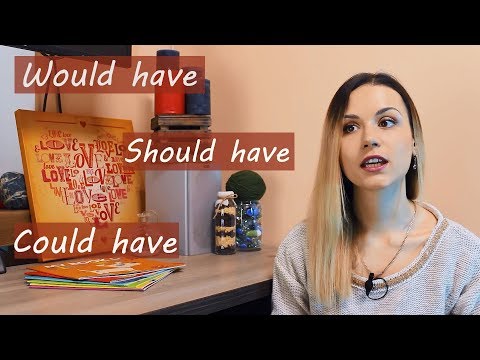
When and How to use Should have, Would have, Could have
0
林宜悉 posted on 2024/01/18Ever wish you could talk about past possibilities or regrets? This video breaks down exactly when and how to use 'should have,' 'would have,' and 'could have' with super clear examples and pronunciation tips! You'll be expressing yourself confidently in no time!
Learn this video on the APP!
The VoiceTube App has more in-depth practice for videos!