
bro
US /broʊ/
UK /brəʊ/
- Countable Noun
- Shortened form of 'brother'
B2Morecasual
US /ˈkæʒuəl/
UK /ˈkæʒuəl/
- Adjective
- Being careless or having little thought or effort
- (Of clothes, etc.) not formal; easy to wear
- Countable Noun
- A worker employed on a temporary or irregular basis.
- A job as a musician that is not regular or permanent.
A2Moreconfuse
US /kənˈfjuz/
UK /kənˈfju:z/
- Transitive Verb
- To make something unclear or hard to understand
- To mistake one person or thing for another.
A2Moreconversation
US /ˌkɑnvɚˈseʃən/
UK /ˌkɒnvəˈseɪʃn/
- Uncountable Noun
- Talking with other people; discussion or chat
- General communication or interaction.
A2Moredaily conversation
US
UK
- Uncountable Noun
- Informal talk about matters of common interest; everyday conversation.
A1Moredecide
US /dɪˈsaɪd/
UK /dɪ'saɪd/
- Verb (Transitive/Intransitive)
- To make a choice or choose after thinking about it
- To make a legal judgment in court
A2TOEICMoreexaggerate
US /ɪgˈzædʒəreɪt/
UK /ɪgˈzædʒəreɪt/
- Verb (Transitive/Intransitive)
- To makes things seem more extreme than reality
- To speak or write about something in a way that overemphasizes or magnifies its qualities.
B1TOEICMoreextremely
US /ɪk'strimlɪ/
UK /ɪkˈstri:mli/
- Adverb
- In a way that is much more than usual or expected
- Remarkably; unusually.
B1Morefor example
US
UK
- Phrase
- As an illustration or instance.
friendly
US /ˈfrɛndli/
UK /ˈfrendli/
- Adjective
- Acting like a friend; kind and helpful
- Easy to use or understand
- Noun
- Game played not in a competition
A2Moregoing on
US /ˈɡoɪŋ ɑn/
UK /ˈgəʊɪŋ ɔn/
- Phrasal Verb
- To continue doing something
- To happen (usually negative)
A1Morein writing
US
UK
- Phrase
- Expressed or presented in written form, rather than spoken.
- Officially recorded in a written document, especially for legal purposes.
A1Moreincredibly
US /ɪnˈkrɛdəblɪ/
UK /ɪnˈkredəbli/
- Adverb
- To a great degree; very; amazingly
- Extremely; so much so it is hard to believe
A2Moreinformal
US /ɪnˈfɔrməl/
UK /inˈfɔ:məl/
- Adjective
- Casual; relaxed
- Not official; not done by the rules
B1TOEICMorelaptop
US /ˈlæpˌtɑp/
UK /ˈlæptɒp/
- Countable Noun
- Portable computer small enough to use on your lap
A2Moreliterally
US /ˈlɪtərəli/
UK
- Adverb
- In a literal manner or sense; exactly as stated.
- Used for emphasis to describe something that is actually true, often to highlight surprise or intensity.
B1Morelook for
US /lʊk fɔr/
UK /luk fɔ:/
- Phrasal Verb
- To try to find a thing or person that is lost
- To expect or anticipate something.
A1Moremuse
US /mjuz/
UK /mju:z/
- Intransitive Verb
- To think about slowly or over a long period
B2TOEICMorenative
US /ˈnetɪv/
UK /ˈneɪtɪv/
- Noun (Countable/Uncountable)
- Someone from or born in a specific country
- Original inhabitant, e.g. before others
- Adjective
- Caused by natural ability; innate
A2Moreopinion
US /əˈpɪnjən/
UK /əˈpɪnjən/
- Noun
- Court judge's statement why a decision was made
- A person's thoughts on a topic
A2TOEICMorepanic
US /ˈpænɪk/
UK /'pænɪk/
- Uncountable Noun
- Overwhelming feeling of fear and anxiety
- Intransitive Verb
- To feel sudden anxiety and fear and cannot think
B1Morepersonally
US /ˈpəsənəli/
UK /ˈpɜ:sənəli/
- Adverb
- By a specific person, and not by anyone else
- Knowing someone as a friend, or closely
A2Morephrase
US /frez/
UK /freɪz/
- Noun
- Common expression or saying
- Section of musical notes in a piece of music
- Verb (Transitive/Intransitive)
- To choose words to say what you mean clearly
A2Moreproud
US /praʊd/
UK /praʊd/
- Adjective
- Very good; worthy of making one pleased
- Having or showing respect for yourself; having dignity.
B1TOEICMoreresponse
US /rɪˈspɑns/
UK /riˈspɔns/
- Noun
- Something said/written as an answer to something
- Reaction to something that has occurred
A2TOEICMorestranger
US /ˈstrendʒɚ/
UK /'streɪndʒə(r)/
- Noun
- Someone you do not know
A2Morestroll
US /strol/
UK /strəʊl/
- Intransitive Verb
- To walk slowly and in a relaxed manner
B2Morestupid
US /ˈstu:pɪd/
UK /ˈstju:pɪd/
- Adjective
- Not intelligent; lacking ability to learn easily
- Noun
- A stupid person.
A2Moretired
US /ˈtaɪərd/
UK /ˈtaɪəd/
- Adjective
- Without energy so you want to rest or fall asleep
- Transitive Verb
- To lose, cause to lose energy so you want to rest
B1Morevideo
US /ˈvɪdiˌo/
UK /'vɪdɪəʊ/
- Noun (Countable/Uncountable)
- Recording capturing action with sound
- A recording of moving visual images made digitally or on videotape.
- Transitive Verb
- To make a moving film of, with sound
- To make a video call.
A2Morevocabulary
US /voˈkæbjəˌlɛri/
UK /və'kæbjələrɪ/
- Uncountable Noun
- Words that have to do with a particular subject
- The words that a person knows
B1TOEICMoreweird
US /wɪrd/
UK /wɪəd/
- Adjective
- Odd or unusual; surprising; strange
- Eerily strange or disturbing.
B1More
Vocabulary
- for example: As an illustration or instance.
- look for: To try to find a thing or person that is lost
- in writing: Expressed or presented in written form, rather than spoken.
- going on: To continue doing something
- daily conversation: Informal talk about matters of common interest; everyday conversation.
- literally: In a literal manner or sense; exactly as stated.
- weird: Odd or unusual; surprising; strange
- incredibly: To a great degree; very; amazingly
- phrase: Common expression or saying
- extremely: In a way that is much more than usual or expected
- panic: Overwhelming feeling of fear and anxiety
- period: Set amount of time during which events take place
- matter: To be of great importance; to count
- exaggerate: To makes things seem more extreme than reality
- improve: To make, or become, something better
- native: Someone from or born in a specific country
- vocabulary: Words that have to do with a particular subject
- common: Area in a city or town that is open to everyone
- conversation: Talking with other people; discussion or chat
- opinion: Court judge's statement why a decision was made
- casual: Being careless or having little thought or effort
- deal: To cope with something - usually troubles
- response: Something said/written as an answer to something
- explain: To make clear or easy to understand by describing
- stroll: To walk slowly and in a relaxed manner
- mind: To be bothered or upset by something
- personally: By a specific person, and not by anyone else
- haven: Place where people can feel safe and happy
- informal: Casual; relaxed
- lot: What happens to a person in life from chance; fate
- important: Having power or authority
- sound: Sensible, dependable and reliable
- laptop: Portable computer small enough to use on your lap
- proud: Very good; worthy of making one pleased
- learn: To get knowledge or skills by study or experience
- decide: To make a choice or choose after thinking about it
- daily: Happening every day
- great: Very good; better than before
- remember: To give someone a gift, e.g. birthday, wedding
- stranger: Someone you do not know
- stupid: Not intelligent; lacking ability to learn easily
- confuse: To make something unclear or hard to understand
- video: Recording capturing action with sound
- tired: Without energy so you want to rest or fall asleep
- muse: To think about slowly or over a long period
- friendly: Acting like a friend; kind and helpful
- bro: Shortened form of 'brother'
Get the full experience in the app
Learn anywhere with detailed sentence and usage analysis
01:03
She took a brave step forward, leaving behind her comfort zone to chase her dreams.
Vocabulary
- brave
adj. Having courage
- comfort zone
phr. A familiar situation where one feels safe
Explanation
a brave step is a noun phrase, where brave is an adjective modifying the noun step, meaning "a courageous step".
forward is an adverb modifying step, meaning "ahead".
The whole phrase serves as the object, answering the "what" of took (verb) — she took a brave step forward.
Get the full experience in the app
Look up words anytime with pronunciation, part of speech, and usage
brave
US/brev/
UK/breɪv/
adj.Brave
v.t.To bravely face
A2 Elementary
Get the full experience in the app
Practice speaking anytime and get instant pronunciation feedback
Try this speaking exercise.
Try practicing with this sentence.
80
Common English Phrases for Conversation. Improve Your Vocabulary
0
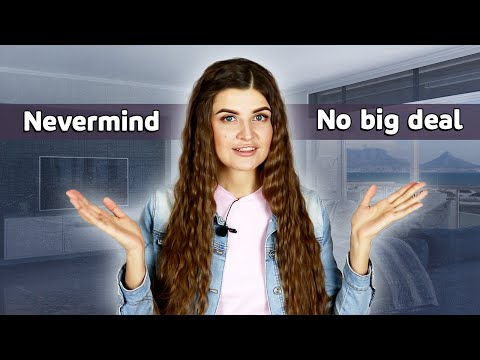
Julianne Sung posted on 2023/09/02Ever feel like you're missing out on the real way native speakers chat? This video is packed with 10 super useful, informal English phrases you'll hear every day, perfect for making your conversations sound natural! You'll learn simple sentence structures and practical dialogues that you can use right away.
Learn this video on the APP!
The VoiceTube App has more in-depth practice for videos!