
academic
US /ˌækəˈdɛmɪk/
UK /ˌækə'demɪk/
- Adjective
- Concerning education, schools, universities, etc.
- Concerning education, schools, universities, etc.
- Noun (Countable/Uncountable)
- Educator teaching at a college or university
- A subject taught at schools and universities.
B1Moreautopilot
US /ˈɔ:toʊpaɪlət/
UK /ˈɔ:təʊpaɪlət/
- Noun
- (For ships, planes) automatic navigational device
C2Moreawareness
US /əˈwɛrnɪs/
UK /əˈweənəs/
- Uncountable Noun
- Having knowledge of something
A2TOEICMoreburnout
US /ˈbɜ:rnaʊt/
UK /ˈbɜ:naʊt/
- Uncountable Noun
- When you get exhausted from the effort of your job
- Noun
- Action of making the wheels of your car make smoke
C2Morecharacter
US /ˈkærəktɚ/
UK /'kærəktə(r)/
- Noun
- Person in a story, movie or play
- Writing symbols, e.g. alphabet or Chinese writing
A2Morecope with
US /kop wɪð/
UK /kəup wið/
- Phrasal Verb
- To deal successfully with a difficult situation.
A1Morecuddly
US /ˈkʌdli/
UK /ˈkʌdli/
- Adjective
- That makes you want to bug them; plump or friendly
B2Moredecline
US /dɪˈklaɪn/
UK /dɪ'klaɪn/
- Intransitive Verb
- To bend towards the ground
- To slope downward.
- Verb (Transitive/Intransitive)
- To lessen in quality or value
A2TOEICMoredetach
US /dɪˈtætʃ/
UK /dɪˈtætʃ/
- Transitive Verb
- To send away a military unit on a special mission
- To separate something from something larger
B1Moredifferentiate
US /ˌdɪfəˈrɛnʃiˌet/
UK /ˌdɪfə'renʃɪeɪt/
- Verb (Transitive/Intransitive)
- To see or show how things are not the same
- Become distinct or specialized.
B1Moredisconnect
US /ˌdɪskəˈnɛkt/
UK /ˌdɪskəˈnekt/
- Transitive Verb
- To separate something from something else
- Noun
- State of being separated from something else
B2Moreeffort
US /ˈɛfət/
UK /ˈefət/
- Uncountable Noun
- Amount of work used trying to do something
- A conscious exertion of power; a try.
A2TOEICMoreembed
US /ɛmˈbɛd/
UK /ɪm'bed/
- Transitive Verb
- To place or set inside rock, etc.
- To integrate (something) into something else.
B2Moreemotional
US /ɪˈmoʃənəl/
UK /ɪˈməʊʃənl/
- Adjective
- Causing, feeling, or appealing to the emotions
- Relating to or characterized by emotion
A2Moreengage
US /ɪn'gedʒ/
UK /ɪn'ɡeɪdʒ/
- Transitive Verb
- To start to fight with an enemy
- To hire someone for a task or job
A2TOEICMoreexcessive
US /ɪkˈsɛsɪv/
UK /ɪkˈsesɪv/
- Adjective
- Beyond what is usual or proper
B2Morefatigue
US /fəˈtiɡ/
UK /fəˈti:g/
- Uncountable Noun
- Breaking due to being moved or bent many times
- Being very tired
- Transitive Verb
- To cause someone or something to become very tired
B2Morefeel like
US
UK
- Intransitive Verb
- To have a desire or inclination for something.
- To have a particular quality or sensation; resemble.
A1Moregroom
US /ɡrum, ɡrʊm/
UK /gru:m/
- Transitive Verb
- To make neat and smart in appearance
- To take care of an animal by brushing, cleaning it
- Countable Noun
- Man employed to brush, trim and clean horses
- Man who is, or who has recently married
B1TOEICMorehelplessness
US /ˈhɛlplɪsnɪs/
UK /'helpləsnəs/
- Uncountable Noun
- A feeling of being unable to manage
B1Morehoneymoon
US /ˈhʌniˌmun/
UK /'hʌnɪmu:n/
- Noun
- Holiday or trip taken by a newly married couple
B1Morein general
US /ɪn ˈdʒɛnərəl/
UK /in ˈdʒenərəl/
- Phrase
- Typically; usually; on the whole.
- Not specific or detailed; broadly.
- Adjective
- Not detailed or specific; overall.
C2Moreinstead of
US /ɪnˈstɛd ʌv/
UK /inˈsted ɔv/
- Preposition
- When one thing is replaced by another
- Adverb
- As a substitute or alternative.
A1Moreintense
US /ɪnˈtɛns/
UK /ɪn'tens/
- Adjective
- Very strong, great or extreme in degree
- Experiencing or showing great force or strength; extreme.
A2TOEICMoreirritable
US /ˈɪrɪtəbəl/
UK /ˈɪrɪtəbl/
- Adjective
- Annoyed; easily annoyed or angered
- Easily inflamed or sore.
B2Moreirritated
US
UK
- Transitive Verb
- To disturb, anger, or upset someone
- To make part of the body feel soreness and pain
- Adjective
- Annoyed, angered or upset
B1TOEICMoreknow about
US /noʊ əˈbaʊt/
UK /nəʊ əˈbaut/
- Phrasal Verb
- To have information or understanding of a subject or situation.
laid back
US /led bæk/
UK /leɪd bæk/
- Phrase
- Phrasal Verb
- To have reclined or lied down in a relaxed manner.
A2Moremental
US /ˈmɛntl/
UK /ˈmentl/
- Adjective
- Concerning the mind
A2TOEICMoremotivation
US /ˌmotəˈveʃən/
UK /ˌməʊtɪ'veɪʃn/
- Uncountable Noun
- Reason behind why someone did something
- Enthusiasm for doing something.
B1TOEICMoreneglect
US /nɪˈɡlɛkt/
UK /nɪ'ɡlekt/
- Uncountable Noun
- Act of failing to do something important, required
- State or condition of not receiving proper care
- Transitive Verb
- To not do something that is important or required
- To fail to take care of something; ignore
B1TOEICMoreon the other hand
US
UK
- Phrase
- Considering a different aspect of the matter; alternatively.
A1Moreoptimism
US /ˈɑptəˌmɪzəm/
UK /ˈɒptɪmɪzəm/
- Uncountable Noun
- Condition of having a positive outlook or belief
B2Moreout of control
US /aʊt ʌv kənˈtrol/
UK /aut ɔv kənˈtrəul/
- Adjective
- Impossible to manage or control.
- Not able to be directed or steered.
A1Moreoutside of
US /aʊtˈsaɪd ʌv/
UK /ˌautˈsaid ɔv/
- Preposition
- Located or situated beyond the boundaries or confines of something.
- Beyond the scope, range, or limits of something.
A1Moreover time
US /ˈovɚ taɪm/
UK /ˈəuvə taim/
- Phrase
- Gradually; as time passes.
- During a long period.
- Adverb
- Gradually; as time passes.
B1Moreoverlap
US /ˌoʊvərˈlæp/
UK /ˌəʊvəˈlæp/
- Verb (Transitive/Intransitive)
- To lie over or cover a part of something else
- To happen at the same time as another event
- Noun (Countable/Uncountable)
- Amount shared in the same space, form, idea
B1TOEICMoreoverlook
US /ˌoʊvərˈlʊk/
UK /ˌəʊvəˈlʊk/
- Transitive Verb
- To look down on; be able to see from
- To miss noticing a mistake or problem
B1TOEICMoreoverwhelming
US /ˌovɚˈhwɛlmɪŋ, -ˈwɛl-/
UK /ˌəʊvəˈwelmɪŋ/
- Transitive Verb
- To defeat something or someone completely
- To affect someone emotionally in a strong way
- Adjective
- Having too much to handle (e.g. work)
- Very great or very strong; so powerful that you cannot resist or decide how to react
B2Moreoverwork
US /ˌoʊvərˈwɜ:rk/
UK /ˌəʊvəˈwɜ:k/
- Transitive Verb
- To make someone work too long or too hard
- Uncountable Noun
- Working too long or too hard
B2Morepassionate
US /ˈpæʃənɪt/
UK /ˈpæʃənət/
- Adjective
- Being easily excited to strong emotions
- Having strong sexual desires
A2Morepersistent
US /pərˈsɪstənt/
UK /pəˈsɪstənt/
- Adjective
- Continuing to do something despite challenges
- Continuing to exist or occur for a long time.
C1TOEICMorephysical
US /ˈfɪzɪkəl/
UK /ˈfɪzɪkl/
- Countable Noun
- Health check at the doctors' or hospital
- Adjective
- Concerning the body of a person
- Concerning things that can be seen or touched
A2Morepositivity
US /ˌpɒzə'tɪvətɪ/
UK /ˌpɒzɪ'tɪvɪtɪ/
- Uncountable Noun
- Tendency to be positive or accepting
- The practice of being or tendency to be positive or optimistic in attitude.
B2Moreprioritize
US /praɪˈɔ:rətaɪz/
UK /praɪˈɒrətaɪz/
- Transitive Verb
- To rank things in importance
B1TOEICMorereach out
US /ritʃ aʊt/
UK /ri:tʃ aut/
- Phrasal Verb
- To attempt to communicate with someone.
- To offer help and support to someone.
B1Morerenewal
US /rɪˈnu:əl/
UK /rɪˈnju:əl/
- Uncountable Noun
- Action of making something more modern or like new
B1Moresevere
US /səˈvɪr/
UK /sɪ'vɪə(r)/
- Adjective
- Very bad; harsh
- (Of clothes, etc.) plain; simple; not decorated
A2TOEICMorespot
US /spɑt/
UK /spɒt/
- Noun
- A certain place or area
- A difficult time; awkward situation
- Transitive Verb
- To see someone or something by chance
A2TOEICMorestark
US /stɑ:rk/
UK /stɑ:k/
- Adjective
- Very clear and often unpleasant
B2Morestark contrast
US
UK
- Noun
- A sharp, clear, and obvious difference between two things.
stress
US / strɛs/
UK /stres/
- Transitive Verb
- To emphasize one or more parts of a word, sentence
- To put pressure on something or someone
- Noun (Countable/Uncountable)
- Emphasis on part of a word or sentence
- Pressure on something or someone
A2TOEICMorestruggle
US /ˈstrʌɡəl/
UK /'strʌɡl/
- Verb (Transitive/Intransitive)
- To try very hard to do something difficult
- To fight or struggle violently
- Noun (Countable/Uncountable)
- Strong efforts made to do something difficult
- A difficult or challenging situation or task
A2Moretake back
US /tek bæk/
UK /teik bæk/
- Phrasal Verb
- To say you no longer agree with an opinion you had
- To return something you bought to the store
- Transitive Verb
- To retract or withdraw a statement or claim.
- To regain possession of something.
A1Moretelltale
US /ˈtɛlˌtel/
UK /ˈtelteɪl/
- Noun
- Someone who discloses information intentionally
C2TOEICMoretend
US /tɛnd/
UK /tend/
- Intransitive Verb
- To move or act in a certain manner
- Transitive Verb
- To take care of
A2Moretrait
US /tret/
UK /treɪt/
- Noun (Countable/Uncountable)
- A particular characteristic that can produce a particular type of behavior
- A genetically determined characteristic or condition.
C2Moretrauma
US /ˈtraʊmə/
UK /'trɔ:mə/
- Noun (Countable/Uncountable)
- A very severe or upsetting experience
- Serious injury to part of the body
B2Moreused to
US /juzd tu/
UK /ˈju:st tə/
- Adjective
- Did regularly before, but don't do now
- Auxiliary Verb
- Have done before, but do not do now
A1Morevulnerable
US /ˈvʌlnərəbəl/
UK /ˈvʌlnərəbl/
- Adjective
- Being open to attack or damage
- Being easily harmed, hurt, or wounded
B1Morewellness
US /ˈwelnəs/
UK /ˈwelnəs/
- Uncountable Noun
- State of being happy, healthy or prosperous
C2Morewith it
US /wɪð ɪt/
UK /wið it/
- Adjective
- Intelligent, alert, and up-to-date.
- Understanding and knowledgeable about current trends or information.
A1Morewithdraw
US /wɪðˈdrɔ, wɪθ-/
UK /wɪð'drɔ:/
- Verb (Transitive/Intransitive)
- To take money out of a bank account
- To pull back; move away or backward from something
B1TOEICMorewithdraw from
US
UK
- Phrasal Verb
- To take out or remove (something) from a place or container.
- To stop participating in or being involved with something.
A1More
Vocabulary
- used to: Did regularly before, but don't do now
- feel like: To have a desire or inclination for something.
- with it: Intelligent, alert, and up-to-date.
- cope with: To deal successfully with a difficult situation.
- outside of: Located or situated beyond the boundaries or confines of something.
- take back: To say you no longer agree with an opinion you had
- over time: Gradually; as time passes.
- in general: Typically; usually; on the whole.
- out of control: Impossible to manage or control.
- laid back
- stark contrast: A sharp, clear, and obvious difference between two things.
- on the other hand : Considering a different aspect of the matter; alternatively.
- withdraw from: To take out or remove (something) from a place or container.
- know about: To have information or understanding of a subject or situation.
- instead of: When one thing is replaced by another
- reach out: To attempt to communicate with someone.
- vulnerable: Being open to attack or damage
- intense: Very strong, great or extreme in degree
- fatigue: Breaking due to being moved or bent many times
- struggle: To try very hard to do something difficult
- mental: Concerning the mind
- overwhelming: To defeat something or someone completely
- engage: To start to fight with an enemy
- prioritize: To rank things in importance
- trait: A particular characteristic that can produce a particular type of behavior
- physical: Health check at the doctors' or hospital
- effort: Amount of work used trying to do something
- trauma: A very severe or upsetting experience
- passionate: Being easily excited to strong emotions
- experience: Thing a person has done or that happened to them
- tend: To move or act in a certain manner
- character: Person in a story, movie or play
- severe: Very bad; harsh
- spot: A certain place or area
- develop: To explain something in steps and in detail
- motivation: Reason behind why someone did something
- emotional: Causing, feeling, or appealing to the emotions
- decline: To bend towards the ground
- stress: To emphasize one or more parts of a word, sentence
- excessive: Beyond what is usual or proper
- academic: Concerning education, schools, universities, etc.
- irritable: Annoyed; easily annoyed or angered
- awareness: Having knowledge of something
- state: Region within a country, with its own government
- persistent: Continuing to do something despite challenges
- neglect: Act of failing to do something important, required
- raise: To increase a bet above another when playing cards
- apply: To spread a substance or liquid over a surface
- interest: Best or most advantageous thing for someone
- optimism: Condition of having a positive outlook or belief
- groom: To make neat and smart in appearance
- withdraw: To take money out of a bank account
- irritated: To disturb, anger, or upset someone
- control: A device designed to operate a machine
- stark: Very clear and often unpleasant
- overlap: To lie over or cover a part of something else
- detach: To send away a military unit on a special mission
- cuddly: That makes you want to bug them; plump or friendly
- telltale: Someone who discloses information intentionally
- find: To become aware of something that is happening
- difference: A thing or issue that people do not agree about
- make: To arrange or prepare something e.g. dinner
- differentiate: To see or show how things are not the same
- start: First time or place that a thing exists; beginning
- snappy: Speaking or reacting irritably, with little reason
- moody: Showing sudden or wide variations in mood
- understand: To know the meaning of language, what someone says
- burn: To destroy with fire
- embed: To place or set inside rock, etc.
- burnout: When you get exhausted from the effort of your job
- overlook: To look down on; be able to see from
- wellness: State of being happy, healthy or prosperous
- positivity: Tendency to be positive or accepting
- autopilot: (For ships, planes) automatic navigational device
- disconnect: To separate something from something else
- renewal: Action of making something more modern or like new
- helplessness: A feeling of being unable to manage
- honeymoon: Holiday or trip taken by a newly married couple
- overwork: To make someone work too long or too hard
Get the full experience in the app
Learn anywhere with detailed sentence and usage analysis
01:03
She took a brave step forward, leaving behind her comfort zone to chase her dreams.
Vocabulary
- brave
adj. Having courage
- comfort zone
phr. A familiar situation where one feels safe
Explanation
a brave step is a noun phrase, where brave is an adjective modifying the noun step, meaning "a courageous step".
forward is an adverb modifying step, meaning "ahead".
The whole phrase serves as the object, answering the "what" of took (verb) — she took a brave step forward.
Get the full experience in the app
Look up words anytime with pronunciation, part of speech, and usage
brave
US/brev/
UK/breɪv/
adj.Brave
v.t.To bravely face
A2 Elementary
Get the full experience in the app
Practice speaking anytime and get instant pronunciation feedback
Try this speaking exercise.
Try practicing with this sentence.
80
0
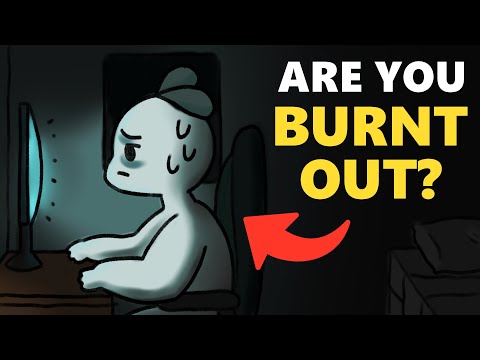
林宜悉 posted on 2023/10/13Feeling drained and detached? This video dives into the 6 key signs that you might be experiencing burnout, helping you understand the difference between burnout and laziness. You'll pick up advanced vocabulary and complex sentence structures while learning practical ways to recognize and address this silent struggle!
Learn this video on the APP!
The VoiceTube App has more in-depth practice for videos!