
apocalyptic
US /əˌpɑkəˈlɪptɪk/
UK /əˌpɒkəˈlɪptɪk/
- Adjective
- Involving great disaster or destruction
- Describing or prophesying the end of the world.
B2Morebasically
US /ˈbesɪkəli,-kli/
UK /ˈbeɪsɪkli/
- Adverb
- Used before you explain something simply, clearly
- In essence; when you consider the most important aspects of something.
A2Morebias
US /ˈbaɪəs/
UK /'baɪəs/
- Noun (Countable/Uncountable)
- Preference to believe things even if incorrect
- A systematic error in a statistical result
- Transitive Verb
- To unfairly favor one view over another
- To cause someone to have prejudice
B1TOEICMorebizarre
US /bɪˈzɑr/
UK /bɪˈzɑ:(r)/
- Adjective
- Odd or strange
B2Moreconstruction
US /kənˈstrʌkʃən/
UK /kən'strʌkʃn/
- Noun (Countable/Uncountable)
- Act of building something; thing that is built
- Something that is made using different parts
A2Morecurl
US /kɚrl/
UK /kɜ:l/
- Transitive Verb
- To form something into a round or curved shape
- Noun
- Something that has the shape of a curve or ring
B2Moredatum
US /ˈdetəm, ˈdætəm, ˈdɑtəm/
UK /ˈdeɪtəm/
- Noun
- Item of factual information
B1Moredelicious
US /dɪˈlɪʃəs/
UK /dɪˈlɪʃəs/
- Adjective
- Very pleasing to eat; especially pleasing
B1TOEICMoreeasy enough
US
UK
- Phrase
- Sufficiently easy; not too difficult.
- Acceptable or satisfactory in its ease.
A2Morefeel like
US
UK
- Intransitive Verb
- To have a desire or inclination for something.
- To have a particular quality or sensation; resemble.
A1Morefigure out
US /ˈfɪɡjɚ aʊt/
UK /ˈfiɡə aut/
- Phrasal Verb
- To understand the behavior of someone
- To think through logically to find a solution
- Verb (Transitive/Intransitive)
- To understand or find an answer to something.
- To find a solution to a problem or understand something.
A1Morefor sure
US /fɔr ʃʊr/
UK /fɔ: ʃuə/
- Adverb
- Definitely; certainly; without a doubt.
- Used to emphasize a statement.
- Interjection
- An expression of strong agreement or affirmation.
A2Morefrom birth
US
UK
- Phrase
- Since the time someone was born
- Inherently; from the beginning of life
B1Moregenerate
US /ˈdʒɛnəˌret/
UK /ˈdʒenəreɪt/
- Transitive Verb
- To create or be produced or bring into existence
- To create electricity, heat, energy and power
A2TOEICMoregiraffe
US /dʒəˈræf/
UK /dʒəˈrɑ:f/
- Noun (Countable/Uncountable)
- Tall African animal with very long neck and legs
C1Morego away
US /ɡo əˈwe/
UK /ɡəu əˈwei/
- Phrasal Verb
- To go on vacation
- To leave; depart.
A1Morego back to
US /ɡo bæk tu/
UK /ɡəu bæk tu:/
- Phrasal Verb
- To return to a starting point
A1Moregrow up
US /ɡro ʌp/
UK /ɡrəu ʌp/
- Phrasal Verb
- To develop from a child into an adult
A1Morehave to
US /hæv tu/
UK /ˈhæv tə/
- Auxiliary Verb
- Must do
A1Moreimagination
US /ɪˌmædʒəˈneʃən/
UK /ɪˌmædʒɪˈneɪʃn/
- Uncountable Noun
- Ability to creates new ideas and mental images
- Something that you imagine; an idea that you have in your mind.
A2TOEICMorein order to
US /ɪn ˈɔrdɚ tu/
UK /in ˈɔ:də tu:/
- Preposition
- For the purpose of; with the aim of.
- Phrase
- In a specific sequence or arrangement.
- With the aim of; for the purpose of.
C1Morein the world
US /ɪn ði wɜrld/
UK /in ðə wɜː(r)ld/
- Phrase
- Used to emphasize a question expressing surprise, confusion, or disbelief.
- Used to indicate the extent or degree of something, often in a superlative sense.
A1Moreindex
US /ˈɪnˌdɛks/
UK /ˈɪndeks/
- Noun (Countable/Uncountable)
- Number showing how prices, wages changed over time
- Written or printed (usually alphabetical) list
- Transitive Verb
- To adjust a value/wages as other things change
- To make a list of things in alphabetical order
A2TOEICMorelabel
US /ˈlebəl/
UK /'leɪbl/
- Noun (Countable/Uncountable)
- A (luxury) brand owned by a company
- A word or term used to describe a person, thing
- Transitive Verb
- To use a term to describe, often negatively
- To attach material to identify something
A2Morelook at
US /lʊk æt/
UK /luk æt/
- Phrasal Verb
- To use your eyes to focus on something
- To focus your eyes on something carefully
A1Moremargin
US /ˈmɑ:rdʒən/
UK /ˈmɑ:dʒɪn/
- Noun (Countable/Uncountable)
- Edge of an area
- Edge or border of a page on above, below
B1TOEICMorepalm
US /pɑ:m/
UK /pɑ:m/
- Noun (Countable/Uncountable)
- Inner area of a person's hand
- Tropical tree with large leaves only at its top
- Transitive Verb
- To hide something in your hand
- To push someone way with your hand
B1Morepattern
US /ˈpætən/
UK /'pætn/
- Noun (Countable/Uncountable)
- Model to follow in making or doing something
- Colors or shapes which are repeated on objects
- Transitive Verb
- To copy the way something else is made
- To decorate with a pattern.
A2TOEICMoreportrait
US /ˈpɔrtrɪt,-ˌtret,ˈpor-/
UK /ˈpɔ:trit/
- Noun
- Picture of a person's head and shoulders
- Detailed representation of someone in film, etc.
- Adjective
- A format in which the height is greater than the width.
- Relating to a photograph, painting, drawing, or engraving of a person.
B1Morequality
US /ˈkwɑlɪti/
UK /'kwɒlətɪ/
- Noun (Countable/Uncountable)
- Feature associated with someone or something
- High level of worth or excellence
- Adjective
- Of a high standard
A2TOEICMorerecognition
US /ˌrɛkəɡˈnɪʃən/
UK /ˌrekəgˈnɪʃn/
- Uncountable Noun
- Accepting that something is true or that it exists
- Considering something as important or special
B1TOEICMorerecognize
US /ˈrek.əɡ.naɪz/
UK /ˈrek.əɡ.naɪz/
- Transitive Verb
- To accept the truth or reality of something
- To consider something as important or special
A2TOEICMorerequire
US /rɪˈkwaɪr/
UK /rɪ'kwaɪə(r)/
- Transitive Verb
- To demand that someone does something
- To need to do something, to make it necessary
A2TOEICMorerobot
US /ˈroʊbɑ:t/
UK /ˈrəʊbɒt/
- Countable Noun
- Machine able perform more tasks that people can
- A person who acts in a mechanical or unemotional way.
B1Morerotate
US /ˈroʊteɪt/
UK /rəʊˈteɪt/
- Verb (Transitive/Intransitive)
- To regularly change people who perform a role
- To regularly change the crops that grow in a field
B2Morescale
US /skel/
UK /skeɪl/
- Noun (Countable/Uncountable)
- Size, level, or amount when compared
- Small hard plates that cover the body of fish
- Verb (Transitive/Intransitive)
- To change the size of but keep the proportions
- To climb something large (e.g. a mountain)
A2TOEICMorescenery
US /ˈsinəri/
UK /'si:nərɪ/
- Uncountable Noun
- Stage props during a play; a country view
- Natural views of an area
A2TOEICMoresober
US /ˈsobɚ/
UK /'səʊbə(r)/
- Adjective
- Not drunk
B1TOEICMorespend
US /spɛnd/
UK /spend/
- Transitive Verb
- To use money to pay for something
- To use time in order to do something
A2TOEICMorestuff
US /stʌf/
UK /stʌf/
- Uncountable Noun
- Generic description for things, materials, objects
- Transitive Verb
- To push material inside something, with force
B1Moreswear
US /swɛr/
UK /sweə(r)/
- Intransitive Verb
- To say bad or impolite words to someone
- Transitive Verb
- To make a serious promise to do something
B1Moretexture
US /ˈtɛkstʃɚ/
UK /ˈtekstʃə(r)/
- Noun (Countable/Uncountable)
- Quality from different elements, as in music
- Look and feel of a substance or material
- Transitive Verb
- To give a particular look or feel to a surface
B1Morethumb
US /θʌm/
UK /θʌm/
- Intransitive Verb
- To use your thumb to request a ride in a car
- Countable Noun
- Part of a glove that goes over the thumb
- The short, thick finger on the side of your hand
B1Moreton
US /tʌn/
UK /tʌn/
- Noun
- Unit of weight; 907 kilograms (US); 1016 (UK)
A2Moretrap
US /træp/
UK /træp/
- Countable Noun
- Device used for catching animals
- Vehicle pulled by a single horse
- Transitive Verb
- To use a device to catch animals or people
- To hold, e.g. a nerve, so that it cannot move
A2Moreumbrella
US /ʌmˈbrɛlə/
UK /ʌmˈbrelə/
- Noun
- Including many smaller things of the same type
- Countable Noun
- Thing you open over your head to keep rain off
- Something providing general protection or cover.
B1Moreused to
US /juzd tu/
UK /ˈju:st tə/
- Adjective
- Did regularly before, but don't do now
- Auxiliary Verb
- Have done before, but do not do now
A1Moreweird
US /wɪrd/
UK /wɪəd/
- Adjective
- Odd or unusual; surprising; strange
- Eerily strange or disturbing.
B1Morewithout knowing
US
UK
- Phrase
- Unaware; without being conscious of something.
- Unintentionally; without meaning to do something.
Vocabulary
- look at: To use your eyes to focus on something
- easy enough: Sufficiently easy; not too difficult.
- grow up: To develop from a child into an adult
- in the world: Used to emphasize a question expressing surprise, confusion, or disbelief.
- from birth: Since the time someone was born
- have to: Must do
- in order to: For the purpose of; with the aim of.
- without knowing: Unaware; without being conscious of something.
- figure out: To understand the behavior of someone
- go back to: To return to a starting point
- used to: Did regularly before, but don't do now
- for sure: Definitely; certainly; without a doubt.
- feel like: To have a desire or inclination for something.
- go away: To go on vacation
- stuff: Generic description for things, materials, objects
- weird: Odd or unusual; surprising; strange
- recognize: To accept the truth or reality of something
- pattern: Model to follow in making or doing something
- basically: Used before you explain something simply, clearly
- matter: To be of great importance; to count
- scale: Size, level, or amount when compared
- common: Area in a city or town that is open to everyone
- bizarre: Odd or strange
- bias: Preference to believe things even if incorrect
- texture: Quality from different elements, as in music
- quality: Feature associated with someone or something
- draw: To attract attention to someone or something
- portrait: Picture of a person's head and shoulders
- similar: Nearly the same; alike
- recognition: Accepting that something is true or that it exists
- require: To demand that someone does something
- swear: To say bad or impolite words to someone
- trap: Device used for catching animals
- generate: To create or be produced or bring into existence
- pretty: Being attractive to the eye in a simple way
- guess: To give an answer without knowing if it is correct
- sober: Not drunk
- construction: Act of building something; thing that is built
- thumb: To use your thumb to request a ride in a car
- palm: Inner area of a person's hand
- notice: To become aware by sight, touch, or hearing
- lot: What happens to a person in life from chance; fate
- margin: Edge of an area
- imagination: Ability to creates new ideas and mental images
- order: Religious or social group, as of nuns
- learn: To get knowledge or skills by study or experience
- spend: To use money to pay for something
- label: A (luxury) brand owned by a company
- ton: Unit of weight; 907 kilograms (US); 1016 (UK)
- act: To behave in a certain way
- detail: Small part of something; tiny fact
- index: Number showing how prices, wages changed over time
- curl: To form something into a round or curved shape
- scenery: Stage props during a play; a country view
- great: Very good; better than before
- change: To exchange one set of clothes for another
- find: To become aware of something that is happening
- delicious: Very pleasing to eat; especially pleasing
- apocalyptic: Involving great disaster or destruction
- rotate: To regularly change people who perform a role
- datum: Item of factual information
- robot: Machine able perform more tasks that people can
- giraffe: Tall African animal with very long neck and legs
- umbrella: Including many smaller things of the same type
Get the full experience in the app
Learn anywhere with detailed sentence and usage analysis
01:03
She took a brave step forward, leaving behind her comfort zone to chase her dreams.
Vocabulary
- brave
adj. Having courage
- comfort zone
phr. A familiar situation where one feels safe
Explanation
a brave step is a noun phrase, where brave is an adjective modifying the noun step, meaning "a courageous step".
forward is an adverb modifying step, meaning "ahead".
The whole phrase serves as the object, answering the "what" of took (verb) — she took a brave step forward.
Get the full experience in the app
Look up words anytime with pronunciation, part of speech, and usage
brave
US/brev/
UK/breɪv/
adj.Brave
v.t.To bravely face
A2 Elementary
Get the full experience in the app
Practice speaking anytime and get instant pronunciation feedback
Try this speaking exercise.
Try practicing with this sentence.
80
0
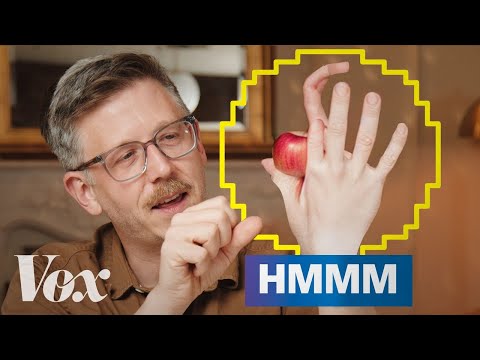
Nina Kuo posted on 2023/04/28Ever wondered why AI art models struggle to draw hands? This video dives into the fascinating technical reasons behind this common AI art problem, explaining how training data and pattern recognition play a huge role! You'll pick up some great new vocabulary related to AI and digital art while understanding why Midjourney and DALL-E can sometimes get it wrong.
Learn this video on the APP!
The VoiceTube App has more in-depth practice for videos!