
account for
US /əˈkaʊnt fɔr/
UK /əˈkaunt fɔ:/
- Phrasal Verb
- To explain the cause or reason for something
- To form a particular amount or part of something.
- Verb (Transitive/Intransitive)
- To supply a reason or explanation for something.
- To form a particular amount or proportion of something.
A1Moreapathy
US /ˈæpəθi/
UK /ˈæpəθi/
- Uncountable Noun
- Feeling of indifference; not caring about anything
B2Moreassessment
US /əˈsɛsmənt/
UK /əˈsesmənt/
- Noun
- Conclusion, opinion formed after due consideration
B1TOEICMoreassociation
US /əˌsoʊʃi'eɪʃn/
UK /əˌsəʊʃɪ'eɪʃn/
- Noun
- Organization of people with the same interest
B1TOEICMorebladder
US /ˈblædɚ/
UK /ˈblædə(r)/
- Noun
- Soft bag which holds liquid or air
- Part of the body that holds urine
B1Morecause
US /kɔz/
UK /kɔ:z/
- Noun
- Belief, goal or organization that people support
- Reason for
- Transitive Verb
- To make something happen; create effect or result
A2Morecompulsive
US /kəmˈpʌlsɪv/
UK /kəm'pʌlsɪv/
- Adjective
- Having difficulty to stop yourself doing something
- Acting as a result of an irresistible urge; addicted.
B2Morecondition
US /kənˈdɪʃən/
UK /kənˈdɪʃn/
- Transitive Verb
- To improve something to make it better
- To cause to behave automatically in a certain way
- Noun (Countable/Uncountable)
- Disease or other medical problem
- The state of living you are in, e.g. good health
A2Morecoordination
US /koʊˌɔ:rdɪˈneɪʃn/
UK /kəʊˌɔ:dɪˈneɪʃn/
- Uncountable Noun
- When parts of your body work well together
- Planning to meet a shared goal
B1Morecure
US /kjʊr/
UK /kjʊə(r)/
- Noun
- Something that solves a problem or makes it better
- Medical treatment making a sick person healthy
- Transitive Verb
- To fix or improve a problem
- To make someone healthy or make a disease go away
B1Moredegeneration
US /dɪˌdʒenəˈreɪʃn/
UK /dɪˌdʒenəˈreɪʃn/
- Uncountable Noun
- Process of gradual decline in condition/function
B2Moredementia
US /dɪˈmɛnʃə/
UK /dɪˈmenʃə/
- Uncountable Noun
- Illness characterized by loss of memory
B2Moredetermine
US /dɪˈtɚmɪn/
UK /dɪ'tɜ:mɪn/
- Transitive Verb
- To control exactly how something will be or act
- To establish the facts about; discover
A2TOEICMorediagnosis
US /ˌdaɪəgˈnoʊsɪs/
UK /ˌdaɪəgˈnəʊsɪs/
- Noun (plural)
- Judgments by a doctor about a person's illness
- Noun
- The identification of a disease or condition.
B1Moredisorder
US /dɪsˈɔrdɚ/
UK /dɪs'ɔ:də(r)/
- Uncountable Noun
- State of confusion or a lack of organization
- Illness when the body is not functioning well
- Transitive Verb
- To disrupt the order or arrangement of something.
B2Moredistract
US /dɪˈstrækt/
UK /dɪ'strækt/
- Transitive Verb
- To draw someone's attention away from something
B1TOEICMoredivide
US /dɪˈvaɪd/
UK /dɪ'vaɪd/
- Verb (Transitive/Intransitive)
- To split numbers by another number, e.g. 6 / 2 = 3
- To separate something into equal pieces
- Noun
- A separation or distinction.
A2TOEICMoreemission
US /ɪˈmɪʃən/
UK /iˈmɪʃn/
- Uncountable Noun
- A substance (e.g. gas) released into the air
- The act of emitting light or other radiation.
B2Moreextensive
US /ɪkˈstɛnsɪv/
UK /ɪkˈstensɪv/
- Adjective
- Large; full or complete
B1TOEICMoregenerally
US /ˈdʒɛnərəli/
UK /ˈdʒenrəli/
- Adverb
- Usually; as a rule; by, to or for most people
A2Moregenetic
US /dʒəˈnɛtɪk/
UK /dʒəˈnetɪk/
- Adjective
- Of, relating to, or controlled by genes
- Relating to genes or heredity.
B1Moregradually
US /ˈɡrædʒʊəlɪ/
UK /ˈgrædʒuəli/
- Adverb
- Occurring in a slow manner over a period of time
- Little by little; in a slow and progressive manner.
B1TOEICMorehygiene
US /ˈhaɪˌdʒin/
UK /ˈhaɪdʒi:n/
- Uncountable Noun
- Cleanliness; being clean
- Practices for maintaining personal cleanliness.
B2Moreidentify
US /aɪˈdɛntəˌfaɪ/
UK /aɪ'dentɪfaɪ/
- Transitive Verb
- To indicate who or what someone or something is
- To say exactly what something is
B1TOEICMoreindividual
US /ˌɪndəˈvɪdʒuəl/
UK /ˌɪndɪˈvɪdʒuəl/
- Countable Noun
- Single person, looked at separately from others
- A single thing or item, especially when part of a set or group.
- Adjective
- Made for use by one single person
- Having a distinct manner different from others
A2Moreinvolve
US /ɪnˈvɑlv/
UK /ɪn'vɒlv/
- Transitive Verb
- To have or be included as a part of something
- To cause (a person or group) to take part in an event or activity.
A2TOEICMorekidney
US /ˈkɪdni/
UK /'kɪdnɪ/
- Noun (Countable/Uncountable)
- Body organ that cleans blood, producing urine
- An animal kidney used as food.
- Adjective
- Relating to the kidneys.
- Having the shape of a kidney; bean-shaped.
B2Morelack
US /læk/
UK /læk/
- Verb (Transitive/Intransitive)
- To not have, or not have enough, of something
- Uncountable Noun
- The state of not having or not having enough of
A2TOEICMoreneurological
US /ˌnjʊrəˈlɑdʒɪkəl/
UK /ˌnjʊərəˈlɒdʒɪkl/
- Adjective
- Concerning, used in or practicing neurology
B2Moreoccur
US /əˈkɚ/
UK /əˈkɜ:(r)/
- Intransitive Verb
- To come to pass or to happen
- To be found to exist; to be present.
A2TOEICMoreof age
US /əv eɪdʒ/
UK /əv eɪdʒ/
- other
- Having reached the legal age of adulthood.
A2Moreoption
US /ˈɑpʃən/
UK /'ɒpʃn/
- Noun (Countable/Uncountable)
- A choice
- A right to buy or sell something at a particular price within a particular period.
A2TOEICMoreover time
US /ˈovɚ taɪm/
UK /ˈəuvə taim/
- Phrase
- Gradually; as time passes.
- During a long period.
- Adverb
- Gradually; as time passes.
B1Morepersonality
US /ˌpɚsəˈnælɪti/
UK /ˌpɜ:səˈnæləti/
- Noun (Countable/Uncountable)
- Way someone is or reacts to life or other people
- Person who is famous; celebrity
A2Moreprotein
US /ˈprəʊˌtiːn/
UK /ˈprəʊti:n/
- Noun (Countable/Uncountable)
- Group of molecules made from amino acids
B1Morerefer
US /rɪˈfɚ/
UK /rɪ'fɜ:(r)/
- Verb (Transitive/Intransitive)
- To talk about or write about something
- To give information about something
A2TOEICMorerepetitive
US /rɪˈpɛtɪtɪv/
UK /rɪˈpetətɪv/
- Adjective
- Doing or saying the same things many times
B2Moreresponsible
US / rɪˈspɑnsəbəl/
UK /rɪ'spɒnsəbl/
- Adjective
- Being the cause of something that has occurred
- Having the duty of dealing with something
A2TOEICMoreshrink
US /ʃrɪŋk/
UK /ʃrɪŋk/
- Intransitive Verb
- To become smaller
- Noun
- A rude name for a psychiatrist
B1Morestruggle
US /ˈstrʌɡəl/
UK /'strʌɡl/
- Verb (Transitive/Intransitive)
- To try very hard to do something difficult
- To fight or struggle violently
- Noun (Countable/Uncountable)
- Strong efforts made to do something difficult
- A difficult or challenging situation or task
A2Moresubscribe
US /səbˈskraɪb/
UK /səb'skraɪb/
- Verb (Transitive/Intransitive)
- To regularly pay to receive a service
B1TOEICMoresuch as
US /sʌtʃ æz/
UK /sʌtʃ æz/
- Preposition
- For example; like
A1Moretau
US /tɔ:/
UK /tɔ:/
- Noun
- 19th letter of the Greek alphabet
C1Moretemporal
US /ˈtɛmpərəl, ˈtɛmprəl/
UK /ˈtempərəl/
- Adjective
- Concerning time
- Relating to worldly affairs as opposed to spiritual affairs.
B2Morethe following
US
UK
- Adjective
- Next in order or sequence.
- Uncountable Noun
- What is about to be said or written.
B1Moretherapy
US /ˈθɛrəpi/
UK /'θerəpɪ/
- Noun (Countable/Uncountable)
- Treatment to help cure an illness
- Psychological counseling to help resolve personal or emotional problems.
B2Morevariety
US /vəˈraɪɪti/
UK /və'raɪətɪ/
- Noun
- Particular type of thing or person
- The quality or state of being different or diverse; the absence of uniformity, sameness, or monotony.
A2TOEICMorevisible
US /ˈvɪzəbəl/
UK /ˈvɪzəbl/
- Adjective
- Can see, easily seen or understood
B1TOEICMore
Vocabulary
- such as: For example; like
- of age: Having reached the legal age of adulthood.
- account for: To explain the cause or reason for something
- over time: Gradually; as time passes.
- the following: Next in order or sequence.
- subscribe: To regularly pay to receive a service
- struggle: To try very hard to do something difficult
- individual: Single person, looked at separately from others
- determine: To control exactly how something will be or act
- disorder: State of confusion or a lack of organization
- therapy: Treatment to help cure an illness
- hygiene: Cleanliness; being clean
- develop: To explain something in steps and in detail
- variety: Particular type of thing or person
- identify: To indicate who or what someone or something is
- distract: To draw someone's attention away from something
- protein: Group of molecules made from amino acids
- lack: To not have, or not have enough, of something
- dementia: Illness characterized by loss of memory
- divide: To split numbers by another number, e.g. 6 / 2 = 3
- shrink: To become smaller
- brain: To strike someone forcefully on the head
- personality: Way someone is or reacts to life or other people
- occur: To come to pass or to happen
- condition: To improve something to make it better
- gradually: Occurring in a slow manner over a period of time
- generally: Usually; as a rule; by, to or for most people
- association: Organization of people with the same interest
- genetic: Of, relating to, or controlled by genes
- behavior: The way a person or thing acts; manner
- cause: Belief, goal or organization that people support
- compulsive: Having difficulty to stop yourself doing something
- refer: To talk about or write about something
- account: An advantage
- involve: To have or be included as a part of something
- repetitive: Doing or saying the same things many times
- responsible: Being the cause of something that has occurred
- reason: To think and make conclusions in a logical manner
- option: A choice
- neurological: Concerning, used in or practicing neurology
- kidney: Body organ that cleans blood, producing urine
- extensive: Large; full or complete
- cure: Something that solves a problem or makes it better
- emission: A substance (e.g. gas) released into the air
- bladder: Soft bag which holds liquid or air
- assessment: Conclusion, opinion formed after due consideration
- visible: Can see, easily seen or understood
- manage: To survive hardships and difficulties; to cope
- diagnosis: Judgments by a doctor about a person's illness
- coordination: When parts of your body work well together
- control: A device designed to operate a machine
- language: Words or signs used to communicate messages
- worse: Comparative of 'bad'; more bad
- include: To make someone, something part of a group
- understand: To know the meaning of language, what someone says
- think: To have an idea about something without certainty
- apathy: Feeling of indifference; not caring about anything
- type: Printed letters or blocks used for printing them
- group: Two or more musicians who play music together
- temporal: Concerning time
- stay: To keep trying without giving up
- degeneration: Process of gradual decline in condition/function
- tau: 19th letter of the Greek alphabet
Get the full experience in the app
Learn anywhere with detailed sentence and usage analysis
01:03
She took a brave step forward, leaving behind her comfort zone to chase her dreams.
Vocabulary
- brave
adj. Having courage
- comfort zone
phr. A familiar situation where one feels safe
Explanation
a brave step is a noun phrase, where brave is an adjective modifying the noun step, meaning "a courageous step".
forward is an adverb modifying step, meaning "ahead".
The whole phrase serves as the object, answering the "what" of took (verb) — she took a brave step forward.
Get the full experience in the app
Look up words anytime with pronunciation, part of speech, and usage
brave
US/brev/
UK/breɪv/
adj.Brave
v.t.To bravely face
A2 Elementary
Get the full experience in the app
Practice speaking anytime and get instant pronunciation feedback
Try this speaking exercise.
Try practicing with this sentence.
80
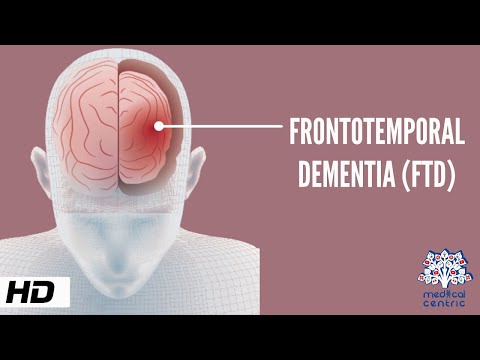
Frontotemporal Dementia, Causes, Signs and Symptoms, Diagnosis and Treatment.
0
林宜悉 posted on 2023/02/21Ever wondered about Frontotemporal Dementia? This video dives deep into its causes, signs, and symptoms, plus how it's diagnosed and treated, making it a fantastic way to boost your vocabulary with terms like 'apathy' and 'tau protein'! You'll gain valuable knowledge while picking up some advanced medical terms that are super useful for understanding complex health topics.
Learn this video on the APP!
The VoiceTube App has more in-depth practice for videos!