
accent
US /ˈækˌsɛnt/
UK /'æksent/
- Transitive Verb
- To give emphasis to (a point you are making)
- Noun
- Feature of a design, e.g. a stripe on a shirt
- Correct spoken emphasis on a part of a word
A2Moreaccommodate
US /əˈkɑ:mədeɪt/
UK /əˈkɒmədeɪt/
- Transitive Verb
- To adapt or handle a situation, task
- To fit in with others' needs, opinions
B1TOEICMoreaccount for
US /əˈkaʊnt fɔr/
UK /əˈkaunt fɔ:/
- Phrasal Verb
- To explain the cause or reason for something
- To form a particular amount or part of something.
- Verb (Transitive/Intransitive)
- To supply a reason or explanation for something.
- To form a particular amount or proportion of something.
A1Moreadjacent
US /əˈdʒesənt/
UK /əˈdʒeɪsnt/
- Adjective
- Being close or near to a border, wall, or point
- (In geometry) having a common vertex and side.
B1Moreaffect
US /əˈfɛkt/
UK /ə'fekt/
- Transitive Verb
- To cause a change in something else
- To pretend to have or feel (something).
- Noun
- (Psychology) Emotion or feeling.
A2TOEICMoreafloat
US /əˈflot/
UK /əˈfləʊt/
- Adjective
- Remaining on top of a liquid; floating
B2Moreanalysis
US /əˈnælɪsɪs/
UK /əˈnæləsɪs/
- Uncountable Noun
- Careful study to better understand something
B1TOEICMoreat a time
US /æt e taɪm/
UK /æt ə taim/
- Phrase
- Separately; one by one
- Simultaneously; together
A1Moreat least
US /æt list/
UK /æt li:st/
- Adverb
- As a minimum
- Not less than
- Phrase
- No less than; at the minimum
- Used to indicate that something is positive in a bad situation.
C2Moreat sea
US /æt si/
UK /æt si:/
- Phrase
- Adjective
- Confused; not knowing what to do.
A1Morebased on
US
UK
- Phrasal Verb
- To use something as the foundation or starting point for something else.
- Preposition
- Using something as the main idea or foundation.
- Relying on something as evidence or justification.
A1Morebreach
US /britʃ/
UK /bri:tʃ/
- Transitive Verb
- To break laws or barriers (e.g. walls)
B1TOEICMorecapacity
US /kəˈpæsɪti/
UK /kə'pæsətɪ/
- Noun (Countable/Uncountable)
- Ability to hold, involve or contain (e.g. liquids)
- Largest amount of something that can be produced
B1Morecollision
US /kəˈlɪʒən/
UK /kəˈlɪʒn/
- Noun
- Act of crashing into someone or something else
- A clash of opposing ideas or interests.
B2Morecommunicate
US /kəˈmjunɪˌket/
UK /kə'mju:nɪkeɪt/
- Verb (Transitive/Intransitive)
- To give and exchange information
- To convey or make known (information, feelings, etc.)
A2Morecommunication
US /kəˌmjunɪˈkeʃən/
UK /kəˌmju:nɪ'keɪʃn/
- Noun (Countable/Uncountable)
- Talking to people; giving information to people
- The process of conveying information, ideas, or feelings through language or other means.
A2Moreconfidence
US /ˈkɑnfɪdəns/
UK /'kɒnfɪdəns/
- Uncountable Noun
- Feeling that you can do well at something
- Feeling you can trust someone
A2Moreconvention
US /kənˈvɛnʃən/
UK /kənˈvenʃn/
- Noun (Countable/Uncountable)
- Official agreement between two or more countries
- Large formal assembly, e.g. to make laws
- Adjective
- Concerning a large formal assembly or meeting
A2TOEICMorecrew
US /kru/
UK /kru:/
- Countable Noun
- Organized group of workers (e.g. on a ship)
- Skilled group of people working together on a task
- Intransitive Verb
- To work as part of a crew.
A2TOEICMoredeck
US /dɛk/
UK /dek/
- Noun
- Floor built into a ship, bus, plane or home
- Transitive Verb
- To hit someone hard enough to knock them down
B1Moredip
US /dɪp/
UK /dɪp/
- Intransitive Verb
- To decrease or lower temporarily
- Noun (Countable/Uncountable)
- Food or sauce eaten with crackers/raw vegetables
- Place on surface (e.g. a road) lower than the rest
B1Moredisaster
US /dɪˈzæstɚ, -ˈsæs-/
UK /dɪ'zɑ:stə(r)/
- Noun (Countable/Uncountable)
- State of extreme ruin and misfortune
- A complete failure.
- Uncountable Noun
- A situation that has gone terribly wrong.
A2Moredistress
US /dɪˈstrɛs/
UK /dɪ'stres/
- Uncountable Noun
- State of great sadness, anxiety or pain
- Condition of danger or emergency
- Transitive Verb
- To cause someone anxiety or sadness
- To be in financial trouble
B1Moredown with
US /daʊn wɪð/
UK /daun wið/
- Adjective
- Suffering from an illness.
- Agreeable to; in favor of.
- Interjection
- An expression of opposition to something.
A1Moreevacuate
US /ɪˈvækjuˌet/
UK /ɪ'vækjʊeɪt/
- Transitive Verb
- To move people from dangerous to a safe places
B2Moreexcept for
US /ɪkˈsɛpt fɔr/
UK /ikˈsept fɔ:/
- Preposition
- Not including; excluding.
flaw in
US
UK
- Noun
- A defect or imperfection in something.
- A weakness or error in an argument or reasoning.
flood
US /flʌd/
UK /flʌd/
- Verb (Transitive/Intransitive)
- To quickly appear unexpectedly and in volume
- (Of liquid) to fill or cover something completely
- Noun (Countable/Uncountable)
- A quick unexpectedly volume of something
- Large number of people or things arriving at once
B1Moreforensic
US /fəˈrɛnsɪk,-zɪk/
UK /fəˈrensɪk/
- Adjective
- Establishing facts or evidence in investigations
B2Morehave at
US
UK
- Phrasal Verb
- To attack someone or something.
- To begin doing something with enthusiasm.
A1Moreiceberg
US /ˈaɪsˌbə:ɡ/
UK /'aɪsbɜ:ɡ/
- Noun (Countable/Uncountable)
- Very large mass of floating ice in the sea
B1MoreIn the event of
US
UK
- Phrase
- If something happens, especially something undesirable
A1Morein the world
US /ɪn ði wɜrld/
UK /in ðə wɜː(r)ld/
- Phrase
- Used to emphasize a question expressing surprise, confusion, or disbelief.
- Used to indicate the extent or degree of something, often in a superlative sense.
A1Morelaunch
US /lɔntʃ, lɑntʃ/
UK /lɔ:ntʃ/
- Noun
- Starting a new project; introducing new product
- Act of firing rockets into the air
- Transitive Verb
- To start a new project; start selling a product
- To put a rocket into the air
A2TOEICMorelifeboat
US /ˈlaɪfˌbot/
UK /'laɪfbəʊt/
- Countable Noun
- Strong boat designed to rescue people at sea
B2Moreliner
US /ˈlaɪnɚ/
UK /ˈlaɪnə(r)/
- Noun
- Material used to cover the inside surface of
B2Moreminimum
US /ˈmɪnəməm/
UK /ˈmɪnɪməm/
- Noun (Countable/Uncountable)
- Smallest degree or level that is acceptable
- The lowest recorded or expected temperature.
- Adjective
- Smallest or lowest; the least possible.
- Using or requiring the least possible resources.
B1TOEICMorenecessity
US /nəˈsɛsɪti/
UK /nəˈsesəti/
- Noun (Countable/Uncountable)
- Something that you must have or do
- The state of being forced to do something because it is required.
B1TOEICMorenews article
US
UK
- Noun (Countable/Uncountable)
- A written report in a newspaper or magazine, or on a website, presenting news or information.
- A piece of writing that reports on a recent event or situation, often including analysis or commentary.
B1Moreoff the radio
US /ɔf ðə ˈreɪdio/
UK /ɒf ðə ˈreɪdɪəʊ/
- Phrase
- No longer broadcast on radio stations.
B2Moreon board
US /ɑn bɔrd/
UK /ɔn bɔ:d/
- Phrase
- Being on a ship, plane, or other vehicle
- Adverb
- On or in a ship, aircraft, train, or other vehicle
A1Moreperspective
US /pɚˈspɛktɪv/
UK /pə'spektɪv/
- Noun (Countable/Uncountable)
- Artistic method of creating a sense of distance
- Ability to understand what is important in life
B1TOEICMoreprove
US /pruv/
UK /pru:v/
- Transitive Verb
- To demonstrate truth by providing evidence
- To test the quality or worth of something.
- Intransitive Verb
- To turn out to be; be found to be.
A2TOEICMorereach
US /ritʃ/
UK /ri:tʃ/
- Verb (Transitive/Intransitive)
- To come to or arrive at a goal or destination
- To be long enough to get to a certain place
- Uncountable Noun
- Power or control someone has over something
A2TOEICMorerequire
US /rɪˈkwaɪr/
UK /rɪ'kwaɪə(r)/
- Transitive Verb
- To demand that someone does something
- To need to do something, to make it necessary
A2TOEICMorerescue
US /ˈrɛskju/
UK /'reskju:/
- Transitive Verb
- To save someone who is in danger or in trouble
- To provide financial assistance to save a company or economy from collapse.
- Noun (Countable/Uncountable)
- Act of saving someone in danger or in trouble
- An act of saving someone or something from a dangerous or difficult situation.
A2TOEICMoreseal
US /sil/
UK /si:l/
- Transitive Verb
- To close tightly to protect it from leaking
- To close an envelop or package
- Noun
- Large fish-eating animal that lives on sea or land
- Official mark made in hot wax to close a document
B1Moresink
US /sɪŋk/
UK /sɪŋk/
- Transitive Verb
- To push something down into the ground
- To dig (a well)
- Countable Noun
- Large bowl in a kitchen or washroom for washing
A2TOEICMoresonar
US /ˈsoʊnɑ:(r)/
UK /ˈsəʊnɑ:(r)/
- Noun
- System using sound waves to detect objects
C1Morestay afloat
US
UK
- Intransitive Verb
- To have enough money to pay what you owe; to survive financially.
telegraph
US /ˈtelɪgræf/
UK /ˈtelɪgrɑ:f/
- Transitive Verb
- To signal to someone without speaking
- To send messages using electric wires
- Noun
- Messaging system using wires and electric signals
C2Moretitanic
US /taɪˈtænɪk/
UK /taɪ'tænɪk/
- Adjective
- Concerning great force or power
- Having catastrophic or disastrous proportions.
- Proper Noun
- A British passenger liner that sank in the North Atlantic Ocean in 1912, after striking an iceberg during her maiden voyage.
C2Moreto let
US /tu lɛt/
UK /tu let/
- Preposition
- Indicates that a property is available for rent.
A2Moretragic
US /ˈtrædʒɪk/
UK /ˈtrædʒɪk/
- Adjective
- (Of a play, movie, or book) with a sad ending
- Causing great sadness, e.g. due to untimely death
B1Morevictor
US /ˈvɪktər/
UK /'vɪktə(r)/
- Countable Noun
- Person who wins a game or other competition
B2Morewaste
US /west/
UK /weɪst/
- Transitive Verb
- To kill or severely harm someone
- To use valuable things ineffectively
- Uncountable Noun
- Materials left over after a process has finished
A2TOEICMorewaterline
US /ˈwɔːtərlaɪn/
UK /ˈwɔ:təlaɪn/
- Noun
- Line painted on ship to show safe limit of water
C2Morewireless
US /ˈwaɪrlɪs/
UK /'waɪələs/
- Adjective
- Needing no wires to make something operate
B2Morewith it
US /wɪð ɪt/
UK /wið it/
- Adjective
- Intelligent, alert, and up-to-date.
- Understanding and knowledgeable about current trends or information.
A1More
Vocabulary
- on board: Being on a ship, plane, or other vehicle
- stay afloat: To have enough money to pay what you owe; to survive financially.
- at least: As a minimum
- at sea
- have at: To attack someone or something.
- except for: Not including; excluding.
- news article: A written report in a newspaper or magazine, or on a website, presenting news or information.
- in the world: Used to emphasize a question expressing surprise, confusion, or disbelief.
- based on: To use something as the foundation or starting point for something else.
- to let: Indicates that a property is available for rent.
- at a time: Separately; one by one
- off the radio: No longer broadcast on radio stations.
- with it: Intelligent, alert, and up-to-date.
- account for: To explain the cause or reason for something
- In the event of: If something happens, especially something undesirable
- flaw in: A defect or imperfection in something.
- down with: Suffering from an illness.
- perspective: Artistic method of creating a sense of distance
- accent: To give emphasis to (a point you are making)
- capacity: Ability to hold, involve or contain (e.g. liquids)
- confidence: Feeling that you can do well at something
- describe: To tell the appearance, sound, smell of something
- accommodate: To adapt or handle a situation, task
- distress: State of great sadness, anxiety or pain
- affect: To cause a change in something else
- reach: To come to or arrive at a goal or destination
- disaster: State of extreme ruin and misfortune
- require: To demand that someone does something
- launch: Starting a new project; introducing new product
- board: Surface for posting or showing information
- create: To make, cause, or bring into existence
- crew: Organized group of workers (e.g. on a ship)
- communicate: To give and exchange information
- seal: To close tightly to protect it from leaking
- convention: Official agreement between two or more countries
- tragic: (Of a play, movie, or book) with a sad ending
- sink: To push something down into the ground
- dip: To decrease or lower temporarily
- breach: To break laws or barriers (e.g. walls)
- prove: To demonstrate truth by providing evidence
- rescue: To save someone who is in danger or in trouble
- collision: Act of crashing into someone or something else
- waste: To kill or severely harm someone
- communication: Talking to people; giving information to people
- analysis: Careful study to better understand something
- hit: To have a negative impact on a person/place/thing
- evacuate: To move people from dangerous to a safe places
- build: Your physical shape; physique
- support: To give assistance or advice to someone
- piece: A counter in a board game
- necessity: Something that you must have or do
- deck: Floor built into a ship, bus, plane or home
- flood: To quickly appear unexpectedly and in volume
- wrong: Action that is harmful, unjust or illegal
- rise: To wake up and get out of bed after sleeping
- head: To hit a ball with your head in a game
- forensic: Establishing facts or evidence in investigations
- minimum: Smallest degree or level that is acceptable
- make: To arrange or prepare something e.g. dinner
- adjacent: Being close or near to a border, wall, or point
- world: All the humans, events, activities on the earth
- side: To decide to agree with one point, not the other
- work: The product of some artistic or literary endeavor
- design: To plan in a particular way to fulfill a purpose
- iceberg: Very large mass of floating ice in the sea
- afloat: Remaining on top of a liquid; floating
- wireless: Needing no wires to make something operate
- telegraph: To signal to someone without speaking
- liner: Material used to cover the inside surface of
- titanic: Concerning great force or power
- sonar: System using sound waves to detect objects
- victor: Person who wins a game or other competition
- lifeboat: Strong boat designed to rescue people at sea
- waterline: Line painted on ship to show safe limit of water
Get the full experience in the app
Learn anywhere with detailed sentence and usage analysis
01:03
She took a brave step forward, leaving behind her comfort zone to chase her dreams.
Vocabulary
- brave
adj. Having courage
- comfort zone
phr. A familiar situation where one feels safe
Explanation
a brave step is a noun phrase, where brave is an adjective modifying the noun step, meaning "a courageous step".
forward is an adverb modifying step, meaning "ahead".
The whole phrase serves as the object, answering the "what" of took (verb) — she took a brave step forward.
Get the full experience in the app
Look up words anytime with pronunciation, part of speech, and usage
brave
US/brev/
UK/breɪv/
adj.Brave
v.t.To bravely face
A2 Elementary
Get the full experience in the app
Practice speaking anytime and get instant pronunciation feedback
Try this speaking exercise.
Try practicing with this sentence.
80
0
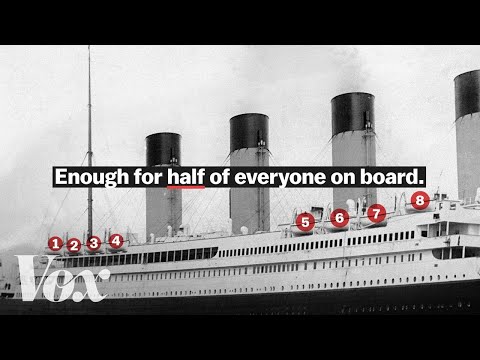
Minjane posted on 2023/02/18Ever wondered why the Titanic didn't have enough lifeboats? This fascinating video dives into the ship's design, the regulations of the time, and the surprising reasons behind the shortage. You'll pick up advanced vocabulary related to maritime history and engineering while learning some incredible facts!
Learn this video on the APP!
The VoiceTube App has more in-depth practice for videos!