
along with
US /əˈlɔŋ wɪð/
UK /əˈlɔŋ wið/
- Preposition
- In addition to; together with.
- Adverb
- In company or together with someone or something.
- Including; in addition to.
A2Moreat a cost
US
UK
- Phrase
- Involving loss or sacrifice.
- Involving a specified amount of money.
A1Moreat the most
US /ət ðə ˈmoʊst/
UK /ət ðə ˈməust/
- other
- No more than; maximum amount or degree.
A2Morecivil
US /ˈsɪvəl/
UK /ˈsɪvl/
- Adjective
- Of citizens of a country; not military, criminal
- Acting in a polite, but not truly friendly manner
B1Morecollapse
US /kəˈlæps/
UK /kə'læps/
- Verb (Transitive/Intransitive)
- To fold (e.g. a stroller) down to make it smaller
- To suddenly fall down or break apart into pieces
- Noun
- The sudden failure of a structure or system.
- The sudden failure of a bodily organ or function.
B1Morecomplex
US /kəmˈplɛks, ˈkɑmˌplɛks/
UK /'kɒmpleks/
- Countable Noun
- Group of buildings all used for the same purpose
- Adjective
- Not being simple; having many parts or aspects
A2Moreconcrete
US /kɑnˈkrit, kɑŋ-, ˈkɑnˌkrit, ˈkɑŋ-/
UK /'kɒŋkri:t/
- Uncountable Noun
- Hard building material made of cement, sand, water
- Transitive Verb
- To cover or make with a hard grey building material
- To lay or cover with concrete.
B1Morecorruption
US /kəˈrʌpʃən/
UK /kəˈrʌpʃn/
- Uncountable Noun
- State of being damaged or spoiled
- Illegal, immoral dishonesty
B1Morecrack
US /kræk/
UK /kræk/
- Noun (Countable/Uncountable)
- Attempt to achieve a goal or objective
- Unexpected and hard hit to the body
- Verb (Transitive/Intransitive)
- To attempt to achieve a goal or objective
- To hit someone or something hard and unexpectedly
B1Morecracking down
US
UK
- Phrasal Verb
- To act forcefully in order to reduce crime, etc.
B1Morecrumble
US /ˈkrʌmbəl/
UK /ˈkrʌmbl/
- Intransitive Verb
- To break into small parts or crumbs
B2Moredefect
US /ˈdiˌfɛkt, dɪˈfɛkt/
UK /ˈdi:fekt/
- Noun
- Fault in someone or something
- Intransitive Verb
- To move to another country for political reasons
B1TOEICMoredensely
US /ˈdɛnslɪ/
UK /denslɪ/
- Adverb
- Thickly (filled or covered)
B1Moredestruction
US /dɪˈstrʌkʃən/
UK /dɪ'strʌkʃn/
- Noun
- Act of destroying; damaging beyond repair
- The state of being destroyed or ruined.
B1TOEICMoredisaster
US /dɪˈzæstɚ, -ˈsæs-/
UK /dɪ'zɑ:stə(r)/
- Noun (Countable/Uncountable)
- State of extreme ruin and misfortune
- A complete failure.
- Uncountable Noun
- A situation that has gone terribly wrong.
A2Moredrill
US /drɪl/
UK /drɪl/
- Noun (Countable/Uncountable)
- A machine that makes holes with a metal bit
- Exercise done to learn military skills
- Transitive Verb
- To make a deep hole to find oil, gas etc.
- To put a hole in something by using a boring tool
B1TOEICMoredue to
US /du tu/
UK /dju: tu:/
- Preposition
- Because of; owing to
- Adjective
- Attributable to; caused by.
A1Moreemphasize
US /ˈɛmfəˌsaɪz/
UK /'emfəsaɪz/
- Transitive Verb
- To stress the items that are important
B2TOEICMoreexacerbate
US /ɪɡˈzæsɚˌbet/
UK /ɪɡ'zæsəbeɪt/
- Transitive Verb
- To increase the severity or bitterness of
B2Moreexecute
US /ˈɛksɪˌkjut/
UK /ˈeksɪkju:t/
- Transitive Verb
- To kill someone, usually as an official punishment
- To perform a plan or action
B1TOEICMoreextra
US /'ekstrə/
UK /'ekstrə/
- Adjective
- More than necessary; additional
- Of especially good quality or grade.
- Noun (Countable/Uncountable)
- Items more than you need; additional items
- Person who has a small part in a movie
A2Morefriction
US /ˈfrɪkʃən/
UK /ˈfrɪkʃn/
- Uncountable Noun
- Disagreement between two or more people
- Force preventing motion between bodies in contact
B2Morehave to
US /hæv tu/
UK /ˈhæv tə/
- Auxiliary Verb
- Must do
A1Morehistorically
US /hɪsˈtɔrɪkl:ɪ/
UK /hɪ'stɒrɪklɪ/
- Adverb
- In history; in the past
B1Moreignore
US /ɪɡˈnɔr, -ˈnor/
UK /ɪɡ'nɔ:(r)/
- Transitive Verb
- To not listen to, look at, or pay attention to
A2TOEICMoreimpact
US /ˈɪmˌpækt/
UK /'ɪmpækt/
- Noun
- A striking effect or result to hit with force
- Act or force of one thing hitting something else
- Verb (Transitive/Intransitive)
- To hit or strike someone or something with force
- To have a strong effect on someone or something.
A2TOEICMorein fact
US /ɪn fækt/
UK /in fækt/
- Adverb
- Used to emphasize the truth of a statement, especially one that contrasts with or contradicts something else.
- Used to introduce a more detailed or surprising piece of information.
- Phrase
- Used to emphasize the truth of a statement, especially one that is surprising or contrary to what might be expected.
C1MoreIn the event of
US
UK
- Phrase
- If something happens, especially something undesirable
A1Moreinevitable
US /ɪnˈɛvɪtəbəl/
UK /ɪnˈevɪtəbl/
- Adjective
- That must happen; certain to happen
- Sure to occur or happen
- Noun (Countable/Uncountable)
- A situation that is unavoidable
- Things that cannot be avoided
A2Moreintensity
US /ɪnˈtɛnsɪti/
UK /ɪn'tensətɪ/
- Uncountable Noun
- Great energy, strength, or concentration
- The quality of being intense; the degree or amount of strength, force, etc.
A2TOEICMoreleft open
US
UK
- Adjective
- Not closed, ajar.
- Available; not yet filled or decided.
look at
US /lʊk æt/
UK /luk æt/
- Phrasal Verb
- To use your eyes to focus on something
- To focus your eyes on something carefully
A1Moreneglect
US /nɪˈɡlɛkt/
UK /nɪ'ɡlekt/
- Uncountable Noun
- Act of failing to do something important, required
- State or condition of not receiving proper care
- Transitive Verb
- To not do something that is important or required
- To fail to take care of something; ignore
B1TOEICMoreovercrowd
US /ˌoʊvə'kraʊd/
UK /ˌəʊvə'kraʊd/
- Transitive Verb
- To have too many people or things in
B2Morepancake
US /ˈpænˌkek/
UK /ˈpænkeɪk/
- Countable Noun
- Flat cake of fried on both sides on a griddle, etc.
B2Moreplan on
US /plæn ɑn/
UK /plæn ɔn/
- Phrasal Verb
- To intend to do something; to expect to do something.
A1Morepotential
US /pəˈtɛnʃəl/
UK /pəˈtenʃl/
- Adjective
- Capable of happening or becoming reality
- Having or showing the capacity to develop into something in the future.
- Uncountable Noun
- someone's or something's ability to develop, achieve, or succeed
A2TOEICMoreprone
US /proʊn/
UK /prəʊn/
- Adjective
- Lying flat with your head facing the ground
- Likely to have, do or be (usually something bad)
B2TOEICMorereel
US /ril/
UK /ri:l/
- Transitive Verb
- To wind something in on a reel; pull something in
C1Moreregion
US /ˈridʒən/
UK /'ri:dʒən/
- Noun (Countable/Uncountable)
- Part of a country, of the world, area, etc.
- A part of the body
A2TOEICMorereinforce
US /ˌri:ɪnˈfɔ:rs/
UK /ˌri:ɪnˈfɔ:s/
- Transitive Verb
- To send more troops/resources to support an army
- To encourage or strengthen an idea or feeling
B2TOEICMoreremain
US /rɪˈmen/
UK /rɪˈmeɪn/
- Intransitive Verb
- To be left behind; to continue to exist
- To stay in a place when other people have gone
A2TOEICMoreremainder
US /rɪˈmendɚ/
UK /rɪ'meɪndə(r)/
- Noun (Countable/Uncountable)
- What is left over after the larger part is gone
- Number left over after subtracting
B1Moreresidential
US /ˌrɛzɪˈdɛnʃəl/
UK /ˌrezɪˈdenʃl/
- Adjective
- Concerning patients staying in a hospital
- Being used for private homes
B1TOEICMorerule out
US /rul aʊt/
UK /ru:l aut/
- Phrasal Verb
- To eliminate as a possibility; exclude.
A1Moreseismic
US /ˈsaɪzmɪk/
UK /ˈsaɪzmɪk/
- Adjective
- Of earthquakes
B2Moresevere
US /səˈvɪr/
UK /sɪ'vɪə(r)/
- Adjective
- Very bad; harsh
- (Of clothes, etc.) plain; simple; not decorated
A2TOEICMoresignificant
US /sɪɡˈnɪfɪkənt/
UK /sɪgˈnɪfɪkənt/
- Adjective
- Large enough to be noticed or have an effect
- Having meaning; important; noticeable
A2TOEICMorestick
US /stɪk/
UK /stɪk/
- Verb (Transitive/Intransitive)
- To push a sharp or pointed object into something
- To join together using glue or paste
- Countable Noun
- Long thin piece of wood from a tree
A2Morestructure
US /ˈstrʌk.tʃɚ/
UK /ˈstrʌk.tʃə/
- Noun (Countable/Uncountable)
- The way in which the parts of a system or object are arranged or organized, or a system arranged in this way
- A building or other man-made object.
- Transitive Verb
- To plan, organize, or arrange the parts of something
A2TOEICMoresuffer
US / ˈsʌfɚ/
UK /'sʌfə(r)/
- Verb (Transitive/Intransitive)
- To experience pain, illness, or injury
- To allow or permit something, especially something unpleasant.
A2Moretoll
US /tol/
UK /təʊl/
- Noun (Countable/Uncountable)
- Sound that a big bell makes, when it is rung
- Number of people hurt or killed in a disaster
- Intransitive Verb
- (Bell) to ring in a slow, loud and repeated way
B2TOEICMoretransform
US /trænsˈfɔrm/
UK /træns'fɔ:m/
- Transitive Verb
- To change the shape completely in a good way
- To convert from one form or substance into another.
C2Moretumble
US /ˈtʌmbəl/
UK /'tʌmbl/
- Intransitive Verb
- To fall downwards, hitting the ground a few times
- To decrease rapidly and significantly.
B1Moreturkey
US /ˈtɜ:rki/
UK /ˈtɜ:ki/
- Countable Noun
- Edible bird resembling a large chicken
- Noun
- An event that fails badly or is totally ineffectual
- Flesh of large domesticated fowl usually roasted
C1More
Vocabulary
- look at: To use your eyes to focus on something
- have to: Must do
- rule out: To eliminate as a possibility; exclude.
- at the most: No more than; maximum amount or degree.
- plan on: To intend to do something; to expect to do something.
- left open: Not closed, ajar.
- due to: Because of; owing to
- In the event of: If something happens, especially something undesirable
- at a cost: Involving loss or sacrifice.
- in fact: Used to emphasize the truth of a statement, especially one that contrasts with or contradicts something else.
- cracking down: To act forcefully in order to reduce crime, etc.
- along with: In addition to; together with.
- stick: To push a sharp or pointed object into something
- potential: Capable of happening or becoming reality
- significant: Large enough to be noticed or have an effect
- inevitable: That must happen; certain to happen
- impact: A striking effect or result to hit with force
- prone: Lying flat with your head facing the ground
- structure: The way in which the parts of a system or object are arranged or organized, or a system arranged in this way
- severe: Very bad; harsh
- reinforce: To send more troops/resources to support an army
- complex: Group of buildings all used for the same purpose
- crack: Attempt to achieve a goal or objective
- concrete: Hard building material made of cement, sand, water
- collapse: To fold (e.g. a stroller) down to make it smaller
- toll: Sound that a big bell makes, when it is rung
- intensity: Great energy, strength, or concentration
- mean: Average of a set of numbers
- suffer: To experience pain, illness, or injury
- ignore: To not listen to, look at, or pay attention to
- series: Set of stories or articles on a particular subject
- remain: To be left behind; to continue to exist
- disaster: State of extreme ruin and misfortune
- drill: A machine that makes holes with a metal bit
- neglect: Act of failing to do something important, required
- region: Part of a country, of the world, area, etc.
- emphasize: To stress the items that are important
- extra: More than necessary; additional
- corruption: State of being damaged or spoiled
- civil: Of citizens of a country; not military, criminal
- suggest: To mention something that could be done; propose
- aftermath: The bad result/situation after an event
- destruction: Act of destroying; damaging beyond repair
- defect: Fault in someone or something
- transform: To change the shape completely in a good way
- friction: Disagreement between two or more people
- tumble: To fall downwards, hitting the ground a few times
- fully: Completely or entirely
- continue: To do something without stopping, or after pausing
- exacerbate: To increase the severity or bitterness of
- build: Your physical shape; physique
- support: To give assistance or advice to someone
- government: Group of people and system that rule a nation
- execute: To kill someone, usually as an official punishment
- crumble: To break into small parts or crumbs
- densely: Thickly (filled or covered)
- remainder: What is left over after the larger part is gone
- epicenter: Point directly above the focus of an earthquake
- world: All the humans, events, activities on the earth
- residential: Concerning patients staying in a hospital
- weak: Not having a strong character
- human: A person; a man, woman or child
- seismic: Of earthquakes
- expensive: Costing a lot of money
- meet: To provide something that is necessary
- reel: To wind something in on a reel; pull something in
- historically: In history; in the past
- pancake: Flat cake of fried on both sides on a griddle, etc.
- turkey: Edible bird resembling a large chicken
- overcrowd: To have too many people or things in
Get the full experience in the app
Learn anywhere with detailed sentence and usage analysis
01:03
She took a brave step forward, leaving behind her comfort zone to chase her dreams.
Vocabulary
- brave
adj. Having courage
- comfort zone
phr. A familiar situation where one feels safe
Explanation
a brave step is a noun phrase, where brave is an adjective modifying the noun step, meaning "a courageous step".
forward is an adverb modifying step, meaning "ahead".
The whole phrase serves as the object, answering the "what" of took (verb) — she took a brave step forward.
Get the full experience in the app
Look up words anytime with pronunciation, part of speech, and usage
brave
US/brev/
UK/breɪv/
adj.Brave
v.t.To bravely face
A2 Elementary
Get the full experience in the app
Practice speaking anytime and get instant pronunciation feedback
Try this speaking exercise.
Try practicing with this sentence.
80
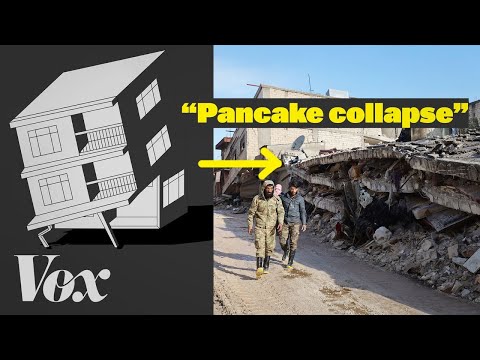
How these buildings made Turkey-Syria’s earthquake so deadly
0
林宜悉 posted on 2023/02/18Ever wondered why some buildings crumble in earthquakes while others stand strong? This video dives deep into the structural failures and "soft story" buildings that made the Turkey-Syria earthquake so devastating, giving you advanced vocabulary on seismic events and construction. You'll gain fascinating cultural depth by understanding the real-world impact of building codes and corruption.
Learn this video on the APP!
The VoiceTube App has more in-depth practice for videos!