
alley
US /ˈæli/
UK /'ælɪ/
- Noun
- A narrow road or path between buildings
B1Moreaside from
US /əˈsaɪd frʌm/
UK /əˈsaid frɔm/
- Phrase
A1Moreat least
US /æt list/
UK /æt li:st/
- Adverb
- As a minimum
- Not less than
- Phrase
- No less than; at the minimum
- Used to indicate that something is positive in a bad situation.
C2Moreback out
US /bæk aʊt/
UK /bæk aut/
- Phrasal Verb
- To say you will now not do something you promised
A1Morebreathe
US /brið/
UK /bri:ð/
- Verb (Transitive/Intransitive)
- To move air into and out of your lungs
- To say something very softly
A2Morebring back
US /brɪŋ bæk/
UK /briŋ bæk/
- Phrasal Verb
- To cause to remember
- To return something
A1Morecabinet
US /ˈkæbənɪt/
UK /ˈkæbɪnət/
- Noun (Countable/Uncountable)
- Piece of furniture resembling a cupboard
- Group of advisors to a leader of a government
- Adjective
- Relating to the group of senior government ministers.
B1Morecardiac
US /ˈkɑ:rdiæk/
UK /ˈkɑ:diæk/
- Adjective
- Concerning the heart
B2Moreclimb up
US /klaɪm ʌp/
UK /klaim ʌp/
- Phrasal Verb
- To ascend or move to a higher position by using one's hands and feet.
A1Morecome back
US /kʌm bæk/
UK /kʌm bæk/
- Phrasal Verb
- To reply to someone, often forcefully
- To be remembered
A1Morecome from
US /kʌm frʌm/
UK /kʌm frɔm/
- Phrasal Verb
- To have as your native country or city
A1Morecommunicate
US /kəˈmjunɪˌket/
UK /kə'mju:nɪkeɪt/
- Verb (Transitive/Intransitive)
- To give and exchange information
- To convey or make known (information, feelings, etc.)
A2Morecostume
US /ˈkɑsˌtum, -ˌtjum/
UK /'kɒstju:m/
- Noun (Countable/Uncountable)
- Special clothes, e.g. clothes for acting in a film
- The traditional dress of a particular region or historical period.
- Transitive Verb
- To provide with a costume.
A2Morecrowd
US /kraʊd/
UK /kraʊd/
- Verb (Transitive/Intransitive)
- To force too many things, people into
- (Lots of people) to meet together in one place
- Noun (Countable/Uncountable)
- Large group of people together in one place
A2Morecrush
US /krʌʃ/
UK /krʌʃ/
- Noun
- Strong attraction to someone
- Transitive Verb
- To break something into small pieces by pressing
- To defeat someone or something (in a game)
B1TOEICMoredistrict
US /ˈdɪstrɪkt/
UK /'dɪstrɪkt/
- Noun (Countable/Uncountable)
- Area of a country, city, or town
- A region or area known for a particular activity, industry, or feature.
A2Moreemergency
US /ɪˈmɚdʒənsi/
UK /ɪ'mɜ:dʒənsɪ/
- Noun (Countable/Uncountable)
- Sudden event needing an immediate action
- A medical condition manifesting itself by acute symptoms of sufficient severity such that the absence of immediate medical attention could reasonably be expected to result in placing the patient's health in serious jeopardy.
- Adjective
- Used in an emergency; for use when something dangerous happens.
- Designed for use in an emergency.
A2TOEICMoreexpat
US /ˈɛksˈpet/
UK /ˈeksˈpeɪt/
- Noun
- Someone who does not live in their own country
C1Morefactor in
US /ˈfæktɚ ɪn/
UK /ˈfæktə in/
- Phrasal Verb
- To include something as an important element when making a decision or calculation.
B2Morehandful
US /ˈhændˌfʊl/
UK /'hændfʊl/
- Noun (Countable/Uncountable)
- an amount of something that can be held in one hand; small quantity or amount of people or things
- A thing requiring great effort to control, manage
B1Morehave to
US /hæv tu/
UK /ˈhæv tə/
- Auxiliary Verb
- Must do
A1Moreheartbreak
US /ˈhɑ:rtbreɪk/
UK /ˈhɑ:tbreɪk/
- Uncountable Noun
- Great sorrow caused by e.g. death of loved one
- Overwhelming distress caused by the end of a romantic relationship or the loss of a loved one.
C1Morehorrific
US /hɔˈrɪfɪk, hɑ-/
UK /həˈrɪfɪk/
- Adjective
- Terrifying and shocking
B2Moreiconic
US /aɪˈkɑnɪk/
UK /aɪˈkɒnɪk/
- Adjective
- Being widely recognized as a symbol of something
B1Moreidentification
US /aɪˌdɛntəfɪˈkeʃən/
UK /aɪˌdentɪfɪˈkeɪʃn/
- Noun (Countable/Uncountable)
- (Card or paper) that proves who a person is
- The act of discovering exactly what something is
B2TOEICMoreimpact
US /ˈɪmˌpækt/
UK /'ɪmpækt/
- Noun
- A striking effect or result to hit with force
- Act or force of one thing hitting something else
- Verb (Transitive/Intransitive)
- To hit or strike someone or something with force
- To have a strong effect on someone or something.
A2TOEICMorein fact
US /ɪn fækt/
UK /in fækt/
- Adverb
- Used to emphasize the truth of a statement, especially one that contrasts with or contradicts something else.
- Used to introduce a more detailed or surprising piece of information.
- Phrase
- Used to emphasize the truth of a statement, especially one that is surprising or contrary to what might be expected.
C1Morein terms of
US
UK
- Phrase
- With regard to; concerning a particular aspect.
A1Morein the streets
US /ɪn ðə strits/
UK /ɪn ðə stri:ts/
- other
- Located or happening outdoors in public roads or areas.
A2Moreincident
US / ˈɪnsɪdənt/
UK /ˈɪnsɪdənt/
- Noun (Countable/Uncountable)
- Event, usually unusual or important; accident
- A political event that causes difficulties.
A2Moremask
US /mæsk/
UK /mɑ:sk/
- Transitive Verb
- To hide something so that it cannot be seen
- To hide something so that it cannot be seen
- Noun (Countable/Uncountable)
- Covering to hide or disguise the face
- Way of pretending to behave that is not real
B1Morenarrow
US /ˈnæro/
UK /'nærəʊ/
- Adjective
- Not wide; short from one side to the other
- Limited; not broad in scope
- Intransitive Verb
- To become thinner or less wide
A2TOEICMorenext door
US /nɛkst dɔr/
UK /nekst dɔ:/
- Adverb
- Living in the house next to the one mentioned
A1Morenightlife
US /ˈnaɪtˌlaɪf/
UK /ˈnaɪtlaɪf/
- Uncountable Noun
- Nighttime diversions, e.g. clubs
B2Moreof course
US /ʌv kɔː(r)s/
UK /ɔv kɔː(r)s/
- Adverb
- Sure ; Certainly
- Phrase
- For sure; certainly
A2Moreominous
US /ˈɑmənəs/
UK /ˈɒmɪnəs/
- Adjective
- Indicating something bad or unpleasant will happen
B2TOEICMoreon the scene
US /ɑn ði sin/
UK /ɔn ðə si:n/
- Phrase
- Present at a location, especially where something has happened.
- Involved or active in a particular area or activity.
B1Morepanic
US /ˈpænɪk/
UK /'pænɪk/
- Uncountable Noun
- Overwhelming feeling of fear and anxiety
- Intransitive Verb
- To feel sudden anxiety and fear and cannot think
B1Morepoint out
US /pɔɪnt aʊt/
UK /pɔint aut/
- Phrasal Verb
- To make others aware of an idea
- To draw attention to something or someone
A1Morepour
US /pɔr, por/
UK /pɔ:(r)/
- Verb (Transitive/Intransitive)
- To fill a person's glass or cup with a drink
- To make something flow in a steady stream
A2Morepresident
US /ˈprɛzɪdənt,-ˌdɛnt/
UK /ˈprezɪdənt/
- Noun
- Person in charge of a country, or organization
- The highest-ranking executive in a corporation or organization.
A2TOEICMorepriority
US /praɪˈɔrɪti, -ˈɑr-/
UK /praɪ'ɒrətɪ/
- Noun (Countable/Uncountable)
- Thing that is more important/urgent than others
- A level of importance assigned to a task or process in a computer system.
- Adjective
- Denoting something that constitutes a priority.
B1TOEICMorequick question
US
UK
- Noun (Countable/Uncountable)
- A brief and simple inquiry.
- Phrase
- An introductory phrase indicating a question requiring a prompt answer.
A1Morerecognizable
US /ˈrekəɡnaɪzəbl/
UK /ˈrekəgnaɪzəbl/
- Adjective
- Being easily identified because of some quality
- Having a distinct or identifiable character or quality.
B1TOEICMorescene
US /sin/
UK /si:n/
- Noun
- Incident where someone behaves angrily, badly
- View that looks like a picture
A2TOEICMoreshortly
US /ˈʃɔrtli/
UK /ˈʃɔ:tli/
- Adverb
- Quickly; soon; in a moment
- In an unfriendly or rude way
B1Moreshut down
US /ʃʌt daʊn/
UK /ʃʌt daun/
- Phrasal Verb
- To close an operating system, e.g. on a computer
- To stop a factory/machine from operating
- Transitive Verb
- To deactivate a nuclear reactor.
- To turn off a computer or other electronic device.
A2Moreslip
US /slɪp/
UK /slɪp/
- Noun (Countable/Uncountable)
- Act of beginning to fall from losing balance
- A field position in cricket
- Verb (Transitive/Intransitive)
- To begin to fall as a result of losing balance
- To escape or become free from something
B1TOEICMorestick
US /stɪk/
UK /stɪk/
- Verb (Transitive/Intransitive)
- To push a sharp or pointed object into something
- To join together using glue or paste
- Countable Noun
- Long thin piece of wood from a tree
A2Moresuffocate
US /ˈsʌfəˌket/
UK /ˈsʌfəkeɪt/
- Transitive Verb
- To (cause to) die from lack of air to breathe
- To stop a thing developing, e.g. by too many rules
C1TOEICMoresuppose
US /səˈpoʊz/
UK /sə'pəʊz/
- Verb (Transitive/Intransitive)
- To imagine or guess what might happen
- Conjunction
- What if
A2TOEICMoreterrify
US /ˈtɛrəˌfaɪ/
UK /ˈterɪfaɪ/
- Transitive Verb
- To scare or greatly frighten
B1Morethink about
US /θɪŋk əˈbaʊt/
UK /θiŋk əˈbaut/
- Phrasal Verb
- To consider something carefully.
- To remember or call to mind.
A1Moreto death
US /tu dɛθ/
UK /tu: deθ/
- Phrase
- Extremely; to a great degree
- Until death
B1Moreto do with
US
UK
- Phrasal Verb
- To be about something; concern
A1Moreto the left
US
UK
- Phrase
- In or toward the left direction.
- Situated on the left side of.
tough questions
US
UK
- Phrase
- Difficult or challenging questions that require careful consideration and honest answers.
turn around
US /tɚn əˈraʊnd/
UK /tə:n əˈraund/
- Phrasal Verb
- To change your body to the opposite direction
- To make something running badly into a success
- Verb (Transitive/Intransitive)
- To change direction so as to face the opposite way.
- To improve or cause to improve.
A1Moreunfold
US /ʌnˈfold/
UK /ʌn'fəʊld/
- Verb (Transitive/Intransitive)
- (Of a situation) to be told or revealed
- To open something that was folded
- Intransitive Verb
- To happen, be told or be revealed
B1Moreunidentified
US
UK
- Adjective
- Not yet identified
B1Moreused to
US /juzd tu/
UK /ˈju:st tə/
- Adjective
- Did regularly before, but don't do now
- Auxiliary Verb
- Have done before, but do not do now
A1Morevolume
US /ˈvɑljum, -jəm/
UK /ˈvɒlju:m/
- Noun (Countable/Uncountable)
- Number or amount of something e.g. sales
- Amount of space that something takes up
- Countable Noun
- One book that is part of a set of books
A2More
Vocabulary
- have to: Must do
- think about: To consider something carefully.
- come from: To have as your native country or city
- at least: As a minimum
- turn around: To change your body to the opposite direction
- on the scene: Present at a location, especially where something has happened.
- in the streets: Located or happening outdoors in public roads or areas.
- in fact: Used to emphasize the truth of a statement, especially one that contrasts with or contradicts something else.
- used to: Did regularly before, but don't do now
- bring back: To cause to remember
- to the left: In or toward the left direction.
- next door: Living in the house next to the one mentioned
- shut down: To close an operating system, e.g. on a computer
- to death: Extremely; to a great degree
- climb up: To ascend or move to a higher position by using one's hands and feet.
- tough questions: Difficult or challenging questions that require careful consideration and honest answers.
- to do with: To be about something; concern
- aside from
- of course: Sure ; Certainly
- quick question: A brief and simple inquiry.
- point out: To make others aware of an idea
- come back: To reply to someone, often forcefully
- back out: To say you will now not do something you promised
- factor in: To include something as an important element when making a decision or calculation.
- in terms of
- stick: To push a sharp or pointed object into something
- panic: Overwhelming feeling of fear and anxiety
- iconic: Being widely recognized as a symbol of something
- impact: A striking effect or result to hit with force
- anxious: Afraid of what may happen; worried and nervous
- scene: Incident where someone behaves angrily, badly
- priority: Thing that is more important/urgent than others
- slip: Act of beginning to fall from losing balance
- crush: Strong attraction to someone
- suppose: To imagine or guess what might happen
- handful: an amount of something that can be held in one hand; small quantity or amount of people or things
- crowd: To force too many things, people into
- cabinet: Piece of furniture resembling a cupboard
- pour: To fill a person's glass or cup with a drink
- communicate: To give and exchange information
- volume: Number or amount of something e.g. sales
- empty: Containing nothing; with no contents
- incident: Event, usually unusual or important; accident
- district: Area of a country, city, or town
- ominous: Indicating something bad or unpleasant will happen
- costume: Special clothes, e.g. clothes for acting in a film
- emergency: Sudden event needing an immediate action
- fall: Season after summer and before winter; Autumn
- leave: To go away from; depart
- narrow: Not wide; short from one side to the other
- receive: To get something someone has given or sent to you
- lot: What happens to a person in life from chance; fate
- arrest: To attract someone's attention and hold interest
- cardiac: Concerning the heart
- place: To put someone in a particular type of situation
- sound: Sensible, dependable and reliable
- control: A device designed to operate a machine
- president: Person in charge of a country, or organization
- breathe: To move air into and out of your lungs
- unfold: (Of a situation) to be told or revealed
- horrific: Terrifying and shocking
- middle: Place that is halfway between two things
- suffocate: To (cause to) die from lack of air to breathe
- pack: Bag carried on the back of donkey, etc.
- space: Empty area kept for a specific reason, like a car
- wear: To have clothes, glasses, shoes etc. on your body
- popular: Liked or enjoyed by many people
- recognizable: Being easily identified because of some quality
- alley: A narrow road or path between buildings
- identification: (Card or paper) that proves who a person is
- expat: Someone who does not live in their own country
- terrify: To scare or greatly frighten
- mask: To hide something so that it cannot be seen
- shortly: Quickly; soon; in a moment
- heartbreak: Great sorrow caused by e.g. death of loved one
- unidentified: Not yet identified
- nightlife: Nighttime diversions, e.g. clubs
Get the full experience in the app
Learn anywhere with detailed sentence and usage analysis
01:03
She took a brave step forward, leaving behind her comfort zone to chase her dreams.
Vocabulary
- brave
adj. Having courage
- comfort zone
phr. A familiar situation where one feels safe
Explanation
a brave step is a noun phrase, where brave is an adjective modifying the noun step, meaning "a courageous step".
forward is an adverb modifying step, meaning "ahead".
The whole phrase serves as the object, answering the "what" of took (verb) — she took a brave step forward.
Get the full experience in the app
Look up words anytime with pronunciation, part of speech, and usage
brave
US/brev/
UK/breɪv/
adj.Brave
v.t.To bravely face
A2 Elementary
Get the full experience in the app
Practice speaking anytime and get instant pronunciation feedback
Try this speaking exercise.
Try practicing with this sentence.
80
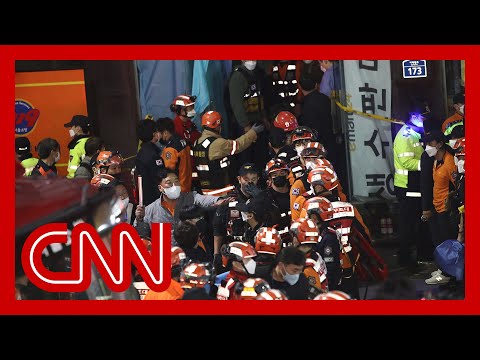
Death toll climbs in Seoul crowd crush Halloween incident
0
Nina Kuo posted on 2022/10/31This video dives into the tragic Itaewon Halloween crowd crush in Seoul, exploring the devastating aftermath and the critical lessons learned about crowd control and emergency response. You'll gain insight into this significant global event while picking up essential vocabulary for discussing real-world news and cultural happenings.
Learn this video on the APP!
The VoiceTube App has more in-depth practice for videos!