
artery
US /ˈɑrtəri/
UK /ˈɑ:təri/
- Noun (Countable/Uncountable)
- Tubes that carry blood from the heart to the body
- Important road, rail or water way
B2Morebacteria
US /bækˈtɪriə/
UK /bæk'tɪərɪə/
- Noun (plural)
- The very small creatures that can cause disease
B2Morebreak down
US /brek daʊn/
UK /breik daun/
- Phrasal Verb
- To forcibly break, destroy or make collapse
- (Machine) to stop working or become weaker
A1Morebuild up
US /bɪld ʌp/
UK /bild ʌp/
- Phrasal Verb
- To increase the amount; collect something
- To develop or increase something in stages
- Verb (Transitive/Intransitive)
- To increase or develop something gradually.
- To praise or encourage someone.
A1Moreburst
US /bɚst/
UK /bɜ:st/
- Verb (Transitive/Intransitive)
- To move (arrive, exit, etc.) suddenly or hurriedly
- To break apart/open in a sudden and violent way
- Noun
- Brief time period when something happens and ends
- A sudden outbreak or display of something.
A2Morecare of
US /kɛr ʌv/
UK /kɛə ɔv/
- Preposition
- Used in an address to indicate the person who will receive the mail for someone else.
A2Morecellular
US /ˈsɛljəlɚ/
UK /'seljələ(r)/
- Adjective
- Concerning a cell of a living thing
- (Of radio signals) functioning without wires
B2Morecholesterol
US /kəˈlestərɔ:l/
UK /kəˈlestərɒl/
- Uncountable Noun
- Substance in the body that may cause heart disease
- Noun
- A test to measure the amount of cholesterol in your blood.
B2Moreclot
US /klɑ:t/
UK /klɒt/
- Noun (Countable/Uncountable)
- Mass of blood, etc. that has dried up/become thick
- Intransitive Verb
- To make a liquid such as blood turn thick or solid
B2TOEICMoredecompose
US /ˌdi:kəmˈpoʊz/
UK /ˌdi:kəmˈpəʊz/
- Verb (Transitive/Intransitive)
- To cause (chemical) to separate into smaller parts
- To gradually be destroyed by natural processes
B2Moredegrade
US /dɪˈɡred/
UK /dɪ'ɡreɪd/
- Transitive Verb
- To reduce in amount or strength
B2Moredysfunctional
US
UK
- Adjective
- Acting in an abnormal way or not as required
- Not behaving or working normally as a family or group.
B2Moreeliminate
US /ɪˈlɪməˌnet/
UK /ɪ'lɪmɪneɪt/
- Transitive Verb
- To completely remove; to get rid of
- To remove from a contest by beating them
B1TOEICMoreenzyme
US /ˈɛnzaɪm/
UK /ˈenzaɪm/
- Noun
- A protein made by cells
B2TOEICMoreexcess
US /ˈɛkˌsɛs/
UK /ɪkˈses/
- Noun (Countable/Uncountable)
- Amount that is more than necessary or over a limit
- An extra amount.
- Verb (Transitive/Intransitive)
- To be more than or go beyond.
B1Moreexcuse
US /ɪkˈskjuz/
UK /ɪk'skju:s/
- Transitive Verb
- To allow someone not to do (jury service, etc.)
- To explain acting in a bad or impolite manner
- Noun
- Note explaining why someone cannot do or attend
- Reason why you did or didn't do something
A2Moreexpiration
US /ˌɛkspəˈreʃən/
UK /ˌekspəˈreɪʃn/
- Noun
- Coming to an end of a period, validity
B2TOEICMoreexpose
US /ɪkˈspoʊz/
UK /ɪk'spəʊz/
- Transitive Verb
- To make visible, without covering or protection
- To allow light through a cameras lens onto film
A2TOEICMorefascinating
US /ˈfæsəˌnetɪŋ/
UK /ˈfæsɪneɪtɪŋ/
- Transitive Verb
- To attract or interest greatly
- To hold someone captive with a gaze or other means.
- Adjective
- Having your attention fixated as though by a spell
B1Moreflow
US /flo/
UK /fləʊ/
- Intransitive Verb
- To move steadily and easily in a certain direction
- Uncountable Noun
- Amount of something that moves through an area
A2Morefluorescent
US /flʊˈrɛsənt, flɔ-, flo-/
UK /ˌflɔ:ˈresnt/
- Adjective
- Having the property of fluorescence; brightly lit
- Noun
- A fluorescent substance or material.
B2Morefor instance
US /fɔr ˈɪnstəns/
UK /fɔ: ˈinstəns/
- Adverb
- As an example.
- Phrase
- As an example.
- As an illustration or case in point
B1Morefoundation
US /faʊnˈdeʃən/
UK /faunˈdeiʃən/
- Noun (Countable/Uncountable)
- Base or important starting point
- Underground base on which building is constructed
C1TOEICMoreglow
US /ɡlo/
UK /ɡləʊ/
- Noun
- Pink color in the face, e.g. from exercise/emotion
- Pleasant feeling, as of happiness or satisfaction
- Intransitive Verb
- To look very healthy and contented
- To emit a steady even light
B1Moregrab
US /ɡræb/
UK /ɡræb/
- Transitive Verb
- To take and hold something quickly
A2Morehave to
US /hæv tu/
UK /ˈhæv tə/
- Auxiliary Verb
- Must do
A1Moreinspire
US /ɪnˈspaɪr/
UK /ɪn'spaɪə(r)/
- Transitive Verb
- To give someone an idea to do or make something
- To make someone feel a certain emotion
- Intransitive Verb
- To breathe in
- To draw (air, etc.) into the lungs.
B1TOEICMoreinstead of
US /ɪnˈstɛd ʌv/
UK /inˈsted ɔv/
- Preposition
- When one thing is replaced by another
- Adverb
- As a substitute or alternative.
A1Morejunk
US /dʒʌŋk/
UK /dʒʌŋk/
- Uncountable Noun
- Something that is old, useless, or has no value
- Transitive Verb
- To get rid of something because it has no value
B1Morekinda
US /'kaɪndə/
UK /'kaɪndə/
- Noun
- Short way of saying 'kind of'
- Adverb
- Somewhat; to some extent; rather.
- Sort of; in a way.
B2Morelead to
US /lid tu/
UK /li:d tu:/
- Phrasal Verb
- To result in some action
- Verb (Transitive/Intransitive)
- To have something as a consequence or result.
A1Moremacular degeneration
US
UK
- Noun
- A progressive eye condition affecting the macula, leading to central vision loss.
mention
US /ˈmɛnʃən/
UK /'menʃn/
- Transitive Verb
- To refer to or talk or write about something
- Uncountable Noun
- Act of referring to or talking about something
- A formal acknowledgement of something
A2TOEICMoreof course
US /ʌv kɔː(r)s/
UK /ɔv kɔː(r)s/
- Adverb
- Sure ; Certainly
- Phrase
- For sure; certainly
A2Moreoff of
US /ɔf ʌv/
UK /ɔf ɔv/
- Preposition
- From a position on something; down from.
A1Morepigment
US /ˈpɪɡmənt/
UK /'pɪɡmənt/
- Noun
- Substance that makes things have a certain color
B2Morepile
US /paɪl/
UK /paɪl/
- Noun (Countable/Uncountable)
- Large amount of something
- Group of things one on top of another
- Verb (Transitive/Intransitive)
- (E.g. of problems) to increase; get more or worse
- To place things on top of each other; to heap up.
B1TOEICMorepile up
US /paɪl ʌp/
UK /pail ʌp/
- Phrasal Verb
- To put things on top of each other to form a pile
- To increase in quantity or amount.
- Verb (Transitive/Intransitive)
- To accumulate or increase in quantity.
B1Moreplaque
US /plæk/
UK /plæk/
- Noun (Countable/Uncountable)
- Sign on building as a reminder of an event/person
- Hard matter that can build up on your teeth
B2TOEICMoreplenty
US /ˈplɛnti/
UK /'plentɪ/
- Pronoun
- When there is not too little of something; a lot
- Uncountable Noun
- A large or sufficient amount or quantity; abundance.
- A lot of something
A2Moreproperly
US /ˈprɑːpərli/
UK /ˈprɔpəlɪ/
- Adverb
- In an appropriate or correct manner
- In a way that is suitable or appropriate.
A2Morequeue
US /kju/
UK /kju:/
- Noun (Countable/Uncountable)
- Line of people or cars waiting for something
- A list of data items, jobs, etc., stored so as to be retrievable in a definite order, usually the order of insertion.
- Intransitive Verb
- To wait in a line.
B1Morerelate
US /rɪˈlet/
UK /rɪ'leɪt/
- Transitive Verb
- To demonstrate a logical relationship between
- To understand or sympathize with, e.g. a problem
A2TOEICMoreresearch
US /rɪˈsɚtʃ, ˈriˌsɚtʃ/
UK /rɪ'sɜ:tʃ/
- Verb (Transitive/Intransitive)
- To study in order to discover new ideas and facts
- To study the market relating to marketing products and services.
- Noun (Countable/Uncountable)
- Study done to discover new ideas and facts
- A particular area or topic of study.
A2TOEICMoreresourceful
US /rɪˈsɔrsfəl, -ˈsors-, -ˈzɔrs-, -ˈzors-/
UK /rɪˈsɔ:sfl/
- Adjective
- Able to find ways to cope with difficult times
B1Morereuse
US /riˈjuz/
UK /ˌri:'ju:z/
- Transitive Verb
- To use something again
B1Moresoil
US /sɔɪl/
UK /sɔɪl/
- Uncountable Noun
- Conditions in which something develops
- Mix of natural material in which plants grow
- Transitive Verb
- To get or become dirty
B1Moresponsor
US /ˈspɑ:nsə(r)/
UK /ˈspɒnsə(r)/
- Noun
- Person that supports the passage of a new law
- Person giving money for someone's education
- Transitive Verb
- To support the passage of a new law
- To help someone succeed by giving them money
B1TOEICMorestay over
US
UK
- Phrasal Verb
- To stay at someone's house for a night.
A1Morestubborn
US /ˈstʌbən/
UK /'stʌbən/
- Adjective
- Unwilling to give way or obey
B2Moresubstance
US /ˈsʌbstəns/
UK /'sʌbstəns/
- Uncountable Noun
- Essence of; most basic or central qualities
- Particular type of material
A2Moresuch as
US /sʌtʃ æz/
UK /sʌtʃ æz/
- Preposition
- For example; like
A1Moretie in
US /taɪ ɪn/
UK /tai in/
- Phrasal Verb
- To make a connection to bring two things together
A2Moretrack
US /træk/
UK /træk/
- Transitive Verb
- To use marks to follow a wild animal
- To move a certain way/follow a particular course
- Noun
- A circular course for running
- Course or way someone takes, e.g. in education
A2TOEICMoretreatment
US /ˈtritmənt/
UK /ˈtri:tmənt/
- Noun (Countable/Uncountable)
- Medicine or method to make someone healthier
- Way someone acts toward another
A2TOEICMoretriangle
US /ˈtraɪˌæŋɡəl/
UK /ˈtraɪæŋgl/
- Noun
- Three people connected with each in a relationship
- A three-sided piece of metal used in orchestras
B1TOEICMoreturned out
US
UK
- Phrasal Verb
- To arrive for a public event or entertainment
- To happen to be in the end
- Transitive Verb
- To extinguish or switch off lights.
A1Morevolume
US /ˈvɑljum, -jəm/
UK /ˈvɒlju:m/
- Noun (Countable/Uncountable)
- Number or amount of something e.g. sales
- Amount of space that something takes up
- Countable Noun
- One book that is part of a set of books
A2Morewaste
US /west/
UK /weɪst/
- Transitive Verb
- To kill or severely harm someone
- To use valuable things ineffectively
- Uncountable Noun
- Materials left over after a process has finished
A2TOEICMore
Vocabulary
- turned out: To arrive for a public event or entertainment
- of course: Sure ; Certainly
- stay over: To stay at someone's house for a night.
- pile up: To put things on top of each other to form a pile
- instead of: When one thing is replaced by another
- care of: Used in an address to indicate the person who will receive the mail for someone else.
- have to: Must do
- lead to: To result in some action
- such as: For example; like
- tie in: To make a connection to bring two things together
- build up: To increase the amount; collect something
- macular degeneration: A progressive eye condition affecting the macula, leading to central vision loss.
- off of: From a position on something; down from.
- break down: To forcibly break, destroy or make collapse
- for instance: As an example.
- eliminate: To completely remove; to get rid of
- grab: To take and hold something quickly
- properly: In an appropriate or correct manner
- fascinating: To attract or interest greatly
- plenty: When there is not too little of something; a lot
- treat: To pay for the food or enjoyment of someone else
- kinda: Short way of saying 'kind of'
- cholesterol: Substance in the body that may cause heart disease
- bacteria: The very small creatures that can cause disease
- substance: Essence of; most basic or central qualities
- track: To use marks to follow a wild animal
- research: To study in order to discover new ideas and facts
- exist: To be present, alive or real
- pile: Large amount of something
- mention: To refer to or talk or write about something
- foundation: Base or important starting point
- excess: Amount that is more than necessary or over a limit
- inspire: To give someone an idea to do or make something
- form: Sports team or person's current winning record
- burst: To move (arrive, exit, etc.) suddenly or hurriedly
- create: To make, cause, or bring into existence
- volume: Number or amount of something e.g. sales
- pigment: Substance that makes things have a certain color
- lead: Wire for electricity, computer, etc.; cable
- break: To create a new record e.g. running the 100m dash
- click: To work well with someone or something
- relate: To demonstrate a logical relationship between
- soil: Conditions in which something develops
- queue: Line of people or cars waiting for something
- expose: To make visible, without covering or protection
- treatment: Medicine or method to make someone healthier
- excuse: To allow someone not to do (jury service, etc.)
- appear: To be seen, become visible; come into sight
- noggin: A human head
- waste: To kill or severely harm someone
- enzyme: A protein made by cells
- junk: Something that is old, useless, or has no value
- stubborn: Unwilling to give way or obey
- flow: To move steadily and easily in a certain direction
- artery: Tubes that carry blood from the heart to the body
- glow: Pink color in the face, e.g. from exercise/emotion
- sponsor: Person that supports the passage of a new law
- fail: To be unsuccessful in passing a class or exam
- great: Very good; better than before
- decompose: To cause (chemical) to separate into smaller parts
- expiration: Coming to an end of a period, validity
- cellular: Concerning a cell of a living thing
- plaque: Sign on building as a reminder of an event/person
- world: All the humans, events, activities on the earth
- clot: Mass of blood, etc. that has dried up/become thick
- healthy: In good condition physically, or financially; well
- remove: To get rid of something completely
- life: All the living things e.g. animals, plants, humans
- fluorescent: Having the property of fluorescence; brightly lit
- degrade: To reduce in amount or strength
- dysfunctional: Acting in an abnormal way or not as required
- resourceful: Able to find ways to cope with difficult times
- triangle: Three people connected with each in a relationship
- reuse: To use something again
Get the full experience in the app
Learn anywhere with detailed sentence and usage analysis
01:03
She took a brave step forward, leaving behind her comfort zone to chase her dreams.
Vocabulary
- brave
adj. Having courage
- comfort zone
phr. A familiar situation where one feels safe
Explanation
a brave step is a noun phrase, where brave is an adjective modifying the noun step, meaning "a courageous step".
forward is an adverb modifying step, meaning "ahead".
The whole phrase serves as the object, answering the "what" of took (verb) — she took a brave step forward.
Get the full experience in the app
Look up words anytime with pronunciation, part of speech, and usage
brave
US/brev/
UK/breɪv/
adj.Brave
v.t.To bravely face
A2 Elementary
Get the full experience in the app
Practice speaking anytime and get instant pronunciation feedback
Try this speaking exercise.
Try practicing with this sentence.
80
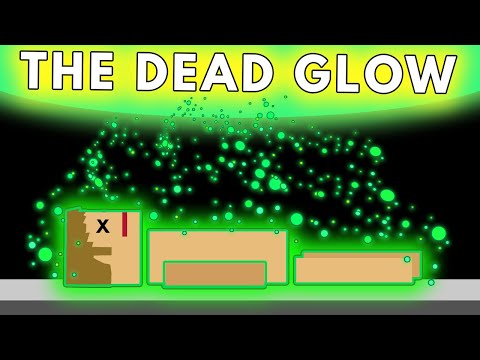
The Dead Should Be Glowing. What Happened?
0
林宜悉 posted on 2023/02/08Ever wondered why some dead things might glow? This video dives into the fascinating science behind lipofuscin and lysosomes, explaining how they build up in our cells and what enzyme therapy, like LysoSENS, could do about it! You'll pick up some awesome advanced vocabulary while exploring this cool science mystery.
Learn this video on the APP!
The VoiceTube App has more in-depth practice for videos!