
absence
US /ˈæbsəns/
UK /ˈæbsəns/
- Uncountable Noun
- State of not being present, or not existing
- A period of time when someone is away.
B1TOEICMoreaccessible
US /ækˈsɛsəbəl/
UK /əkˈsesəbl/
- Adjective
- Able to be entered, reached or used
- Easy to understand.
A2Moreadvantage
US /ædˈvæntɪdʒ/
UK /əd'vɑ:ntɪdʒ/
- Noun (Countable/Uncountable)
- Thing making the chance of success higher
- A positive point about something
- Transitive Verb
- To make use of something, especially to further one's own position; exploit.
A2TOEICMoreas such
US /æz sʌtʃ/
UK /æz sʌtʃ/
- Pronoun
- Something previously stated or understood
A1Moreavoid
US /əˈvɔɪd/
UK /ə'vɔɪd/
- Transitive Verb
- To prevent from happening
- To stay away from
A2TOEICMorebased on
US
UK
- Phrasal Verb
- To use something as the foundation or starting point for something else.
- Preposition
- Using something as the main idea or foundation.
- Relying on something as evidence or justification.
A1Morebaseline
US /ˈbeɪslaɪn/
UK /ˈbeɪslaɪn/
- Noun
- Imaginary standard by which things are compared
C1Moreblur
US /blɚ/
UK /blɜ:(r)/
- Transitive Verb
- To make something unclear or out of focus
- To dull the distinction between things
B2Morecertificate
US /sərˈtɪfɪkət/
UK /səˈtɪfɪkət/
- Noun (Countable/Uncountable)
- Official paper accepted as proof of something
B1Morecheck out
US /tʃɛk aʊt/
UK /tʃek aut/
- Phrase
- Phrasal Verb
- To find out information about something
- To take books out of a library
A1Moreconfront
US /kənˈfrʌnt/
UK /kən'frʌnt/
- Transitive Verb
- To make someone, e.g. who has lied, face the truth
- (Of problem) to face someone who must deal with it
B1Moreconversely
US /ˈkɑːnvɜːrsli/
UK /ˈkɒnvɜ:sli/
- Adverb
- In the opposite way; on the other hand
B1Morecope with
US /kop wɪð/
UK /kəup wið/
- Phrasal Verb
- To deal successfully with a difficult situation.
A1Moredepending on
US
UK
- Phrasal Verb
- To rely on for support (financial or emotional)
- Influenced or determined by.
- Preposition
- Subject to; contingent on
- Relying on someone or something for support or assistance.
A2Morediagnosis
US /ˌdaɪəgˈnoʊsɪs/
UK /ˌdaɪəgˈnəʊsɪs/
- Noun (plural)
- Judgments by a doctor about a person's illness
- Noun
- The identification of a disease or condition.
B1Moredrag on
US
UK
- Phrasal Verb
- To last longer than expected, in a boring way
A2Moredue to
US /du tu/
UK /dju: tu:/
- Preposition
- Because of; owing to
- Adjective
- Attributable to; caused by.
A1Moreengage
US /ɪn'gedʒ/
UK /ɪn'ɡeɪdʒ/
- Transitive Verb
- To start to fight with an enemy
- To hire someone for a task or job
A2TOEICMoreengage in
US /ɪn'gedʒ ɪn/
UK /ɪnˈɡeɪdʒ in/
- Phrasal Verb
- To participate or become involved in something.
B1Morefly by
US /flai baɪ/
UK /flai bai/
- Phrasal Verb
- To pass quickly
- To visit someone briefly
A1Morefor example
US
UK
- Phrase
- As an illustration or instance.
formulate
US /ˈfɔrmjəˌlet/
UK /'fɔ:mjʊleɪt/
- Transitive Verb
- To make and develop a set of rules or ideas
B2TOEICMorefrom time to time
US
UK
- Phrase
- Occasionally; sometimes but not regularly.
- At intervals; now and then.
A1Moregenuinely
US /ˈdʒɛnjʊɪnlɪ/
UK /'dʒenjʊɪnlɪ/
- Adverb
- In a real, actual, not false or artificial way
- In a sincere and honest way.
A2Moreget out of
US /ɡɛt aʊt ʌv/
UK /ɡet aut ɔv/
- Phrasal Verb
- To leave or escape responsibilities, troubles
- To leave a small, enclosed vehicle
A1Morego back to
US /ɡo bæk tu/
UK /ɡəu bæk tu:/
- Phrasal Verb
- To return to a starting point
A1Morehave to
US /hæv tu/
UK /ˈhæv tə/
- Auxiliary Verb
- Must do
A1Moreidentify
US /aɪˈdɛntəˌfaɪ/
UK /aɪ'dentɪfaɪ/
- Transitive Verb
- To indicate who or what someone or something is
- To say exactly what something is
B1TOEICMoreimplement
US /ˈɪmpləmənt/
UK /ˈɪmplɪment/
- Transitive Verb
- To start to do something you plan to do
- Noun (Countable/Uncountable)
- A tool
B1TOEICMorein drawing
US /ɪn ˈdrɔɪŋ/
UK /in ˈdrɔ:iŋ/
- Preposition
- Indicated or shown within a technical drawing.
C2Morein fact
US /ɪn fækt/
UK /in fækt/
- Adverb
- Used to emphasize the truth of a statement, especially one that contrasts with or contradicts something else.
- Used to introduce a more detailed or surprising piece of information.
- Phrase
- Used to emphasize the truth of a statement, especially one that is surprising or contrary to what might be expected.
C1Morein the future
US /ɪn ði ˈfjutʃɚ/
UK /in ðə ˈfju:tʃə/
- Phrase
- At a later time; in times to come.
A1Morein the world
US /ɪn ði wɜrld/
UK /in ðə wɜː(r)ld/
- Phrase
- Used to emphasize a question expressing surprise, confusion, disbelief
- Used to indicate the extent or degree of something, often in a superlative sense
A1Morein time
US /ɪn taɪm/
UK /in taim/
- Adverb
- Eventually; after a period of time.
- Not late; with enough time to spare.
- Phrase
- Eventually; before it is too late.
- According to the scheduled time; punctual.
A1Moreinfluence
US / ˈɪnfluəns/
UK /'ɪnflʊəns/
- Verb (Transitive/Intransitive)
- To affect or change something indirectly
- To persuade someone to do something.
- Noun (Countable/Uncountable)
- The power to affect what happens, to persuade etc.
- A person or thing that affects someone or something in an important way.
A2TOEICMoreinstead of
US /ɪnˈstɛd ʌv/
UK /inˈsted ɔv/
- Preposition
- When one thing is replaced by another
- Adverb
- As a substitute or alternative.
A1Moreintermittent
US /ˌɪntɚˈmɪtnt/
UK /ˌɪntəˈmɪtənt/
- Adjective
- Occurring at irregular times; off and on
B2TOEICMoreintrinsic
US /ɪnˈtrɪnzɪk, -sɪk/
UK /ɪnˈtrɪnsɪk/
- Adjective
- Being naturally and always a part of something
B1Morelean into
US
UK
- Phrasal Verb
- To bend or move your body closer to something, often for support or to get a better view.
- To embrace or fully engage with something, especially something difficult or challenging.
B2Morelook back
US /lʊk bæk/
UK /luk bæk/
- Phrasal Verb
- To think about past events
A1Moremotivation
US /ˌmotəˈveʃən/
UK /ˌməʊtɪ'veɪʃn/
- Uncountable Noun
- Reason behind why someone did something
- Enthusiasm for doing something.
B1TOEICMorenegative
US /ˈnɛɡətɪv/
UK /'neɡətɪv/
- Noun
- The opposite to a positive electrical charge
- In grammar, containing words such as 'no' or 'not'
- Adjective
- Being harmful, unwanted or unhelpful
- In mathematics, being less than zero
A2Moreoccur
US /əˈkɚ/
UK /əˈkɜ:(r)/
- Intransitive Verb
- To come to pass or to happen
- To be found to exist; to be present.
A2TOEICMoreon average
US /ɑn ˈævərɪdʒ/
UK /ɔn ˈævəridʒ/
- Phrase
- Typically; usually; based on an average calculation.
B1Moreout of it
US /aʊt ʌv ɪt/
UK /aut ɔv it/
- Adjective
- Unconscious or not completely alert; dazed or confused.
- Not able to think clearly or react quickly; not with it.
A1Moreoutcome
US /ˈaʊtˌkʌm/
UK /ˈaʊtkʌm/
- Noun
- Something that happens as a result, consequence
A2Moreover time
US /ˈovɚ taɪm/
UK /ˈəuvə taim/
- Phrase
- Gradually; as time passes.
- During a long period.
- Adverb
- Gradually; as time passes.
B1Morepattern
US /ˈpætən/
UK /'pætn/
- Noun (Countable/Uncountable)
- Model to follow in making or doing something
- Colors or shapes which are repeated on objects
- Transitive Verb
- To copy the way something else is made
- To decorate with a pattern.
A2TOEICMorepeak
US /pik/
UK /pi:k/
- Noun
- Part of a cap that sticks out over your eyes
- The very top of a mountain
- Intransitive Verb
- To reach the highest or best point
B1Morepeel back
US
UK
- Phrasal Verb
- To gradually reveal or uncover something by removing layers or obstacles.
A1Moreperception
US /pɚˈsɛpʃən/
UK /pəˈsepʃn/
- Noun (Countable/Uncountable)
- Way in which one sees or understands something
- The ability to see, hear, or become aware of something through the senses.
B1Moreprocess
US /ˈprɑsˌɛs, ˈproˌsɛs/
UK /prə'ses/
- Transitive Verb
- To organize and use data in a computer
- To deal with official forms in the way required
- Noun (Countable/Uncountable)
- Dealing with official forms in the way required
- Set of changes that occur slowly and naturally
A2TOEICMorerandomly
US /'rændəmlɪ/
UK /'rændəmlɪ/
- Adverb
- With no pattern or clear purpose; by chance
B1TOEICMorerather than
US
UK
- Adverb
- More exactly; more correctly
- Preferably; instead
- Preposition
- Instead of
A1Morereadily
US /ˈrɛdəli, ˈrɛdli/
UK /ˈredɪli/
- Adverb
- In a quick and easy manner
- In a quick and willing manner
B1Morerefine
US /rɪˈfaɪn/
UK /rɪ'faɪn/
- Transitive Verb
- To change slightly in order to improve it
- To narrow down your search to a smaller number
B1TOEICMorerepeatedly
US /rɪ'pi:tɪdlɪ/
UK /rɪ'pi:tɪdlɪ/
- Adverb
- (Said, done) many times; over and over
B2Moreresult
US /rɪˈzʌlt/
UK /rɪ'zʌlt/
- Noun
- Something produced through tests or experiments
- Final score of a competition, election or game
- Intransitive Verb
- To be the outcome of other causes and effects
- To happen or exist as a consequence of something.
A2Morereward
US /rɪˈwɔrd/
UK /rɪ'wɔ:d/
- Transitive Verb
- To give something because of someone's good work
- To give someone money for helping the police
- Noun
- Money given for information about criminals
- Something given in recognition of service, effort, or achievement.
A2TOEICMoreseal
US /sil/
UK /si:l/
- Transitive Verb
- To close tightly to protect it from leaking
- To close an envelop or package
- Noun
- Large fish-eating animal that lives on sea or land
- Official mark made in hot wax to close a document
B1Moresuch as
US /sʌtʃ æz/
UK /sʌtʃ æz/
- Preposition
- For example; like
A1Moretap into
US /tæp ˈɪntu/
UK /tæp ˈɪntuː/
- Phrasal Verb
- To manage to use something in a way that brings you benefits
- To understand and express something that people are feeling
B1Moretend
US /tɛnd/
UK /tend/
- Intransitive Verb
- To move or act in a certain manner
- Transitive Verb
- To take care of
A2Moreversion
US /ˈvɚʒən, -ʃən/
UK /ˈvə:ʃən/
- Noun
- Different way that someone interprets something
- New or different form of something
A2TOEICMorework in
US /wɚk ɪn/
UK /wə:k in/
- Phrasal Verb
- To make an opening for something in your schedule
- To fit person/thing into a schedule or sequence
A1More
Vocabulary
- instead of: When one thing is replaced by another
- as such: Something previously stated or understood
- have to: Must do
- engage in: To participate or become involved in something.
- in drawing: Indicated or shown within a technical drawing.
- in fact: Used to emphasize the truth of a statement, especially one that contrasts with or contradicts something else.
- from time to time: Occasionally; sometimes but not regularly.
- such as: For example; like
- rather than: More exactly; more correctly
- in the world: Used to emphasize a question expressing surprise, confusion, disbelief
- peel back: To gradually reveal or uncover something by removing layers or obstacles.
- due to: Because of; owing to
- depending on: To rely on for support (financial or emotional)
- over time: Gradually; as time passes.
- on average: Typically; usually; based on an average calculation.
- get out of: To leave or escape responsibilities, troubles
- out of it: Unconscious or not completely alert; dazed or confused.
- in time: Eventually; after a period of time.
- drag on: To last longer than expected, in a boring way
- fly by: To pass quickly
- work in: To make an opening for something in your schedule
- in the future: At a later time; in times to come.
- lean into: To bend or move your body closer to something, often for support or to get a better view.
- tap into: To manage to use something in a way that brings you benefits
- cope with: To deal successfully with a difficult situation.
- look back: To think about past events
- go back to: To return to a starting point
- for example: As an illustration or instance.
- based on: To use something as the foundation or starting point for something else.
- check out
- perception: Way in which one sees or understands something
- mindset: Way someone things about something
- process: To organize and use data in a computer
- genuinely: In a real, actual, not false or artificial way
- engage: To start to fight with an enemy
- pattern: Model to follow in making or doing something
- dopamine: Drug used to treat shock and hypotension
- negative: The opposite to a positive electrical charge
- tend: To move or act in a certain manner
- advantage: Thing making the chance of success higher
- motivation: Reason behind why someone did something
- expect: To believe something is probably going to happen
- identify: To indicate who or what someone or something is
- reward: To give something because of someone's good work
- version: Different way that someone interprets something
- failure: When things go wrong; lack of function
- measure: Plan to achieve a desired result
- influence: To affect or change something indirectly
- implement: To start to do something you plan to do
- accessible: Able to be entered, reached or used
- avoid: To prevent from happening
- occur: To come to pass or to happen
- draw: To attract attention to someone or something
- confront: To make someone, e.g. who has lied, face the truth
- result: Something produced through tests or experiments
- outcome: Something that happens as a result, consequence
- seal: To close tightly to protect it from leaking
- mood: Emotion or a state of mind; how you feel
- certificate: Official paper accepted as proof of something
- absence: State of not being present, or not existing
- intrinsic: Being naturally and always a part of something
- randomly: With no pattern or clear purpose; by chance
- peak: Part of a cap that sticks out over your eyes
- receive: To get something someone has given or sent to you
- activity: An action or task, e.g. sports, washing clothes
- formulate: To make and develop a set of rules or ideas
- single: One run in cricket or a hit baseball
- learn: To get knowledge or skills by study or experience
- diagnosis: Judgments by a doctor about a person's illness
- build: Your physical shape; physique
- conversely: In the opposite way; on the other hand
- blur: To make something unclear or out of focus
- wrong: Action that is harmful, unjust or illegal
- readily: In a quick and easy manner
- worse: Comparative of 'bad'; more bad
- fail: To be unsuccessful in passing a class or exam
- intermittent: Occurring at irregular times; off and on
- repeatedly: (Said, done) many times; over and over
- refine: To change slightly in order to improve it
- baseline: Imaginary standard by which things are compared
Get the full experience in the app
Learn anywhere with detailed sentence and usage analysis
01:03
She took a brave step forward, leaving behind her comfort zone to chase her dreams.
Vocabulary
- brave
adj. Having courage
- comfort zone
phr. A familiar situation where one feels safe
Explanation
a brave step is a noun phrase, where brave is an adjective modifying the noun step, meaning "a courageous step".
forward is an adverb modifying step, meaning "ahead".
The whole phrase serves as the object, answering the "what" of took (verb) — she took a brave step forward.
Get the full experience in the app
Look up words anytime with pronunciation, part of speech, and usage
brave
US/brev/
UK/breɪv/
adj.Brave
v.t.To bravely face
A2 Elementary
Get the full experience in the app
Practice speaking anytime and get instant pronunciation feedback
Try this speaking exercise.
Try practicing with this sentence.
80
0
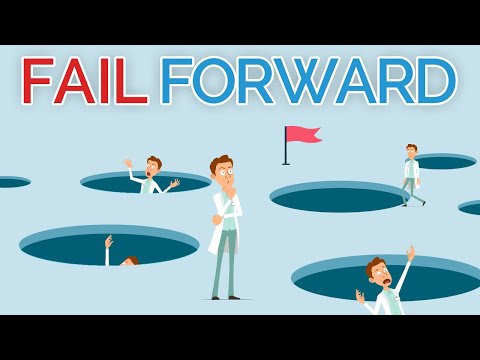
Summer posted on 2022/12/18Ever feel stuck or like you're failing? This video dives into the psychology of failure and how to use it as a superpower for growth, exploring concepts like dopamine motivation and habit formation! You'll pick up practical strategies and advanced vocabulary to turn setbacks into stepping stones.
Learn this video on the APP!
The VoiceTube App has more in-depth practice for videos!