
addict
US /əˈdɪkt/
UK /ˈædɪkt/
- Noun
- Person who can’t control their overuse of a thing
B1Moreaddiction
US /əˈdɪkʃən/
UK /əˈdɪkʃn/
- Noun (Countable/Uncountable)
- Lack of control the overuse of something e.g. drugs
- A compulsive physiological need for a habit-forming substance.
B1TOEICMoreapproximately
US /əˈprɑksəmɪtlɪ/
UK /əˈprɒksɪmətli/
- Adverb
- Around; nearly; almost; about (a number)
A2TOEICMorebreakdown
US /ˈbrekˌdaʊn/
UK /'breɪkdaʊn/
- Noun
- When normal activity or behavior stops
B1TOEICMoreby the book
US /baɪ ði bʊk/
UK /bai ðə buk/
- Phrase
- According to the rules; strictly
A1Morecharge
US /tʃɑrdʒ/
UK /tʃɑ:dʒ/
- Verb (Transitive/Intransitive)
- To run quickly toward someone to attack them
- To ask for money as a price for a service or goods
- Noun (Countable/Uncountable)
- An attack by running quickly toward someone
- A price for a service or goods
A2Moreclaim
US /klem/
UK /kleɪm/
- Noun (Countable/Uncountable)
- To say that something is true, often without proof.
- A statement that something is true.
- Transitive Verb
- To demand or ask for something that you believe is rightfully yours.
- To take or cause the loss of (e.g., a life, property).
A2Morecompulsive
US /kəmˈpʌlsɪv/
UK /kəm'pʌlsɪv/
- Adjective
- Having difficulty to stop yourself doing something
- Acting as a result of an irresistible urge; addicted.
B2Moreconvict
US /kənˈvɪkt/
UK /kənˈvɪkt/
- Noun
- Person in prison
- Transitive Verb
- To say someone is guilty of a crime in a law court
B1Moreconviction
US /kənˈvɪkʃən/
UK /kən'vɪkʃn/
- Noun
- Act of finding someone guilty of a crime
- Strong belief in something, e.g. not needing proof
B1TOEICMoredecade
US /ˈdɛkˌed, dɛˈked/
UK /ˈdekeɪd/
- Countable Noun
- Period of 10 years
B1TOEICMoredestroy
US /dɪˈstrɔɪ/
UK /dɪ'strɔɪ/
- Transitive Verb
- To damage so badly that something no longer exists
- To defeat someone or something easily
A2TOEICMoreever since
US /ˈɛvɚ sɪns/
UK /ˈevə sins/
- Adverb
- Continuously from a past time until now.
- Conjunction
- From the time that; because.
B2Morefinancial
US /faɪˈnænʃ(ə)l/
UK /faɪˈnænʃl/
- Adjective
- Involving money
- Relating to investments.
- Countable Noun
- A person who provides advice on financial matters.
A2TOEICMoregambling
US /'ɡæmblɪŋ/
UK /'ɡæmblɪŋ/
- Uncountable Noun
- Act of betting money on events
- Verb (Transitive/Intransitive)
- To play games to win money
- To take risky action in the hope of a desired result.
B1Morego towards
US
UK
- Phrasal Verb
- To move in the direction of someone or something.
B1Moreillegal
US /ɪˈliɡəl/
UK /ɪ'li:ɡl/
- Adjective
- Not allowed by the laws or rules
- Prohibited by law; illicit.
A2Morejackpot
US /ˈdʒækˌpɑt/
UK /'dʒækpɒt/
- Noun
- The big prize in a lottery, game of chance, etc.
C1Morejudge
US /dʒʌdʒ/
UK /dʒʌdʒ/
- Noun (Countable/Uncountable)
- Person who decides on the results of a contest
- Person who has the power to make a decision
- Verb (Transitive/Intransitive)
- To reach a decision about who won a contest
- To form an opinion after careful consideration
A2TOEICMorelook at
US /lʊk æt/
UK /luk æt/
- Phrasal Verb
- To use your eyes to focus on something
- To focus your eyes on something carefully
A1Morelottery
US /ˈlɑtəri/
UK /'lɒtərɪ/
- Countable Noun
- Betting game of buying tickets to win money
- Condition in which outcome is determined by luck
B2Morementality
US /mɛnˈtælɪti/
UK /menˈtæləti/
- Noun
- Attitude toward, or a belief about something
A2Moreodd
US /ɑd/
UK /ɒd/
- Adjective
- Being unmatched with someone or something
- Being a number not able to be divided by two
A2Moreoriginal
US /əˈrɪdʒənəl/
UK /ə'rɪdʒənl/
- Adjective
- Being first made, thought or performed; fresh
- Being unique or thinking differently from others
- Noun (Countable/Uncountable)
- A work of art, writing, or music that is not a copy.
- A person of fresh initiative or inventiveness.
A2TOEICMorepay back
US /pe bæk/
UK /pei bæk/
- Phrasal Verb
- To return money or a favor
- To take revenge on someone for doing something bad
A1Morepenalty
US /ˈpɛnəlti/
UK /'penəltɪ/
- Noun (Countable/Uncountable)
- Negative effect resulting from your actions
- Punishment for committing a crime or offense
B1TOEICMorepercentage
US /pərˈsentɪdʒ/
UK /pəˈsentɪdʒ/
- Noun (Countable/Uncountable)
- Part of a whole divided into hundredths
- An advantage or allowance.
B1Morepicked it up
US
UK
- Phrasal Verb
- To acquire or obtain something.
- To learn something, often without formal instruction.
A1Moreprolific
US /prəˈlɪfɪk/
UK /prəˈlɪfɪk/
- Adjective
- Producing something in large quantities
B2TOEICMoreremain
US /rɪˈmen/
UK /rɪˈmeɪn/
- Intransitive Verb
- To be left behind; to continue to exist
- To stay in a place when other people have gone
A2TOEICMorerevenue
US /ˈrevənju/
UK /'revənju:/
- Noun (Countable/Uncountable)
- Money that is made by or paid to a business
- Money a government collects from its people
A2TOEICMoreruin
US /ˈruɪn/
UK /'ru:ɪn/
- Transitive Verb
- To damage or completely destroy something
- To cause someone to lose their money or status
- Noun (Countable/Uncountable)
- Remains of a building that has been destroyed
- The state of being destroyed or severely damaged.
B1Morescratch
US /skrætʃ/
UK /skrætʃ/
- Verb (Transitive/Intransitive)
- To rub your skin with your nails to stop an itch
- To make a small cut or mark on a surface
- Noun
- Action of rubbing your skin when itchy
- A small cut or mark on a surface
B1TOEICMoreshut down
US /ʃʌt daʊn/
UK /ʃʌt daun/
- Phrasal Verb
- To close an operating system, e.g. on a computer
- To stop a factory/machine from operating
- Transitive Verb
- To deactivate a nuclear reactor.
- To turn off a computer or other electronic device.
A2Moresuch as
US /sʌtʃ æz/
UK /sʌtʃ æz/
- Preposition
- For example; like
A1Moresuffer
US / ˈsʌfɚ/
UK /'sʌfə(r)/
- Verb (Transitive/Intransitive)
- To experience pain, illness, or injury
- To allow or permit something, especially something unpleasant.
A2Moresuppose
US /səˈpoʊz/
UK /sə'pəʊz/
- Verb (Transitive/Intransitive)
- To imagine or guess what might happen
- Conjunction
- What if
A2TOEICMoretragic
US /ˈtrædʒɪk/
UK /ˈtrædʒɪk/
- Adjective
- (Of a play, movie, or book) with a sad ending
- Causing great sadness, e.g. due to untimely death
B1Moreused to
US /juzd tu/
UK /ˈju:st tə/
- Adjective
- Did regularly before, but don't do now
- Auxiliary Verb
- Have done before, but do not do now
A1Morevaluable
US /ˈvæljuəbəl, ˈvæljə-/
UK /ˈvæljuəbl/
- Adjective
- Being useful or important
- Being worth a lot of money
B1TOEICMorevictim
US /ˈvɪktɪm/
UK /ˈvɪktɪm/
- Noun
- Person/thing affected by an unpleasant event
- Person feeling helpless in times of bad luck
B1TOEICMoreworth
US /wɚθ/
UK /wɜ:θ/
- Noun (Countable/Uncountable)
- the financial, practical or moral value of somebody/something
- having a particular value, especially in money
- Adjective
- Having a specified value.
A2More
Vocabulary
- used to: Did regularly before, but don't do now
- ever since: Continuously from a past time until now.
- by the book: According to the rules; strictly
- shut down: To close an operating system, e.g. on a computer
- look at: To use your eyes to focus on something
- such as: For example; like
- go towards: To move in the direction of someone or something.
- picked it up: To acquire or obtain something.
- pay back: To return money or a favor
- revenue: Money that is made by or paid to a business
- ruin: To damage or completely destroy something
- approximately: Around; nearly; almost; about (a number)
- claim: To say that something is true, often without proof.
- scratch: To rub your skin with your nails to stop an itch
- suppose: To imagine or guess what might happen
- decade: Period of 10 years
- odd: Being unmatched with someone or something
- financial: Involving money
- worth: the financial, practical or moral value of somebody/something
- victim: Person/thing affected by an unpleasant event
- suffer: To experience pain, illness, or injury
- remain: To be left behind; to continue to exist
- addiction: Lack of control the overuse of something e.g. drugs
- valuable: Being useful or important
- judge: Person who decides on the results of a contest
- compulsive: Having difficulty to stop yourself doing something
- charge: To run quickly toward someone to attack them
- nervous: Concerning the system of nerves in the body
- reason: To think and make conclusions in a logical manner
- mentality: Attitude toward, or a belief about something
- tragic: (Of a play, movie, or book) with a sad ending
- conviction: Act of finding someone guilty of a crime
- mind: To be bothered or upset by something
- fall: Season after summer and before winter; Autumn
- penalty: Negative effect resulting from your actions
- destroy: To damage so badly that something no longer exists
- original: Being first made, thought or performed; fresh
- illegal: Not allowed by the laws or rules
- hit: To have a negative impact on a person/place/thing
- order: Religious or social group, as of nuns
- support: To give assistance or advice to someone
- addict: Person who can’t control their overuse of a thing
- public: Owned by the government
- piece: A counter in a board game
- government: Group of people and system that rule a nation
- drive: A person's ambition and motivation to do something
- pick: Sharp tool used for breaking the ground
- breakdown: When normal activity or behavior stops
- possibly: May be true or likely, but is uncertain
- hide: To go to, or put a thing where it can't be found
- prolific: Producing something in large quantities
- convict: Person in prison
- start: First time or place that a thing exists; beginning
- percentage: Part of a whole divided into hundredths
- lottery: Betting game of buying tickets to win money
- jackpot: The big prize in a lottery, game of chance, etc.
- gambling: Act of betting money on events
Get the full experience in the app
Learn anywhere with detailed sentence and usage analysis
01:03
She took a brave step forward, leaving behind her comfort zone to chase her dreams.
Vocabulary
- brave
adj. Having courage
- comfort zone
phr. A familiar situation where one feels safe
Explanation
a brave step is a noun phrase, where brave is an adjective modifying the noun step, meaning "a courageous step".
forward is an adverb modifying step, meaning "ahead".
The whole phrase serves as the object, answering the "what" of took (verb) — she took a brave step forward.
Get the full experience in the app
Look up words anytime with pronunciation, part of speech, and usage
brave
US/brev/
UK/breɪv/
adj.Brave
v.t.To bravely face
A2 Elementary
Get the full experience in the app
Practice speaking anytime and get instant pronunciation feedback
Try this speaking exercise.
Try practicing with this sentence.
80
0
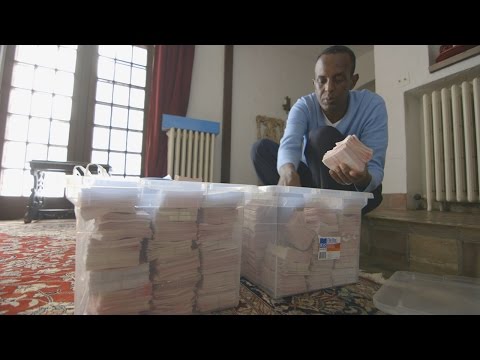
natsuki posted on 2022/05/10Can you imagine spending a million dollars on lottery tickets? This incredible personal story dives into Adam Osmond's struggle with gambling addiction and his journey to recovery, offering a fascinating look at the 'jackpot mentality'. You'll pick up useful vocabulary related to addiction and personal struggles while learning about a compelling real-life case.
Learn this video on the APP!
The VoiceTube App has more in-depth practice for videos!