
article
US /ˈɑrtɪkəl/
UK /'ɑ:tɪkl/
- Noun (Countable/Uncountable)
- Word such as 'a', 'an', or 'the' used before nouns
- Piece of writing about a particular subject
A2TOEICMoreas well as
US /æz wɛl æz/
UK /æz wel æz/
- Adverb
- Also; in addition to
- Preposition
- In addition to; and also.
A1Morebad word
US
UK
- Countable Noun
- An offensive or taboo word; a swear word.
A1Morebase
US /bes/
UK /beɪs/
- Noun (Countable/Uncountable)
- Place military personnel live, train, and operate
- Bottom part of an object that touches a surface
- Transitive Verb
- To use as the starting point or origin for
- To have as the main location for (company, etc.)
A2TOEICMoreby now
US /baɪ naʊ/
UK /bai nau/
- Phrase
- At the present time or already; before the present.
A2Moreclear up
US /klɪr ʌp/
UK /kliə ʌp/
- Phrasal Verb
- To tidy things away, e.g. dirty dishes after meal
- To explain something in an understandable way
A1Morecome at
US /kʌm æt/
UK /kʌm æt/
- Phrasal Verb
- To approach someone to attack them
A1Morecome back
US /kʌm bæk/
UK /kʌm bæk/
- Phrasal Verb
- To reply to someone, often forcefully
- To be remembered
A1Moreconnect
US /kəˈnɛkt/
UK /kə'nekt/
- Transitive Verb
- To associate a thing with something else
- To join or attach things together
A2Morefor that matter
US /fɔr ðæt ˈmætɚ/
UK /fɔ: ðæt ˈmætə/
- Phrase
- Used to emphasize that something is true or likely to happen, or to introduce a related point.
- Used to introduce a statement that supports or strengthens a previous statement.
A2Morego find
US
UK
- Verb (Transitive/Intransitive)
- To search for and locate someone or something.
- An instruction to locate something.
A1Moregot to
US /ɡɑt tu/
UK /gɔt tu:/
- Verb (Transitive/Intransitive)
- To arrive at some place
- To have the opportunity or permission to do something
- Phrasal Verb
- To appeal to the emotions of; move
- To finally begin to start something after a delay
A1Moregrammar
US /ˈɡræmɚ/
UK /ˈgræmə(r)/
- Uncountable Noun
- Book describing the syntactic rules of a language
- Rules explaining how words are used in a language
B1Morehave to
US /hæv tu/
UK /ˈhæv tə/
- Auxiliary Verb
- Must do
A1Morein the middle of
US
UK
- Phrase
- In the central part or point of something.
- Engaged or occupied with something.
A2Morelook at
US /lʊk æt/
UK /luk æt/
- Phrasal Verb
- To use your eyes to focus on something
- To focus your eyes on something carefully
A1Morelook for
US /lʊk fɔr/
UK /luk fɔ:/
- Phrasal Verb
- To try to find a thing or person that is lost
- To expect or anticipate something.
A1Moremy eye
US /ˈmaɪ aɪ/
UK /ˈmaɪ ai/
- other
- Used to express disbelief or skepticism.
B2Moreover to
US
UK
- Preposition
- Used to hand over to someone else to speak
- The responsibility is now yours
reduction
US /rɪˈdʌkʃən/
UK /rɪ'dʌkʃn/
- Noun
- Act of making something smaller
B1Moreregular
US /ˈrɛɡjəlɚ/
UK /ˈregjələ(r)/
- Adjective
- Having an equal amount of space or time in between
- Occurring or being done frequently
- Noun (Countable/Uncountable)
- Customers who frequently visit a place
- Soldier who has a permanent job in the army
A2TOEICMorestart off
US /stɑrt ɔf/
UK /stɑ:t ɔf/
- Phrasal Verb
- To begin or commence something.
- To begin a journey.
B2Moretarget
US /ˈtɑrɡɪt/
UK /'tɑ:ɡɪt/
- Noun (Countable/Uncountable)
- A goal or amount you are trying to achieve
- Group you are trying to sell to or influence
- Transitive Verb
- To try to influence; direct a message toward
- (Army) to aim an attack at something
A2TOEICMorework on
US /wɚk ɑn/
UK /wə:k ɔn/
- Phrasal Verb
- To devote effort to improve or develop something
- To try to persuade or influence someone.
A1More
Vocabulary
- look at: To use your eyes to focus on something
- have to: Must do
- come at: To approach someone to attack them
- work on: To devote effort to improve or develop something
- in the middle of: In the central part or point of something.
- over to: Used to hand over to someone else to speak
- by now: At the present time or already; before the present.
- look for: To try to find a thing or person that is lost
- come back: To reply to someone, often forcefully
- clear up: To tidy things away, e.g. dirty dishes after meal
- as well as: Also; in addition to
- start off: To begin or commence something.
- for that matter: Used to emphasize that something is true or likely to happen, or to introduce a related point.
- go find: To search for and locate someone or something.
- my eye: Used to express disbelief or skepticism.
- bad word: An offensive or taboo word; a swear word.
- got to: To arrive at some place
- form: Sports team or person's current winning record
- hit: To have a negative impact on a person/place/thing
- regular: Having an equal amount of space or time in between
- similar: Nearly the same; alike
- grammar: Book describing the syntactic rules of a language
- information: Collection of facts and details about something
- article: Word such as 'a', 'an', or 'the' used before nouns
- verb: Word that expresses an action or state
- reduction: Act of making something smaller
- target: A goal or amount you are trying to achieve
- lose: To be unable to keep in check or control something
- lesson: Something done to learn or teach something; class
- base: Place military personnel live, train, and operate
- talk: Style of speaking
- connect: To associate a thing with something else
Get the full experience in the app
Learn anywhere with detailed sentence and usage analysis
01:03
She took a brave step forward, leaving behind her comfort zone to chase her dreams.
Vocabulary
- brave
adj. Having courage
- comfort zone
phr. A familiar situation where one feels safe
Explanation
a brave step is a noun phrase, where brave is an adjective modifying the noun step, meaning "a courageous step".
forward is an adverb modifying step, meaning "ahead".
The whole phrase serves as the object, answering the "what" of took (verb) — she took a brave step forward.
Get the full experience in the app
Look up words anytime with pronunciation, part of speech, and usage
brave
US/brev/
UK/breɪv/
adj.Brave
v.t.To bravely face
A2 Elementary
Get the full experience in the app
Practice speaking anytime and get instant pronunciation feedback
Try this speaking exercise.
Try practicing with this sentence.
80
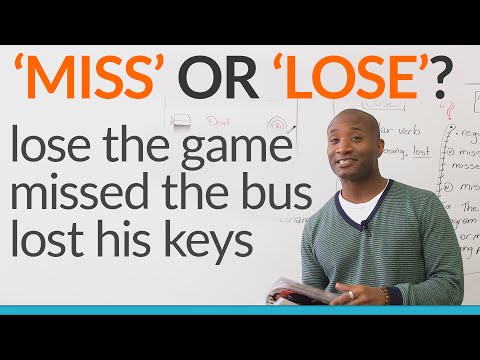
Confusing Words: MISS or LOSE?
0
Ashley Chen posted on 2014/09/10Ever mixed up 'miss' and 'lose'? You're not alone! This video breaks down these tricky words with super practical examples, perfect for boosting your spoken English and avoiding common mistakes, especially when you're traveling.
Learn this video on the APP!
The VoiceTube App has more in-depth practice for videos!