
affect
US /əˈfɛkt/
UK /ə'fekt/
- Transitive Verb
- To cause a change in something else
- To pretend to have or feel (something).
- Noun
- (Psychology) Emotion or feeling.
A2TOEICMoreancient
US /ˈenʃənt/
UK /'eɪnʃənt/
- Adjective
- Very old; having lived a very long time ago
- Relating to a period in history, especially in the distant past.
- Noun
- A person who lived in ancient times.
A2Moreanti
US /ˈæntaɪ, -ti/
UK /'æntɪ/
- Adjective
- A prefix meaning 'against' or 'opposed'
B2Morearthritis
US /ɑrˈθraɪtɪs/
UK /ɑ:ˈθraɪtɪs/
- Noun
- Diseases of the joints often with painful swelling
B2Moreas one
US
UK
- Adverb
- Acting or moving together at the same time.
- In complete agreement or unity.
- Phrase
- With a single voice or opinion; unanimously.
- In perfect harmony or unison.
A1Morebarely
US /ˈbɛrli/
UK /ˈbɛəli/
- Adverb
- Only just; just possible
A2TOEICMoreblame
US /blem/
UK /bleɪm/
- Transitive Verb
- To say someone is responsible for something bad
- Noun (Countable/Uncountable)
- Act of saying someone did something bad
A2TOEICMorecalled off
US
UK
- Phrasal Verb
- To cancel or stop planning an activity or event
- Ordered someone or something to stop attacking or pursuing (past tense).
A1Morecause
US /kɔz/
UK /kɔ:z/
- Noun
- Belief, goal or organization that people support
- Reason for
- Transitive Verb
- To make something happen; create effect or result
A2Morecheck out
US /tʃɛk aʊt/
UK /tʃek aut/
- Phrase
- Phrasal Verb
- To find out information about something
- To take books out of a library
A1Moreclaim
US /klem/
UK /kleɪm/
- Noun (Countable/Uncountable)
- To say that something is true, often without proof.
- A statement that something is true.
- Transitive Verb
- To demand or ask for something that you believe is rightfully yours.
- To take or cause the loss of (e.g., a life, property).
A2Moreclothe
US /kloʊð/
UK /kləʊð/
- Transitive Verb
- To put a certain type of clothing on someone; dress
B1Morecome from
US /kʌm frʌm/
UK /kʌm frɔm/
- Phrasal Verb
- To have as your native country or city
A1Morecondition
US /kənˈdɪʃən/
UK /kənˈdɪʃn/
- Transitive Verb
- To improve something to make it better
- To cause to behave automatically in a certain way
- Noun (Countable/Uncountable)
- Disease or other medical problem
- The state of living you are in, e.g. good health
A2Morecozy
US /ˈkozi/
UK /'kəʊzɪ/
- Adjective
- Comfortable, warm, pleasant, and often, small
B1Morecure
US /kjʊr/
UK /kjʊə(r)/
- Noun
- Something that solves a problem or makes it better
- Medical treatment making a sick person healthy
- Transitive Verb
- To fix or improve a problem
- To make someone healthy or make a disease go away
B1Morecute
US /kjut/
UK /kju:t/
- Adjective
- Attractive in a pretty or endearing way
B2Moredeal with
US /dil wɪð/
UK /di:l wið/
- Verb (Transitive/Intransitive)
- To buy or sell goods or services.
- Phrasal Verb
- To take action to solve a problem or manage a situation.
- To be about; concern.
A1Moredescription
US /dɪˈskrɪpʃən/
UK /dɪˈskrɪpʃn/
- Noun
- Explanation of what something is like, looks like
- The type or nature of someone or something.
A2TOEICMorediet
US /ˈdaɪɪt/
UK /'daɪət/
- Intransitive Verb
- To eat special or less food, as to lose weight
- Noun (Countable/Uncountable)
- Plan of eating to reduce weight or improve health
- The usual food and drink consumed by an organism (person or animal)
A2TOEICMoredisease
US /dɪˈziz/
UK /dɪˈzi:z/
- Noun (Countable/Uncountable)
- Illness that affects a person, animal, or plant
- A disorder of structure or function in a plant, especially one caused by a pathogen.
- Transitive Verb
- To affect with disease; to corrupt or sicken.
A2TOEICMoredown with
US /daʊn wɪð/
UK /daun wið/
- Adjective
- Suffering from an illness.
- Agreeable to; in favor of.
- Interjection
- An expression of opposition to something.
A1Moredue to
US /du tu/
UK /dju: tu:/
- Preposition
- Because of; owing to
- Adjective
- Attributable to; caused by.
A1Moreemperor
US /ˈɛmpəɚ/
UK /'empərə(r)/
- Noun
- Man who rules an empire
B1Moreempire
US /ˈɛmˌpaɪr/
UK /ˈempaɪə(r)/
- Countable Noun
- Group of countries controlled by one government
- A large and important business or group of businesses owned by one person or company.
- Adjective
- A style of dress with a high waistline, just below the bust.
B1Moreflare up
US /flɛr ʌp/
UK /flɛə ʌp/
- Intransitive Verb
- To suddenly worsen or become more intense (of a medical condition).
- To suddenly become angry or violent.
- Phrasal Verb
- To suddenly become angry or violent.
- To suddenly become worse or more intense (of a medical condition).
A1Moregoose
US /ɡus/
UK /gu:s/
- Countable Noun
- Large water bird related to a duck
- Someone you think is silly or foolish
- Transitive Verb
- To touch someone on their bottom
B2Morehome in
US /ˈhoʊm ɪn/
UK /ˈhəum ɪn/
- other
- Move or direct toward a specific target or goal.
B2Morehospitable
US /ˈhɑspɪtəbəl, hɑˈspɪtəbəl/
UK /hɒˈspɪtəbl/
- Adjective
- Making it easy for plants, people etc. to survive
- Being welcoming toward people, guests; friendly
C1TOEICMorein fact
US /ɪn fækt/
UK /in fækt/
- Adverb
- Used to emphasize the truth of a statement, especially one that contrasts with or contradicts something else.
- Used to introduce a more detailed or surprising piece of information.
- Phrase
- Used to emphasize the truth of a statement, especially one that is surprising or contrary to what might be expected.
C1Morein particular
US /ɪn pɚˈtɪkjəlɚ/
UK /in pəˈtikjulə/
- Phrase
- Specifically; especially.
- Detailed or precise.
A1Morein the interim
US /ɪn ði ˈɪntɚɪm/
UK /in ði: ˈɪntərɪm/
- other
- During the intervening period of time.
B2Moreindulgent
US /ɪnˈdʌldʒənt/
UK /ɪnˈdʌldʒənt/
- Adjective
- Allowing children, etc. more pleasure than usual
- Characterized by giving in to desire
B2TOEICMoreinflame
US /ɪnˈflem/
UK /ɪnˈfleɪm/
- Transitive Verb
- To cause to get angry or excited
- To set on fire
B1Morekitten
US /ˈkɪtn/
UK /ˈkɪtn/
- Countable Noun
- Young cat
B1Moreknow about
US /noʊ əˈbaʊt/
UK /nəʊ əˈbaut/
- Phrasal Verb
- To have information or understanding of a subject or situation.
meaty
US /ˈmiti/
UK /'mi:tɪ/
- Adjective
- Important and significant
B1Moremerit
US /ˈmɛrɪt/
UK /ˈmerɪt/
- Transitive Verb
- To earn something, such as praise or a reward
- To earn something, such as praise or a reward
- Noun (Countable/Uncountable)
- State of being high quality or valuable
- A good quality or feature that deserves praise
B1TOEICMoreno matter
US
UK
- Conjunction
- Regardless of; it does not matter.
- Adverb
- Regardless of; it is not important
A1Moreof yours
US /ʌv jʊɚz/
UK /əv jɔ:z/
- other
- Belonging to you; your possession or property.
A1Moreon to
US /ɑn tu/
UK /ɔn tu:/
- Preposition
- Toward something; forward
- Aware of someone's activities.
- Adjective
- Aware of someone's deception or illegal activities.
A1Morepace
US /pes/
UK /peɪs/
- Noun (Countable/Uncountable)
- Rate of speed at which something moves or happens
- Single step, often used to measure a distance
- Verb (Transitive/Intransitive)
- To set and control your speed, as in a race
- To walk with slow purposeful steps
A2Morepatient
US /ˈpeʃənt/
UK /'peɪʃnt/
- Adjective
- Not getting annoyed when things take a long time
- Bearing or enduring pain or trials without complaint; exhibiting forbearance.
- Countable Noun
- Person who receives medical treatment or care
A2Morephysician
US /fɪˈzɪʃən/
UK /fɪˈzɪʃn/
- Countable Noun
- A medical doctor
B2Morerecipe
US /ˈrɛsəˌpi/
UK /'resəpɪ/
- Noun
- Conditions likely to create a particular result
- Directions for making a dish, with the ingredients
B1Moresettle in
US /ˈsɛtl ɪn/
UK /ˈsetl in/
- Phrasal Verb
- To become comfortable in a new place or situation.
B2Moresevere
US /səˈvɪr/
UK /sɪ'vɪə(r)/
- Adjective
- Very bad; harsh
- (Of clothes, etc.) plain; simple; not decorated
A2TOEICMoreshut down
US /ʃʌt daʊn/
UK /ʃʌt daun/
- Phrasal Verb
- To close an operating system, e.g. on a computer
- To stop a factory/machine from operating
- Transitive Verb
- To deactivate a nuclear reactor.
- To turn off a computer or other electronic device.
A2Morestatus
US /ˈstetəs, ˈstætəs/
UK /'steɪtəs/
- Uncountable Noun
- Position or rank relative to others in a society
- Legal position of a person or thing
A2TOEICMorestool
US /stul/
UK /stu:l/
- Countable Noun
- Single seat without support for the arms or back
- Uncountable Noun
- Med. feces; excrement
B1Moresuffer
US / ˈsʌfɚ/
UK /'sʌfə(r)/
- Verb (Transitive/Intransitive)
- To experience pain, illness, or injury
- To allow or permit something, especially something unpleasant.
A2Moresuffer from
US /ˈsʌfɚ frʌm/
UK /ˈsʌfə frɔm/
- Intransitive Verb
- To experience pain or distress; to be badly affected by.
A1Moretalking about
US
UK
- Phrasal Verb
- To discuss a particular topic.
- To be constantly mentioning or bringing up a subject.
A1Moretoe
US /toʊ/
UK /təʊ/
- Noun
- One of the five parts at the end of your foot
- Front part of a sock or shoe
B1Moretoe in
US /to ɪn/
UK /təʊ ɪn/
- other
- To turn the toes inward when standing or moving.
B2Moretwitter
US /ˈtwɪtɚ/
UK /ˈtwɪtə(r)/
- Intransitive Verb
- To make small chattering sounds, like some birds
- Proper Noun
- An online messaging system
C2Moreuric acid
US
UK
- Uncountable Noun
- A crystalline acid that is the final product of purine metabolism and is found in blood and urine.
B2Moreused to
US /juzd tu/
UK /ˈju:st tə/
- Adjective
- Did regularly before, but don't do now
- Auxiliary Verb
- Have done before, but do not do now
A1Morewait for
US /wet fɔr/
UK /weit fɔ:/
- Phrasal Verb
- To wait until someone comes, or something happens
A1Moreweird
US /wɪrd/
UK /wɪəd/
- Adjective
- Odd or unusual; surprising; strange
- Eerily strange or disturbing.
B1More
Vocabulary
- due to: Because of; owing to
- uric acid: A crystalline acid that is the final product of purine metabolism and is found in blood and urine.
- in fact: Used to emphasize the truth of a statement, especially one that contrasts with or contradicts something else.
- flare up: To suddenly worsen or become more intense (of a medical condition).
- suffer from: To experience pain or distress; to be badly affected by.
- wait for: To wait until someone comes, or something happens
- talking about: To discuss a particular topic.
- know about: To have information or understanding of a subject or situation.
- as one: Acting or moving together at the same time.
- used to: Did regularly before, but don't do now
- no matter: Regardless of; it does not matter.
- on to: Toward something; forward
- settle in: To become comfortable in a new place or situation.
- in particular: Specifically; especially.
- toe in: To turn the toes inward when standing or moving.
- of yours: Belonging to you; your possession or property.
- called off: To cancel or stop planning an activity or event
- down with: Suffering from an illness.
- in the interim: During the intervening period of time.
- home in: Move or direct toward a specific target or goal.
- shut down: To close an operating system, e.g. on a computer
- come from: To have as your native country or city
- deal with
- check out
- weird: Odd or unusual; surprising; strange
- description: Explanation of what something is like, looks like
- ancient: Very old; having lived a very long time ago
- severe: Very bad; harsh
- barely: Only just; just possible
- common: Area in a city or town that is open to everyone
- treat: To pay for the food or enjoyment of someone else
- claim: To say that something is true, often without proof.
- disease: Illness that affects a person, animal, or plant
- recipe: Conditions likely to create a particular result
- blame: To say someone is responsible for something bad
- cozy: Comfortable, warm, pleasant, and often, small
- status: Position or rank relative to others in a society
- affect: To cause a change in something else
- condition: To improve something to make it better
- suffer: To experience pain, illness, or injury
- state: Region within a country, with its own government
- cause: Belief, goal or organization that people support
- apply: To spread a substance or liquid over a surface
- pace: Rate of speed at which something moves or happens
- due: When something is required or expected
- rest: Time when one relaxes, sleeps, or is inactive
- lead: Wire for electricity, computer, etc.; cable
- diet: To eat special or less food, as to lose weight
- patient: Not getting annoyed when things take a long time
- cure: Something that solves a problem or makes it better
- social: Involving activity with people, e.g. in free time
- favorite: A thing that someone likes best or enjoys most
- notice: To become aware by sight, touch, or hearing
- lot: What happens to a person in life from chance; fate
- century: Period of 100 years
- pain: Strong feeling of hurt or discomfort
- fact: Something that is known or proved to be true
- merit: To earn something, such as praise or a reward
- act: To behave in a certain way
- arthritis: Diseases of the joints often with painful swelling
- physician: A medical doctor
- indulgent: Allowing children, etc. more pleasure than usual
- stool: Single seat without support for the arms or back
- empire: Group of countries controlled by one government
- emperor: Man who rules an empire
- anti: A prefix meaning 'against' or 'opposed'
- hospitable: Making it easy for plants, people etc. to survive
- kitten: Young cat
- toe: One of the five parts at the end of your foot
- goose: Large water bird related to a duck
- twitter: To make small chattering sounds, like some birds
- clothe: To put a certain type of clothing on someone; dress
- cute: Attractive in a pretty or endearing way
- meaty: Important and significant
- inflame: To cause to get angry or excited
Get the full experience in the app
Learn anywhere with detailed sentence and usage analysis
01:03
She took a brave step forward, leaving behind her comfort zone to chase her dreams.
Vocabulary
- brave
adj. Having courage
- comfort zone
phr. A familiar situation where one feels safe
Explanation
a brave step is a noun phrase, where brave is an adjective modifying the noun step, meaning "a courageous step".
forward is an adverb modifying step, meaning "ahead".
The whole phrase serves as the object, answering the "what" of took (verb) — she took a brave step forward.
Get the full experience in the app
Look up words anytime with pronunciation, part of speech, and usage
brave
US/brev/
UK/breɪv/
adj.Brave
v.t.To bravely face
A2 Elementary
Get the full experience in the app
Practice speaking anytime and get instant pronunciation feedback
Try this speaking exercise.
Try practicing with this sentence.
80
0
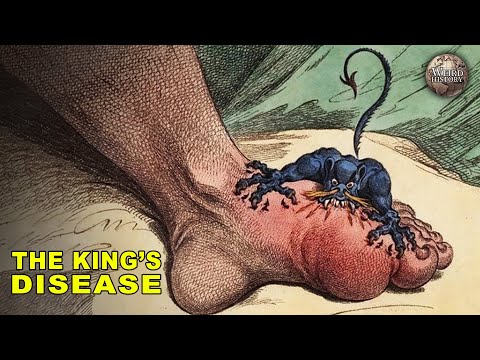
小调pro posted on 2022/04/10Ever wondered why gout was called the 'Disease of Kings'? Dive into the bizarre history of this painful condition, from ancient remedies to its surprising social status! You'll pick up some fascinating vocabulary related to medical history and maybe even a bit of dark humor along the way.
Learn this video on the APP!
The VoiceTube App has more in-depth practice for videos!