
abundance
US /əˈbʌndəns/
UK /əˈbʌndəns/
- Uncountable Noun
- Quantity that is very large or more than enough
B2Moreapocalypse
US /əˈpɑkəˌlɪps/
UK /əˈpɒkəlɪps/
- Noun (Countable/Uncountable)
- Great disaster; complete destruction
- A disclosure of something hidden from the majority of mankind.
B2Moreapocalyptic
US /əˌpɑkəˈlɪptɪk/
UK /əˌpɒkəˈlɪptɪk/
- Adjective
- Involving great disaster or destruction
- Describing or prophesying the end of the world.
B2Morearound the world
US /əˈraʊnd ði wɜrld/
UK /əˈraund ðə wɜː(r)ld/
- Phrase
- In or to many countries.
- In various places throughout the world.
A2Moreat least
US /æt list/
UK /æt li:st/
- Adverb
- As a minimum
- Not less than
- Phrase
- No less than; at the minimum
- Used to indicate that something is positive in a bad situation.
C2Moreat some point
US /æt sʌm pɔɪnt/
UK /æt sʌm pɔint/
- Phrase
- At an unspecified time, usually in the future.
A1Moreback into
US /bæk ˈɪntu/
UK /bæk ˈɪntuː/
- Phrasal Verb
- To drive a vehicle backwards into a space or area.
- To accidentally collide with something while moving backwards.
A1Morebarely
US /ˈbɛrli/
UK /ˈbɛəli/
- Adverb
- Only just; just possible
A2TOEICMorebasically
US /ˈbesɪkəli,-kli/
UK /ˈbeɪsɪkli/
- Adverb
- Used before you explain something simply, clearly
- In essence; when you consider the most important aspects of something.
A2Morebrilliant
US /ˈbrɪljənt/
UK /'brɪlɪənt/
- Adjective
- Having a great amount of intelligence or talent
- Being very bright, like a diamond; shining
- Noun
- A diamond or other gem cut in a particular form with many facets to have exceptional brilliance.
A2Morecalculate
US /ˈkælkjəˌlet/
UK /'kælkjʊleɪt/
- Transitive Verb
- To find an answer using mathematics
- To make an educated guess about something
B2Morecivilization
US /ˌsɪvəlɪˈzeʃən/
UK /ˌsɪvəlaɪ'zeɪʃn/
- Noun (Countable/Uncountable)
- A highly developed society
B2Morecombine
US /kəmˈbaɪn/
UK /kəmˈbaɪn/
- Verb (Transitive/Intransitive)
- To mix several things together to form one thing
- To harvest by means of a combine.
- Noun (Countable/Uncountable)
- A harvesting machine for cutting, threshing, and cleaning grain.
- A mixture of different things.
A2Morecome back
US /kʌm bæk/
UK /kʌm bæk/
- Phrasal Verb
- To reply to someone, often forcefully
- To be remembered
A1Morecrust
US /krʌst/
UK /krʌst/
- Noun
- Hard outer layer of something, e.g. the earth
B2Moredisrupt
US /dɪsˈrʌpt/
UK /dɪsˈrʌpt/
- Transitive Verb
- To cause a disturbance in an activity in progress
B2TOEICMoredistance
US /ˈdɪstəns/
UK /'dɪstəns/
- Uncountable Noun
- Lack of friendliness toward another person
- Noun (Countable/Uncountable)
- Amount of space between two places or things
- A point or place that is far away.
A2Moredrown
US /draʊn/
UK /draʊn/
- Transitive Verb
- To kill something by putting it under water
- To make something very wet or cover it completely
B1Moreemerge
US /ɪˈmɚdʒ/
UK /ɪ'mɜ:dʒ/
- Intransitive Verb
- To rise or appear out of some background
- To become known or apparent.
A2TOEICMoreend in
US /ɛnd ɪn/
UK /end in/
- Phrasal Verb
- To have something as the final result.
enormous
US /ɪˈnɔrməs/
UK /iˈnɔ:məs/
- Adjective
- Huge; very big; very important
- Very great in size, amount, or degree.
A2Moreflow
US /flo/
UK /fləʊ/
- Intransitive Verb
- To move steadily and easily in a certain direction
- Uncountable Noun
- Amount of something that moves through an area
A2Moregravitational
US /ˌɡrævɪˈteɪʃənl/
UK /ˌgrævɪˈteɪʃənl/
- Adjective
- Concerning the force of gravity
C1Moregravity
US /ˈɡrævɪti/
UK /ˈgrævəti/
- Uncountable Noun
- (Of a situation) extreme seriousness
- Force making things fall towards the ground
B1TOEICMorehalt
US /hɔlt/
UK /hɔ:lt/
- Verb (Transitive/Intransitive)
- To stop, or cause something, e.g. a car, to stop
- Noun
- A temporary or final stop.
B1TOEICMorehard to say
US
UK
- Phrase
- Difficult to know or predict; uncertain.
A1Morein a nutshell
US
UK
- Phrase
- As a summary; including the main points concisely
C2Morein any case
US /ɪn ˈɛni kes/
UK /in ˈeni keis/
- Phrase
- Whatever happens; regardless of what has happened or may happen.
A1Morein sight
US /ɪn saɪt/
UK /in sait/
- Phrase
- Visible; able to be seen.
- Near to being achieved; imminent.
into space
US
UK
- Phrase
- Toward or entering the region beyond Earth's atmosphere.
- Figuratively, entering a realm of imagination or abstraction.
A1Moreinto the stratosphere
US /ˈɪntu ðə ˈstrætəsfɪɚ/
UK /ˈɪntəʊ ðə ˈstrætəsfɪə/
- other
- To rise rapidly to a very high level or amount.
B2Moreland with
US
UK
- Phrasal Verb
- To bring an aircraft down to the ground.
- To obtain or achieve something desirable, especially after a period of effort.
lead to
US /lid tu/
UK /li:d tu:/
- Phrasal Verb
- To result in some action
- Verb (Transitive/Intransitive)
- To have something as a consequence or result.
A1Morelimit
US /ˈlɪmɪt/
UK /'lɪmɪt/
- Noun (Countable/Uncountable)
- Point beyond which it is not possible to go
- A line or edge marking the boundary of an area.
- Transitive Verb
- To stop or prevent an increase past a point
A2TOEICMorelunar
US /ˈlunɚ/
UK /ˈlu:nə(r)/
- Adjective
- Concerning, about, or from the moon
- Determined by the moon's cycles.
B2Moremassive
US /ˈmæsɪv/
UK /ˈmæsɪv/
- Adjective
- Very big; large; too big
- Large or imposing in scale or scope.
B1Moremisery
US /ˈmɪzəri/
UK /'mɪzərɪ/
- Uncountable Noun
- Thing that causes unhappiness
- Extreme suffering or unhappiness
B1Morenoticeable
US /ˈnoʊtɪsəbl/
UK /ˈnəʊtɪsəbl/
- Adjective
- Being easy or likely to be sensed or noticed
B1Moreon and off
US /ɑn ənd ɔf/
UK /ɔn ænd ɔf/
- Adverb
- Intermittently; not continuously.
- Adjective
- Characterized by periods of involvement and separation.
A1Moreon average
US /ɑn ˈævərɪdʒ/
UK /ɔn ˈævəridʒ/
- Phrase
- Typically; usually; based on an average calculation.
B1Moreon earth
US /ɑn ɚθ/
UK /ɔn ə:θ/
- Phrase
- Used to emphasize a question expressing surprise or anger.
- Used to emphasize that something is not possible or will not happen.
A1Moreon the ground
US
UK
- Phrase
- Located on the surface of the earth.
- Present and available in a particular place, especially to deal with a situation.
orbit
US /ˈɔrbɪt/
UK /'ɔ:bɪt/
- Noun
- Path an object takes as it circles another object
- The sphere of influence or control; range.
- Intransitive Verb
- To go around another object (often in space)
B2Moreorbital
US /ˈɔrbɪtl:/
UK /ˈɔ:bɪtl/
- Adjective
- Concerning an orbit
B2Moreout of control
US /aʊt ʌv kənˈtrol/
UK /aut ɔv kənˈtrəul/
- Adjective
- Impossible to manage or control.
- Not able to be directed or steered.
A1Moreperk
US /pɜ:rk/
UK /pɜ:k/
- Noun
- An advantage or something extra, such as money or goods, that you are given because of your job
- Intransitive Verb
- To suddenly get more energy
B2Moreplanet
US /ˈplænɪt/
UK /'plænɪt/
- Noun (Countable/Uncountable)
- One of the bodies that orbit the sun
- A different world or sphere of existence.
- Proper Noun
- The earth.
A2Morepull on
US /pʊl ɑn/
UK /pul ɔn/
- Phrasal Verb
- To put on a piece of clothing quickly and easily.
- To encourage someone to try harder or to continue doing something.
A1Morereach
US /ritʃ/
UK /ri:tʃ/
- Verb (Transitive/Intransitive)
- To come to or arrive at a goal or destination
- To be long enough to get to a certain place
- Uncountable Noun
- Power or control someone has over something
A2TOEICMorerise above
US /raɪz əˈbʌv/
UK /raiz əˈbʌv/
- Phrasal Verb
- To overcome or surmount a difficult situation or challenge.
- To not allow oneself to be affected by negative emotions or behaviors.
A1Morerotate
US /ˈroʊteɪt/
UK /rəʊˈteɪt/
- Verb (Transitive/Intransitive)
- To regularly change people who perform a role
- To regularly change the crops that grow in a field
B2Morescience
US /ˈsaɪəns/
UK /'saɪəns/
- Uncountable Noun
- Study of the physical world, based on facts
A2TOEICMorescientific
US /ˌsaɪənˈtɪfɪk/
UK /ˌsaɪənˈtɪfɪk/
- Adjective
- Concerning academic study of the physical world
- Systematic and precise, following a methodology.
- Noun
- Relating to or used in science.
A2Moreseemingly
US /ˈsiːmɪŋli/
UK /ˈsi:mɪŋli/
- Adverb
- Appearing to be but may not actually be; probably
B1Moresideways
US /ˈsaɪdˌwez/
UK /'saɪdweɪz/
- Adverb
- Moving, facing, or directed toward one side
B1Moresix times
US
UK
- Adverb
- Multiplied by six; a factor of six.
- On six occasions; six instances.
slow down
US /slo daʊn/
UK /sləu daun/
- Phrasal Verb
- To reduce the speed
- To become less active or busy.
A1Moresqueeze
US /skwiz/
UK /skwi:z/
- Noun (Countable/Uncountable)
- Amount of liquid from firmly pressing e.g. orange
- Act of putting pressure on, as to get liquid out
- Transitive Verb
- To force or threaten someone to give you something
- To strongly compress something to get liquid out
C1Morestop in
US /stɑp ɪn/
UK /stɔp in/
- Phrasal Verb
- To visit a place briefly, usually on the way to somewhere else.
A1Moresurface
US /ˈsɚfəs/
UK /'sɜ:fɪs/
- Transitive Verb
- To give (road) a top layer
- Intransitive Verb
- To appear after being hidden, unseen, or unknown
- To come to the top of something; emerge
A2TOEICMoretidal
US /ˈtaɪdl/
UK /ˈtaɪdl/
- Adjective
- Of the regular rise and fall of the sea level
C2Moretide
US /taɪd/
UK /taɪd/
- Noun
- Way opinions or events are developing or changing
- Regular rise and fall of the level of the sea
- Transitive Verb
- To give you what is needed for a short time
C2TOEICMoretiny
US /ˈtaɪni/
UK /'taɪnɪ/
- Adjective
- Very, very small
A2Moretrigger
US /ˈtrɪɡɚ/
UK /'trɪɡə(r)/
- Noun
- Lever on a gun that you pull to fire
- Device that starts a process
- Transitive Verb
- To start a process off e.g. a memory
- To cause something to begin or happen.
B1Moreup until now
US
UK
- Phrase
- Until the present time; so far.
A1Morevolcanic
US /vɑ:lˈkænɪk/
UK /vɒlˈkænɪk/
- Adjective
- (E.g. of a temperament) easily angered; violent
- Of or relating to a volcano or volcanoes
B1Morewarm up
US /wɔːrm ʌp/
UK
- Phrasal Verb
- To gently exercise muscles before doing sport
A1More
Vocabulary
- on earth: Used to emphasize a question expressing surprise or anger.
- slow down: To reduce the speed
- come back: To reply to someone, often forcefully
- around the world: In or to many countries.
- stop in: To visit a place briefly, usually on the way to somewhere else.
- in a nutshell: As a summary; including the main points concisely
- end in: To have something as the final result.
- in sight: Visible; able to be seen.
- land with: To bring an aircraft down to the ground.
- rise above: To overcome or surmount a difficult situation or challenge.
- out of control: Impossible to manage or control.
- warm up: To gently exercise muscles before doing sport
- on average: Typically; usually; based on an average calculation.
- up until now: Until the present time; so far.
- on and off: Intermittently; not continuously.
- lead to: To result in some action
- on the ground: Located on the surface of the earth.
- six times: Multiplied by six; a factor of six.
- into the stratosphere: To rise rapidly to a very high level or amount.
- into space: Toward or entering the region beyond Earth's atmosphere.
- back into: To drive a vehicle backwards into a space or area.
- pull on: To put on a piece of clothing quickly and easily.
- hard to say: Difficult to know or predict; uncertain.
- in any case: Whatever happens; regardless of what has happened or may happen.
- at some point: At an unspecified time, usually in the future.
- at least: As a minimum
- massive: Very big; large; too big
- enormous: Huge; very big; very important
- trigger: Lever on a gun that you pull to fire
- basically: Used before you explain something simply, clearly
- experience: Thing a person has done or that happened to them
- barely: Only just; just possible
- force: Group of persons trained for military action; army
- brilliant: Having a great amount of intelligence or talent
- squeeze: Amount of liquid from firmly pressing e.g. orange
- bit: Device put in a horse's mouth to control it
- crust: Hard outer layer of something, e.g. the earth
- disrupt: To cause a disturbance in an activity in progress
- gravity: (Of a situation) extreme seriousness
- abundance: Quantity that is very large or more than enough
- draw: To attract attention to someone or something
- reach: To come to or arrive at a goal or destination
- tiny: Very, very small
- emerge: To rise or appear out of some background
- surface: To give (road) a top layer
- seemingly: Appearing to be but may not actually be; probably
- orbit: Path an object takes as it circles another object
- scientific: Concerning academic study of the physical world
- planet: One of the bodies that orbit the sun
- distance: Lack of friendliness toward another person
- throw: To use your arm to make something fly in the air
- halt: To stop, or cause something, e.g. a car, to stop
- perk: An advantage or something extra, such as money or goods, that you are given because of your job
- civilization: A highly developed society
- ground: To break (coffee, etc.) into tiny bits with machine
- misery: Thing that causes unhappiness
- fall: Season after summer and before winter; Autumn
- leave: To go away from; depart
- apocalypse: Great disaster; complete destruction
- combine: To mix several things together to form one thing
- limit: Point beyond which it is not possible to go
- drown: To kill something by putting it under water
- flow: To move steadily and easily in a certain direction
- science: Study of the physical world, based on facts
- order: Religious or social group, as of nuns
- system: Set of organized, planned ideas that work together
- crash: To damage an object by causing it to hit something
- point: An item to be discussed
- rise: To wake up and get out of bed after sleeping
- step: Movement done as part of a particular dance
- pull: Act of breathing in smoke, as from a pipe
- tide: Way opinions or events are developing or changing
- gravitational: Concerning the force of gravity
- noticeable: Being easy or likely to be sensed or noticed
- apocalyptic: Involving great disaster or destruction
- rotate: To regularly change people who perform a role
- volcanic: (E.g. of a temperament) easily angered; violent
- calculate: To find an answer using mathematics
- tidal: Of the regular rise and fall of the sea level
- lunar: Concerning, about, or from the moon
- sideways: Moving, facing, or directed toward one side
- orbital: Concerning an orbit
Get the full experience in the app
Learn anywhere with detailed sentence and usage analysis
01:03
She took a brave step forward, leaving behind her comfort zone to chase her dreams.
Vocabulary
- brave
adj. Having courage
- comfort zone
phr. A familiar situation where one feels safe
Explanation
a brave step is a noun phrase, where brave is an adjective modifying the noun step, meaning "a courageous step".
forward is an adverb modifying step, meaning "ahead".
The whole phrase serves as the object, answering the "what" of took (verb) — she took a brave step forward.
Get the full experience in the app
Look up words anytime with pronunciation, part of speech, and usage
brave
US/brev/
UK/breɪv/
adj.Brave
v.t.To bravely face
A2 Elementary
Get the full experience in the app
Practice speaking anytime and get instant pronunciation feedback
Try this speaking exercise.
Try practicing with this sentence.
80
0
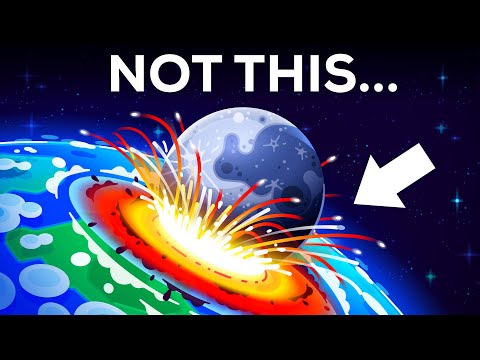
吳鑫陽 posted on 2022/03/22Ever wondered what would happen if the Moon decided to take a nosedive towards Earth? This video dives into the mind-blowing astrophysics and orbital mechanics of such a catastrophic event, showing you a dramatic year-long timeline of destruction! You'll pick up some seriously advanced vocabulary while learning about extreme tides and volcanic winters – it's a wild ride!
Learn this video on the APP!
The VoiceTube App has more in-depth practice for videos!